The first 25 years you measure success with grades, only to realize that the real value is in learning to learn and critical thinking.
The second 25 years you measure success by how much money you made, only to realize that how you spend time, and with whom, is most important.
The third 25 years is measured by how many people you helped along the way. Did you leave everyone and everything better than when you found them? Do you have family and friends that love and care about you?
The third chapter should be all about living a recommendable life.
They ask Warren Buffett in an interview:
"What is true wealth"?
Warren Buffet: "True wealth is not having the biggest house or the most expensive car.
It is having enough money to live comfortably while being free to choose how you spend your time, who you work with, and the life you want to live.
In the end, time and freedom are the greatest forms of wealth".
(Charlie Rose, 2009)
The first gift is life. The second gift is good health.
The third gift is to love and be loved. The fourth gift is peace of mind.
There are no other gifts that matter as much.
The fifth gift is having the wisdom to know what to appreciate most.
The older I get, the more I realize how much of your life is shaped by the stories you tell yourself. I’m not ready. I’m too late. I’m bad at this. I never follow through. Be careful. You believe what you repeatedly rehearse. Tell better stories. Then prove them through action.
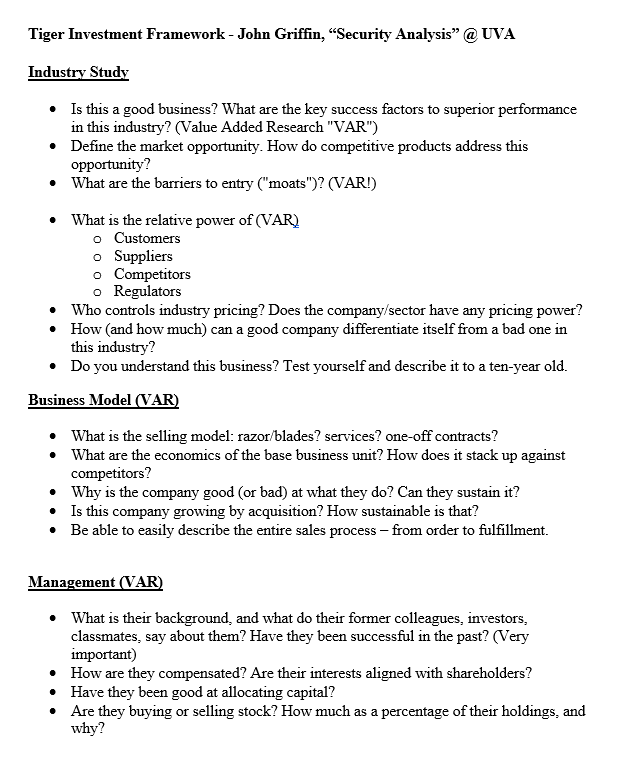
Jeremy Giffon on why the best investment ideas are simple, and the legendary Richard Rainwater's "one-pager" test:
"A lot of investors are in the feel clever, look smart game more than the money game.
You either have to say, i'm looking for ideas so complex that no one is going to do them, or it should actually be quite simple.
I'm a bigger believer in simplicity, which is you want to be long Elon.
Or you should just buy big companies when they're at their 200-week moving average.
I love that idea because it's just so simple. But it's right. The gift is being able to sell that idea.
One story that I absolutely love on cutting through the mess and getting to complete clarity on an investment is from Richard Rainwater.
You would come into his office with a yellow legal pad, and you would write out your thesis on one page, and then you would tell him what percentage of your net worth you're gonna put in the deal.
Based on your one-page thesis and the percentage of net worth, he would say yes or no."
A lovely film made by Raju Hirani on the occasion of 100 years of Bajaj group, a business family I respect immensely. What was amazing to me was that the characters enacted by the Bajaj family members are all done by AI!!
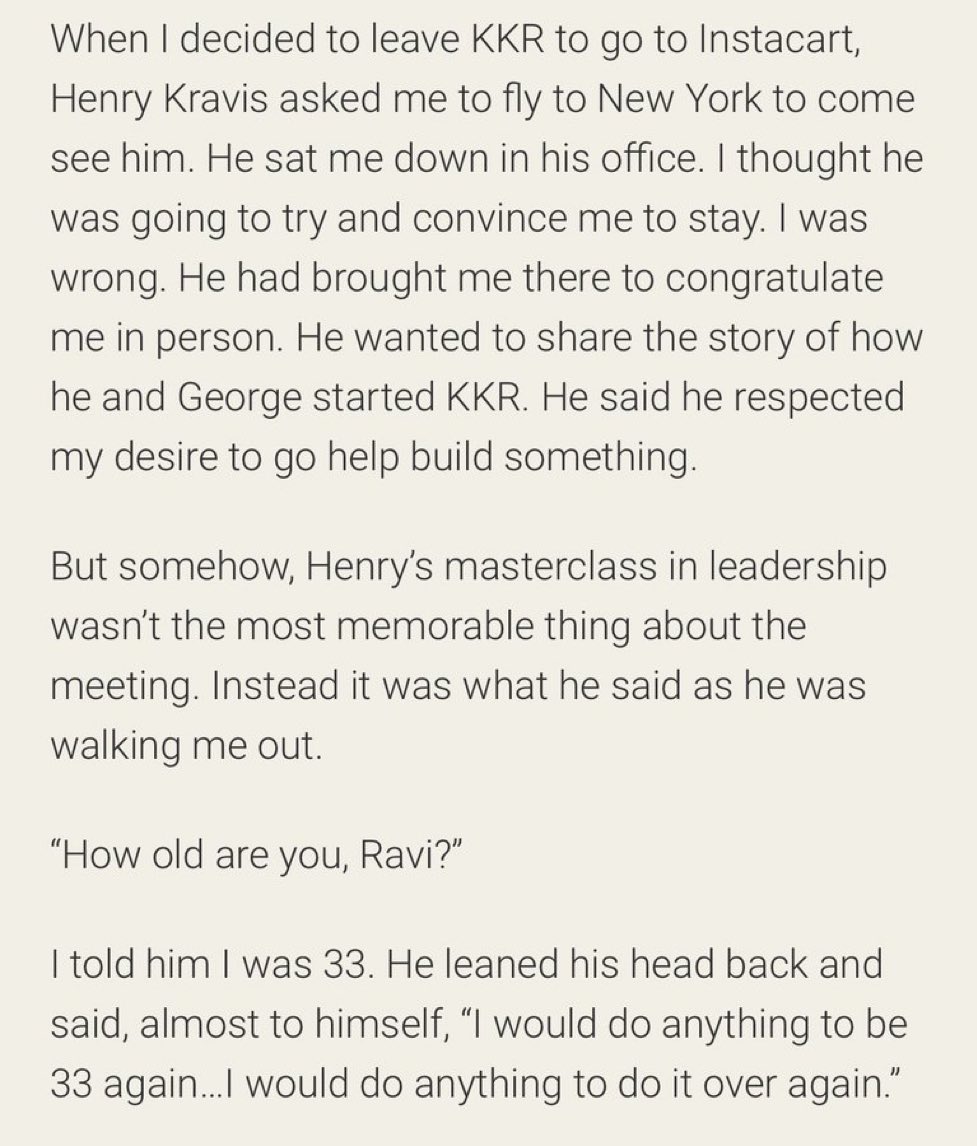
KKR’s founder Henry Kravis would literally give up everything to be 33 again
If you are younger than 35, you are richer than most billionaires just in the time you have left
Do with that information what you will
The Larry Ellison Playbook
1. Control is everything
Ellison avoided venture money like the plague. He’d take loans, cut deals, push sales.anything but give up equity.
His belief: power flows to the one who never dilutes.
2. Sell harder than you build
Ellison knew: technology doesn’t sell itself. He put marketing first.
“Average tech with great marketing beats great tech with average marketing“
3. Hire for arrogance
Oracle famously asked recruits: “Are you the smartest person you know?”
If yes: they were hired.
If no: they hired the person they named.
The result: a swaggering culture that competitors despised, but couldn’t beat.
4. Competition is fuel
Ellison treated life as a contest.
Lose a bike ride? He trained until he crushed you next time.
Business was no different: he ran Oracle like every market share point was life or death.
5. Find or make a way
When a wall blocked Oracle’s computer hookup, Ellison grabbed a hammer and smashed through.
That story became legend inside Oracle.
Lesson: don’t wait, force progress.
“Equanimity, not genius , leads to success” - Parag Parikh
Full interview with @RajeevThakkar of @PPFAS out now on The Money Mindset. ⭐️
The theme of this interview was timeless investing tools and how equanimity plays a great role in you becoming a successful investor. Hope you enjoy this one ❤️
Full interview below 👇
https://t.co/1L5ZzZ7zoM
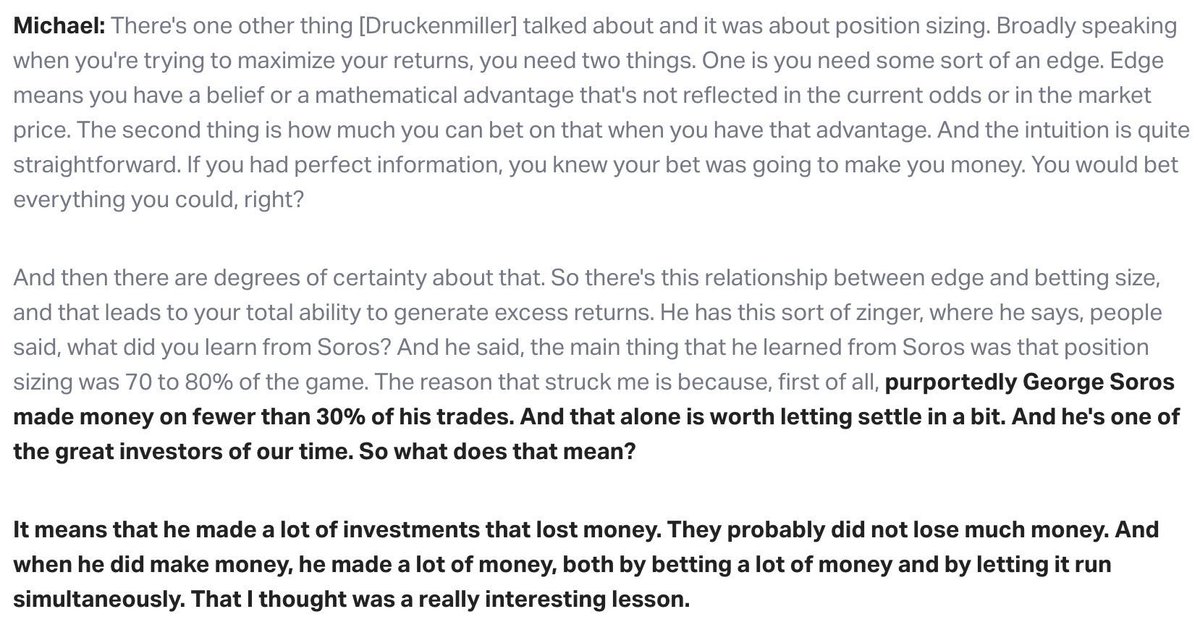
Stanley Druckenmiller obsesses over position sizing.
And it's one of the (many) reasons why he generated 30% CAGRs without a single down year.
"Position sizing is 70 to 80% of the game."
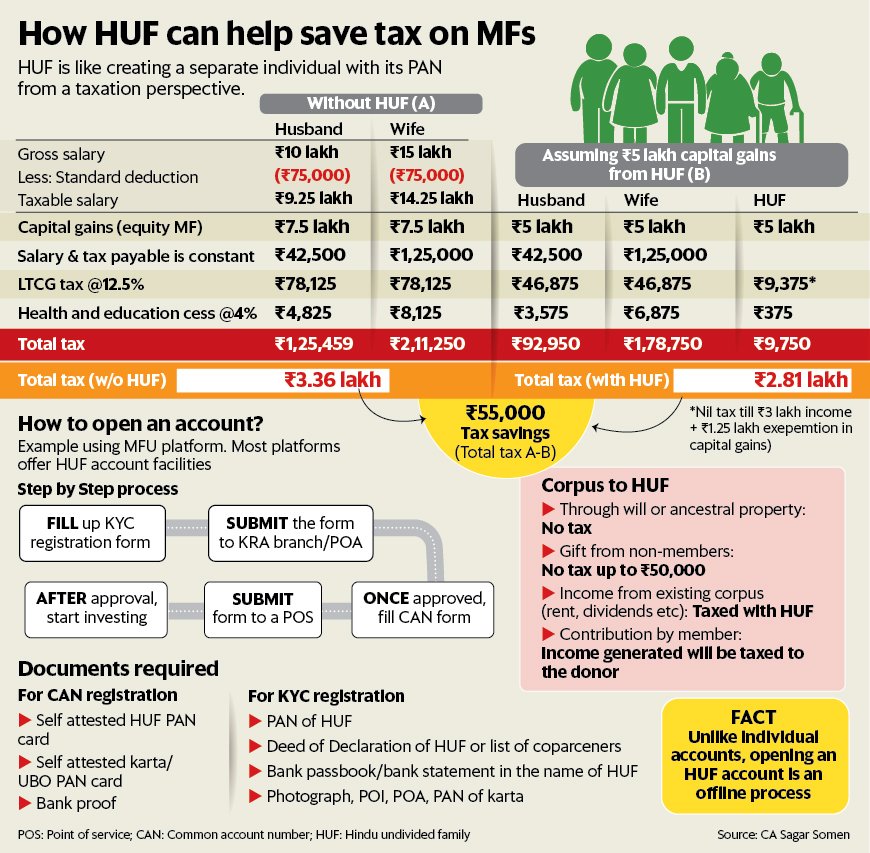
Creating a HUF saves tax. HUF gets its own deductions. But you can't create it out of thin air & transfer money to it. That leads to clubbing of income. HUF must get its capital from a Will, business or gift from unrelated party. Story by @sashindnj https://t.co/e1Xkscg3XH