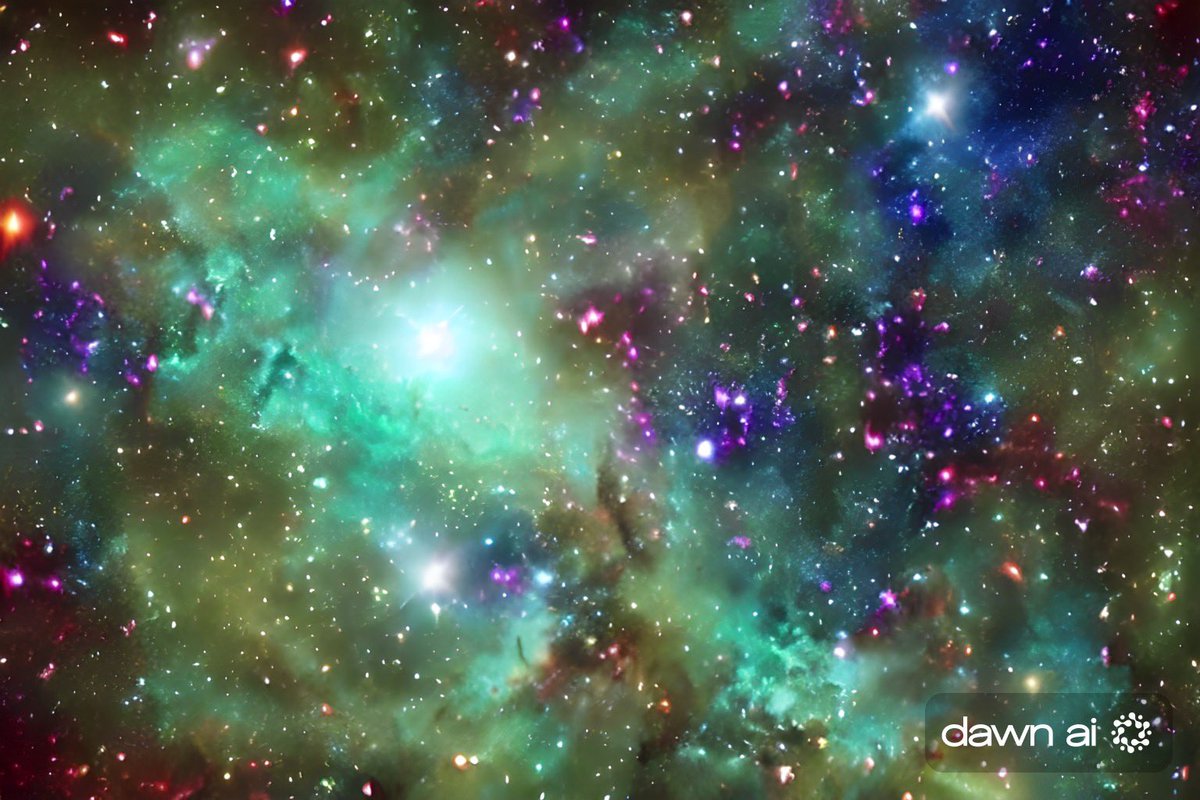
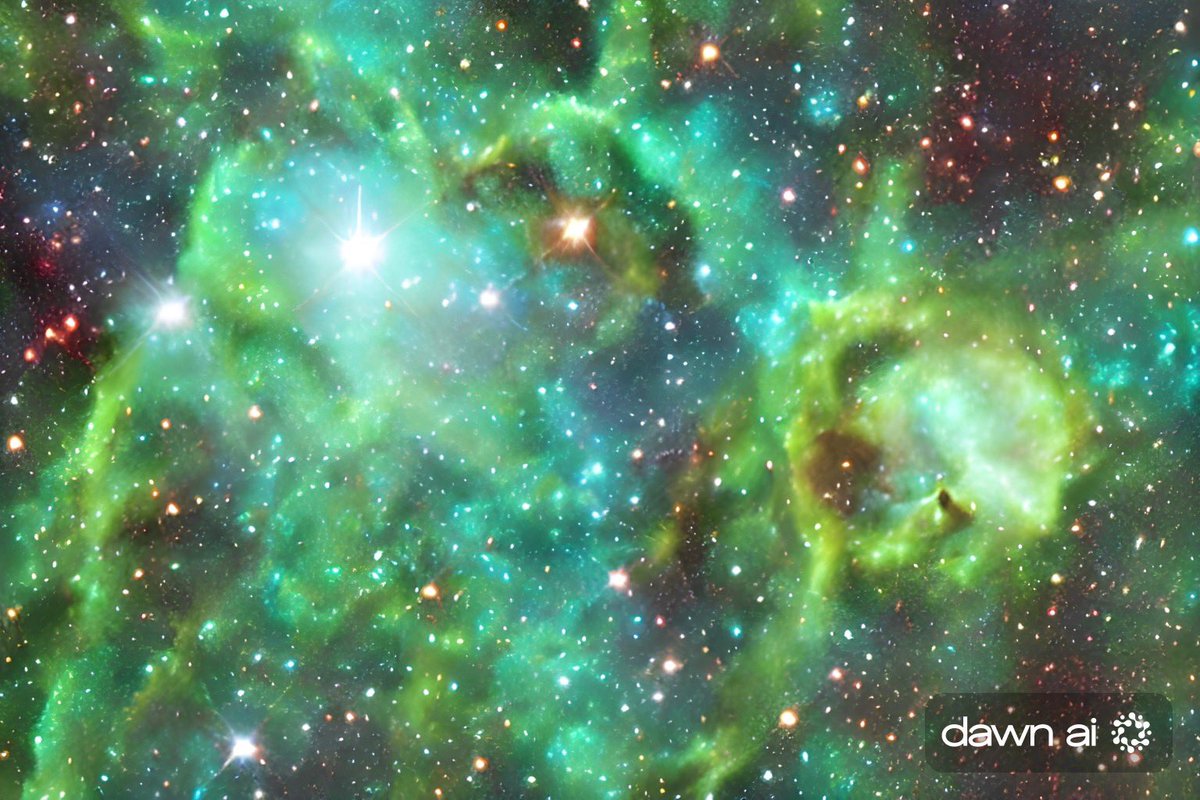
The stunning Orion Nebula, churning out new stars and planets.
This photo didn't come from Hubble or JWST, but from my 12" telescope. This nebula is even naked-eye visible!
I formatted this as a mobile wallpaper, feel free to download and use it!
The sun, about 30 mins ago. Sunspot region 4060 is super flary (dark patch) in this inverted image. It measures 120,000kms end to end. Captured with the SHG700 spectroheliograph, QHY678M and SkyWatcher 82ED, Processed in Jsol'Ex 3 and AS3. #solar#astrophotography
Farewell to Conventional Rockets–China’s New Plasma Engine Surpasses NASA’s Technology, Paving the Way for Faster Mars Missions.
New plasma propulsion technology could be the future of deep space exploration!
https://t.co/pbsIWLLha5
#space#rockets#spacetravel
A 1977 space probe 24 billion kilometers away suddenly reappears on NASA’s radar.
Now, at a mind-boggling distance of 24 billion kilometers from Earth, this stalwart explorer has reappeared on the radar, sparking renewed excitement.
https://t.co/OQjMPHNaSx
Ongoing developments continue to bring humanity much closer to mining in Outer Space.
Lunar surface mining could provide us with the resources and materials to expand humanity’s presence on the Moon, as well as further into the solar system.
https://t.co/BFGQVDo4yW
Future of space travel: Could robots really replace human astronauts?
On Christmas Eve, an autonomous spacecraft flew past the Sun, closer than any human-made object before it.
https://t.co/CC4hQZmu0o
#space#spacetravel#robotics
The Future of Space Exploration
Most engineers and scientists agree that this an extremely exciting and busy time to be working in the space industry. Several new things are happening above the Earth’s atmosphere.
https://t.co/CVqH8VIX0m
The Squid Galaxy 🦑💫
This NASA/ESA Hubble image features the spiral galaxy Messier 77, also known as the Squid Galaxy.
It would take more than a century between the discovery of the Squid Galaxy and the realisation that the ‘spiral nebulae’ scattered across the sky were not part of our galaxy and were in fact separate galaxies millions of light-years away!
Webb is "running rings" around this planetary nebula, bringing it into sharp focus with this new mid-infrared look. At the center are a pair of stars, one of which shed its layers of dust and gas as it neared the end of its life cycle. https://t.co/PrOgjuhuPR