Educational #neurotweets to #EndNeurophobia
Life is short, the Art long, opportunity fleeting, experience false, judgment difficult - Aphorisms. Hippocrates.
Does trying to memorize inflammatory myelopathies leave you inflamed?
Do you say “Oh my!” when you see my-elopathy??
Never fear, read on for this month’s @the_AJNR SCANtastic for all you need to know:
https://t.co/1JAbPjZpyp
It is actually easy to remember the different patterns b/c their names tell you everything you need to know:
—MS
= Multiple spots so you see small spot lesions
MS has only 2 letters so lesions are less than 2 vertebral bodies in length!
—NMO
= Nuclear Massive Ouch. Nuclear = involve the gray matter or cord nucleus. Massive ouch
means lesions are extensive in both cross section & length!
NMO has 3 letters so lesions are > 3 vertebrral bodies in length
—MOGAD
Remember MO-PLAID. Has an H shaped appearance that looks like plaid!
Remember MO-Gad, or more gadolinium (it’s lesions can also be long & extensive)
—Sarcoid
Remember Sarcoid-y = Triploidy
Sarcoid has a classic 3-pronged appearance of the trident (central & subpial enhancement)!
—Lupus
Remember that lupus & Leptomeningeal both start w/L!
Lupus can give uniquely give leptomeningeal enhancement
—Paraneoplastic
Paraneoplastic = Parallel, so it parallels specific tracts
Commonly the motor tracts, including the lateral corticospinal tract, or dorsal columns
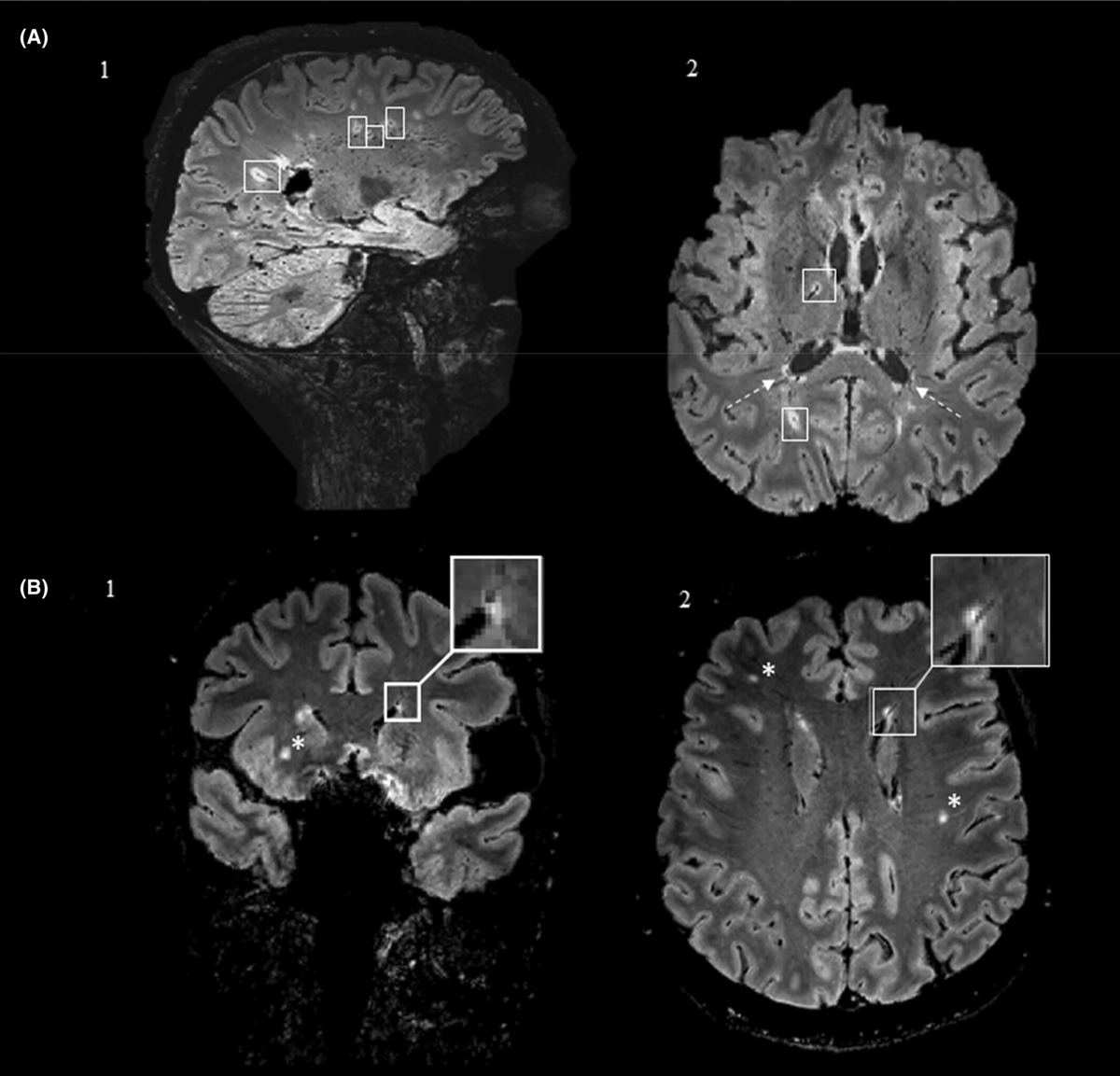
In this month’s AJNR, Fang et al. found AI accelerated double inversion recovery images could detect lesions in these patients as well as normal scans
Now you can add on a double inversion recovery to see these patterns better w/o adding on significant time!!
But this just scratches the surface. Follow @the_AJNR & check out the article yourself
Brainstem anatomy is notoriously tricky, but it’s made 10x easier by the Rule of 4s! Whether you are a medical student or studying for neurology boards, this powerful mnemonic will take you far!
#neurology#FOAMed#MedEd#neuroX#MedSchool#tweetorial
🧵⬇️
🚨 Delirium isn’t “just confusion”—it’s acute brain failure you can reverse in minutes if you catch it. 🧠⚡️
Swipe for the 4AT in 40 seconds, the VITALS cause-hunt, and bedside hacks that slash delirium by 40 %.
Little pearls, big impact—share to keep every ward brain-safe.
#MedTwitter #Delirium #Geriatrics #FOAMed
To Zanzibar By Motor Car!
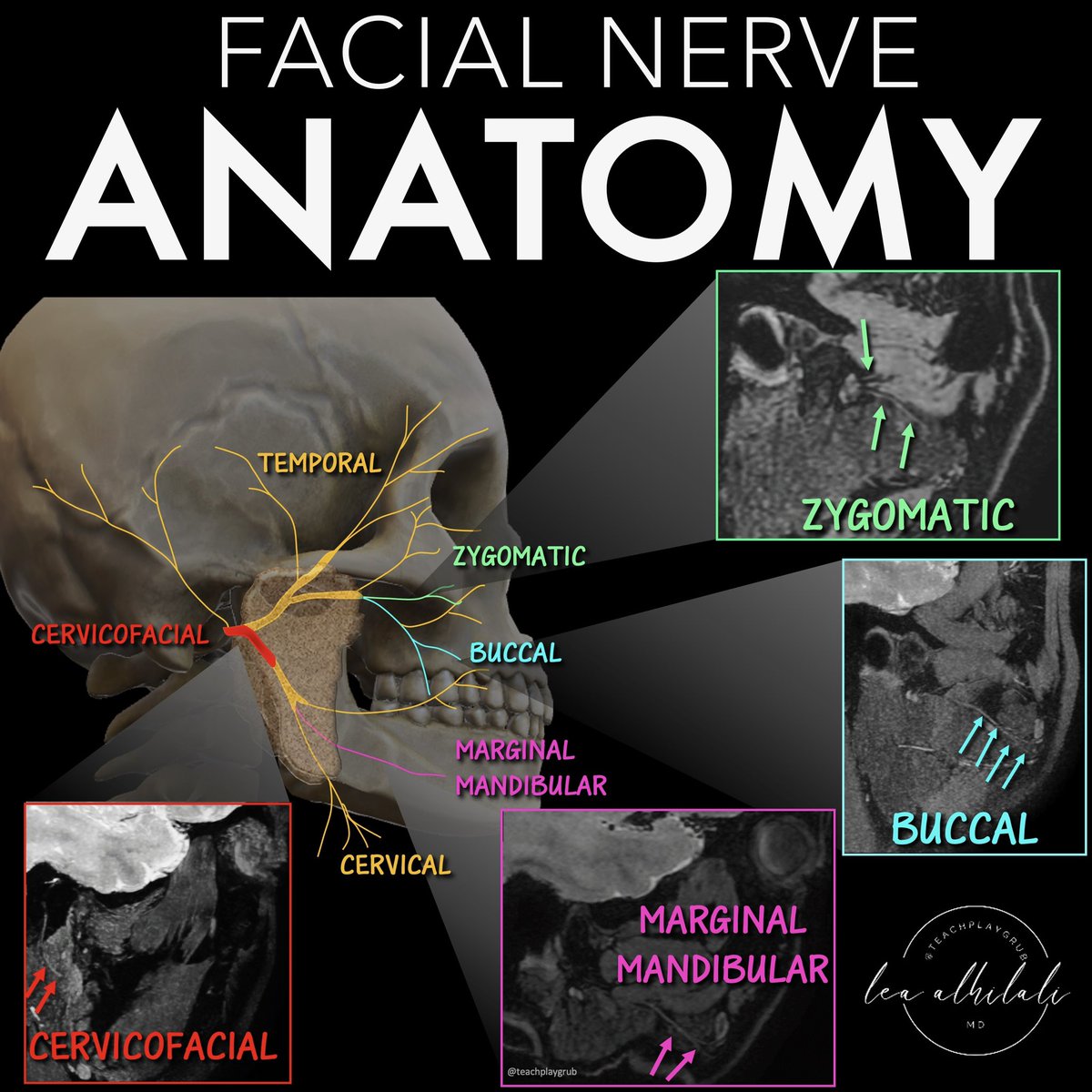
You can't get to Zanzibar by motorcar--but you can go beyond the mnemonic to understand facial nerve anatomy!
Its anatomy is a map of facial function & is important for surgery as injuries can be devastating
It has been the greatest challenge of MR neurography b/c of its small size and surrounding parotid tissue.
However, with a 3T magnet and 0.5mm, MR neurography can even image its tiny branches to guide parotid and facial reanimation surgeries.
Hopefully now you will know what look for when faced with facial nerve anatomy!!
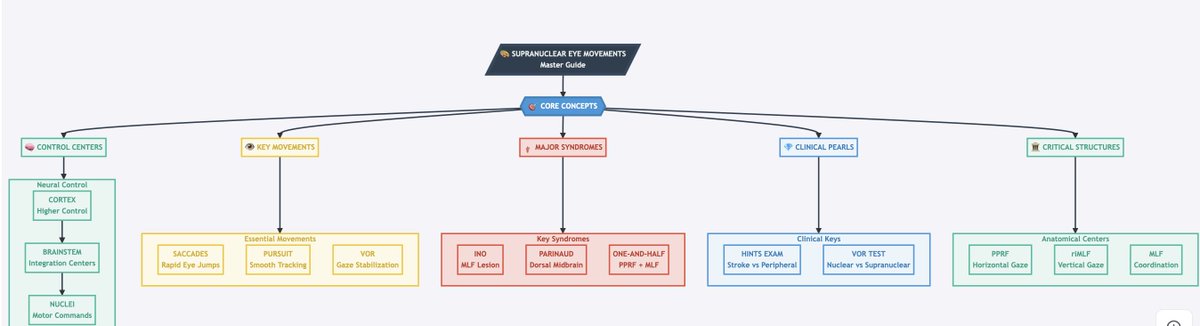
🧵 Supranuclear Eye Movement Disorders: Mastering Clinical Insight 👁️🧠
⚠️ Heads‑up: It’s a long thread—but perfect for anyone eager to learn. Grab your coffee and scroll on! ☕😄
1/Feel perplexed by the lumbosacral plexus??
This plexus doesn’t have to be so complex-us
Here’s what you need to know from this month’s @Radiographics!
https://t.co/rekQnpxZcD
@cookyscan1@RadG_editor
According to the ACNS terminology, the correct term is 'sharp-and-waves,' but this is typical of triphasic waves. This likely indicates a metabolic encephalopathy and not discharges along the ictal-interictal continuum
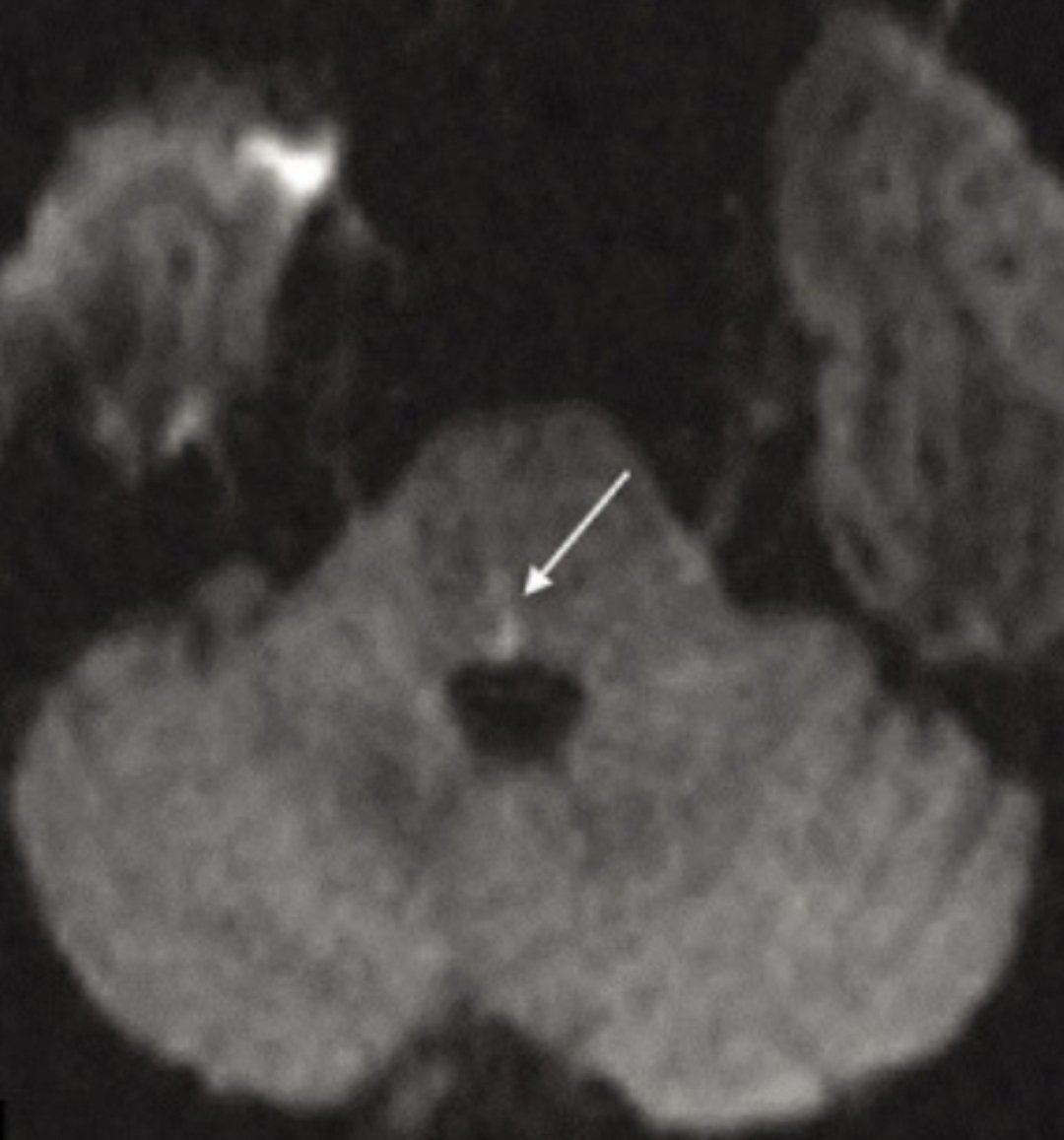
Actual Hx: "Internuclear Opthalmoplegia (INO)" 😯
🧠 MRI = small right MLF stroke.
(Disrupts CN VI nuclei via PPRF ➡️ weakens ipsilateral eye adduction, but preserves contralateral eye abduction.)
Shout out to this awesome neurology resident for making my job easy! 😎
You will never know how much work this reel took!!
I think if I had known how hard it was when I started, I wouldn’t have started at all 😂
Scrolling through a brain MRI is like driving down the road. There are signposts & check marks along the way.
These are some of the anatomic landmarks I check as I scroll through a brain MRI
These help you to orient yourself to the anatomy and help you to remember to look for pathology in small places.
Of course, these are not all the landmarks—it’s just a start.
I want to show more signposts that I stop by when reading a brain MRI—so follow along—I think all the extra work will be worth it!!
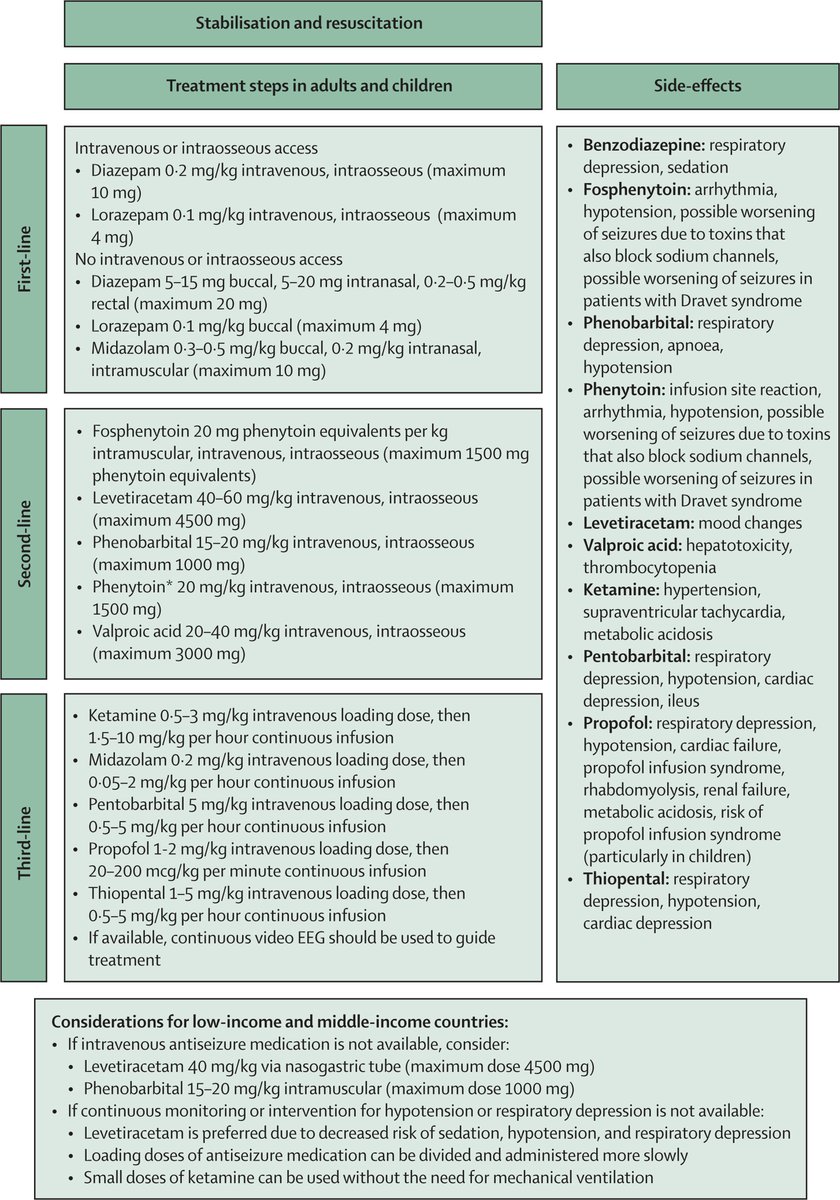
Status epilepticus is a life-threatening emergency where a person will have prolonged or recurrent seizures without recovery between episodes.
In @TheLancetNeuro, authors explore recent advances, challenges, & potential future directions in global care: https://t.co/ROSSdCOwcC
The central vein sign (a small vein in the center of white matter lesions) is linked to multiple sclerosis, but it is not perfect. in this study differentiating between migraine associated white matter abnormalities and MS, specificity was only 85.7% https://t.co/17XyFBo4gl
Tell me where it hurts.”
How back pain radiates can tell you where the lesion is—if you know where to look!
Do YOU know where to look?
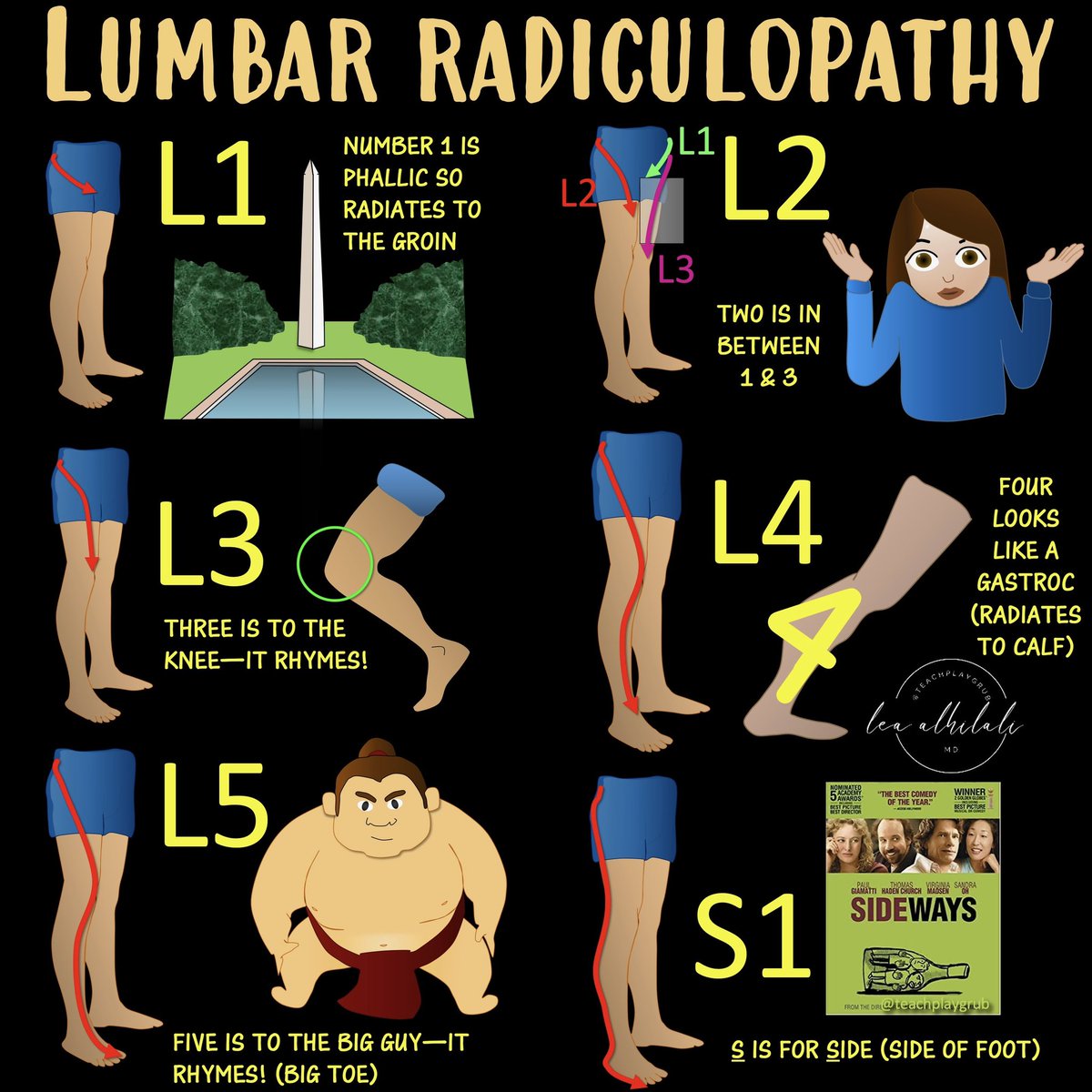
Here’s how to remember the lumbar radicular pain distributions!
Keep this cheat sheet as a BACKUP for when you are dealing with BACK pain!
L1
L1 radiates to the groin
Remember that b/c the number 1 is, well, um…phallic. So phallic number 1 radiates to the groin.
L2
L2 radiates to thigh
Two is the number between 1 and 3, so the distribution of L2 is between the distributions of L1 and L3—and between the groin (L1) and knee (L3) is the thigh.
L3
L3 radiates to the knee
Remember L3 is to the knee—easy, it rhymes!
L4
L4 radiates to the calf.
Remember this bc the number 4 looks like the calf, 🔸Top part of the 4 looking like a bulging gastroc & the bottom part of the four is the rest of the calf connecting to the ankle.
L5
L5 radiates to the big toe.
Remember the little rhyme “Five is to the big guy!”
L5 is also foot drop. Remember big guys are heavy, and heavy gravity = drop.
S1
S1 radiates to the side of the foot.
Remember this because both S1 and Side start w/S.
So now you know where in the lumbar spine to a look when a patient tells you the pain radiates down their leg!
Remember, there are many variations & this is just a starting guide
But hopefully now remembering the lumbar radicular distributions won’t be a pain in the backside!