September is #NationalSuicidePreventionMonth, a powerful reminder that there are actions we can all take to look out for each other. 💙
All month, people nationwide unite to promote suicide prevention awareness. Learn more at https://t.co/jE7N5HWiKk
You are worthy of the same compassion and care that you show others.💙
By setting boundaries, being kind to your mind, and prioritizing self-care, you are supporting your mental health — and we couldn't be more proud!
Trauma isn't the event, it's the response | Bessel van der Kolk
0:00 Chapter 1: Trauma, explained
1:21 PTSD in veterans
2:09 Connecting with others after trauma
4:28 The prevalence of trauma
5:35 What is trauma?
8:19 The greatest protector of trauma
9:37 Trauma in the brain
11:46 Automatic responses
14:56 The brain and our experiences
16:52 Re-experiencing trauma
19:58 Brain development and trauma
27:29 Chapter 2: Shaping childhood trauma
28:27 Reenacting trauma in relationships
31:41 Understanding each other’s trauma
34:59 Long term effects of child abuse
36:34 Chapter 3: How to treat trauma
36:57 “A post-alcoholic culture”
37:27 Zoloft, Prozac, and other PTSD drugs
39:15 The Adverse Childhood Experiences study
40:48 Drug addiction
43:02 Eye movement desensitization
and reprocessing (EMDR)
45:48 Unconventional trauma treatments
46:30 The brain-body connection
Mental illness needs visibility more urgently than almost any other area of medicine and health care. A new award from Wellcome and Nature aims to raise its prominence
https://t.co/TiRcJGEQQc
Mental and physical health are closely connected.
Taking care of your mental health can boost happiness and improve overall well-being.
As Mental Health Awareness Month begins, explore these resources from @WHO: https://t.co/JikWPQI7fG
Higher state-level income inequality may influence children’s brain development and mental health beyond individual socioeconomic status, highlighting the broader impact of social environments. Read more highlights from recent peer-reviewed studies: https://t.co/OGwnJBuwqz
A pathway that acts as an intrinsic antidepressive mechanism in the brain can become disrupted by chronic, mild stress, shows new work that casts light on the neurological and biochemical origins of #depression. @SciSignal https://t.co/xQKt37cv4t
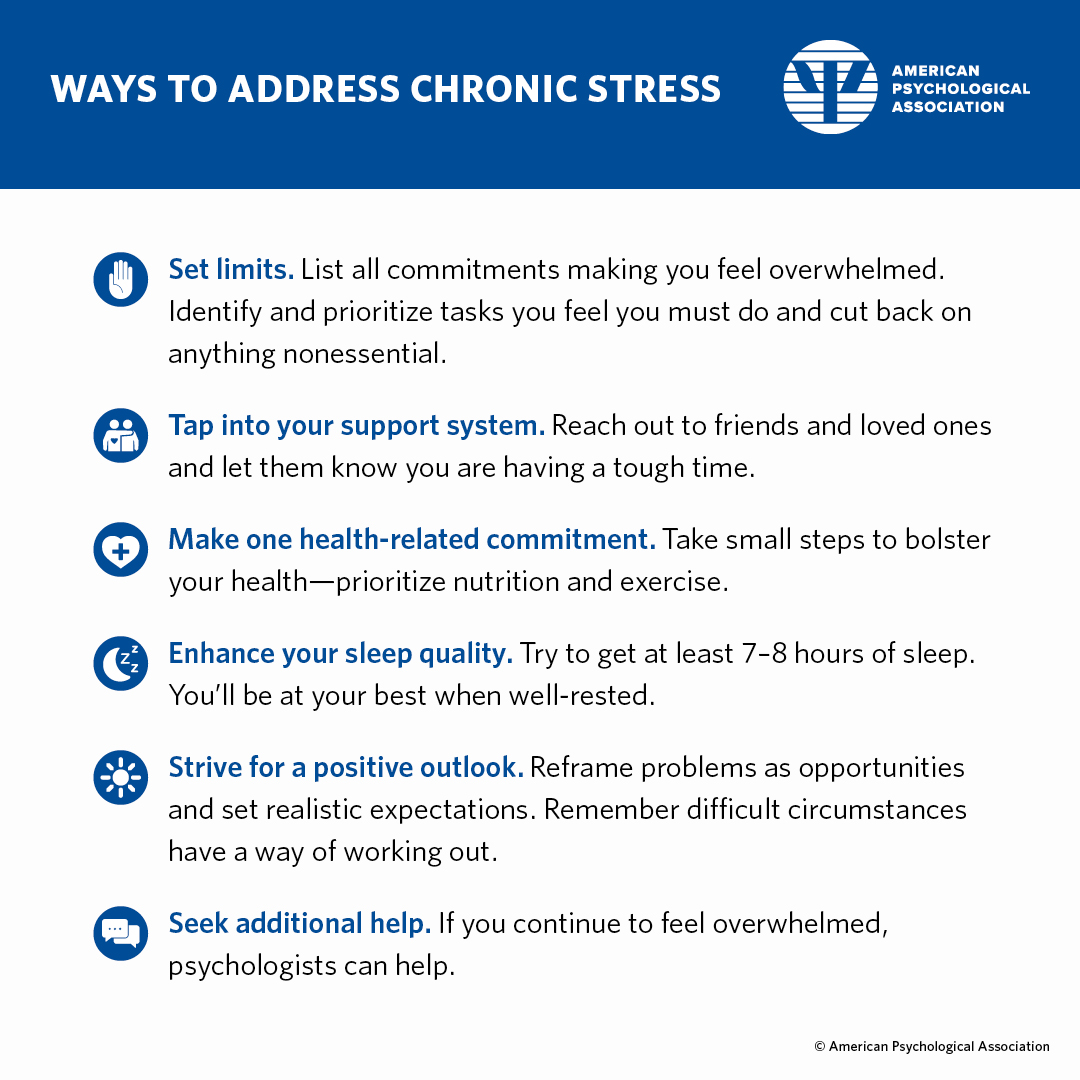
When #stress persists over a long period of time, it can cause a variety of problems, including insomnia, high blood pressure, and a weakened immune system. Here are small steps you can take to address chronic stress and protect your health.
Learn more: https://t.co/sewp22KHcM
Feeling stressed out? These evidence-based tools can help you manage stress levels and protect your mental and physical health: https://t.co/iuM2IpxWb6
#StressAwarenessMonth
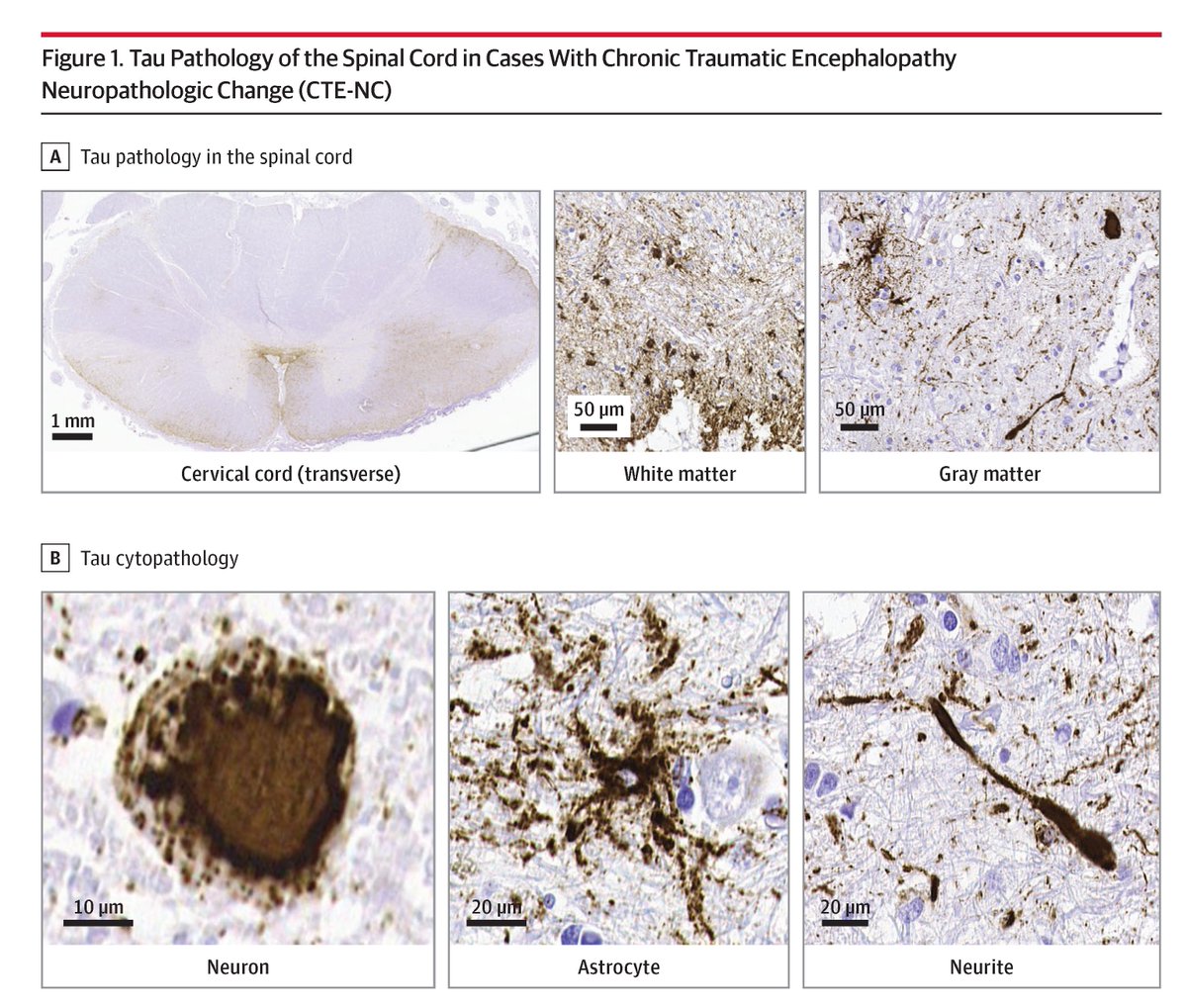
Autopsy findings in individuals with chronic traumatic encephalopathy (#CTE) show frequent spinal tau and protein pathologies after repetitive head impacts, indicating spinal involvement in neurodegeneration.
https://t.co/jSV0ZnBi6e
1.4 billion people live with #hypertension, also known as high blood pressure.
Every hour, over 1000 lives are lost to strokes and heart attacks from high blood pressure, and most of these deaths are preventable.
Hypertension is the number one risk factor for:
‼️ Heart attack
‼️ Stroke
and can lead to:
‼️ Chronic kidney disease
‼️ Dementia
Get your blood pressure checked today! https://t.co/Z1VMpoySTq
Your negative self-talk is literally harming your physical health.
Every time you berate yourself, your brain registers the criticism as a genuine threat. This instantly activates the stress response: cortisol and adrenaline surge, heart rate jumps, blood pressure spikes, and inflammation begins to climb.
When this happens repeatedly, the effects compound. Chronic activation of the stress system disrupts sleep, suppresses immunity, drives systemic inflammation, and places relentless strain on the cardiovascular system. Research links frequent negative self-talk to higher rates of hypertension, heart palpitations, and elevated long-term risk of heart disease.
At the same time, the brain itself rewires: emotional circuits become hypersensitive, anxiety and depression take root, and rumination keeps the body locked in a near-constant state of fight-or-flight. This creates a vicious cycle of exhaustion called allostatic load—the cumulative “wear and tear” that ages the body prematurely.
In other words, the voice in your head doesn’t stay in your head. It reshapes your physiology.
Learning to replace harsh self-criticism with kinder, more realistic inner dialogue isn’t just good for your mood—it can lower inflammation, protect your heart, strengthen your immune system, and quite literally add healthier years to your life.
[Brosschot, J. F., Gerin, W., & Thayer, J. F. (2006). The perseverative cognition hypothesis: A review of worry, prolonged stress, and its impact on health. Journal of Psychosomatic Research]
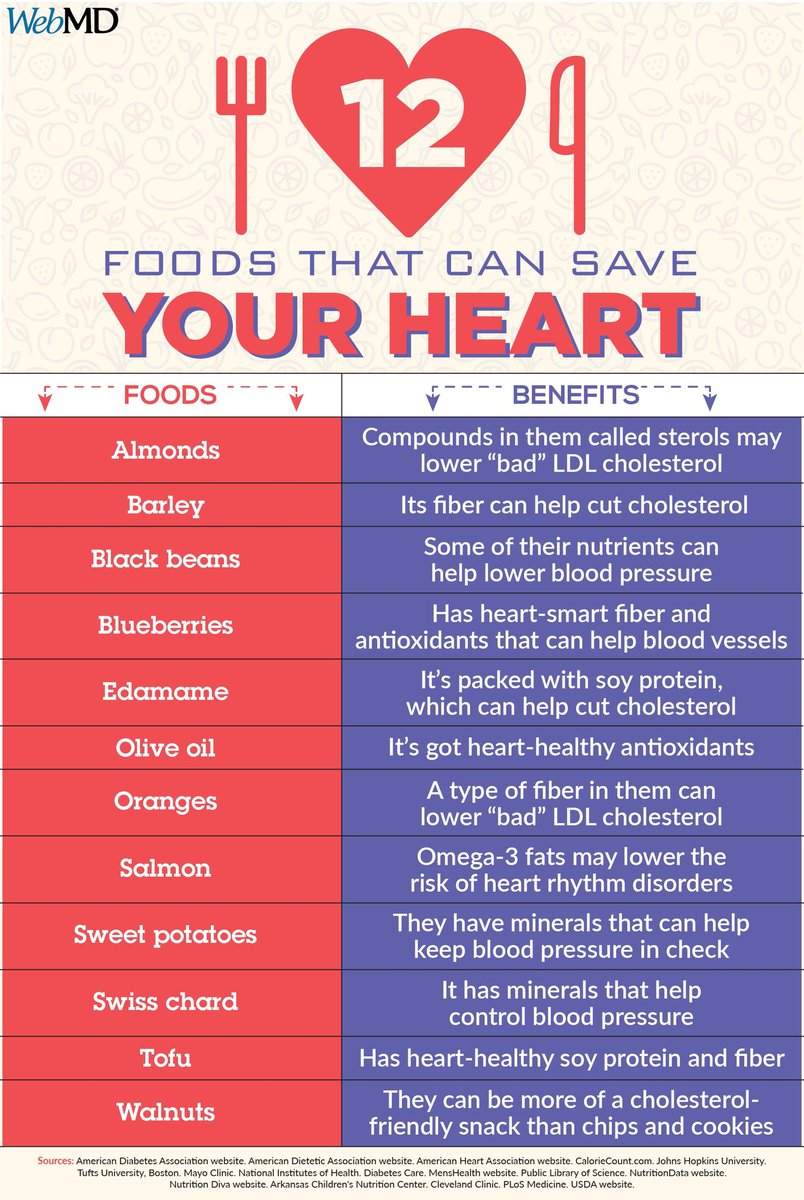
Blueberries are more than just delicious -- their anthocyanins may protect against cancer, heart disease, and dementia, and boost your immune system! https://t.co/zTjFH9F2ij
January is Mental Wellness Month, a time to nurture your mind because everything else flows from it.
Take time to focus on building habits that keep you feeling grounded, supported. Remember to take care of yourself. 🩵