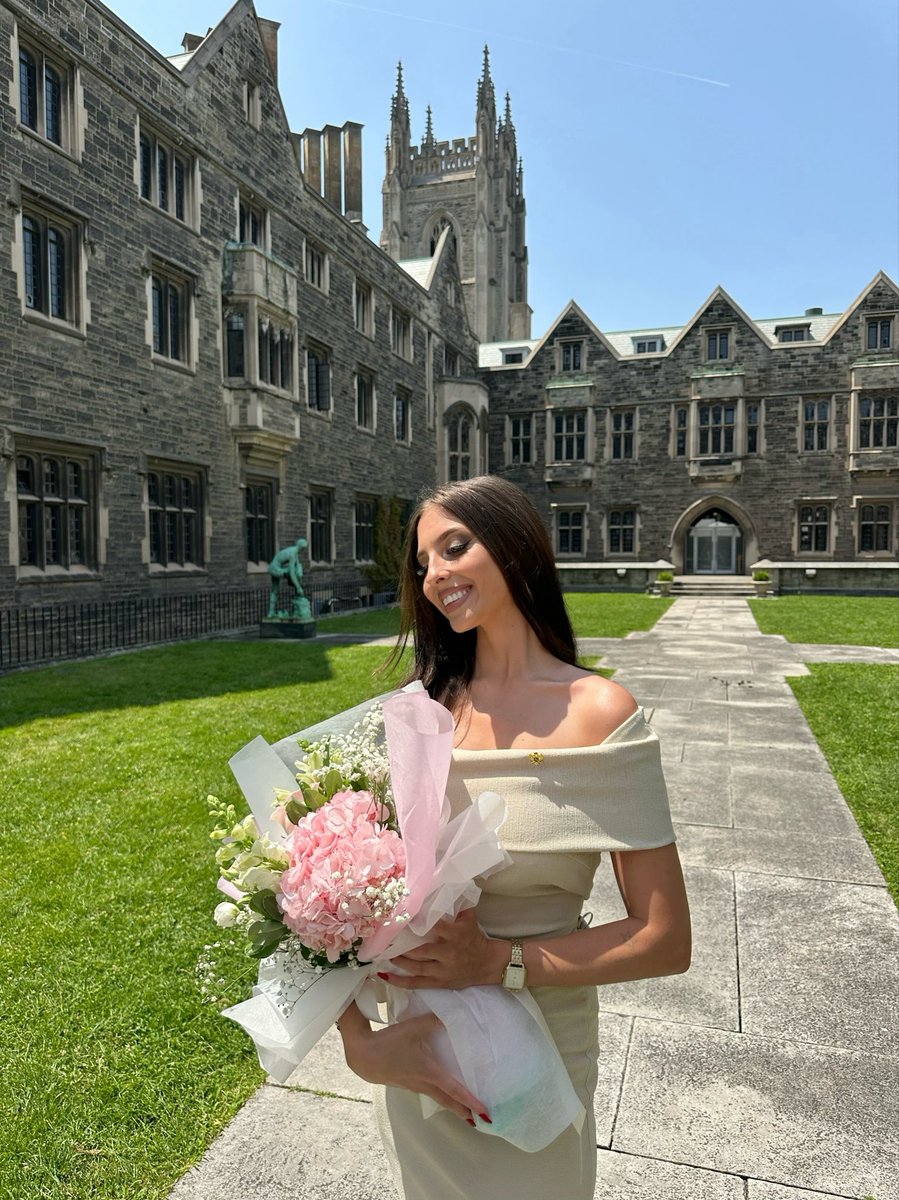
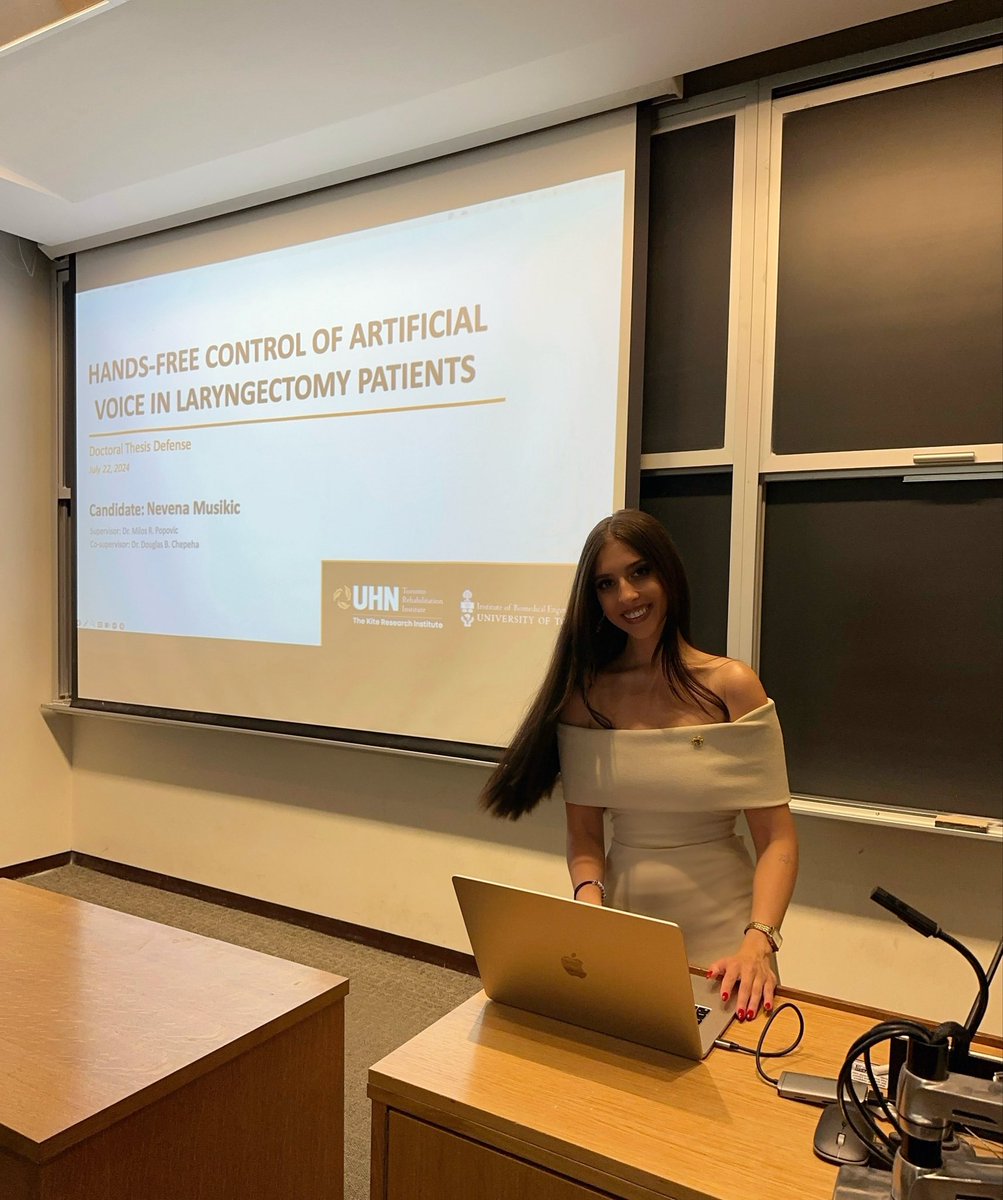
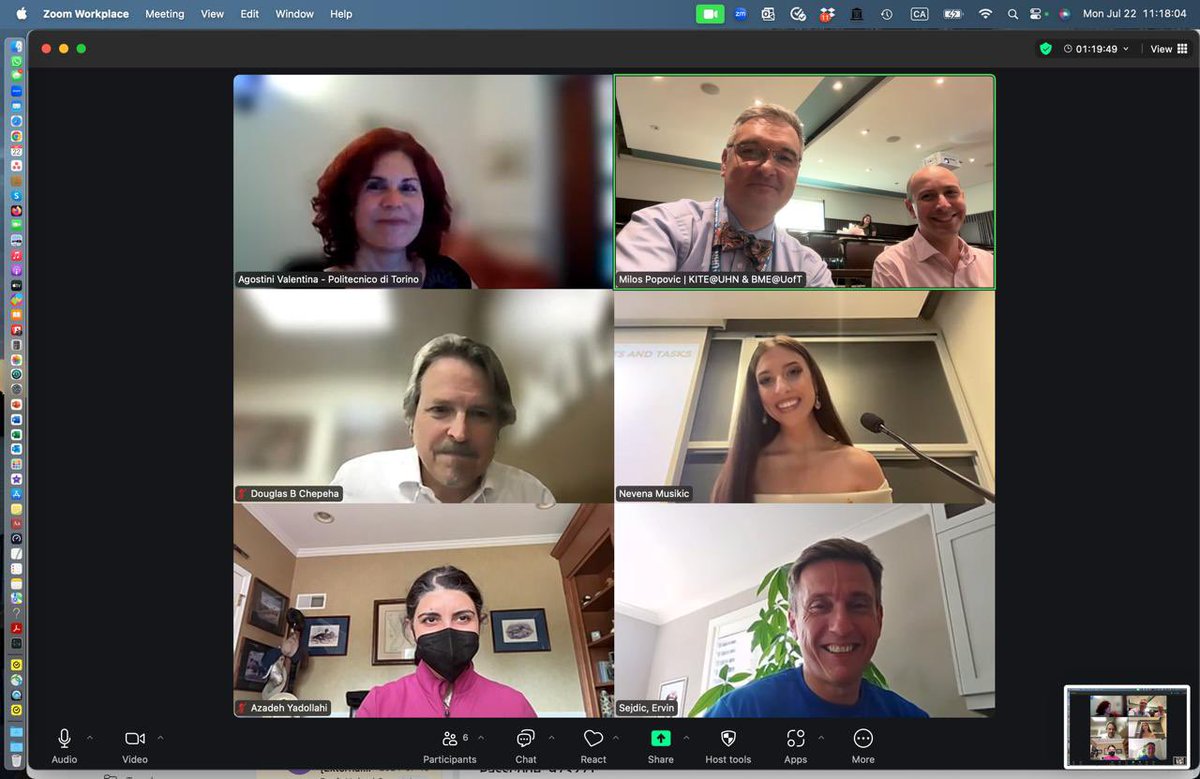
On July 22, I graduated from the University of Toronto with a PhD in Biomedical Engineering. I have designed and built a novel, optical in-ear device for tracking lower jaw motion for hands-free control of artificial voice in laryngectomy patients. (1/3)
We have a new opening for #PhD position in #AI for #Neuromodulation at the #Neuroengineering Lab (https://t.co/KjzEmvHaBT) in #Vienna, one of the world’s most liveable cities! 🧠🤖🇦🇹
🔗 Learn more & apply: https://t.co/dYY1aSdhAT ⏳Applications will be reviewed on a rolling basis
We're excited to announce the Brain-to-Text '25 competition, with a new intracortical speech neuroscience dataset and $9,000 in prizes generously provided by @BlackrockNeuro_!. Can you do better than us at decoding speech-related neural activity into text?
https://t.co/MKz7WuHjTh
This is a digital voice-box for a man with paralysis. It translates his intention to speak into sounds with the timing latencies of able-bodied people. @Maitreyee_W made this incredible work happen and has set a new benchmark for the field.
New preprint! We continue our exploration of paralinguistic features in the human brain with “Encoding of speech modes and loudness in ventral precentral gyrus” led by PhD student Aparna Srinivasan
🧵1/5
Congratulations to our Human Neural Circuitry team; https://t.co/aGD7OacNs8 publishes today in Science! This was the hardest challenge of my career, but one of the most rewarding, after years of rebuilding– & for myself, expanding my inpatient neuropsychiatry work to the service of basic discovery:
https://t.co/4czK1YK2YV
I’m grateful for the opportunity to work with the amazing lead authors Isaac Kauvar @ikauvar, Ethan Richman, and Tony Liu @liutony66, and with equally brilliant faculty colleagues in our HNC program: Carolyn Rodriguez @CRodriguezMDPhD, Paul Nuyujukian, and Vivek Buch @VivekBuchMD, along with many other key collaborators spanning hospital and laboratory. https://t.co/qohlvNuQYF
💡#PublicationsAlert
🗣️Have you ever heard of a #laryngectomy? It is a surgical treatment for laryngeal cancer - one that removes the larynx (voice box) to save lives. However, it comes with a profound consequence: it takes away the patient's natural voice. Imagine waking up one day unable to speak as you always have. No effortless conversations. No spontaneous laughter in a crowd. How would you communicate?
💡Paper 2: In-Ear System for Monitoring Lower Jaw Motion: A Novel Approach to Speech Intention Detection in Laryngectomy Patients - Published in IEEE Transactions on Biomedical Engineering
- A good #rehabilitation or #assistive device must go beyond functionality - it needs to be #practical, #intuitive, and #socially #acceptable for daily use. While surface EMG electrodes offer reliable signal acquisition in controlled environments, their usability in real-world settings remains limited. Recognizing these challenges, we explored an alternative approach. We developed a #novel device that detects tiny deformations in the outer ear canal caused by lower jaw motion—a subtle, natural movement that occurs when we speak. And the best part? The device looks just like a regular pair of #headphones!
📄 Read more about our device design at:
https://t.co/Qh30rkmfL9
We have already conducted a larger follow-up study to confirm the effectiveness of this approach - stay tuned!
@MilosRPopovic , @KITE_UHN , @UofT, @bme_uoft
#SpeechRestoration #AI #MachineLearning #BiomedicalEngineering #Innovation #wearables
💡Paper 1: Surface Electromyography-Based Speech Detection Amid False Triggers for Artificial Voice Systems in Laryngectomy Patients - Published in IEEE Transactions on Medical Robotics and Bionics
- We introduced a novel muscle target - #mentalis#muscle - as a potential biomarker for #speech intention. Unlike previous approaches, this muscle remains intact post-surgery, making it a promising alternative. We then used #machine #learning models to accurately distinguish speech intention from other orofacial activities (chewing, yawning, etc.).
📄 Full paper: https://t.co/Q3zlcFfHcG
New brain-computer interface preprint led by PhD student Tyler Singer-Clark!
This video of a man with paralysis accurately controlling a cursor looks like something you've seen since ~2017. BUT! This is driven by multielectrode arrays in ventral (speech) motor cortex‼️ 1/
@SergeyStavisky @MilosRPopovic The patenting process is almost complete, and we anticipate being able to share all four papers very soon. :) Thank you very much, Dr. Stavisky!!
On July 22, I graduated from the University of Toronto with a PhD in Biomedical Engineering. I have designed and built a novel, optical in-ear device for tracking lower jaw motion for hands-free control of artificial voice in laryngectomy patients. (1/3)
Last, but not least, I would like to thank my supervisor Dr. @MilosRPopovic for this (life changing!) opportunity, endless support, and fatherly love. Being a student of your has been a great honour.