You don’t need a brain to benefit from a good night of sleep. Despite lacking a central nervous system, jellyfish and sea anemones have sleep patterns remarkably similar to those of humans, researchers report.
Learn more: https://t.co/MQDb3e5SbC
In a recent interview, @ScienceCareers spoke with biophysicist Aaron Mertz and immunologist @DrShrutiNaik about their new documentary The Endless Frontier, a film that follows three U.S. researchers at different stages of their careers as they attempt to navigate an increasingly uncertain funding landscape and mentor the next generation. https://t.co/JgBFJBXKQd
Wolves have made a spectacular comeback in Europe. But attacks on livestock and humans have caused a heated debate about the limits of coexistence. #LongReads https://t.co/79srFMHa6h
Do animals perceive time differently from humans?
Science chats with @ishan276—a researcher whose team is using “timescapes” to understand how nonhumans experience the world. https://t.co/VTsEFJP8KW
When Peter Stafford was evacuated to Berlin in late May after the U.S. physician contracted Ebola in the DRC, it was an effort to save his life with equipment and treatments not available in the outbreak region.
But for researchers in Germany, it also presented an opportunity: to learn more about Bundibugyo, the virus causing what is already the third largest Ebola outbreak ever.
Learn more: https://t.co/9Hl1dG0SAY
Before the end of the month, a robotic spacecraft will take off on an unprecedented rescue mission. Its target: NASA’s Neil Gehrels Swift Observatory, a 22-year-old space telescope that could plunge into Earth’s atmosphere before year’s end.
No one has ever attempted to robotically grab and boost the orbit of a scientific satellite, aside from a few demonstration missions.
But astronomers say Swift, which detects bursts of gamma rays, x-rays, and ultraviolet light from exploding stars and other objects, is too valuable to lose.
Learn more: https://t.co/zXaFWVKRP2
One of France’s most famous science communicators has been stripped of his doctor’s title after a 20-month university investigation found evidence that he plagiarized in his Ph.D. thesis. https://t.co/hd6GPviFtS
Mexico’s government has tasked a group of scientists with assessing new technologies for “sustainable” oil and gas drilling—but many experts say it’s a fantasy. https://t.co/1KfoL9E6Hy
In July 2019, a remotely operated vehicle filmed an unusual creature 2 kilometers below the waves near Jarvis Island in the central Pacific Ocean.
Three meters long with pink and gray skin, jaws that can snap outward in a flash, and a comically elongated snout, the animal leisurely glid along the sea floor. Five years later, researchers spotted the same species near Tonga.
Both were goblin sharks, an odd and poorly understood animal that had never been filmed in its deep-sea home.
Learn more: https://t.co/Z0NLw15Ebm
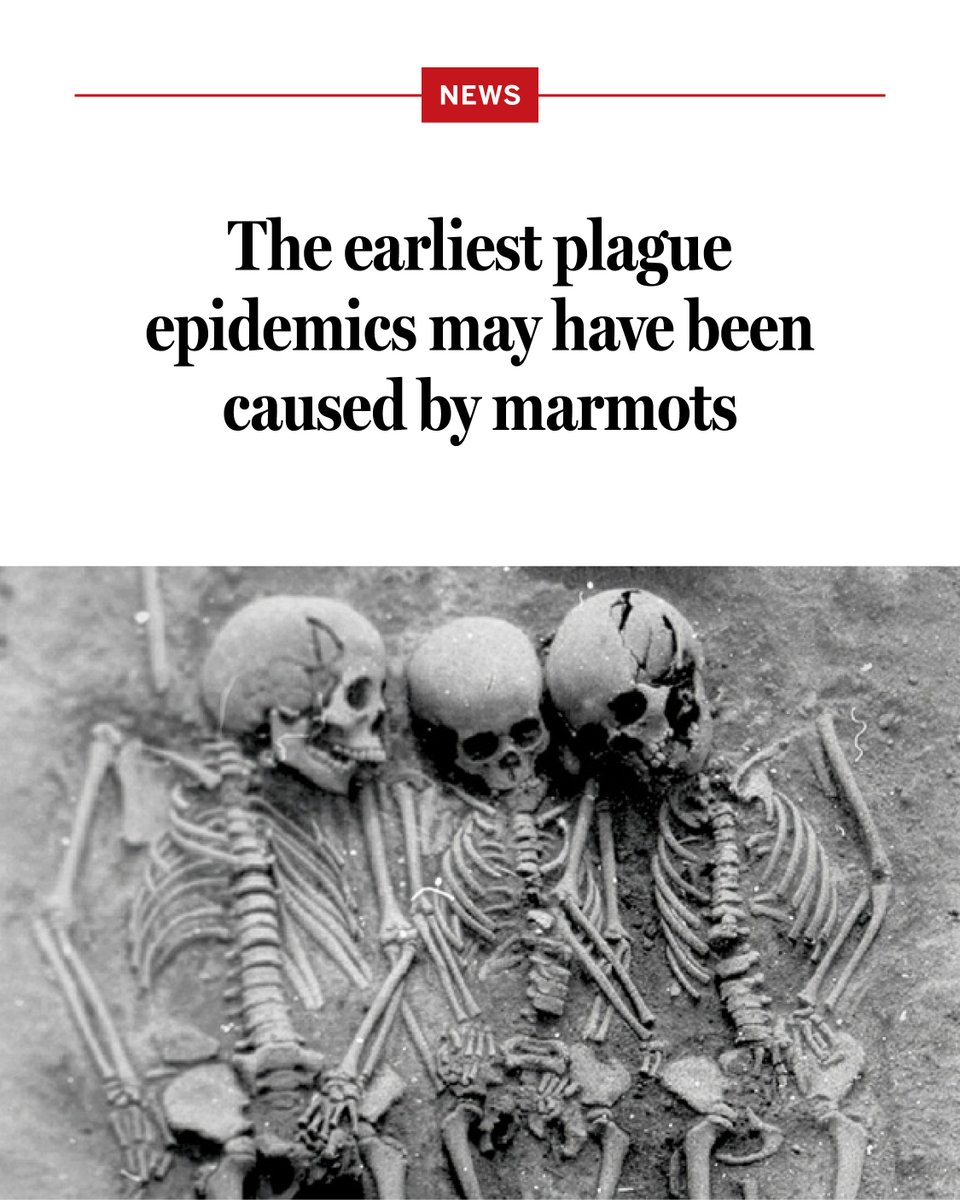
People who lived 5500 years ago on the shores of Siberia’s Lake Baikal survived by hunting deer and game and catching fish. At times, marmots were on the menu, too—a decision with deadly consequences.
A new study suggests these hunter-gatherers contracted Yersinia pestis, the highly infectious bacterium responsible for plague, from contact with these large, ground-dwelling rodents.
Learn more: https://t.co/1DHTRrN6qD
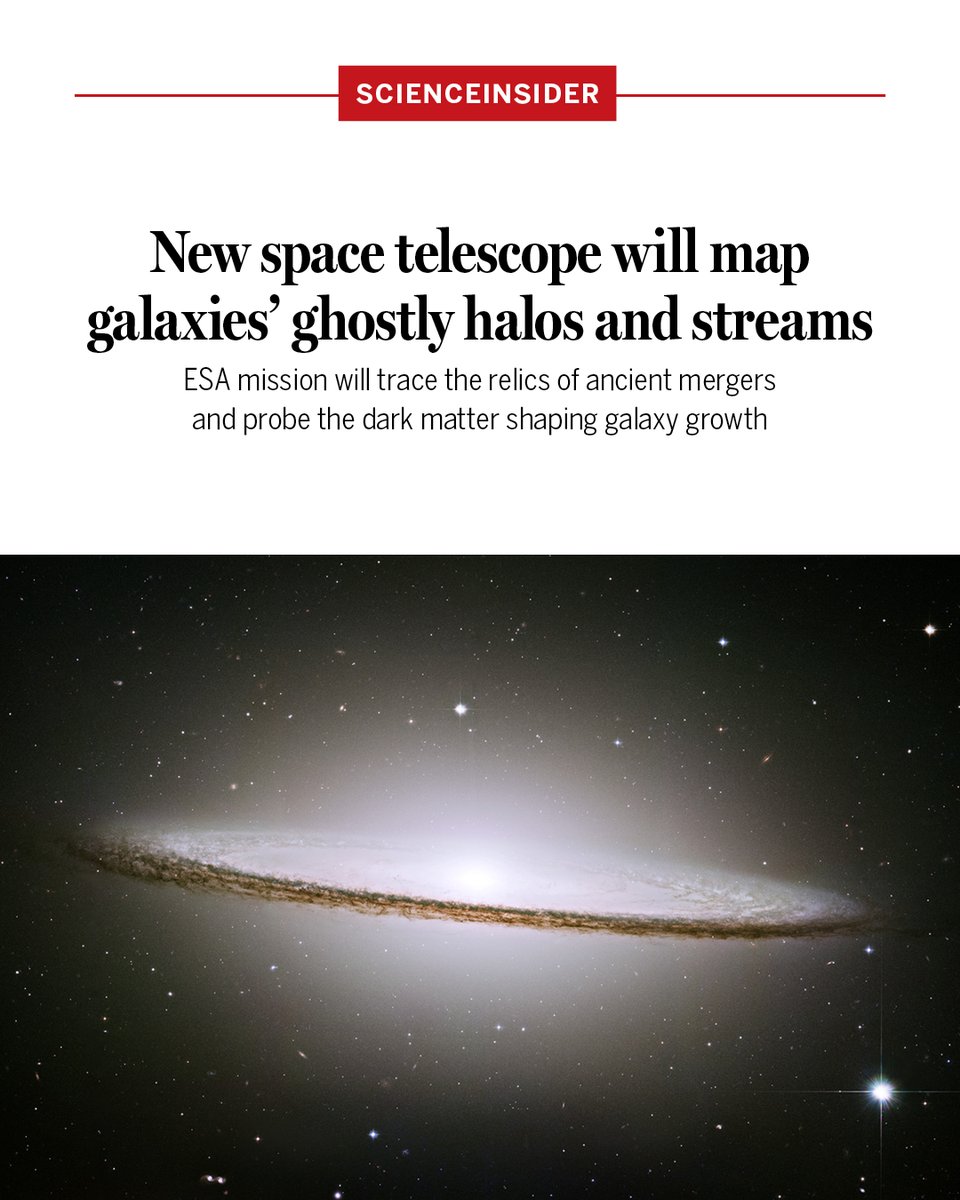
The European Space Agency has approved a new space telescope to study the dim halos and wispy streams of stars that surround galaxies, mapping these faint structures to test models of galaxy formation.
Learn more: https://t.co/jSjNQQ5bJ5
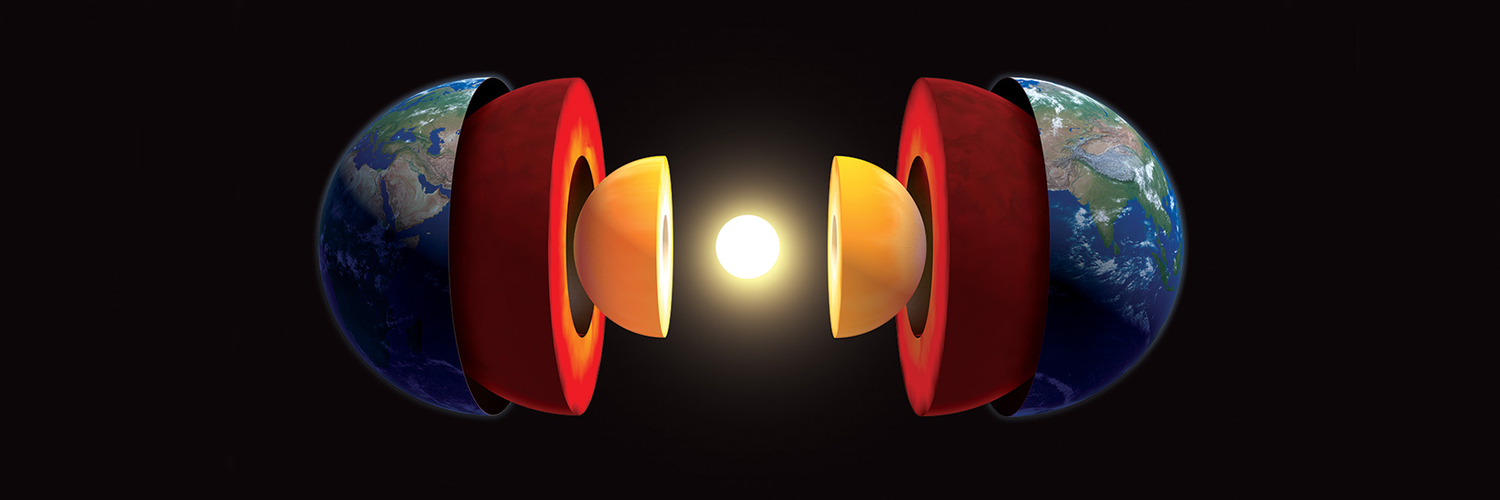
A massive drilling project in Russia is attempting to prove a contentious Soviet-era hypothesis: that oil can form in Earth’s depths without any organic matter. https://t.co/pVmwGUSob9
After decades of warnings, new data suggest the Atlantic’s vital circulation may withstand climate warming better than feared. #LongReads https://t.co/Vd6sfanZVH
Understanding how the first patient became infected may shed new light on the Andes virus’ transmission patterns and incubation period. https://t.co/RCV86gndS8
A new study finds that in 2025, the numbers of Black and Hispanic researchers receiving U.S. National Institutes of Health grants and fellowships dropped markedly compared with previous fiscal years. https://t.co/V7Ojy2NF3l
After President Donald Trump issued an executive order converting thousands of job titles at federal agencies from protected civil service status to employees who serve at the White House’s pleasure, science policy wonks are still trying to make sense of it. https://t.co/Oa30lpoNCW