Our Behind the Paper is out:
IBS drugs are often used for years, but long term safety is rarely the focus.
We found some reassuring signals and some surprises, including concerns around antidepressants.
https://t.co/amjrcsP60W
Until now, physicians using AI in clinic had to assemble the patient’s context themselves. Allergies, comorbidities, medications, prior procedures, copy-pasted in from the chart.
Today we’re announcing a partnership with @CedarsSinai. OpenEvidence now works directly inside Epic, drawing on the patient’s full record and interpreting the medical literature through the lens of that specific patient.
Cedars-Sinai is the first academic health system to deploy patient-aware clinical intelligence at enterprise scale. The clinician asks a complex question in natural language. The answer reflects both the best available evidence and the patient in front of them.
Patient data is never stored after the clinical session or used for any other purpose.
Pancreatic cancer mRNA vaccine shows lasting results in an early trial. Scientists caution that more research is needed, but nearly all of the patients who responded to the personalized vaccine are still alive six years later.
https://t.co/13GBL8ujOV
IBS patients are diagnosed young and stay on medications for years. But we know very little about their long-term safety. Our study assessed this gap: https://t.co/VFPwvmjfC8
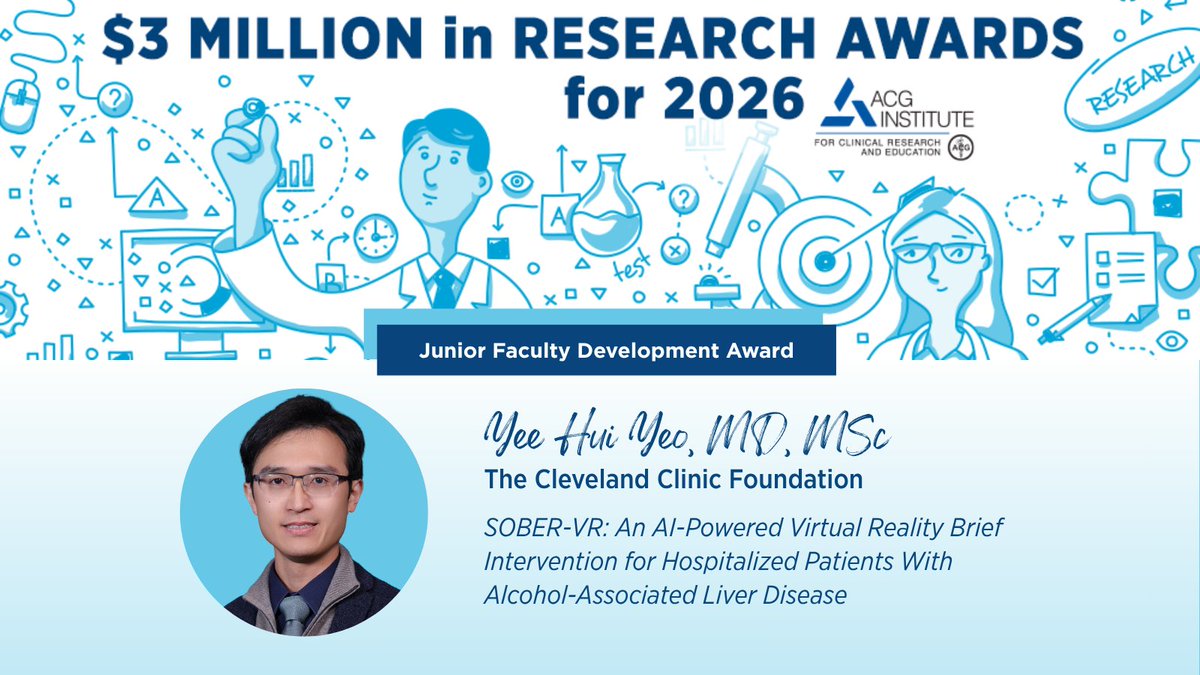
@NeenaSAbrahamMD@dunleavy_katie@cjketc2@SheilaRustgiMD Junior Faculty Development Award:
Yee Hui Yeo, MD, MSc | @YeeHuiYeo1
The Cleveland Clinic Foundation
SOBER-VR: An AI-Powered Virtual Reality Brief Intervention for Hospitalized Patients With Alcohol-Associated Liver Disease
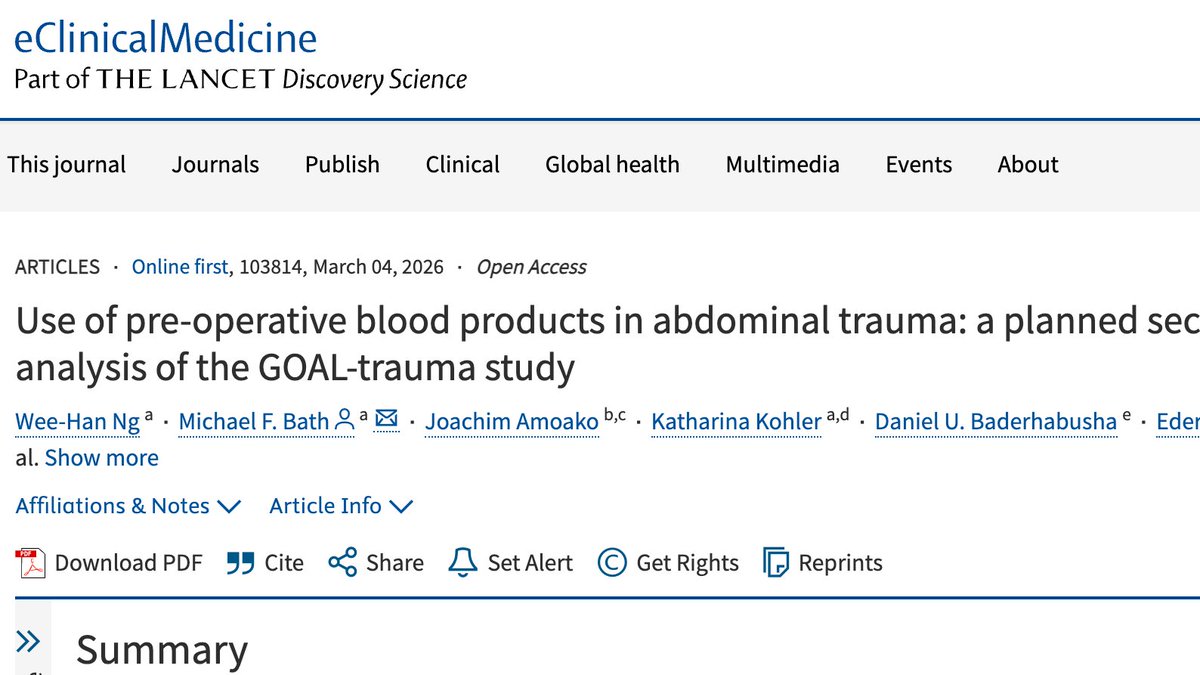
🚨New publication alert🚨
📖 Our latest @GOALTrauma study has just been published in Lancet @eClinicalMed
🩸We explore current blood transfusion strategies globally and highlight some potential determinants of patient outcomes
https://t.co/CVUN1hZXai
A 🧵...
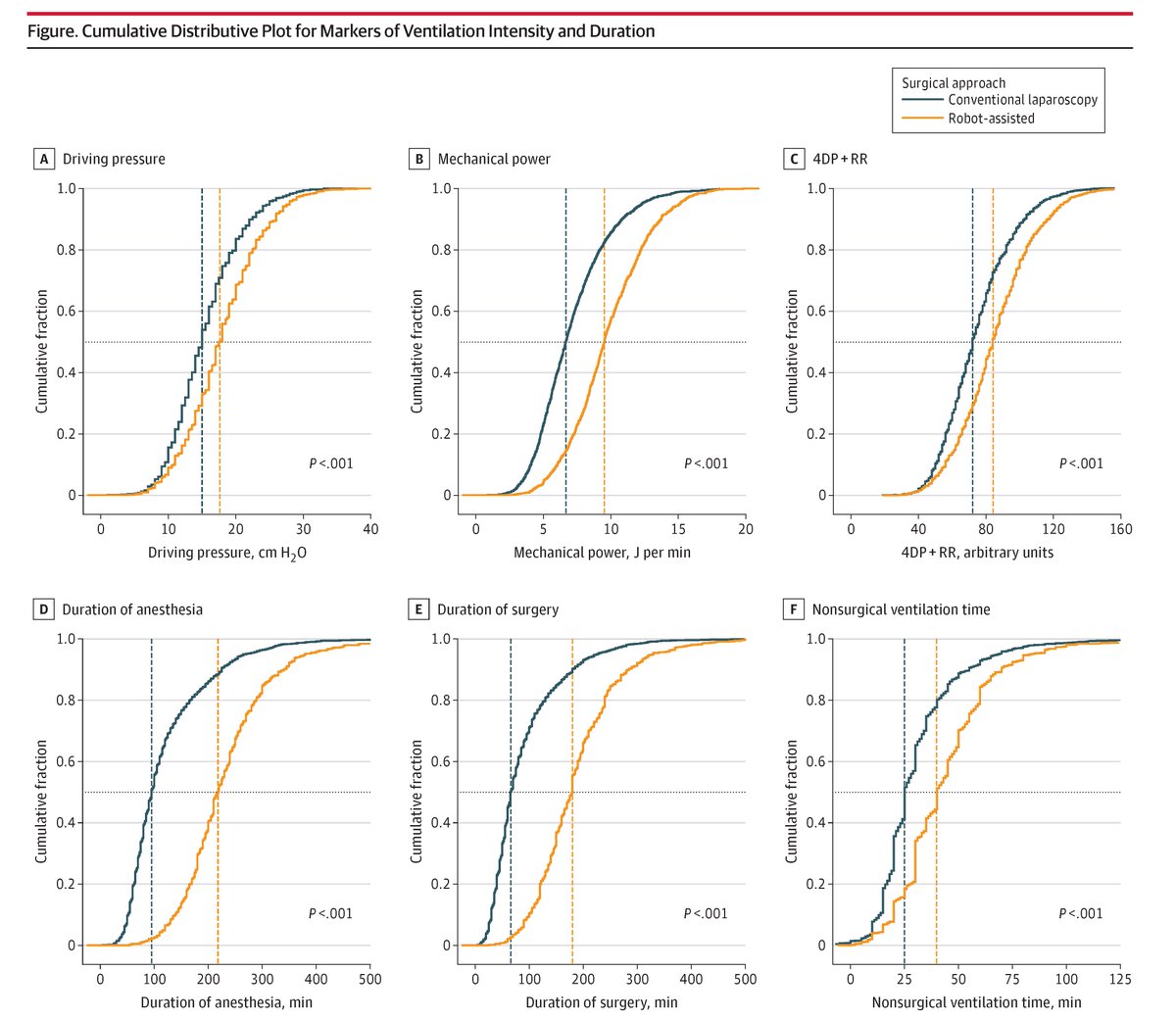
Patients who received robot-assisted surgery vs conventional laparoscopic surgery had a higher incidence of postoperative pulmonary complications and received longer and more intense mechanical ventilation.
https://t.co/dPqE8zqWHa
🚨 Call for Abstracts🚨
🌍Join the 33rd Annual Cedars-Sinai International Endoscopy Symposium
📅 January 28–31, 2026 | Los Angeles, CA
💡 Present your research and shape the future of endoscopy.
✨ Trainees get FREE registration with abstract submission!
🏆 Best trainee poster presentation wins a travel & accommodation grant!
🔗 Submit your abstract now: https://t.co/oCyD1ncrfT
🎥 Symposium promotional video: https://t.co/PktMQF6aAO
🕒 Deadline: December 15, 2025
#GITwitter #MedTwitter #Endoscopy #AdvancedEndoscopy #InterventionalGI #Innovation #AI #Robotics #EndoRobotics
UKIOG are proud to publish our Research Priorities exercise for OG cancer. Over 800 patients & experts had their say as to the topics we need to focus on. Some are expected but many are research deserts at the moment. Please take a second to take a look
https://t.co/rhjBW7QNQG
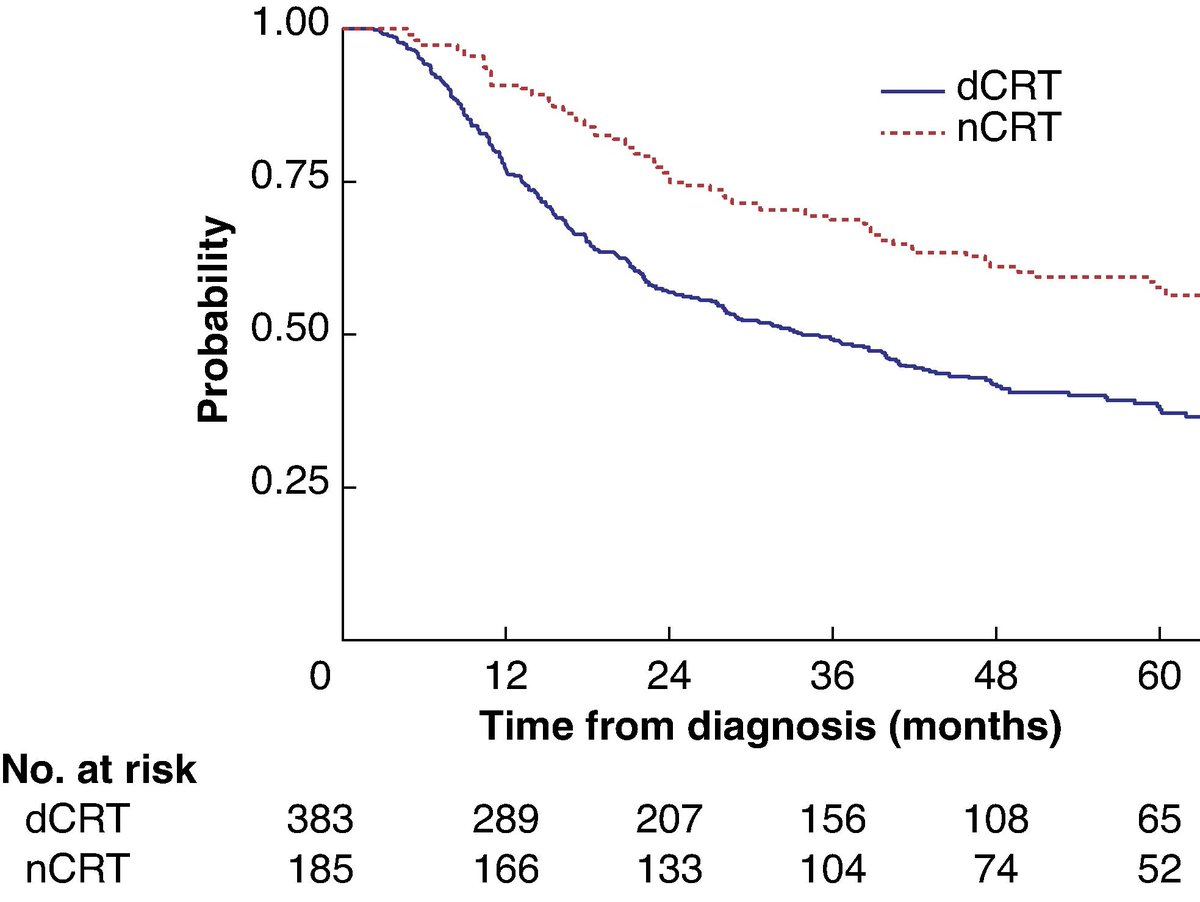
Tolerability, toxicity, and outcomes following surgical and non-surgical approaches to the management of patients with locally advanced oesophageal squamous cell carcinoma: multicentre retrospective cohort study
➡️https://t.co/0Pb6vGM4CK
This multicentre cohort study analysed survival outcomes of patients managed with curative intent for oesophageal squamous cell carcinoma. Patients undergoing neoadjuvant chemoradiotherapy and surgery had improved survival compared with patients receiving definitive chemoradiotherapy or neoadjuvant chemotherapy + surgery. In the absence of robust Western randomized clinical trial data, neoadjuvant chemoradiotherapy + surgery should be considered the standard for well selected, fit patients.
👏👏👏The RadioRoux Collaborative @roux_group
A. Cockbain, Imperial College Healthcare Trust, London, UK; Aaron Kisiel, Queen Elizabeth Hospital, Birmingham, UK; Aisha Anwer, Heart of England Hospital Trust, Birmingham, UK; Ajay Mehta, Leeds University Hospitals, Leeds, UK; Alex Boddy, University Hospitals Leicester, Leicester, UK; Amy Irwin, Queen Elizabeth Hospital, Birmingham, UK, Annabel Lyles, Leeds University Hospitals, Leeds, UK; Ashley Poon-King, Morriston Hospital, Morriston, UK; Ashwin Krishnamoorthy, University Hospital of Coventry and Warwick, Coventry, UK; Atia Khan, Bradford Royal Infirmary, Bradford, UK; Ben Grace, University Hospital of Southampton, Southampton, UK; Betsan Thomas, University Hospital of Wales, Cardiff, UK; C. Jones, Leeds University Hospitals, Leeds, UK and Cambridge University Hospitals, Cambridge, UK; Charles Rayner, Royal Surrey Hospital, Guildford, UK; Claire Livings, Guy's and St Thomas' Hospital Trust, London, UK; Craig Barrington, University Hospital of Southampton, Southampton, UK; Daniel Otter, Leeds University Hospitals, Leeds, UK; Daniel Newport, University Hospital of Coventry and Warwick, Coventry, UK; David Fackrell, Queen Elizabeth Hospital Birmingham, Birmingham, UK; Devesh Kaushal, University Hospital of Coventry and Warwick, Coventry, UK; David McIntosh, Glasgow Royal Infirmary, Glasgow, UK; @EwenGriffiths , Queen Elizabeth Hospital Birmingham, Birmingham, UK; Ellhia Sudin, University Hospitals Nottingham, Nottingham, UK; Emma Upchurch, University Hospitals Bristol, Bristol, UK; Elena Theophilidou, University Hospitals Nottingham, Nottingham, UK; Fiona Crotty, St James Hospital, Leeds, UK; G. Radhakrishna, Manchester University NHS Trust, Manchester, UK; George Mori, Bradford Royal Infirmary, Bradford, UK; Geta Maharaj, Morriston Hospital, Morriston, UK; Gillian Miller, Glasgow Royal Infirmary, Glasgow, UK; Gwen Edwards, University Hospital of Wales, Cardiff, UK; Haider Abbas, University Hospitals Leicester, Leicester, UK; Harris Siddique, Heart of England Hospital Trust, Birmingham, UK; Helen Lada, Imperial College Healthcare Trust, London, UK; Iain Wilson, Portsmouth University Hospitals, Portsmouth, UK; Ioannis Sarantitis, Royal Preston Hospital, Preston, UK; J. Bundred, Leeds University Hospitals, Leeds, UK; J. Gossage, Guy's and St Thomas' Hospital, London, UK; J. Sultan, Manchester University NHS Trust, Manchester, UK; J.A. Elliott, Beaumont Hospital, Bolton, UK and St James Hospital, Leeds, UK; Jane Dunn, Royal Sussex County Hospital, Brighton and Hove, UK; John Reynolds, St James Hospital, Leeds, UK; Jonathan Helbrow, University Hospitals Bristol, Bristol, UK; Jonathan Lessing, Leeds University Hospitals, Leeds, UK; Joy Murphy, Royal Sussex County Hospital, Brighton and Hove, UK; Judith Sayers, Leeds University Hospitals, Leeds, UK; Julie Walther, University Hospitals Bristol, Bristol, UK; Kaveetha Kandiah, University Hospitals Nottingham, Nottingham, UK; Katarina Chow, Guy's and St Thomas' Hospital Trust, London, UK; Kathryn Hogan, University Hospitals Bristol, Bristol, UK; Katie Roulston, University Hospital of Southampton, Southampton, UK; Khalid Akbari, University Hospital of Coventry and Warwick, Coventry, UK; Kish Pursnani, Royal Preston Hospital, Preston, UK; L. Brown, Edinburgh University, Edinburgh, UK; Lewis Gall, Glasgow Royal Infirmary, Glasgow, UK; Lewis Germain, Leeds University Hospitals, Leeds, UK; Liam Hyland, University Hospitals Nottingham, Nottingham, UK; Laura McGuinness, Imperial College Healthcare Trust, London, UK; Marie Kershaw, Heart of England Hospital Trust, Birmingham, UK; Mashal Ahmed, Heart of England Hospital Trust, Birmingham, UK; Matthaios Kapiris, Guy's and St Thomas' Hospital Trust, London, UK; Matthew Doe, University Hospitals Bristol, Bristol, UK; Mayar Aswad, University Hospitals Leicester, Leicester, UK; Mohammed Hamid, Heart of England Hospital Trust, Birmingham, UK; Mohammed Hoque, Heart of England Hospital Trust, Birmingham, UK; Mohan Hingorani, Hull Royal Infirmary, Hull, UK; Michael Glaysher, Portsmouth University Hospitals, Portsmouth, UK; Michael Hughes, Leeds University Hospitals, Leeds, UK; Nakul Viswanath, University Hospitals of Derby and Burton, Derby, UK; N. Blencowe, Leeds University Hospitals, Leeds, UK and University Hospitals Bristol, Bristol, UK; N.W. Han, Cambridge University Hospitals, Cambridge, UK; Nathalie Webber, University Hospitals Bristol, Bristol, UK; Nicholas Penney, Royal Surrey Hospital, Guildford, UK; Nicholas Maynard, Oxford University Hospitals, Oxford, UK; Nicholas Gomez, University Hospital of Wales, Cardiff, UK; Nila Tewari, University Hospital of Coventry and Warwick, Coventry, UK; Nitya Matcha, Guy's and St Thomas' Hospital Trust, London, UK; Nia Jackson, Morriston Hospital, Morriston, UK; Paul Williams, Leeds University Hospitals, Leeds, UK; P. Charlton, Oxford University Hospitals, Oxford, UK; P. Coe, Leeds University Hospital, Leeds, UK; P. Pucher, Guy's and St Thomas' Hospital Trust, London, UK and Portsmouth University Hospitals, Portsmouth, UK; P. Singh, Royal Surrey Hospital, Guildford, UK; Poppy Jones, Bradford Royal Infirmary, Bradford, UK; R. Samuel, Hull Royal Infirmary, Hull, UK; R. Goody, Imperial College Healthcare Trust, London, UK; R. Owen, Oxford University Hospitals, Oxford, UK; Raj Nijjar, Heart of England Hospital Trust, Birmingham, UK; Rania Mohammed, University Hospitals of Derby and Burton, Derby, UK; Reem Mahmood, Bradford Royal Infirmary, Bradford, UK; R.P.T. Evans, Queen Elizabeth Hospital Birmingham, Birmingham, UK; Rob Walker, University Hospital of Southampton, Southampton, UK; @MarkarSheraz , Imperial College Healthcare Trust, London, UK and Oxford University Hospitals, Oxford, UK; Said Alyacoubi, University Hospital of Southampton, Southampton, UK; Saleem Noormohamed, Heart of England Hospital Trust, Birmingham, UK; Sara Walker, Glasgow Royal Infirmary, Glasgow, UK; Sarah Gwynne, Morriston Hospital, Morriston, UK; Shameen Jaunoo, Royal Sussex County Hospital, Brighton and Hove, UK; Shiv Uppal, University Hospitals Leicester, Leicester, UK; Sinthuri Raveendran, Heart of England Hospital Trust, Birmingham, UK; Siobhan Chien, Glasgow Royal Infirmary, Glasgow, UK; Siona Growcott, University Hospitals Bristol, Bristol, UK; @Sivesh93, Queen Elizabeth Hospital, Birmingham, Birmingham, UK; Sufyan Azam, Heart of England Hospital Trust, Birmingham, UK; Swetha Prathap, University Hospital of Wales, Cardiff, UK; T. Crosby, University Hospital of Wales, Cardiff, UK; T.J. Underwood, University Hospital Southampton, Southampton, UK; Tasia Aghadiuno, University Hospital of Southampton, Southampton, UK; Terence Lo, Hull Royal Infirmary, Hull, UK; Waleed Al-Khyatt, University Hospitals of Derby and Burton, Derby, UK; William Knight, Guy's and St Thomas' Hospital Trust, London, UK; Y.M. Goh, Oxford University Hospitals, Oxford, UK; Zubair Khanzada, University Hospitals of Derby and Burton, Derby, UK.
#SoMe4Surgery #MedTwitter #SurgEd #Surgery @BJSAcademy@BJSurgery@young_bjs @OUPMedicine #some4UGI #uppergi #esophagealcancer #gastriccancer #reflux @ISDE_net@Augishealth@T4UGIS #ESDE @young_esde
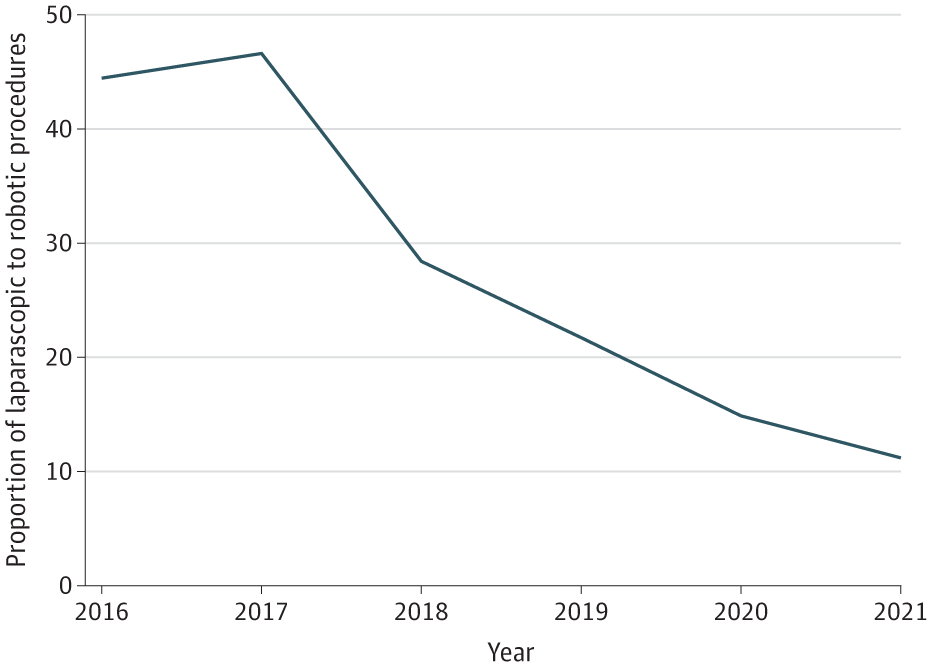
In acute care surgery, robotic-assisted cholecystectomy and laparoscopic cholecystectomy had comparable rates of bile duct injury but differences in secondary outcomes.
https://t.co/IDHyzsph9s @NWoldehana@AlisaMae@elliotthaut
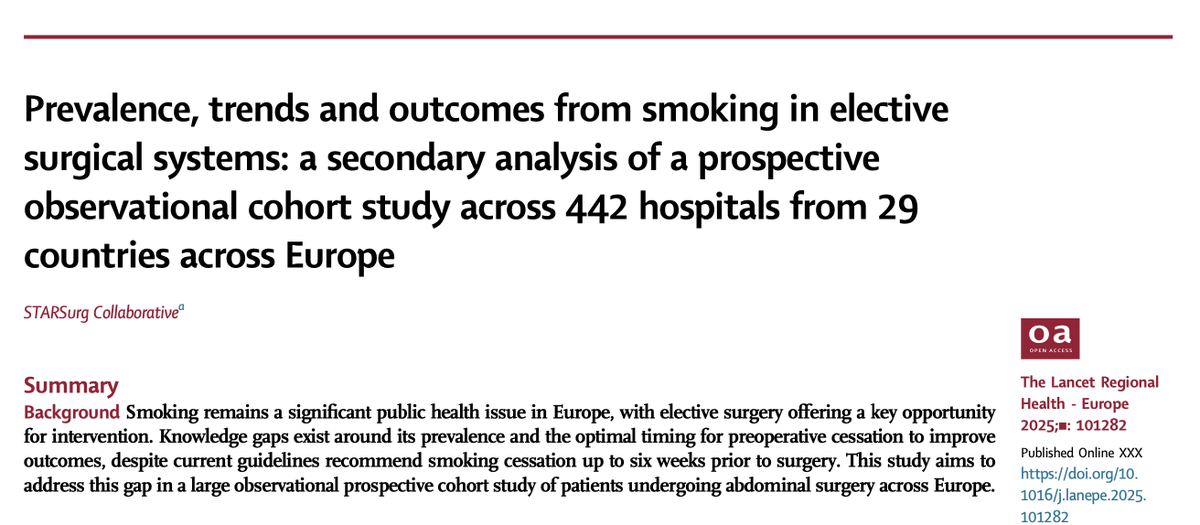
We’re pleased to share a secondary analysis from #CASCADE on the impact of smoking on elective surgery outcomes in @LancetRH_Europe
This analysis included over 16,000 patients undergoing elective abdominal surgery in Europe 🏥
🧵
1/
@jasonryanmd Hi Dr Ryan, MS3 from the UK here. Currently using it to study for the STEP exams. Its been a lifesaver. To be frank, BnB has almost no relevance to the UK med curriculum as the UK doesnt go as in depth as the US. (Its basically
overkill to study using BnB)
We’re pleased to share our first @STARSurgUK Newsletter of 2025!
In this issue:
1️⃣ CLARITY Update
2️⃣ CASCADE Paper
3️⃣ APOLLO Update
4️⃣ INCEPT & GRANULE News
🔗: https://t.co/zbwTDyIz0d
1/
Excited to share the latest @EuroSurg@STARSurgUK#CASCADE publication in @BJSurgery
Extended pharmacological thromboprophylaxis and clinically relevant venous thromboembolism after major abdominal and pelvic surgery
https://t.co/JwAmvFkxv5