Agronomist working with epigenetics and biotechnological tools for crop protection and abiotic stress tolerance in plants of medical and agronomic importance.
Our paper on self-DNA as a yield-enhancing immunostimulant for common bean is finally published-.. opem acess, so everybody who is interested can read it.
https://t.co/fYS90qwROs
A week ago, my team and I reached a milestone that means a great deal to me: 100 scientific publications and I'm celebrating with a 3 leches cake! 💯🌱
There is something beautifully fitting about this moment. My first paper, published in a Cuban journal in 2012, explored natural pesticides. Fourteen years later, our 100th publication also focused on the search for sustainable alternatives to manage insect pests. In many ways, the questions that started this journey are still guiding us today.
Since then, publications 101 and 102 have already been accepted, because science never really stops! More than 80 of these papers have given me the privilege of contributing as first or senior author, and over 70% were published in journals led by scientific societies. Along the way, there have also been five book chapters and one edited book.
Some of these publications became widely read and cited; others tell smaller stories that may never receive much attention. Yet every one of them has a special place in my career. Some emerged from a research trip to Peru, others from collaborations with growers in Mexico, and many from the ideas, persistence, and hard work of students, postdoctoral researchers, technicians, colleagues, and collaborators from around the world. Behind every paper are experiments that failed, analyses that had to be repeated, difficult reviews, long evenings, moments of uncertainty, and people who believed the story was worth pursuing. This milestone belongs as much to them as it does to me.
I have been busy since 2012, and I hope to remain just as busy, or perhaps even busier, during the next 20 years of my career. There are still many questions to answer, many people to train, and much work to do toward a more sustainable and resilient agriculture.
Grateful for every person who has been part of these first 100 stories. Now, on to the next ones! 💚🧬🌿
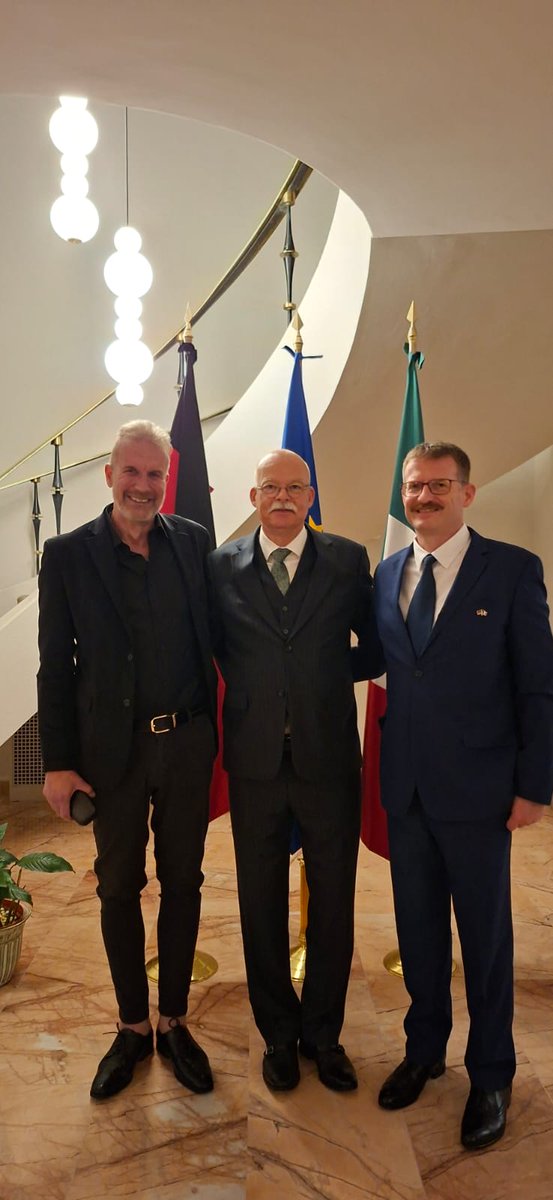
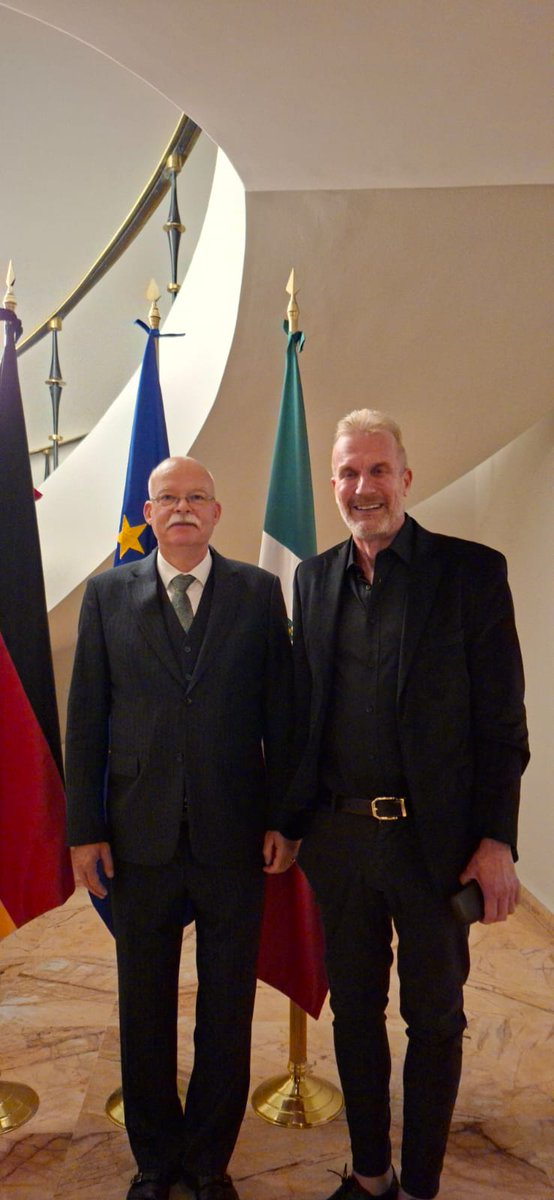
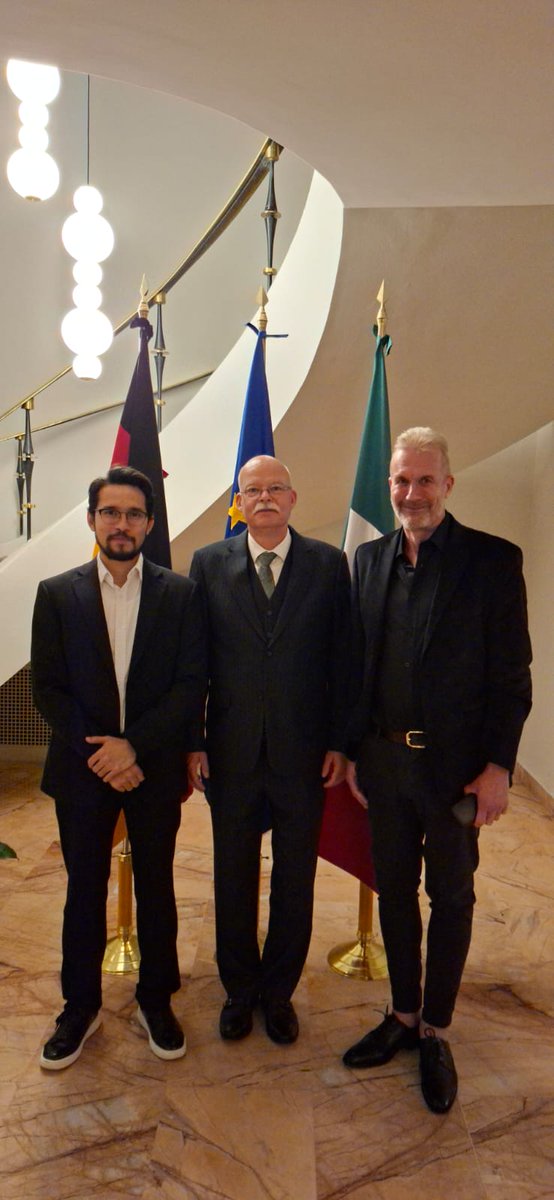
Posando con el excelentísimo Dr. Clemens von Goetze, Embajador de Alemania en México, @AlemaniaMexi, junto con el Dr. Robert Winkler @uga_langebio y Nicolas Priego @NicolasPriegoR@CinvestavIra. Festejamos la resurrección de la colaboración científica entre México y Alemania
Seed priming in wheat 🌾
We’re testing whether biostimulant treatments can establish long-term resistance to biotic stress.
Can early exposure shape how plants respond later in life?
#SeedPriming#PlantMemory#WheatResearch
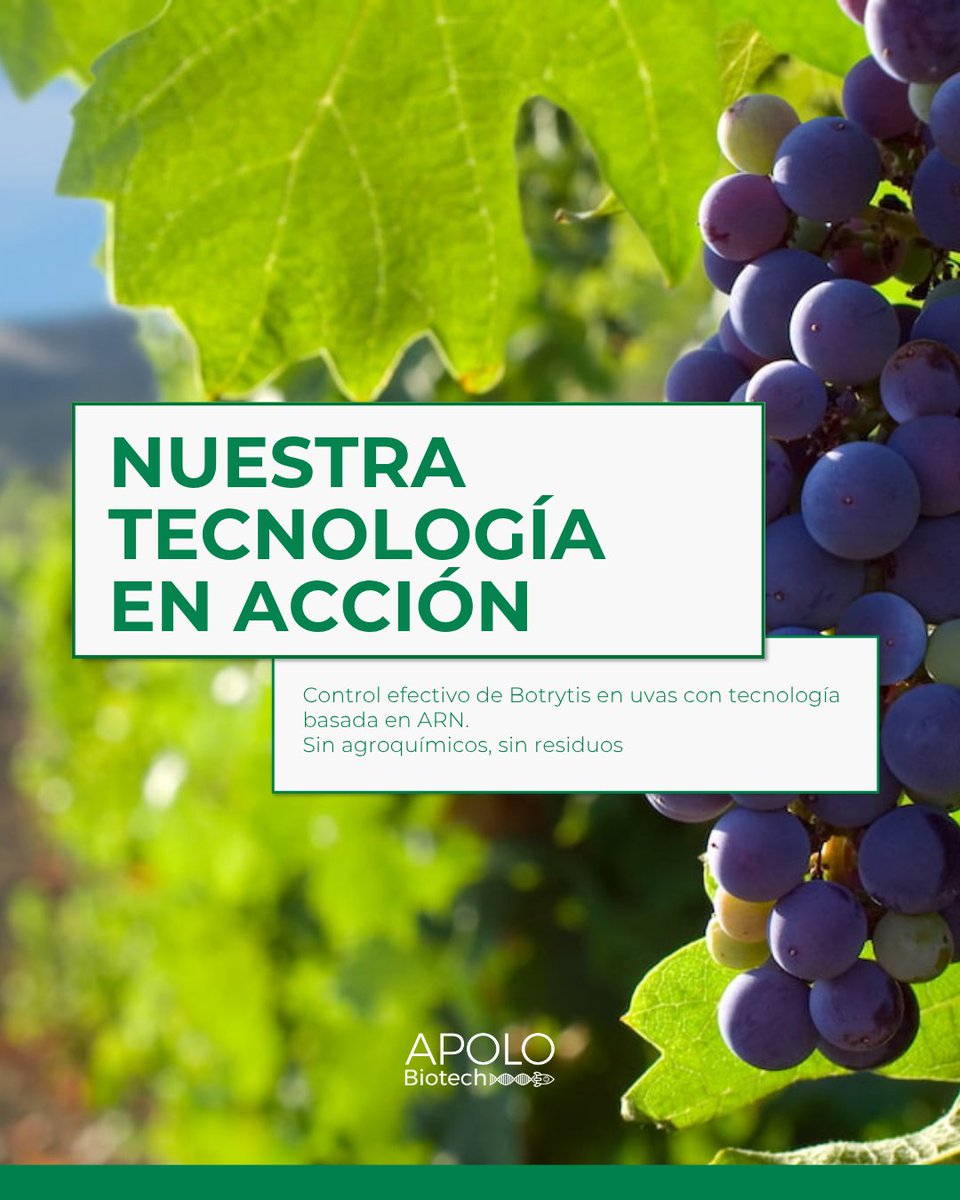
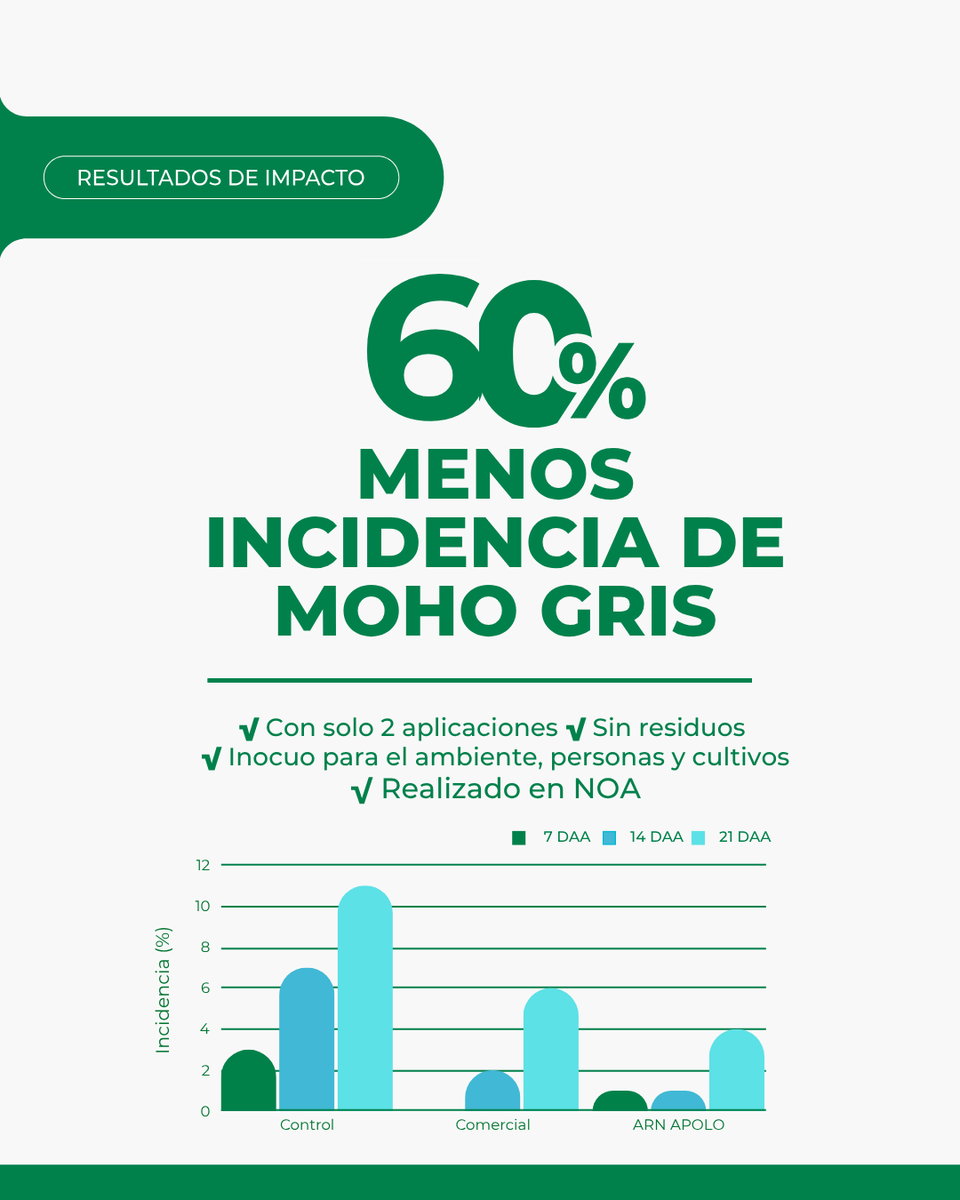
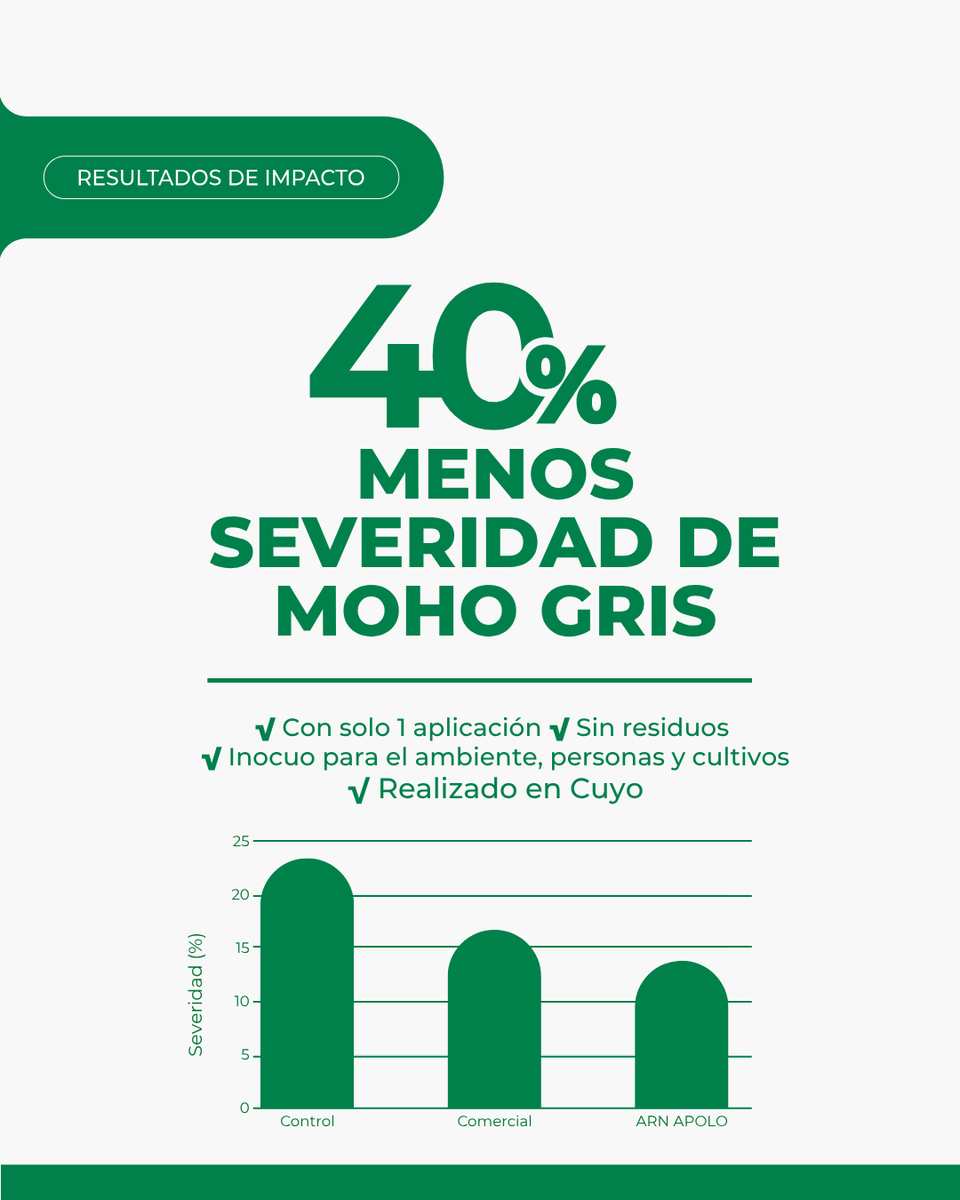
🍇 ¡Buenas noticias para los viñedos!
En ensayos a campo logramos controlar Botrytis cinerea en vid con nuestra tecnología basada en RNA.
Una alternativa sustentable y con eficacia comparable al químico comercial.
👀 Si necesitas crear gráficos que NO solo se vean bien, sino que también incluyan TODOS los detalles estadísticos que necesitas: utiliza 📦ggstatsplot 👇🧵
😎 No olvides compartir este post con todo aquel que necesita mejorar sus gráficos y análisis de datos.
#rstats#stats
One of the biggest myths in agriculture?
“We should farm like nature.”
It sounds nice - but it’s completely unscientific.
Modern farming isn’t about mimicking nature.
It’s about improving on it.
Here’s why the “mimic nature” strategy fails 🧵: 1/12
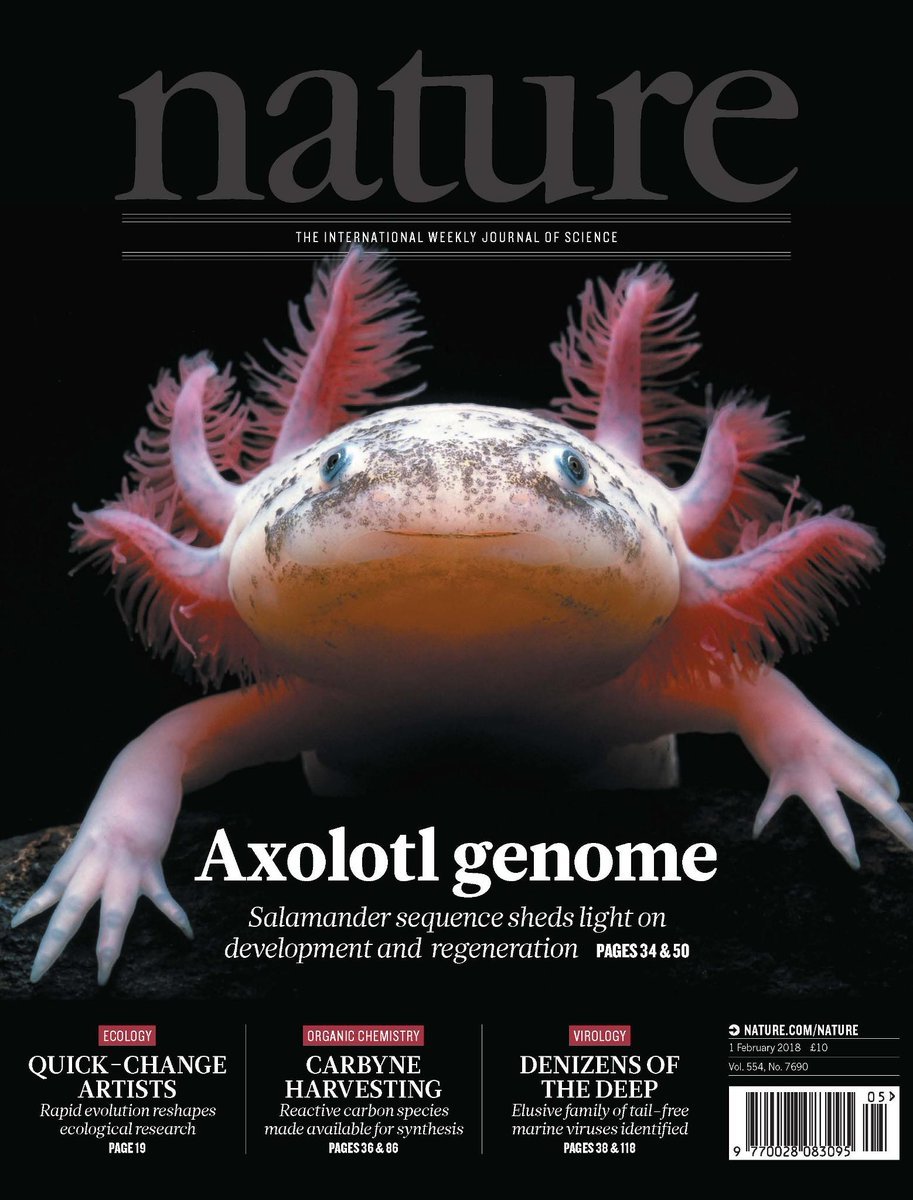
El 1 de febrero del 2018 la la revista científica Nature publicó la secuenciacón completa del genoma del Ajolote de Xochimilco y fue su portada.
Lo que inspiró al Senado de la República para decretar este día como el Día Nacional del Ajolote.
This is what happens when one fungicide (DMI in this case) is massively used over many years in a large soybean-growing region. Life finds a way. Showed this in my talk this AM "To spray or not to spray".
[4/7] P-values don't provide information about the magnitude of the effect. They only tell us the probability of observing data as extreme as what we have, given the null hypothesis. This is where ES comes in, providing a measure of the practical significance of the results.
[1/7] 🚧 Although p-values are widely used to determine statistical significance, they have their drawbacks. Let's explore why we need to consider effect size as well! #Statistics#DataScience
Just arrived in the post @Godwin_UQ. My course on Genetic Manipulation of Plants starts mid Jan. In addition, this year am delighted to be part of The Postgraduate Diploma in Irish Food Culture on @ucc PS6801 Food, The Environment & Sustainability @Culinaryireland @eoinlettice
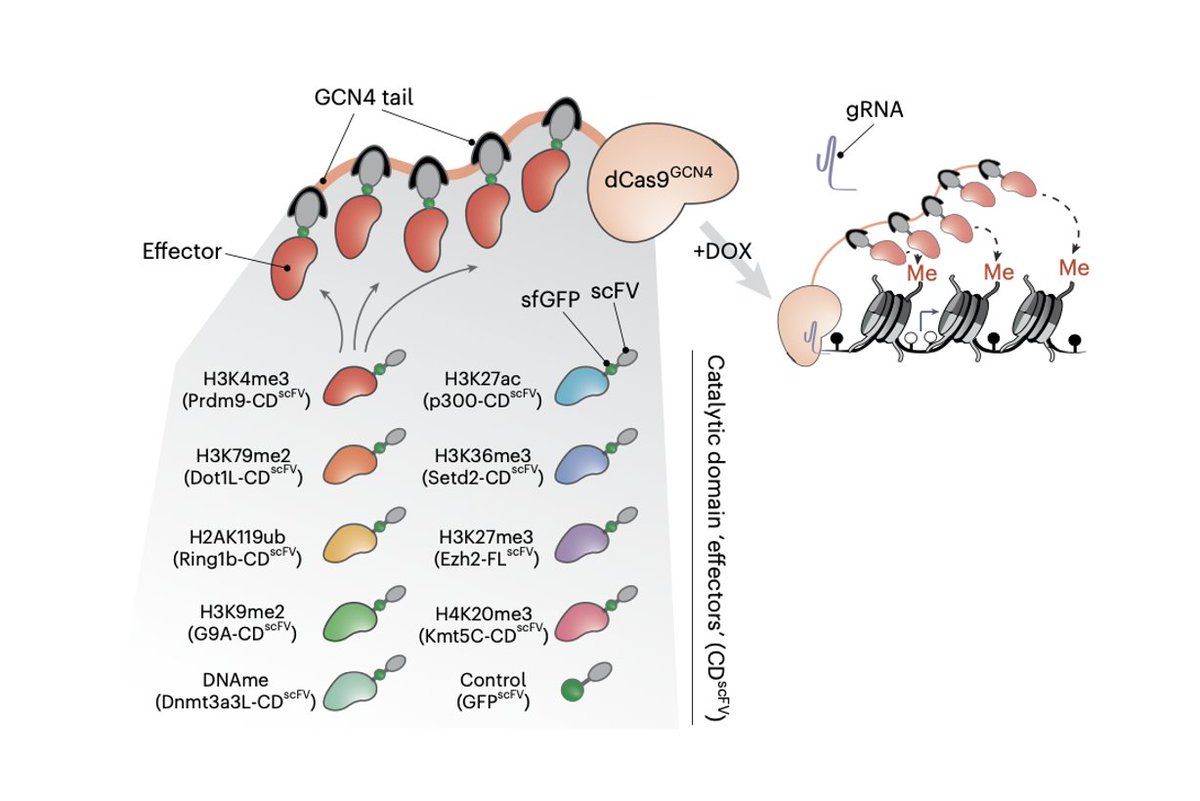
After more than a decade focused on genome editing of DNA, it could turn out that editing the #epigenome, which regulates gene expression, is a better, or, at the very least, a highly complementary strategy
https://t.co/nxf01CLpnA @NatureGenet@CristinaPolica4@hackettlab@embl@EMBLRome
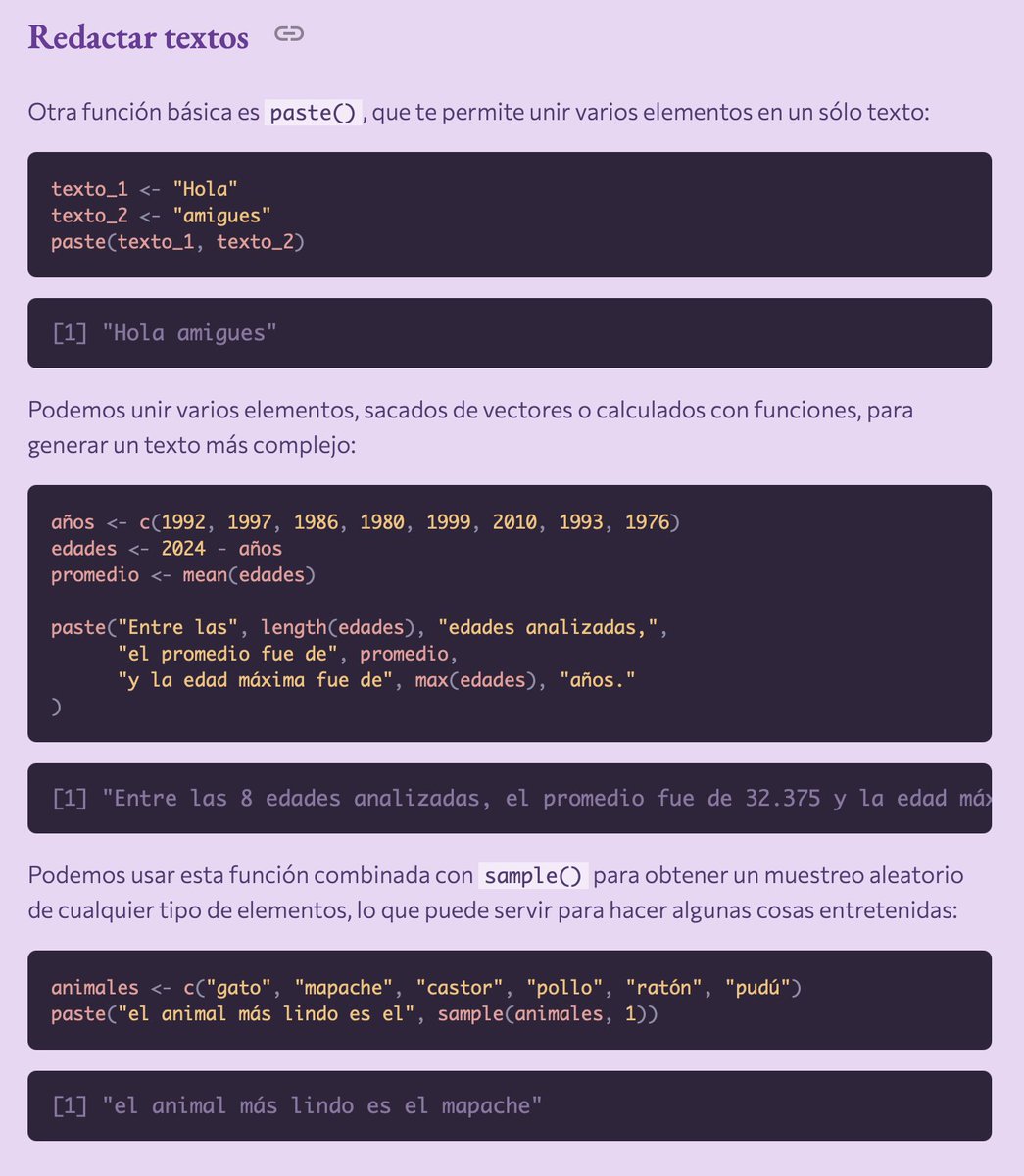
¿Quieres aprender lo básico de R, pero nunca antes has programado? 👩🏻💻 Te dejo este tutorial que no requiere experiencia previa. No hay excusas! Empieza de cero y aprende lo básico en minutos 🥰 https://t.co/RYta7Pvpsm
#rstats
Just submitted Dalia´s manuscript on the effects of self-DNA on defence hormone signalling and fitness of common bean (Phaseolus vulgaris) to Molecular Horticulture... let´s hope they are interested
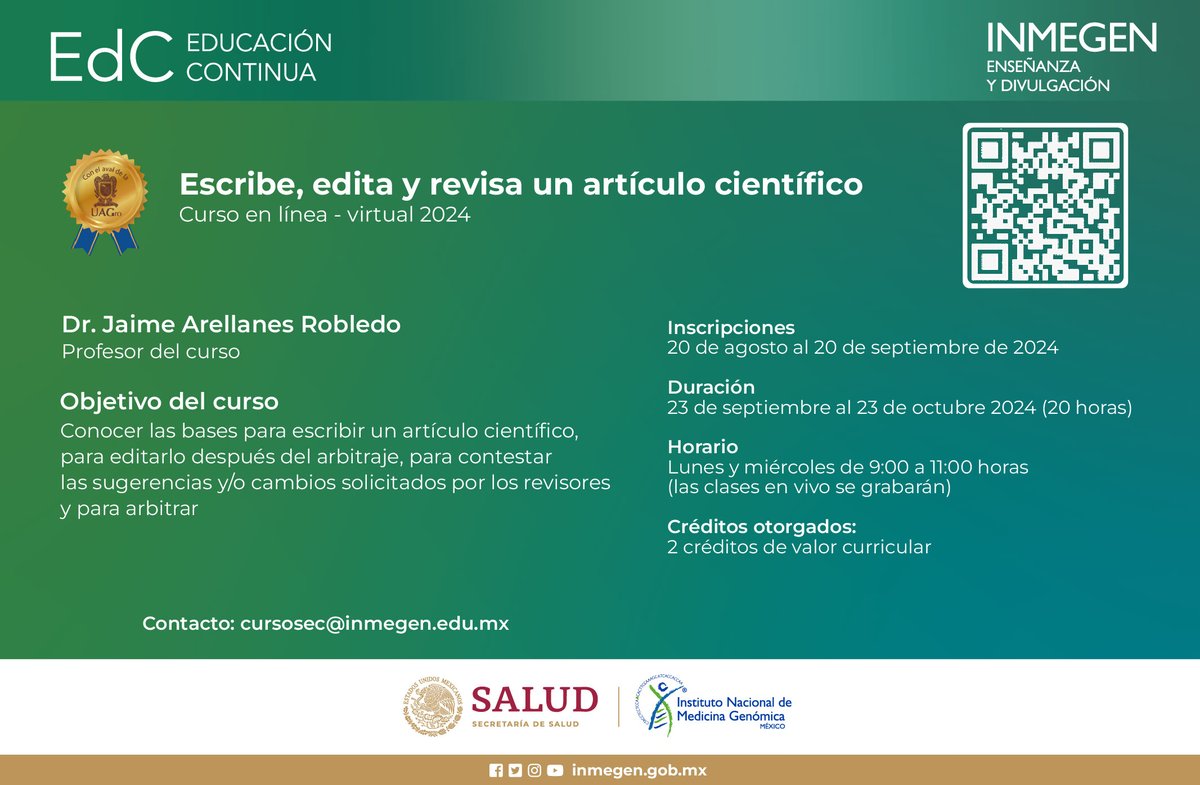
Curso en línea «Escribe, edita y revisa un artículo científico»
Regístrate: https://t.co/BVxC99LTnG
En este curso te invitamos a conocer las bases para escribir un artículo científico, para editarlo después del arbitraje y para arbitrar.
🙌 Estadísticos y gráficos recomendados por tipo de variable
💡¿Qué tipo de variación existe dentro de cada una de tus variables?
💡¿Qué tipo de covariación ocurre entre tus diferentes variables?
Inspirado en el libro R4DS https://t.co/yigKOw3upz
#dataviz#DataScience#stats

















![selcukorkmaz's tweet photo. [1/7] 🚧 Although p-values are widely used to determine statistical significance, they have their drawbacks. Let's explore why we need to consider effect size as well! #Statistics #DataScience https://t.co/Yytwpdd64c](https://pbs.twimg.com/media/FvlpZtrWcAET8tR.png)