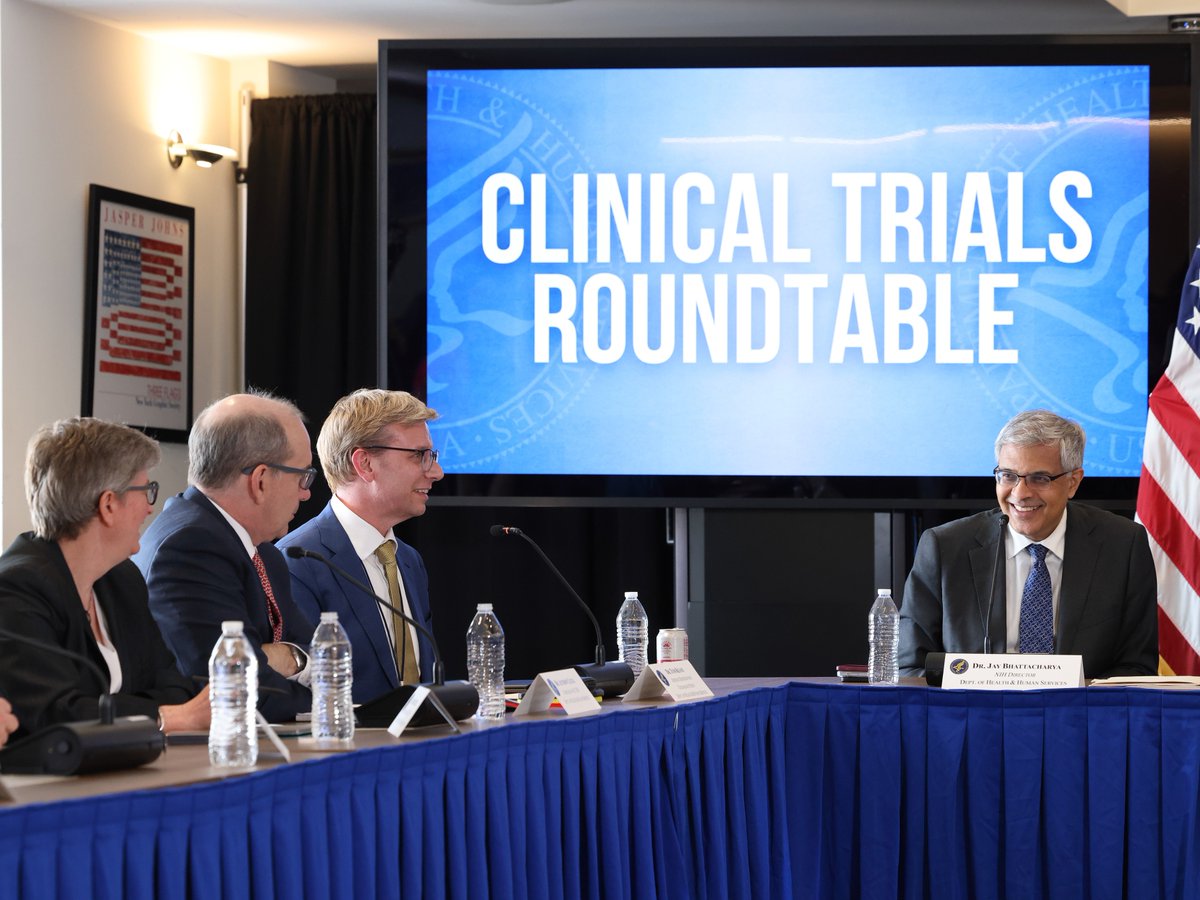
Today, HHS launched a historic department-wide effort to strengthen America’s clinical research enterprise and ensure the next generation of medical breakthroughs is developed right here in the United States. Under President Trump’s leadership, we are accelerating innovation, expanding research capacity, and ensuring lifesaving discoveries are made in America.
🌎NIH and @HHSGov officials reaffirmed America’s commitment to remaining the global leader in biomedical research by fostering a clinical trial enterprise that is faster, more efficient, and more effective.
Read the full story ➡️ https://t.co/ymwY2x0iPA
👨 Men can develop most of the same mental disorders and conditions as women but they may experience different symptoms.
Some of these symptoms include:
• Anger, irritability, or aggressiveness
• Noticeable changes in mood, energy level, or appetite
• Difficulty sleeping or sleeping too much
• Increased worry or stress
• Misuse of alcohol and or drugs
• Persistent sadness or feelings of hopelessness
• Aches, headaches, or digestive problems without a clear cause
• Thoughts of death or suicide or suicide attempts
This Men’s Health Month, learn the signs and symptoms of mental illness in men—and how these issues can be treated. ➡️ https://t.co/04wwP9h4kd
🙏Many thanks to @RepMarkPocan for stopping by the @NIH campus last week.
It was my pleasure to chat with him about the exciting work our scientists are doing to fight children’s brain cancer, understand how childhood anxiety affects brain development, and to study the drivers of obesity, diabetes, and other metabolic conditions in our patient care center.
America faces more than a chronic disease epidemic that threatens our physical health. We also face a spiritual malaise that undermines our mental health.
Our children are increasingly isolated, fragmented, and anxious, spending more than 8.5 hours a day on screens.
This summer, put down the phone and reconnect with nature, family, and community. It's time to Take Back Your Health. Eat Real Food. Get Active. Together, we will Make America Healthy Again.
🫀Heart failure affects millions of adults in the U.S. and often requires close monitoring to help prevent worsening symptoms and repeat hospital visits.
NIH-supported researchers led by Dr. Yeonsik Noh at @UMassAmherst are developing wearable devices that could help heart patients track their condition more easily and continuously.
Learn more: https://t.co/QYwQOjvnNp
Scientists at NIH are studying the exposome—all the things your body is exposed to throughout your life. This includes the air you breathe, the food you eat, chemicals you encounter, and stress. For major diseases like heart disease, diabetes, and cancer, genes only tell part of the story. The exposome may help fill in the rest.
Read more: https://t.co/AQd5YiaBJb.
NIH All of Us was built on a simple premise: a research program is only as powerful as the people in it. A new study shows what that means in practice. Researchers used genomic data from more than 240,000 All of Us participants to identify the first known genetic risk factor for postpartum psychosis, a rare but devastating condition that strikes new mothers with little warning and can be life-threatening. The finding opens a door to understanding why some women are vulnerable, and eventually, how to protect them.
Learn more about this research: https://t.co/uzX2vA3VAN.
📢 The NIH Office of Research on Women's Health, @HHSGov and @Lyme_X are launching a national tech competition aimed at helping those with complex chronic illnesses like Lyme disease and long COVID find answers in an era where information is abundant, but access can be difficult.
Join us online via Zoom June 17 from 3-4pm ET to learn more about the TOPX HHS Health Sprint and how you can get involved! ➡️ https://t.co/o15uc8MWa3
DYK: Chronic pain affects 1 in 4 Americans.
NIH is committed to lowering that figure through rigorous study and gold standard scientific efforts like the NIH HEAL Initiative (Helping to End Addiction Long-term).
A strategic roadmap aimed at guiding HEAL research for the next five years, shaped with public input, was recently established.
Read what’s next ➡️ https://t.co/d1qSCa3N6v
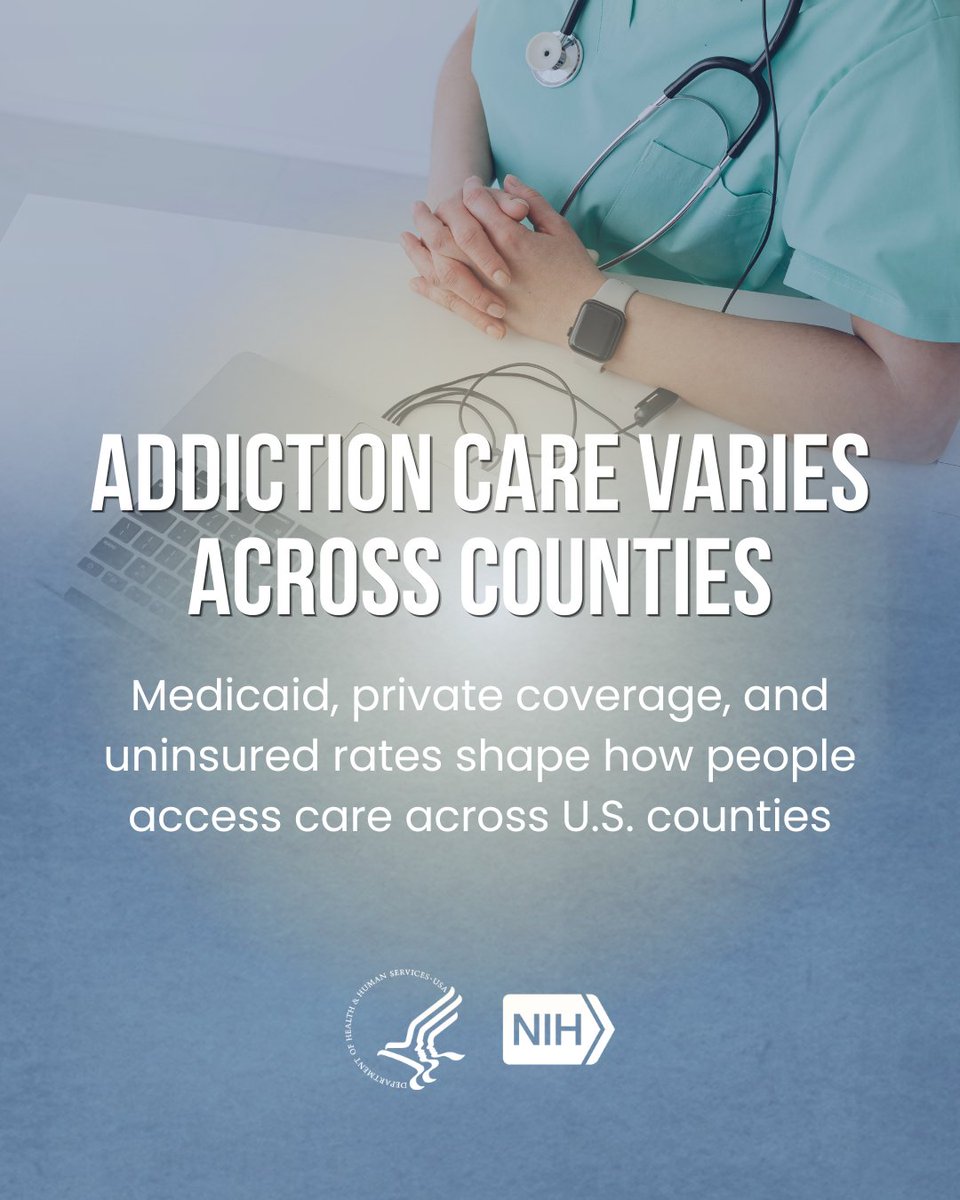
An NIH study looking at addiction treatment services across >3100 U.S. counties found that health insurance plays an outsized role in treatment access and use—more so than income level, other socioeconomic factors, health indicators, or healthcare resources.
Learn more: https://t.co/4kjFvkzona
We are simplifying how NIH funding works so researchers can spend less time navigating complexity and more time on discovery.
Stay informed with @NIH_Innovates, NIH’s new channel dedicated to research news and information for the biomedical research community.
📢 Are you an early career researcher?
Join an NIGMS webinar to learn about PAR-27-032: Maximizing Investigators’ Research Award (MIRA) for Early Stage Investigators (ESI).
📝It’s easier than ever to apply with a new streamlined funding opportunity format.
📅 July 15 at 2 PM ET
No registration required. Participation is optional.
Learn more: https://t.co/hoEdpSm8H5
NEWS: For adults with prediabetes, lifestyle intervention lowered risk of developing multiple chronic conditions.
Read the full story ➡️ https://t.co/bxNchMbeFM
The new Office of Research Innovation, Validation, and Application (ORIVA) will play a key role in helping NIH move towards reducing animal use in research while advancing the development of innovative technologies that better model human biology.
ORIVA will coordinate NIH-wide efforts to develop, validate, and scale up the use of human-based approaches across our expansive biomedical research portfolio.
Read more ➡️ https://t.co/LcI91XeFcs
🎉 Congratulations to NIH’s Graduate Medical Education Class of 2026! 🎓
84 residents and fellows completed training across 36 residency and fellowship programs at the NIH Clinical Center.
Interested in combining clinical training with research and innovation? Learn more: https://t.co/JX3B6a9m87.