📣 NEW #OriginalResearch 📄
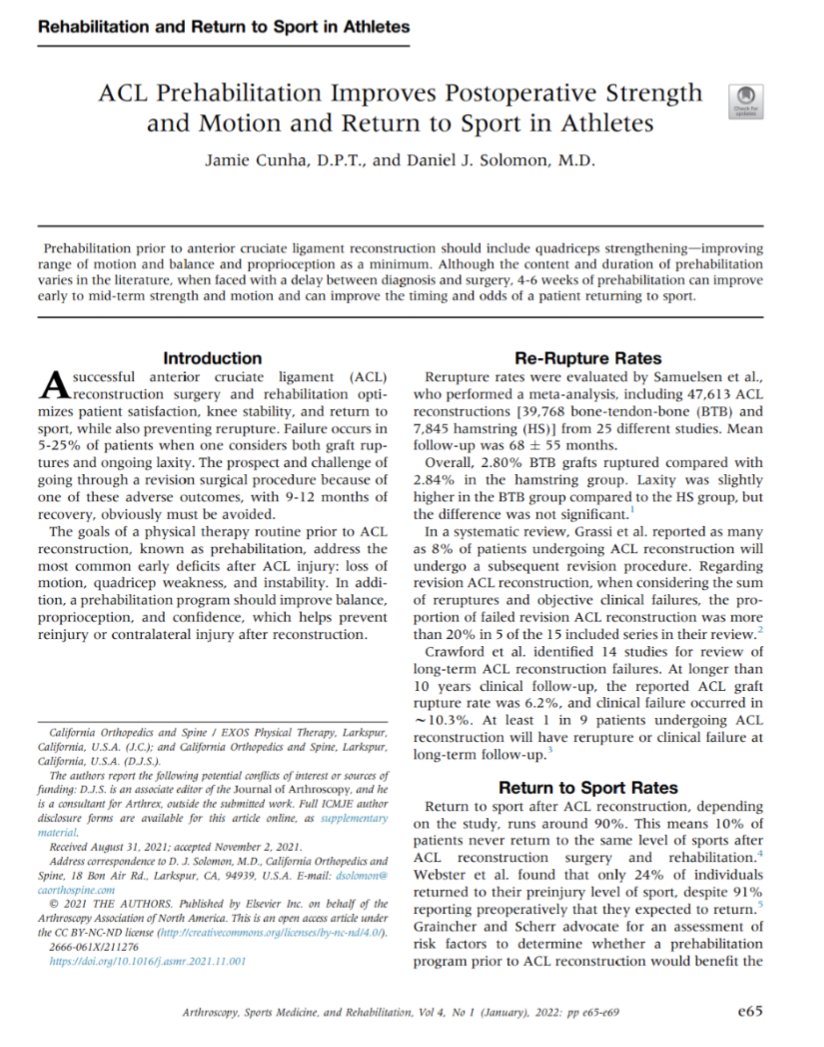
✨ Non-operative treatment of anterior cruciate ligament injuries: two-thirds avoid surgery at 2-year follow-up in a nationwide cohort 🤯
READ ➡️ https://t.co/NrVWYp75IA
RED-S can have serious long-term effects on athlete health and performance. Chronic low energy availability (LEA) disrupts hormones, leading to physical and psychological issues—many directly affecting MSK health, recovery, and performance. #SportsMedicine
https://t.co/5i66gYEQTD
A big issue I’ve found with spinal investigations is information recall and accountability as a part of a collaborative shared decision-making process.
You’ve decided to refer your patient for imaging. You’ve discussed your reasoning, the type of question you think it can answer, and you’re already considering the conversation beyond the scan. You know the results might provoke anxiety (and expectation), and it could be weeks before you speak again. You also know that people turn to Google, are influenced by societal beliefs, and can access non-contextualised results through various systems.
Over the next few weeks and months, as I get back into the clinic, I’ll be trialling a little aide-memoire. "Going for a Spinal Scan" a companion to our general MSK Health version.
I’ve copied the details of the form below for convenience, but it will be available in both digital and hard copy formats. It’s not reinventing the wheel, but hopefully, it will support recall and lead to better, clearer, and less combative conversations.
Curious, do any other agencies or groups do something similar?
https://t.co/2hnpyW3oN5
Radiology/Spinal Triage and Treat: MRI/Spinal Scan
Following your consultation, your specialist has recommended that you get a scan of your spine. This scan may be an MRI (Magnetic Resonance Imaging) or an X-ray. This recommendation is based on information about your condition, a physical examination, and a conversation about your preferences.
Important information about spinal scans
When spinal scans are recommended
Spinal scans are recommended when a serious medical condition, such as cancer or infection, is suspected. Fortunately, these conditions are rare. Spinal scans are also recommended when they are likely to help guide a specific treatment, like nerve injections.
Scan Report
After your scan, a medical report will be created based on observations of your spinal anatomy.
Medical Jargon
Some of the words in the report might be difficult to understand and may sound scary. For example, you might see terms like ‘degeneration of discs.’ This finding is quite common, especially in people aged 50 or older who don’t experience pain. It usually means your spine is maturing normally.
Interpretation
Your specialist will help you understand the results and discuss any necessary actions. It is important that we don’t overinterpret findings beyond what we are checking for. Most findings on scans do not explain how someone feels and are not a diagnosis. Keep this document safe so you can use it as a reminder when you talk to your specialist.
You are scheduled for a:
Your specialist wants to check for:
Vitamin D - A Key Player in Tendon Health
A recent review published in the Journal of Basic Clinical Physiology and Pharmacology reveals the crucial role of vitamin D in tendon health and healing.
🔋 Mechanism of Action:
-Regulates collagen synthesis
-Reduces inflammation
-Supports tendon-to-bone healing
-Promotes tenocyte proliferation
⚕️ Clinical Implications:
Vitamin D deficiency correlates with:
-Increased risk of tendon disorders
-Higher post-surgical complications
-Delayed healing response
Consider vitamin D assessment as part of your standard screening protocol for:
-Chronic tendinopathies
-Pre-operative assessment
-Post-surgical rehabilitation
Early identification and appropriate supplementation could be key to better patient outcomes.
Ref: https://t.co/mxUDXXjeE1
🤦♂️🤦♂️🤦♂️
Your posture is NOT killing you!
At worst it can irritate some sensitive tissues! But that can be both the left and right pictured postures!
Please do NOT listen to quacks literally trying to sell you “snake oil” 🤦♂️🤦♂️🤦♂️
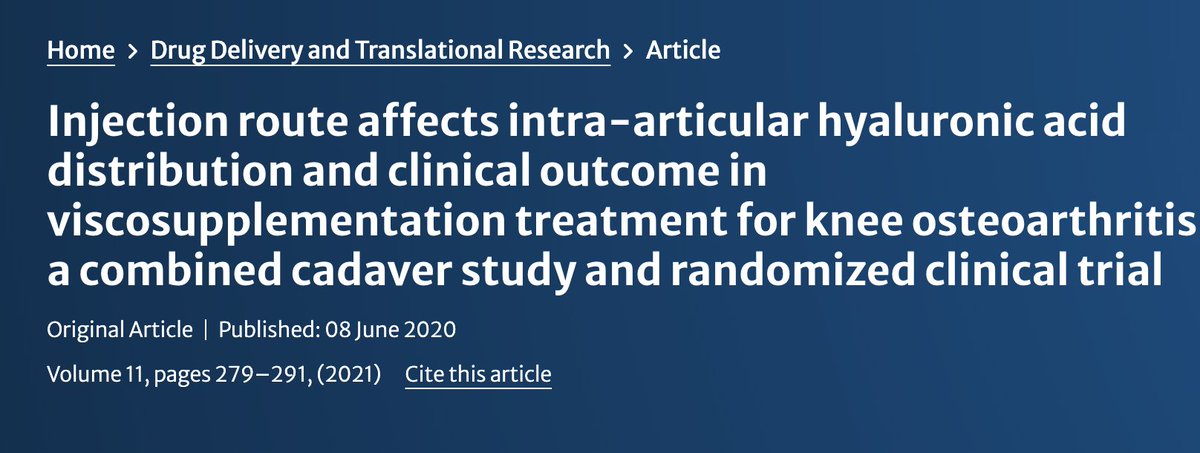
If you are injecting patellofemoral OA, should we consider needle placement to improve effectiveness? Yes If you're using a highly viscous substance HA or Arthrosamid. The neat study examined the distribution of viscous HA after different approaches: 1/ https://t.co/96k8KFiuBc
Dear @hubermanlab,
Back pain is not caused by weakness.
Back pain is not caused by posture.
Back pain is complex & not so simple.
Your recent podcast is misleading, potentially harmful for many listeners, and disregards the overwhelming evidence on managing back pain.
You need to do better.
The ‘DO I NEED AN X-RAY OR SCAN’ infographic is now available - https://t.co/97OHI088h6
Inappropriate MSK imaging is a major issue🌎
This resource maybe useful
✔️To supplement MSK consults
✔️For waiting rooms
✔️For training clinicians and students
PDFs available via DM
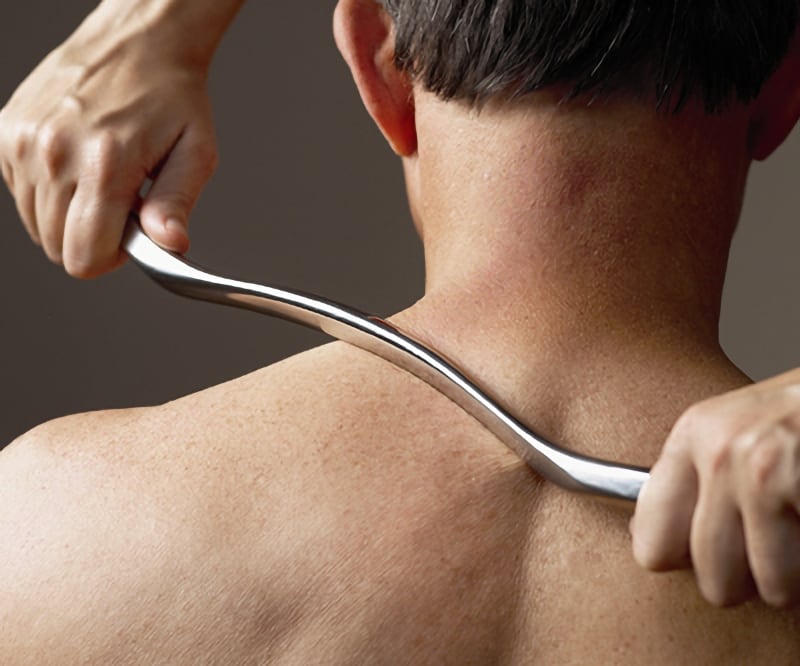
SCRAPING MASSAGE (AKA instrument assisted soft tissue mobilization, or IASTM) has been badly over-hyped for as long it has existed. There is no compelling positive evidence from clinical trials of this kind of massage, and there are some damning results.
Ortho - non weight bearing for 6 weeks
Elevation over pillow
Avoid water contact with plaster
If swelling in toes, loss of sensation, change in skin colour, severe pain -> immediately contact us
Patient 👇
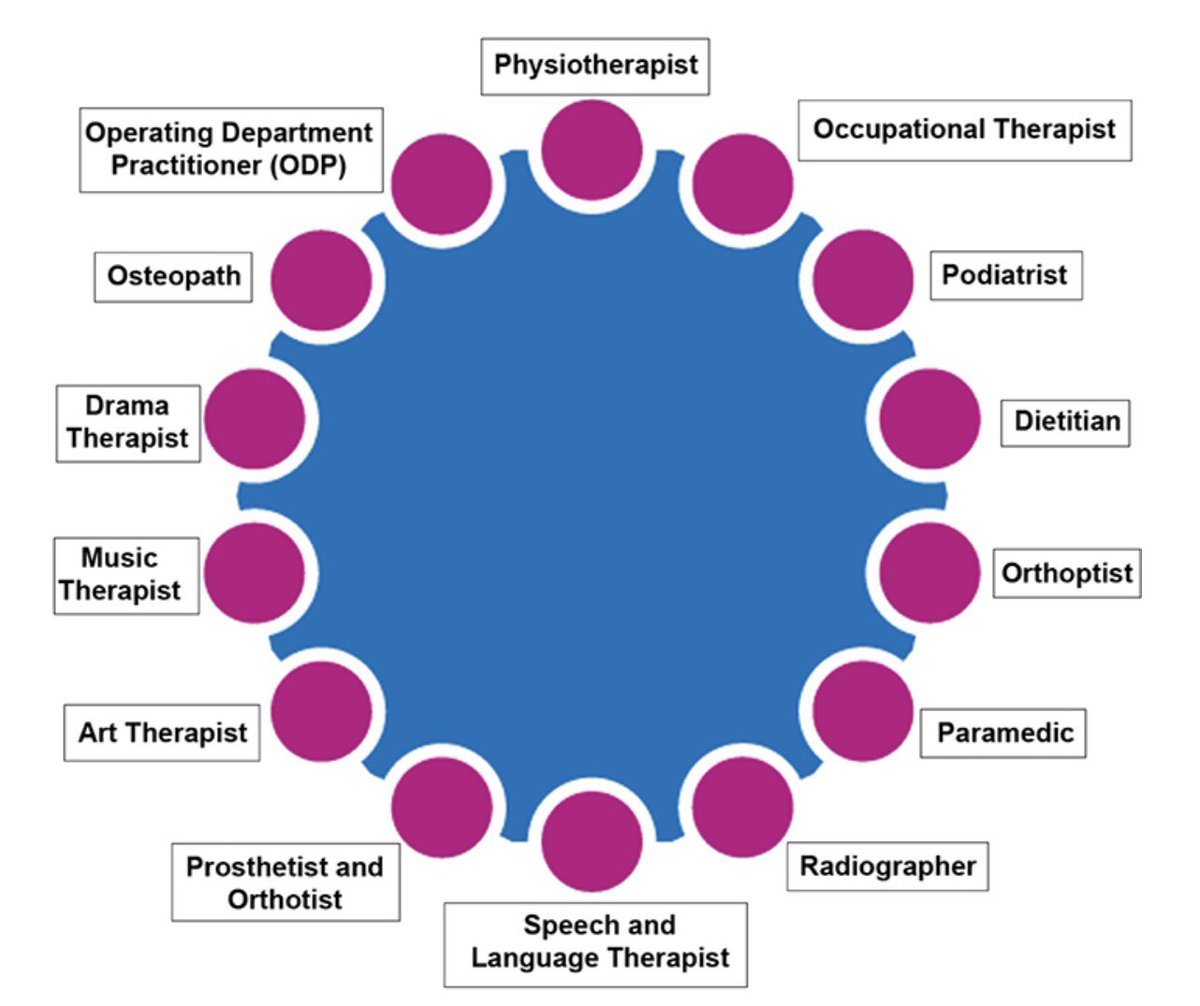
Most people think of patient facing roles being only Doctors and Nurses.
However, there’s a whole other group called Allied Health Professionals (AHPs).
There’s 14 groups that work side by side with us to provide the best care for patients.
#BJSM Blog: Meniscal tears ⚡️
What are the treatment options? 🧐
We break down a recent study by Damsted et al. into bitesize chunks of knowledge 💪
READ HERE ➡️ https://t.co/YVTGHgHH6I