RE: The claim that TSMC will enter memory and disrupt the big three memory makers
This doesn't make sense. As far as I know, TSMC has been working on this project for more than five years, but it would be a mistake to assume what they're building is commodity DRAM. TSMC has no DRAM IP, no DRAM patents, and none of the relevant technology.
I think the term "3D DRAM" is what's causing the misunderstanding.
After talking with industry experts, I believe this is the correct way to read the reports of TSMC entering DRAM.
TSMC's earlier published research gives a good sense of the direction.
At the 2025 VLSI Symposium, TSMC presented a memory technology based on oxide semiconductors, using a cell made of one transistor and one capacitor (1T1C). The goal was to integrate this memory into advanced logic chips and give processors a cache with low power and low latency.
The key feature of the design is that the memory array is built directly into the back end of line (BEOL) interconnect layers of the logic chip. Conventional DRAM is manufactured as a separate chip.
To build the memory array in the interconnect layers of an advanced logic chip, TSMC used select transistors with an oxide semiconductor channel and capacitors fabricated with a low temperature process.
According to TSMC, the test chip, which integrates memory and logic on a single die, operated at 0.75V. Data retention exceeded 128ms, random read/write cycle time was under 8ns, and endurance was above 10¹⁴ cycles. TSMC positioned the technology as a processor cache that offers higher density than SRAM while keeping power consumption and latency low.
So TSMC would be producing 3D DRAM as a next generation technology to replace SRAM. And not in large volumes, either.
Anyone saying TSMC will make DDR or LPDDR has no idea what they're talking about.
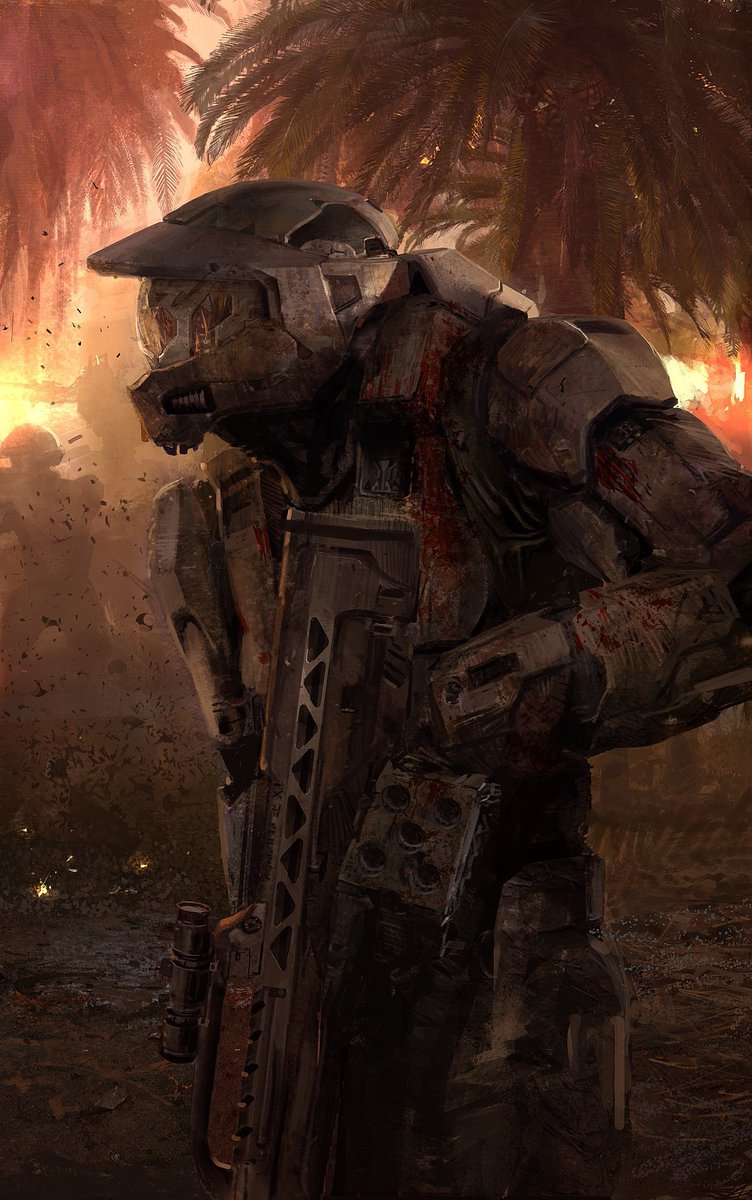
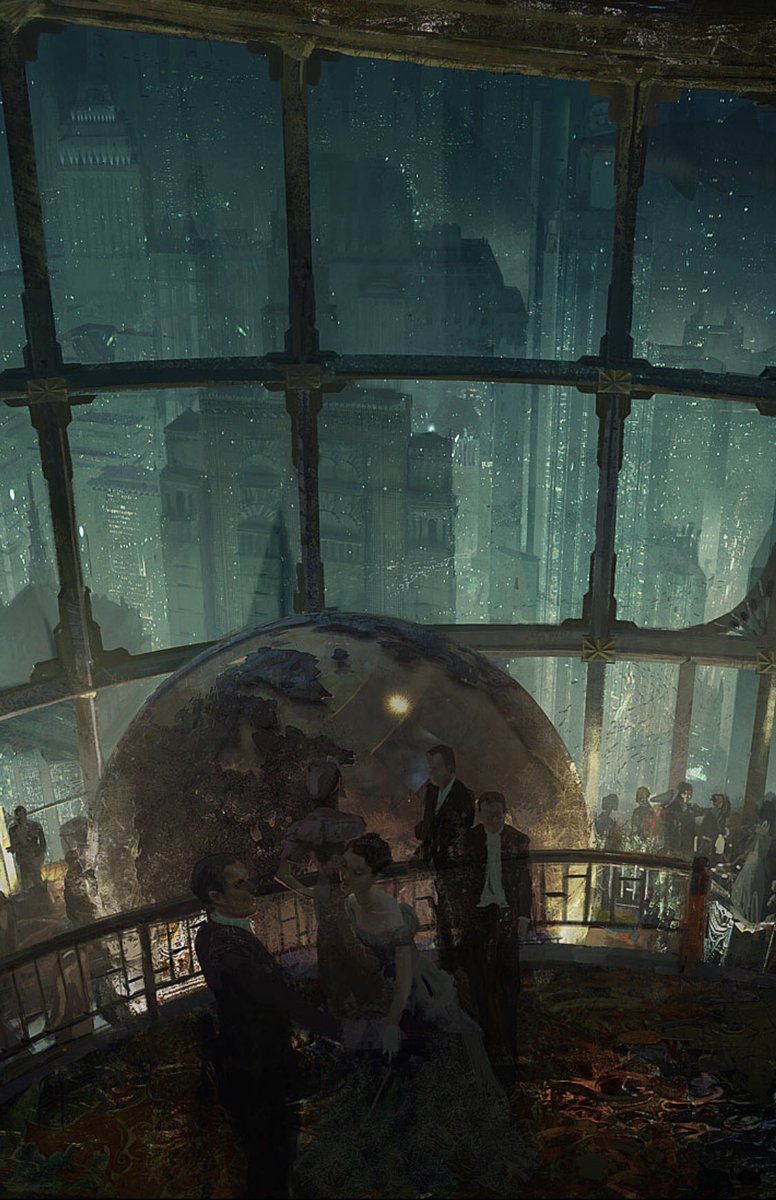
Artist of the Day: 𝗖𝗿𝗮𝗶𝗴 𝗠𝘂𝗹𝗹𝗶𝗻𝘀
Often called the father of digital painting, Mullins is one of the most influential concept artists in games.
Born in 1964, trained at Art Center College of Design and now based in Hawaii, he helped define how digital illustration could feel painterly, cinematic and believable long before tablets were common.
His video-game work spans sci-fi, history and post-apocalypse with the same mastery of light, atmosphere and composition.
"non-human traffic has now passed human traffic online. And to give you a sense of how this trend is playing out and with the big caveat that I have called it wrong at every point along the way, if the current trends continue, in five years, non-human traffic will be as much as 1,000x as much as human traffic. In other words, humans will be a rounding error on the Internet, not because human traffic goes down, but that's just how fast we're seeing non-human traffic grow." - NET earnings call
Let me kindly explain to NVIDIA fanboys why Chinese open-source AI matters so much to NVIDIA.
It’s because the proliferation of Chinese open-source models actually reinforces NVIDIA’s dominance.
China is still training its models on NVIDIA GPUs and releasing them in forms optimized for NVIDIA hardware. Naturally, that makes NVIDIA GPUs the most advantageous platform for running inference on those models as well.
After all, nobody is trying to run DeepSeek V4 or Kimi K3 inference on TPUs or Trainium.
This dynamic helps protect NVIDIA’s moat in the inference market while also benefiting neocloud providers whose inference businesses are built on NVIDIA GPUs. It also gives NVIDIA a way to curb, at least to some extent, hyperscalers’ push toward their own custom ASICs.
But what happens if China no longer has to depend on NVIDIA?
NVIDIA’s dominance weakens, while the relative competitiveness of TPUs and Trainium grows stronger. It would also be bad news for the neocloud providers that NVIDIA regards as major strategic assets.
So no, this isn’t simply about whether NVIDIA gets to sell chips to China or not, lol.
If China achieves true compute independence, the ripple effects will be enormous.
OpenAI and Anthropic execs sounded the alarm about the rise of cheap AI, particularly from China, suggesting they will lead to a “dystopian” AI future and present unacceptable security risks if no regulation. WSJ
Translation: our $2 TN in contingent payments will not get paid
The drone revolution is currently where aircraft were in World War I.
Final form is exotically-shaped, invisible drones piloted by advanced AI that fly in impossible-to-predict patterns and let off mini-drone bombs of their own.