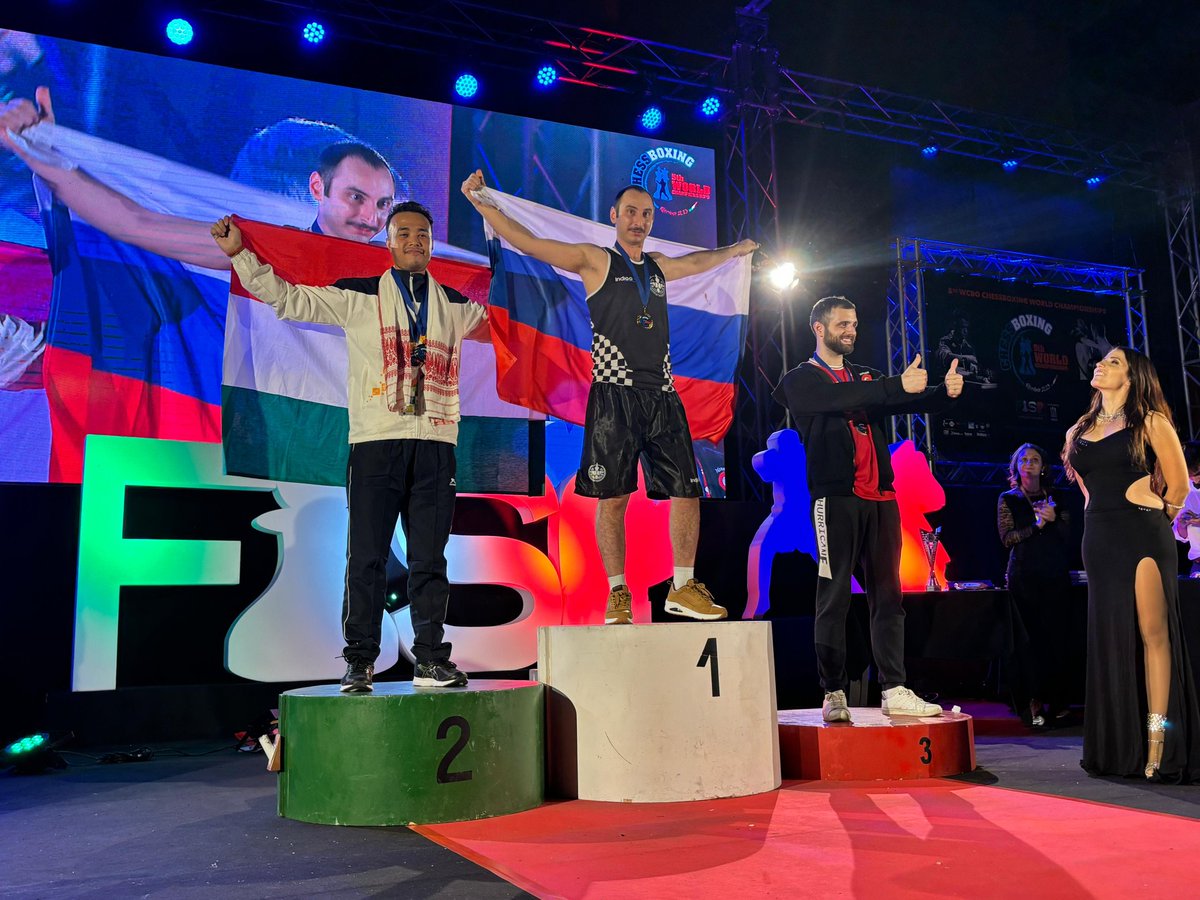
🏆🥈 Just clinched the silver medal at the 5th Chessboxing World Championship in Italy! 🇮🇹🥊♟️ Immensely proud to represent my country on the global stage. This is just the beginning, and I'm determined to keep pushing my limits and striving for gold. 🥇💪 #ChessboxingChampion
The Myth of “Love Learning”
People often ask me how to get better at chess. My answer is almost the opposite of what people expect.
You don’t have to love learning.
In fact, if you wait until you love the process, you’ll probably never become very good.
We romanticize improvement. We imagine great players waking up excited to study endgames, analyze losses, or memorize opening lines. Sometimes that’s true. Most of the time it isn’t.
Improvement is often boring.
The difference between an amateur and a professional isn’t that the professional enjoys every minute. It’s that they keep going when they don’t.
People say children are fearless learners. I’m not so sure.
Children quit things constantly. Piano. Swimming. Languages. Football. Chess. They usually continue only because someone else insists they do. Parents. Teachers. Coaches.
Discipline often comes before passion, not after.
The same is true for adults.
We tell people to “follow your curiosity.” That’s wonderful advice if curiosity happens to last. Usually it doesn’t.
Every meaningful skill has a point where curiosity runs out and routine takes over.
That’s where improvement actually begins.
Chess certainly did not always feel like play to me.
There were tournaments where the last thing I wanted to do after six hours of defending a miserable endgame was analyze another five hours.
There were openings I studied not because they fascinated me, but because my opponents forced me to.
There were positions I analyzed simply because they were objectively important.
Not because they were fun.
Because they needed to be done.
People often criticize schools for asking the wrong questions.
But there’s another side to that story.
If everyone only studied the questions they found interesting, most people would develop huge blind spots.
Sometimes someone else knows what you need to learn before you do.
Nobody is naturally curious about tax law before becoming an accountant. Or anatomy before becoming a surgeon. Or rook endings before losing enough of them.
External structure isn’t always the enemy of learning.
Often it’s the bridge that gets you to the point where genuine curiosity develops.
The biggest obstacle isn’t fear of looking stupid.
It’s our addiction to doing only what feels rewarding today.
Modern life gives us endless opportunities to switch the moment something becomes difficult.
A new opening.
A new productivity system.
A new app.
A new hobby.
Very few people simply keep doing the same useful thing for years.
That’s the superpower.
So when people ask how to improve at chess, I don’t tell them to fall in love with learning.
Love helps.
Curiosity helps.
Being willing to fail helps.
But none of those are reliable.
Build habits that survive the days when none of those feelings are there.
Because mastery isn’t built on motivation.
It’s built on showing up after motivation has left the room.
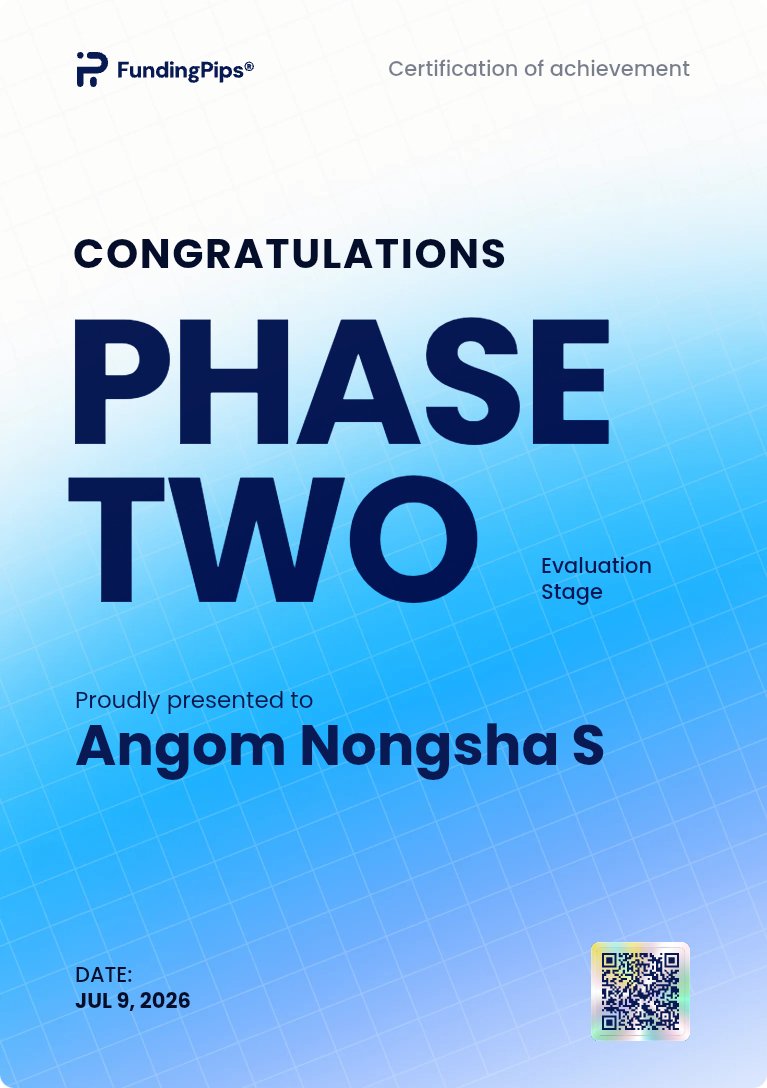
@TraderLe@ajtradinglucid But one needs to pay $180 and again first needs to clear the eval (like repeating the same things again but with consistency 40%) 🤦🏻♂️