It's not just a phase 🌕
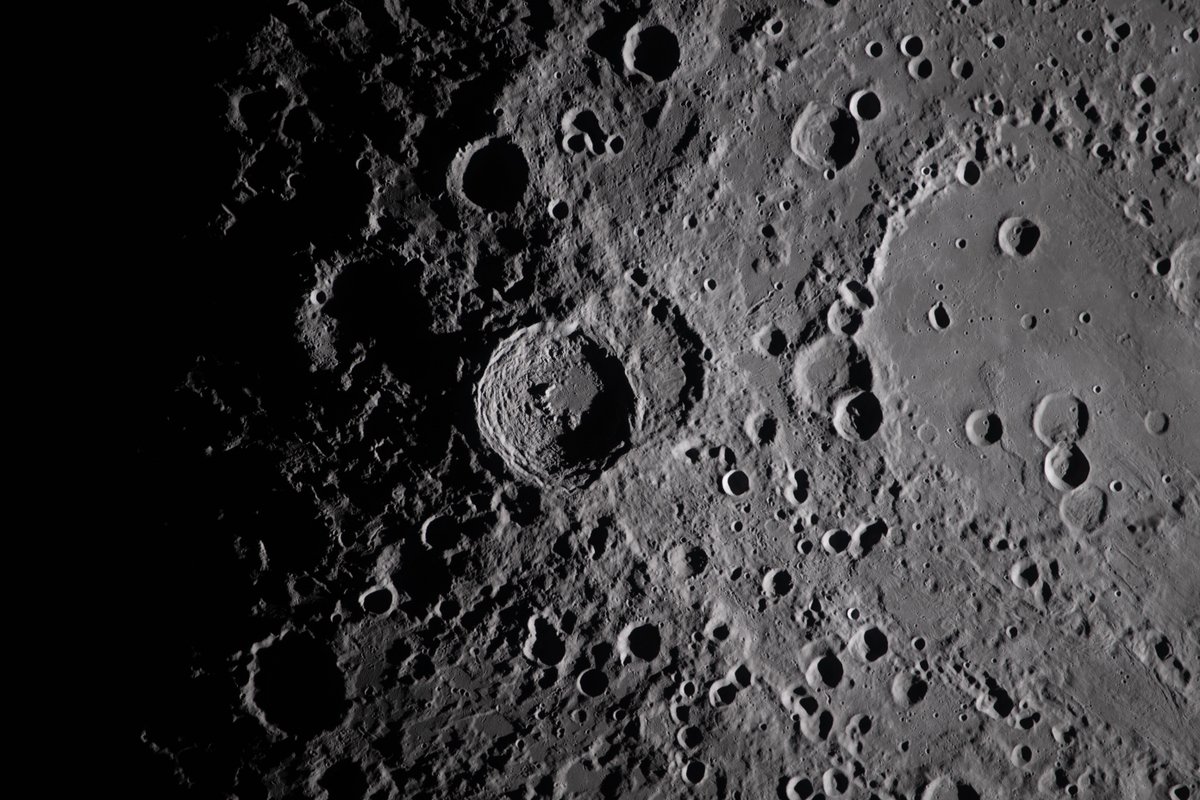
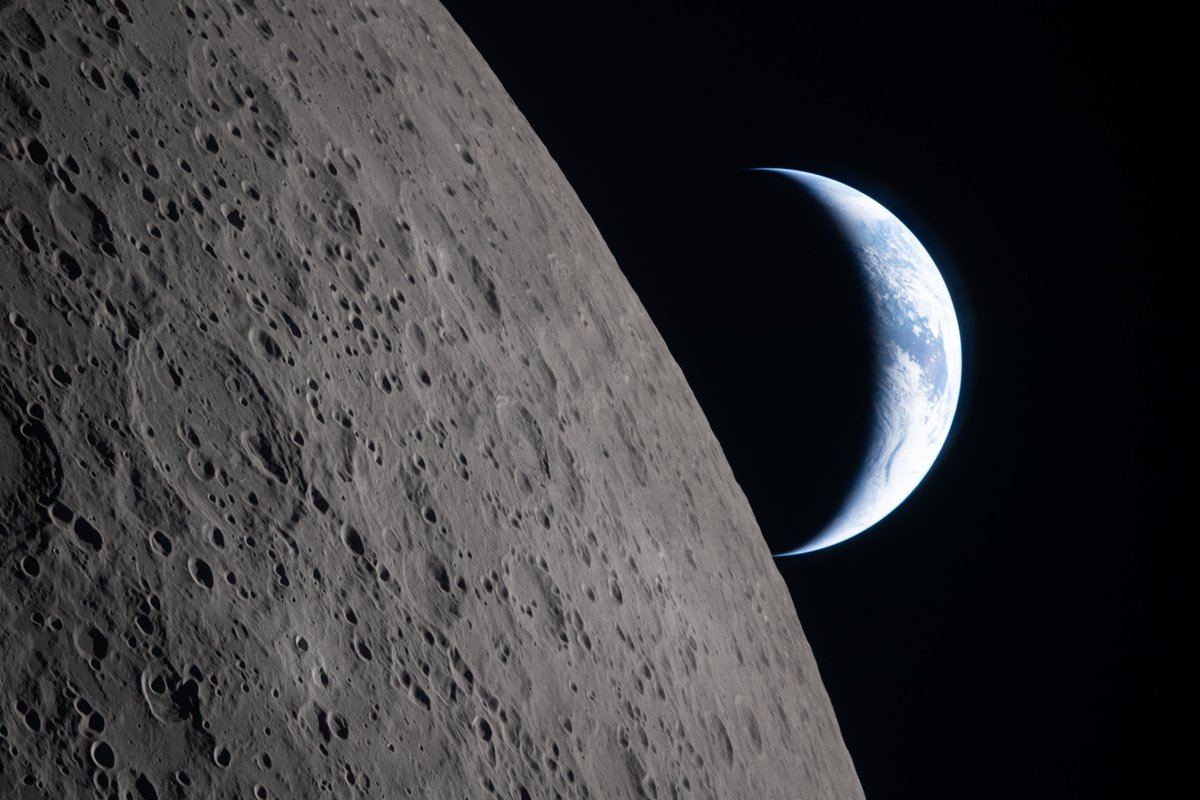
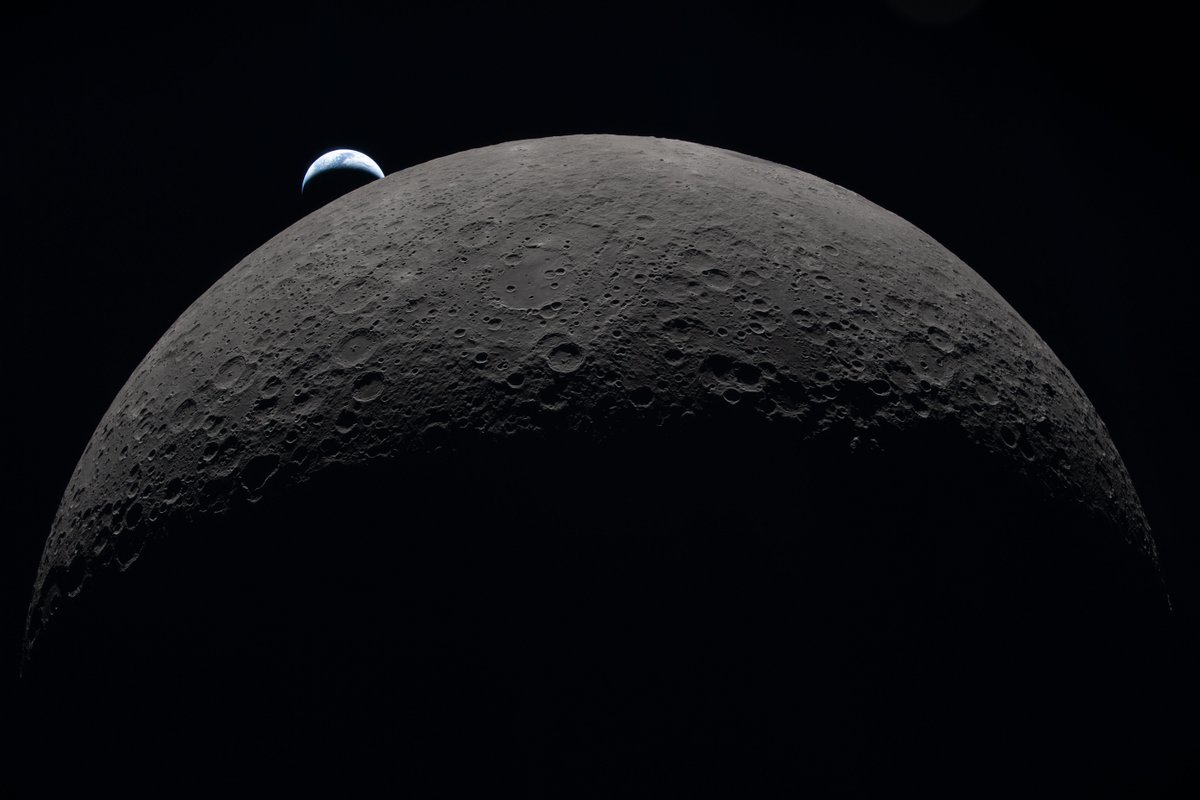
Artemis II astronauts captured these views of the Moon as the Orion spacecraft flew around the far side of the Moon on April 6, 2026.
I've gained more interest in photography over my years of spaceflight. What started as a way to document specific targets evolved into something deeper. The camera became an extension of the moment, a way to try and capture even just a fraction of the experience to bring back down to Earth.
Hello, Moon. It’s great to be back.
Here’s a taste of what the Artemis II astronauts photographed during their flight around the Moon. Check out more photos from the mission: https://t.co/rzM1P0QbOl
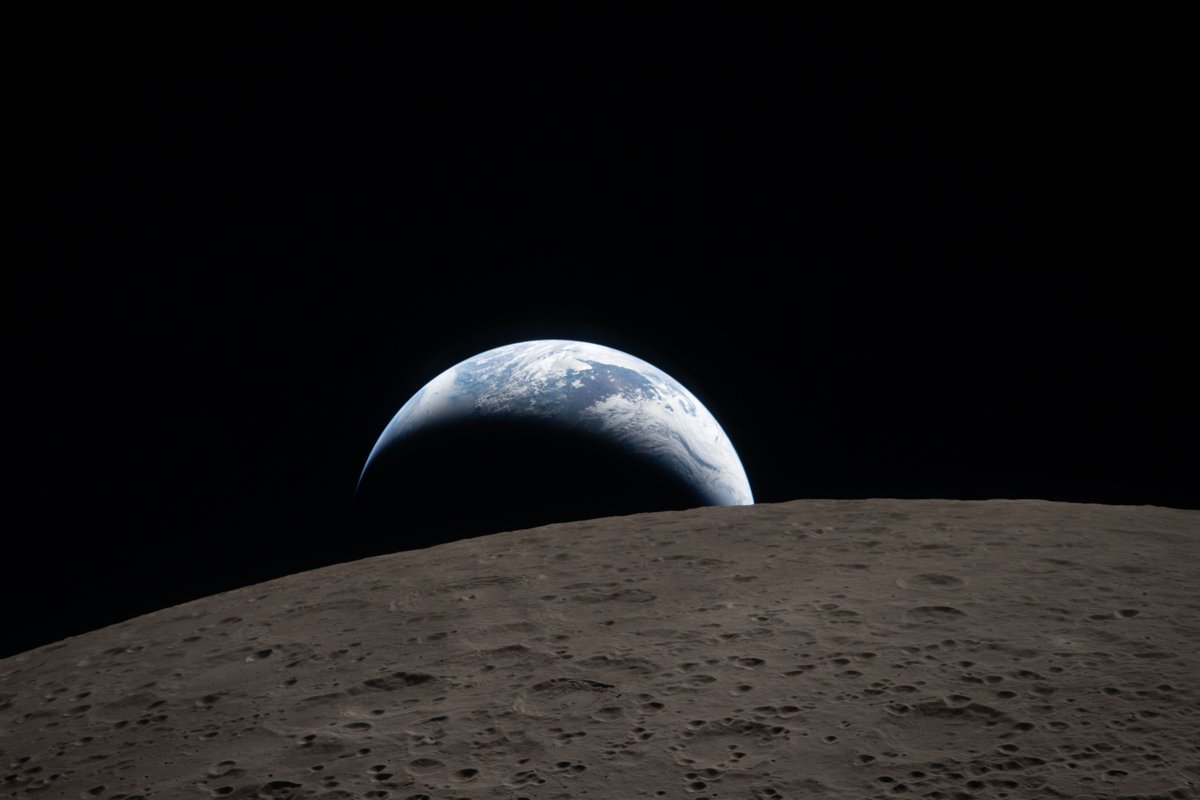
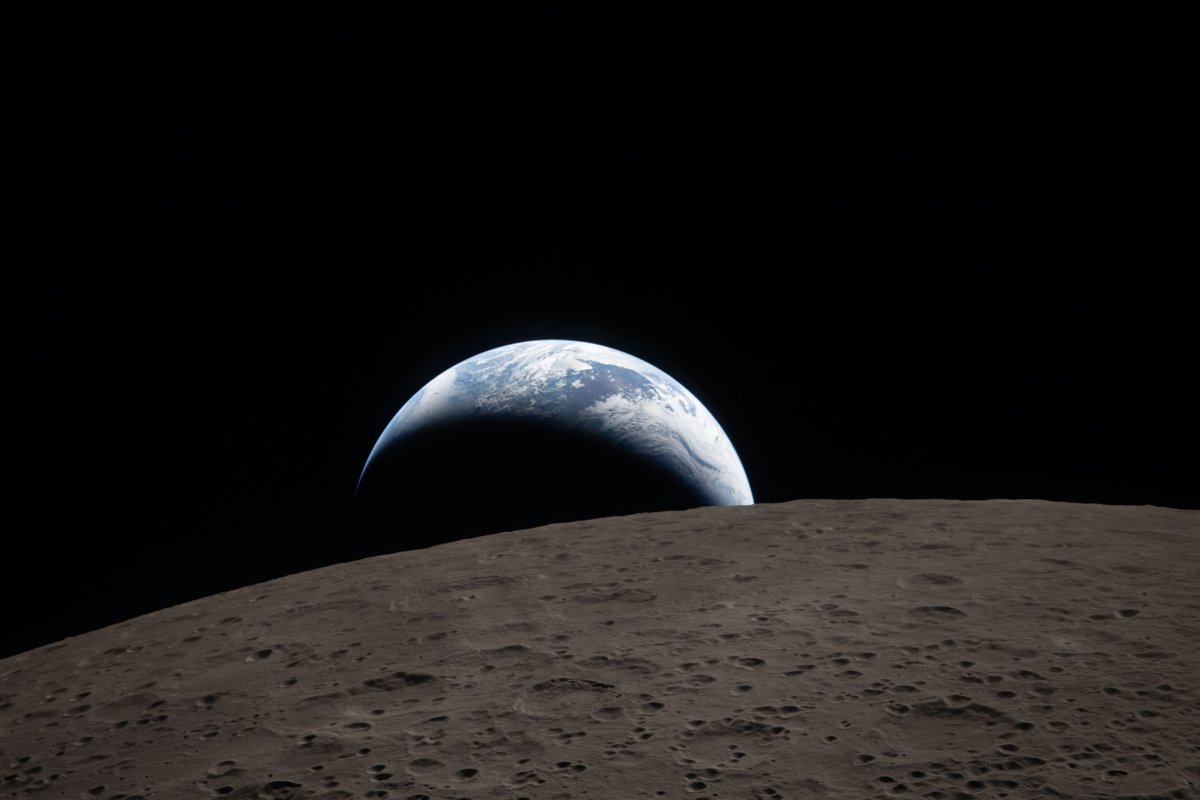
Earthset.
The Artemis II crew captured this view of an Earthset on April 6, 2026, as they flew around the Moon. The image is reminiscent of the iconic Earthrise image taken by astronaut Bill Anders 58 years earlier as the Apollo 8 crew flew around the Moon.
Trainers, schedulers, chefs, divers, medical teams, security, flight controllers, capcoms, crew quarters staff, fellow astronauts, and the most important foundation of all, family.
We recently received some neutral density filter films that temporarily go over the windows in the cupola. They act like sunglasses for the windows. These filters allow us to shoot video and photos from inside the cupola that are exposed for both the inside and outside. For camera nerds, the filters are ND 1.2 dimming the outside light by four full stops (4 EV). We got to test it out with the interview below. I am digging up a comparison video as well where one window has a filter and the other does not.
https://t.co/vMwX45A7bn
TET +4d: Space photography is important for numerous reasons: scientific research, disaster response data collection, environmental awareness, and perhaps most importantly, to share the human elements of space exploration with the public. @dominickmatthew is currently on the ISS, and @astro_Pettit will soon be joining Matt, both are excellent and avid photographers.
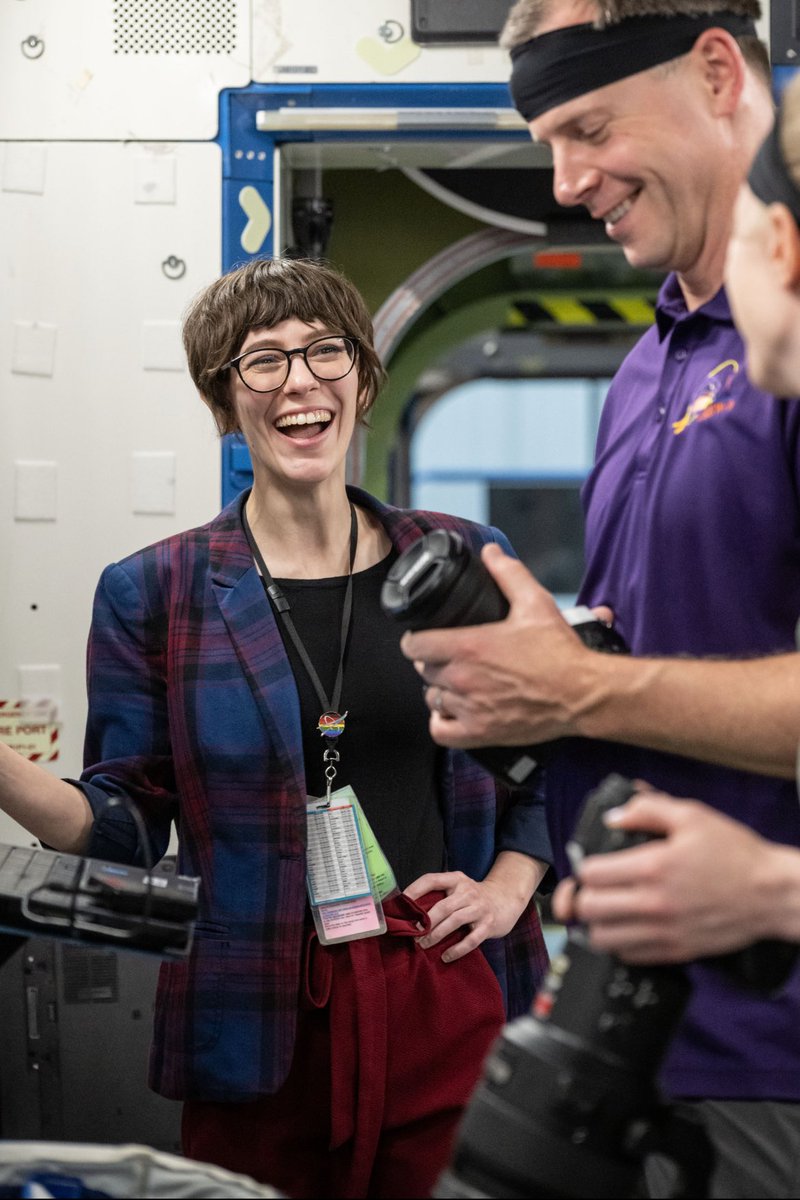
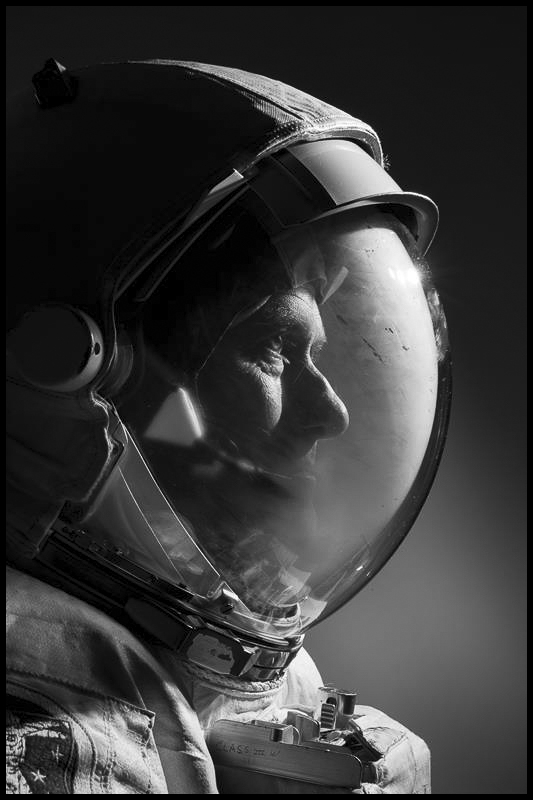
I'm not an experienced photographer but I aspire to learn, and to help me is NASA scientific photographer, @NorahMoranPhoto. Norah has taken a lot of astronaut portraits over the years and now teaches astronauts the basics of dSLR operation, what camera settings are optimal for various conditions, and how to set oneself up for success in any light condition. Thanks Norah!
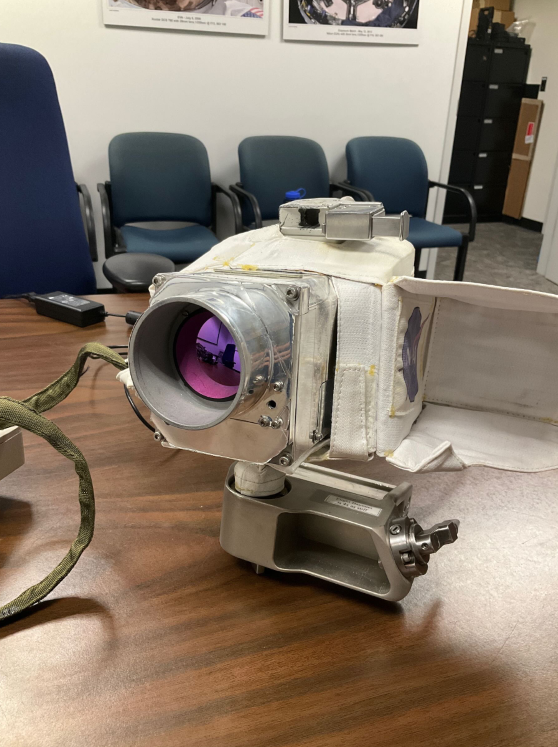
T+12 (9.8.23): On this day I learned about the EVA Infrared camera, a piece of equipment I never knew existed. A very cool gadget, it is a specially modified IR camera that can withstand the harsh environment of space. The last time I'm aware it was used was in 2009 for STS-119 to image the radiators on the space station.
Paul and Norah taught me the basics of IR camera usage and the principles of emissivity, which is a measure of how much a surface emits heat. You can see in the 3rd & 4th pictures that the heat signature from a frying pan is different based on whether the teflon (high emissivity) or aluminum side (low emissivity) is presented to the camera. Heat emits thermal radiation, a type of electromagnetic radiation that IR cameras can see, but humans cannot. One way an IR camera can take advantage of this is to locate leaks that a human eye may not be able to detect. Notice in the 2nd picture how the IR camera can detect the two wet spots on the carpet, that are otherwise invisible to the eye. That's because evaporation is a cooling process, and as the water-soaked carpet evaporates, it is cooler than its surroundings, which shows up as a signature on the IR camera. Isn't that cool?
LIVE! We’re taking you behind the scenes of the most unique photos captured from the @Space_Station — and we're answering your questions from orbit! Tune in: https://t.co/dEzo0IFM5W
Congrats to the second place winners of NASA's fourth annual "Photographer of the Year" awards: Documentation: Chris Gunn; Portrait: Norah Moran; People: Denny Henry; and Places: Norah Moran! 📷https://t.co/Uw5T6IWsZn
Congrats to the first place winners of NASA's fourth annual "Photographer of the Year" awards: Documentation: Norah Moran; Portrait: Josh Valcarcel; People: Denny Henry; and Places: Dominic Hart! https://t.co/Uw5T6IWsZn
The view of #Crew4's launch from Mission Control Houston.
@NASAFltDirector Anthony Vareha and his team of flight controllers monitored the launch of NASA's SpaceX Crew-4 mission to the @Space_Station.
✨ 👩🚀 Today marks the start of #WorldSpaceWeek, a global celebration of exploration!
This year’s theme is #WomenInSpace. Follow @WomenNASA and meet some of these pioneers: https://t.co/8upYnZC35R
"I am a Flight Director — because we are. We as a team, we all sit here together. We all do this mission together." — Pooja Jesrani of @NASA_Johnson.
As #AAPIHeritageMonth nears its end, check out the stories of our Faces of NASA: https://t.co/wBuGv88Cgc
“Coming from a creative background, I’ve always said that science is a form of art." — Alexandria Perryman, audio engineer at NASA Johnson
Learn more about Alex and the women who bring their unique talents & backgrounds to NASA during #WomensHistoryMonth: https://t.co/fuGJcEFSKv
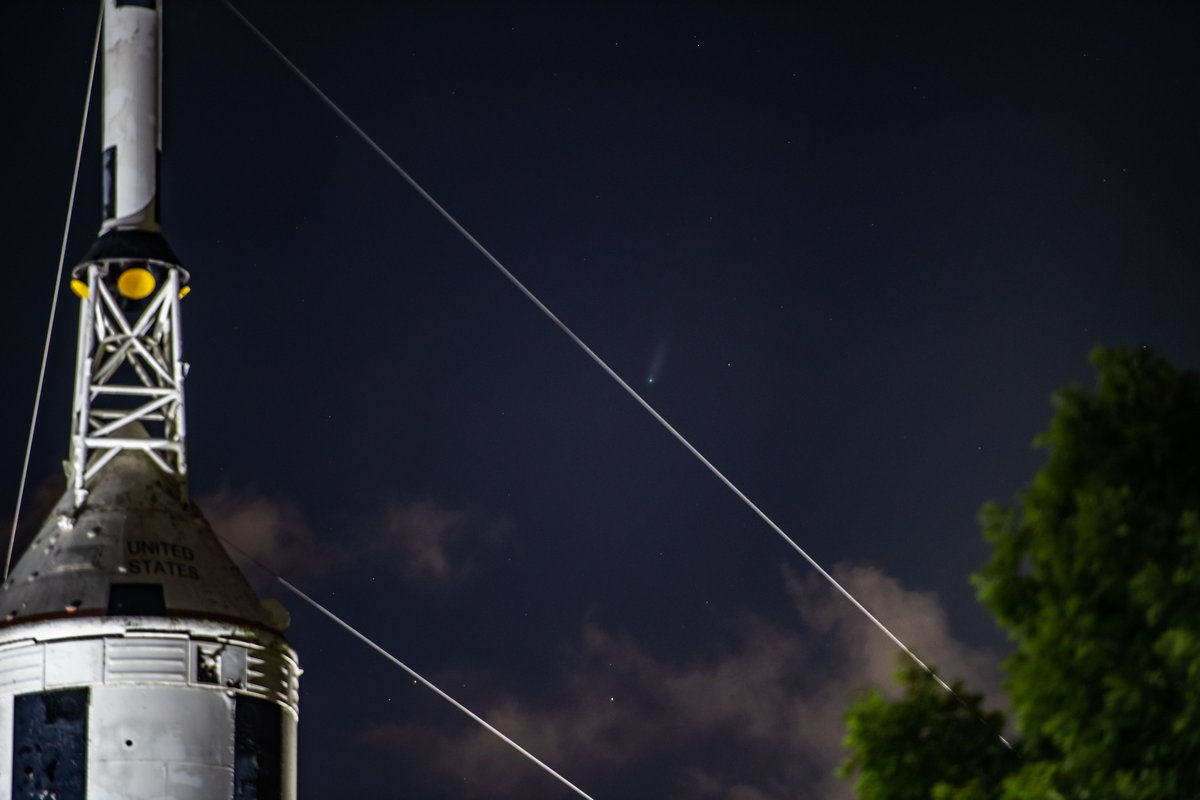
Did you catch the comet? ☄️
Last month, our photographers captured Comet NEOWISE soaring over Rocket Park. There's another great light show in the stars this week: Look up for the annual Perseid meteor shower, peaking August 12! Learn more: https://t.co/tIe5obpDZg
Ever wonder who designs the iconic NASA mission patches? Sean Collins has over 3 decades of experience working closely with astronauts to bring the symbol of a mission to life. The history, design, and meaning on this week’s “Houston, We Have a Podcast.” https://t.co/MnGnO1gLnb