Cross-border stablecoin flows rose 77.5% to US$220.3B in the year to June, as crypto prices fell. Average transfer: ~US$3,000.
Chainalysis reads that as everyday use: paying suppliers, sending money home.
New: The Stablecoin Users Institutions Overlook👇🏻 https://t.co/eAEk7U7xes
From the initial proposal at ETHDenver in 2023 to a live Devnet today!
This has been a long time coming, and a lot of work has gone into making it happen.
Great to see the Metis Hybrid Rollup finally happening, with validity proofs and a path towards post-quantum security. 🌿
The Metis Hybrid Rollup is live on Devnet. ZK validity proofs verify execution on-chain, aiming to cut withdrawal delays.
Faster settlement is only part of it. The work also builds a post-quantum path for scaling Ethereum. https://t.co/oTBu1CGs1f
In 2023, ZKM was formed to build a zkVM that supports Cannon, the Golang MIPS VM behind @MetisL2’s fraud proofs.
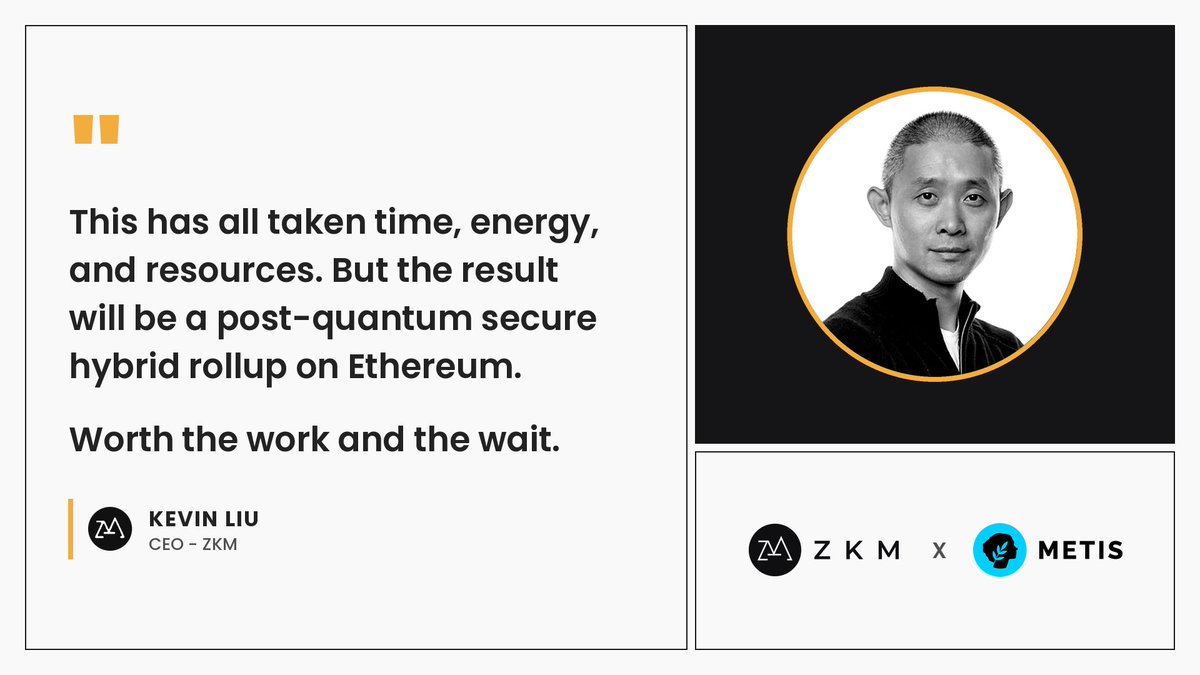
Quantum safety has since become a requirement with published NIST end dates, and the Hybrid Rollup is being completed to meet it.
CEO @KevinLiu explains why now is the right time for it to happen:
→ https://t.co/AazvW5NkAr
REWIRE starts today.
Institutional finance, digital assets and AI: the developments worth understanding, the practical questions behind them, and what they mean for the people building financial services.
Follow along.
An era of unprecedented breaches has people rightly asking where security actually comes from.
This first-principles explainer details what it means for commerce to inherit Bitcoin’s security, what the guarantees rest on, and what has to be true for a payment to be as hard to break as the chain beneath it.
Read the full release on our MOU with KOSDAQ-listed Square Tech over at @BitcoinMagazine.
It covers the first program in scope - a stablecoin payment service for foreign tourists in South Korea - and how GOAT agent payment technology fits into it.
https://t.co/BsTBe6ROmw
BREAKING: GOAT Network and KOSDAQ-listed @Squaretech_HQ have signed an MOU to advance AI agent-powered stablecoin payments in South Korea 🇰🇷
The first focus is a stablecoin payment program for foreign tourists that Square Tech is developing with Lordsystem. It aims to let visitors verify their identity with a mobile passport and pay participating merchants in US dollar stablecoins, and the partners will explore bringing GOAT's AI agent payment technology into it.
Under the agreement, Square Tech will lead business development, merchant partnerships and regulatory engagement in Korea. GOAT Network will provide its AI agent payment technology and Bitcoin-secured network infrastructure, and DAC Labs, the core infrastructure developer behind GOAT Network, will support technical integration, security reviews and network operations.
Full announcement below.
https://t.co/2GEKqtEFSh
Come sit with me 😂 You won’t even blink with the chats we gon’ have.
Starting with: did Satoshi ever consider how future tech like AI could impact Bitcoin security?
👀
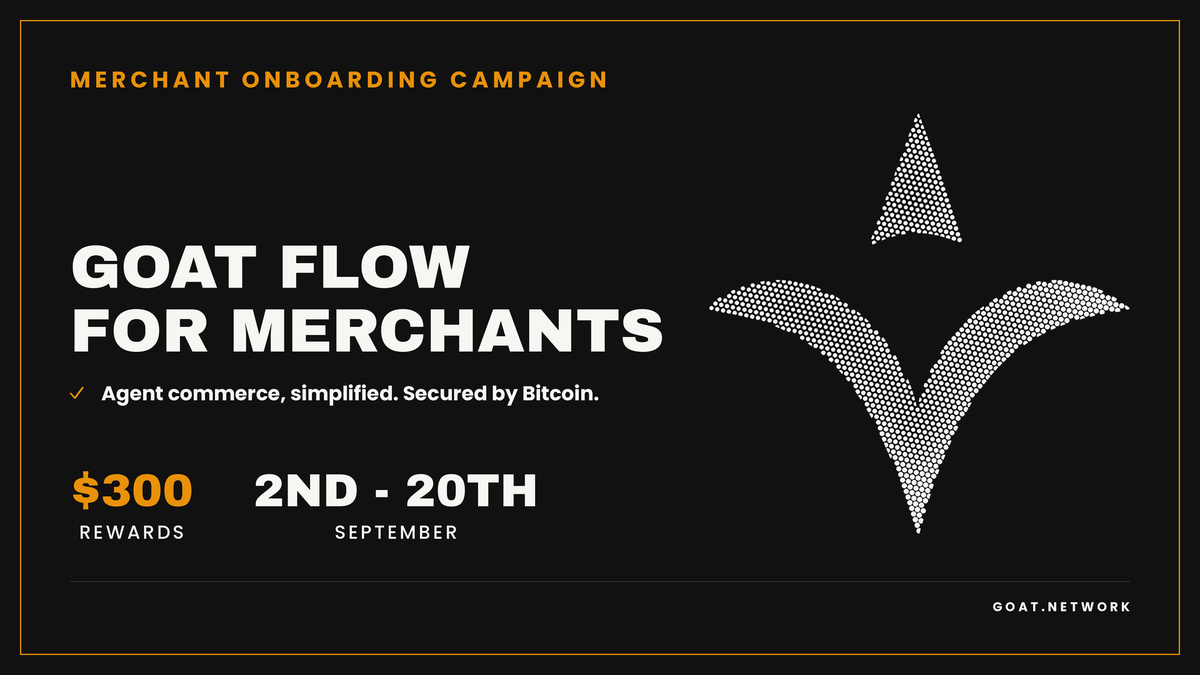
GOAT Flow is live. Now it's time to bring businesses in.
From the 2nd to the 20th of September, find a business that should be selling to agents and put GOAT Flow in front of them.
Pick a real business: a merchant, startup, creator, store, platform, or API provider. Post original content on X introducing them to GOAT Flow. Explain what it enables and how it fits their business, highlight the features that matter for them (Checkout, QuickPay, API Payments, card and crypto payments, x402), tag the business and @GOATNetwork, and include a link to https://t.co/yK6Im2fILj.
Up to 3 entries per person, each targeting a different business in a different content style, with only that one business tagged. The 5 best entries win $20 each, judged on quality, originality, relevance, and how well GOAT Flow is presented.
If a business you introduced goes on to integrate GOAT Flow, a $200 bounty is yours once the GOAT team confirms the integration. To qualify, the business must be a real, active operation with a genuine use case and a working integration. The GOAT team makes the final call.
Find a business. Introduce GOAT Flow. Bring them into the agent economy.
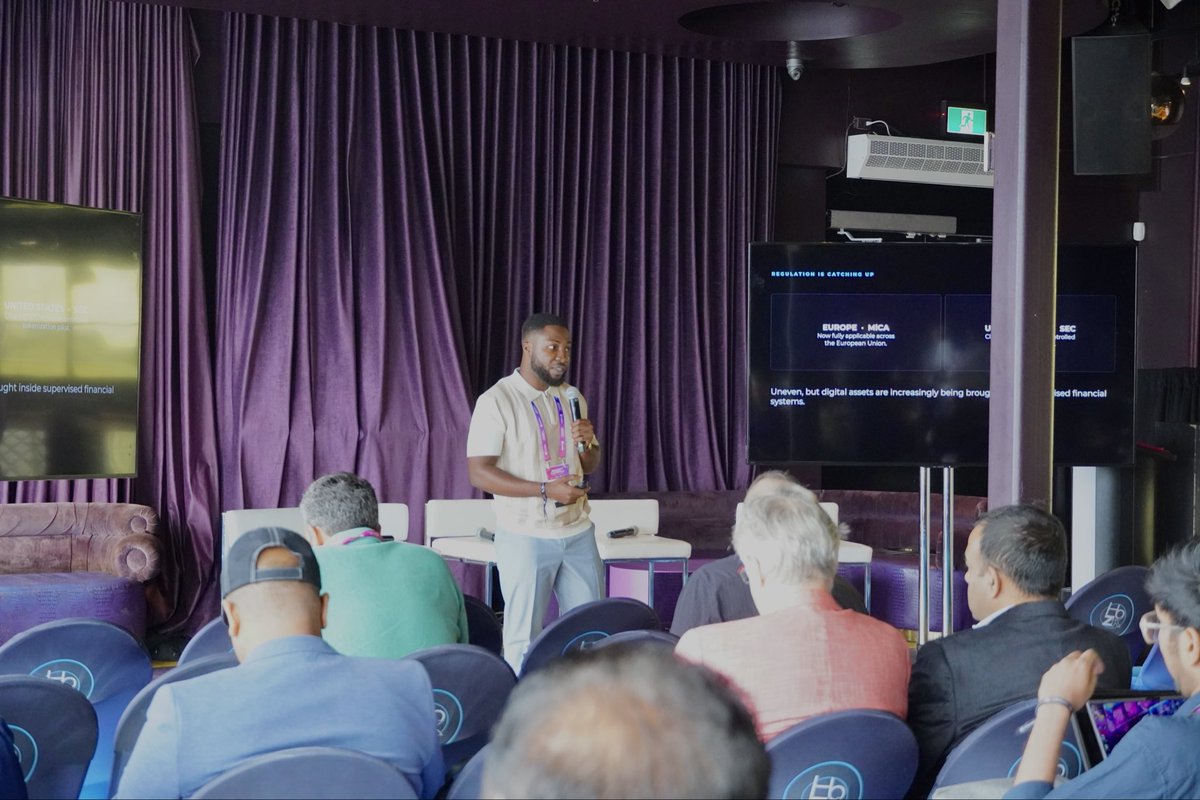
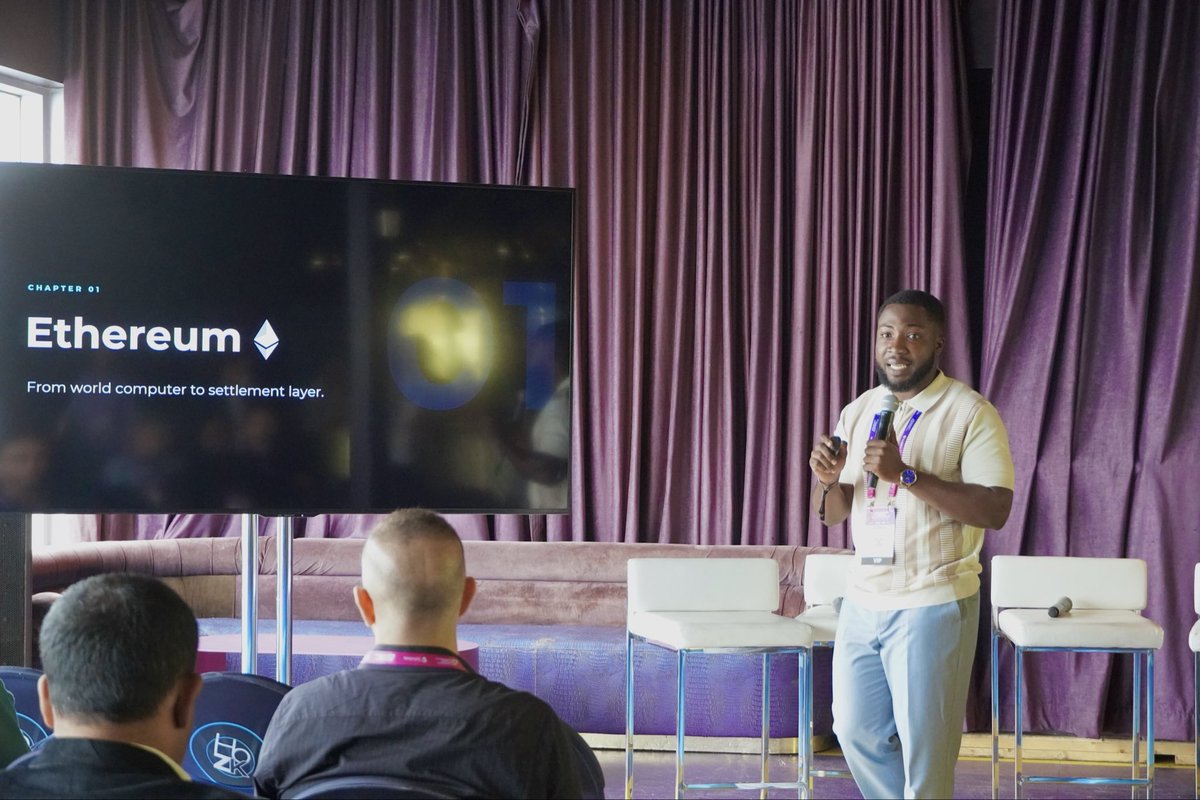
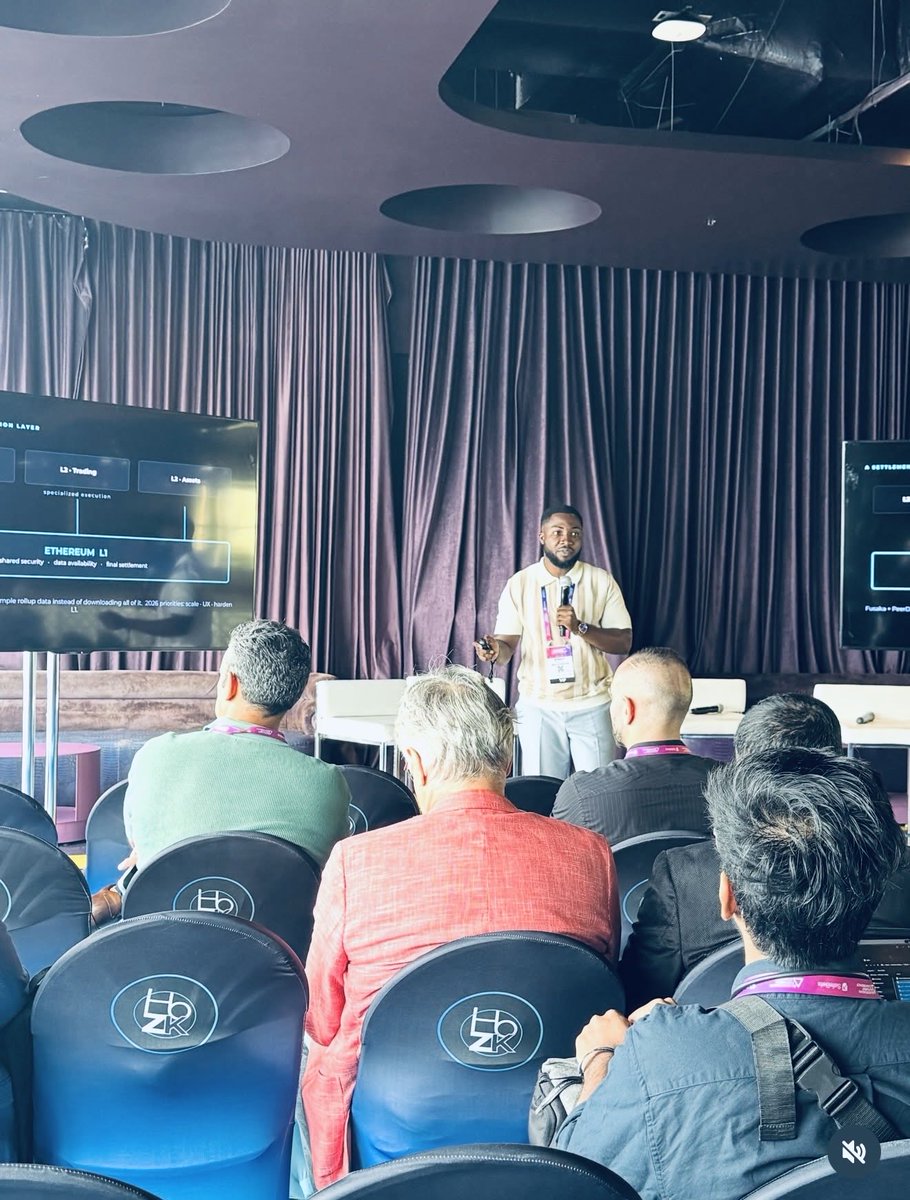
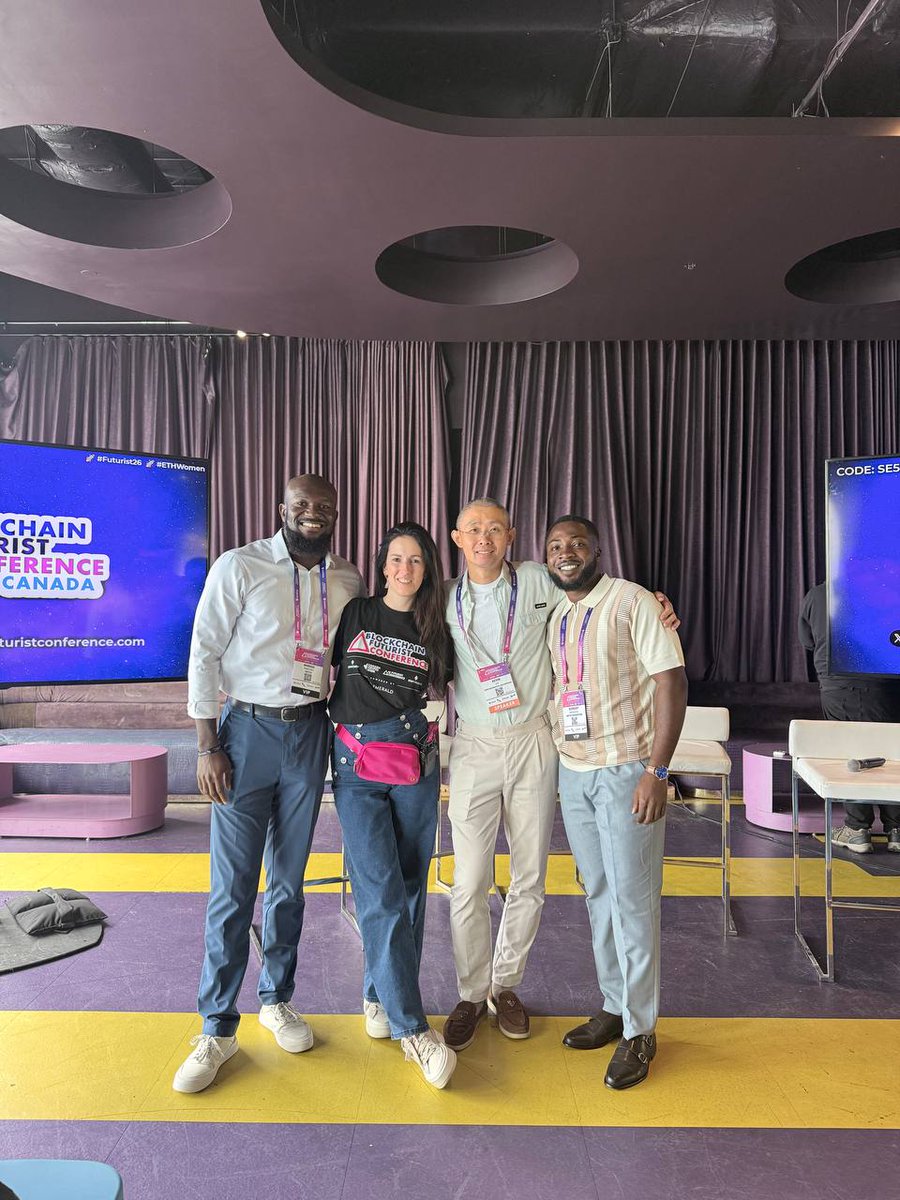
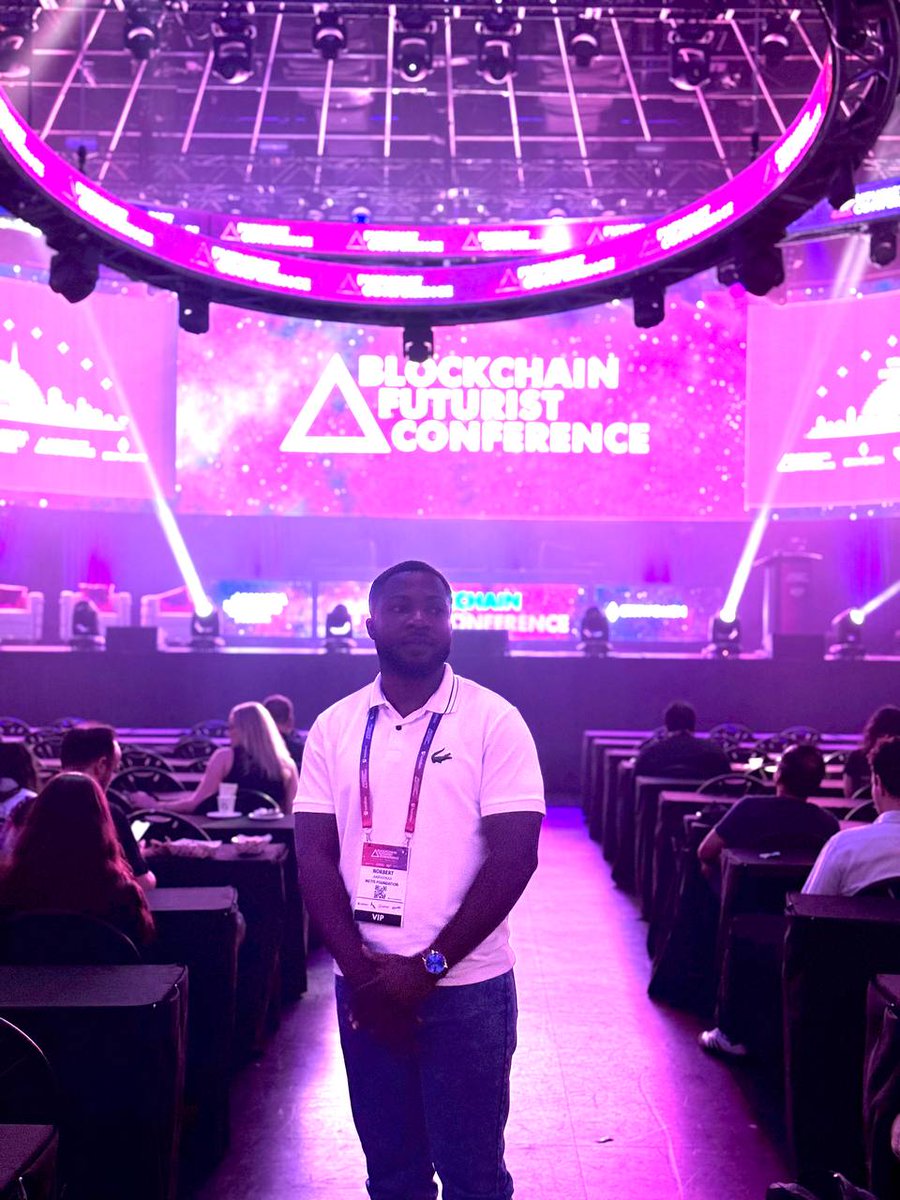
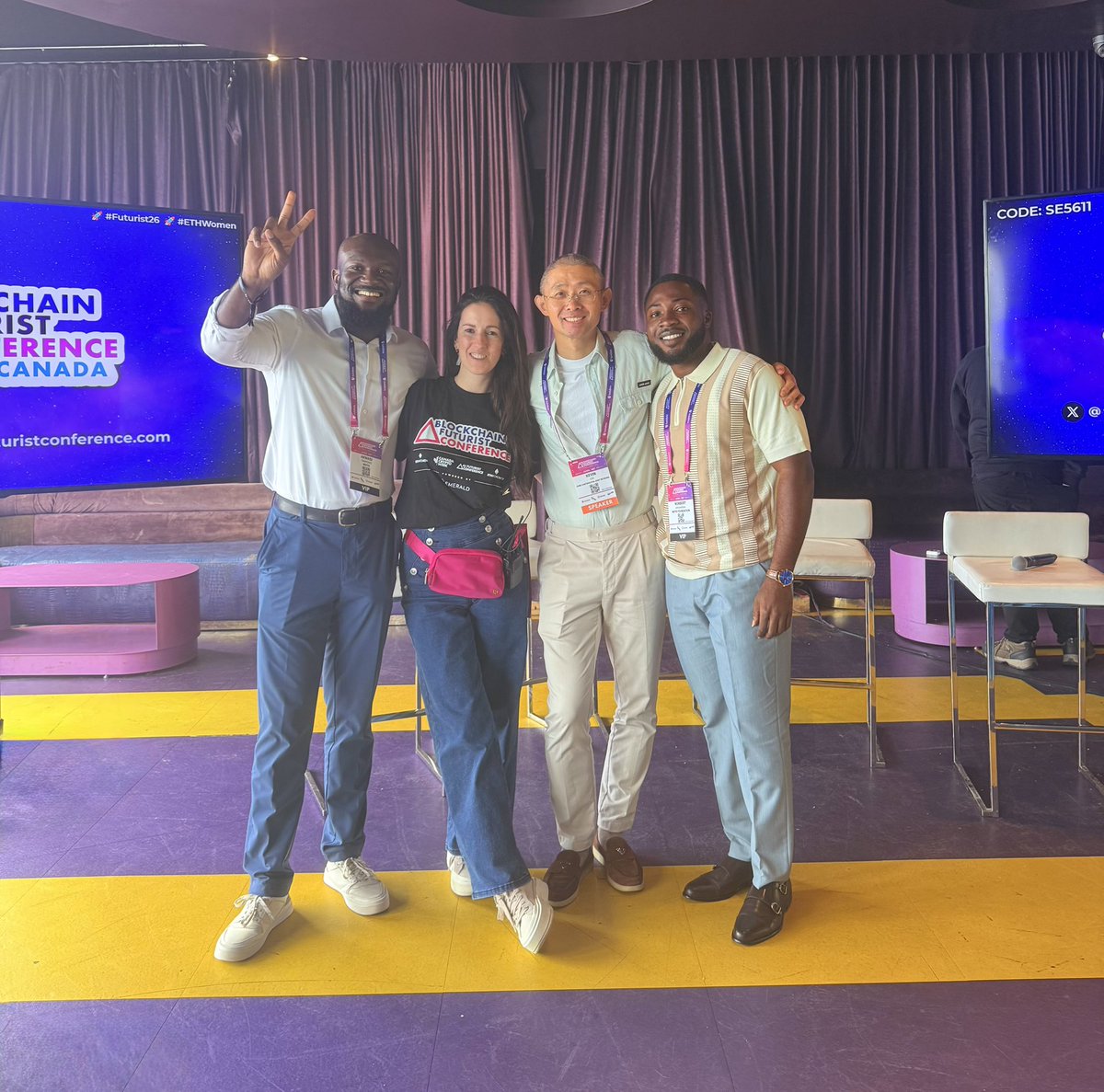
Speaking at this years @ETH_Toronto during the @CanadaCryptoWk🇨🇦 Week was thrilling.
Not surprising, but it still gives me chills seeing that many institutional leaders participating in a blockchain conference, not as the audience but as speakers. After almost 10 years in this space, I can confidently say how much the industry has matured. The next couple of years will be even more exciting with clearer regulations, AI, agentic payments, stablecoin infrastructure, and privacy.
Glad I also had the chance to meet so many brilliant colleagues across the industry.
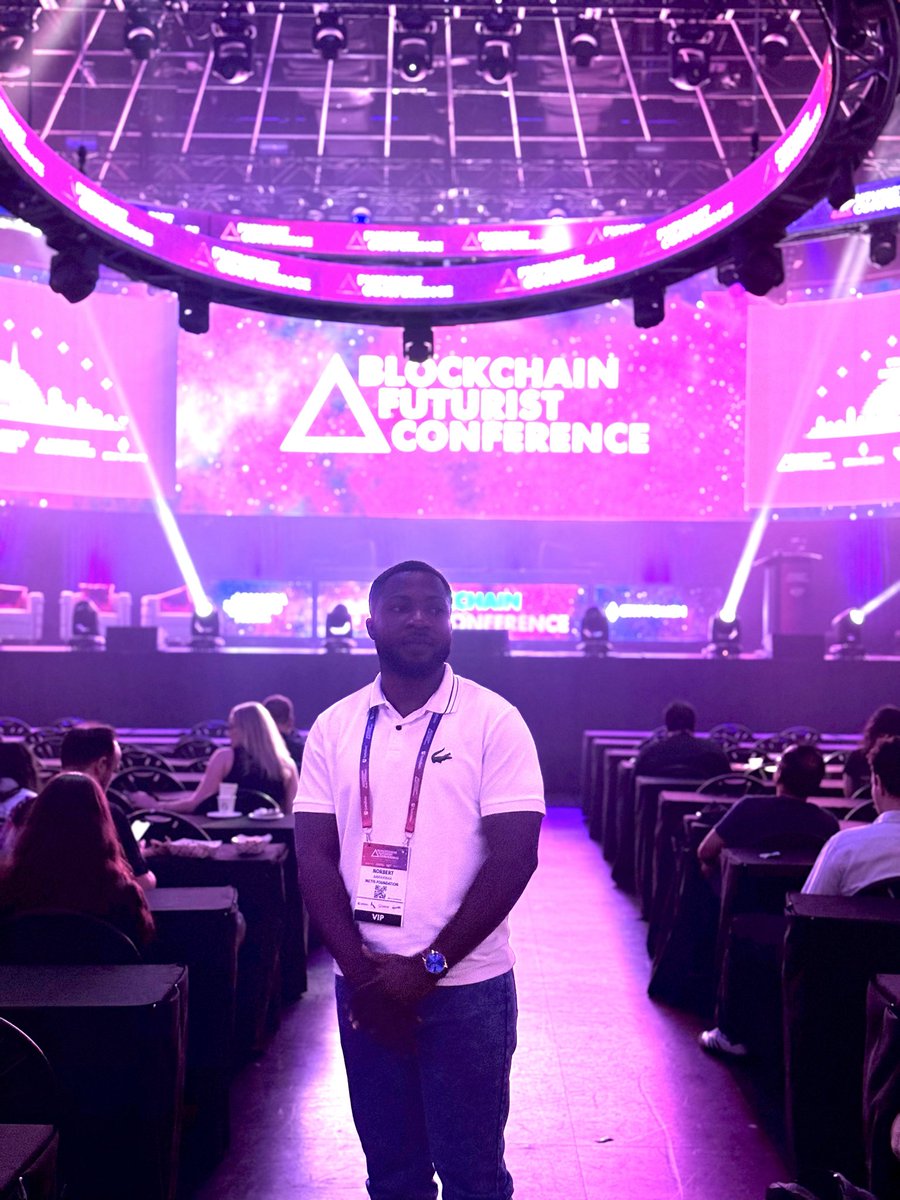
Great to see @Norbeegh representing Metis as a speaker at @Futurist_conf and @ETH_Toronto during @CanadaCryptoWk.
The industry continues to mature with AI, agentic payments, stablecoin infrastructure, privacy, and clearer regulations driving the next wave of Web3 innovation.
Excited for what’s ahead.
Infrastructure for the agent economy should not begin with the question, “Which chain is faster?”
It should begin with a more fundamental question: What do autonomous machines actually need to participate in an economy?
As AI agents begin to provide services, call APIs, manage assets, and transact with one another at machine speed, cheap blockspace alone is not enough. They need verifiable identity, native payment capabilities, programmable execution, and a settlement layer that does not depend on the continued permission of a single company, platform, or committee.
From this perspective, building on Bitcoin security is the more logical choice.
Unlike human participants, agents may have limited access to customer support, contractual arbitration, chargebacks, or other forms of off-chain recourse. This makes predictable execution, verifiable transaction history, credible neutrality, and reliable final settlement especially important for machine-to-machine commerce.
Bitcoin—with its long operating history, high cost of attack, and resistance to unilateral control—is a natural foundation for that settlement layer.
But Bitcoin L1 was not designed for high-frequency, programmable coordination between agents. What the agent economy needs is a complete infrastructure stack that brings execution, payments, identity, and developer tooling to Bitcoin-secured settlement.
That is what GOAT Network is building:
- Bitcoin-secured settlement provides a credibly neutral foundation for value.
- GOAT has integrated and optimized x402 and MPP, while developing a native multi-chain payment protocol that enables agents to pay for APIs, data, compute, and services directly from the chain where their funds already reside. By abstracting routing, chain switching, bridging, and fragmented liquidity, GOAT gives agents a seamless payment experience across networks, with settlement ultimately secured by Bitcoin.
- ERC-8004 gives agents portable, verifiable identity and reputation.
- AgentKit connects these capabilities to existing agents, allowing them to transact, establish identity, and interact onchain without rebuilding their entire stack.
The agent economy does not simply need “a blockchain for AI.” It needs open infrastructure through which autonomous machines can identify one another, establish trust, pay and get paid across networks, and settle value on a neutral monetary foundation.
If machines are going to become meaningful economic participants, the most logical infrastructure is one that minimizes their dependence on human permission—and hides unnecessary blockchain complexity from their experience.
The agent economy should not merely run onchain.
It should move across chains seamlessly and settle with Bitcoin-grade security.
That is the infrastructure GOAT Network is building.
This week at GOAT Network:
• We published Part 2 of our updated vision
• The @Berachain gift card campaign concluded
• We opened a North America DevRel role
• Ten bootcamp teams advanced to Stage 2 + mentor workshop
• CEO @KevinLiu spoke at two Toronto events
• GOAT BitVM3 moved closer to launch
Dive in below 🧵