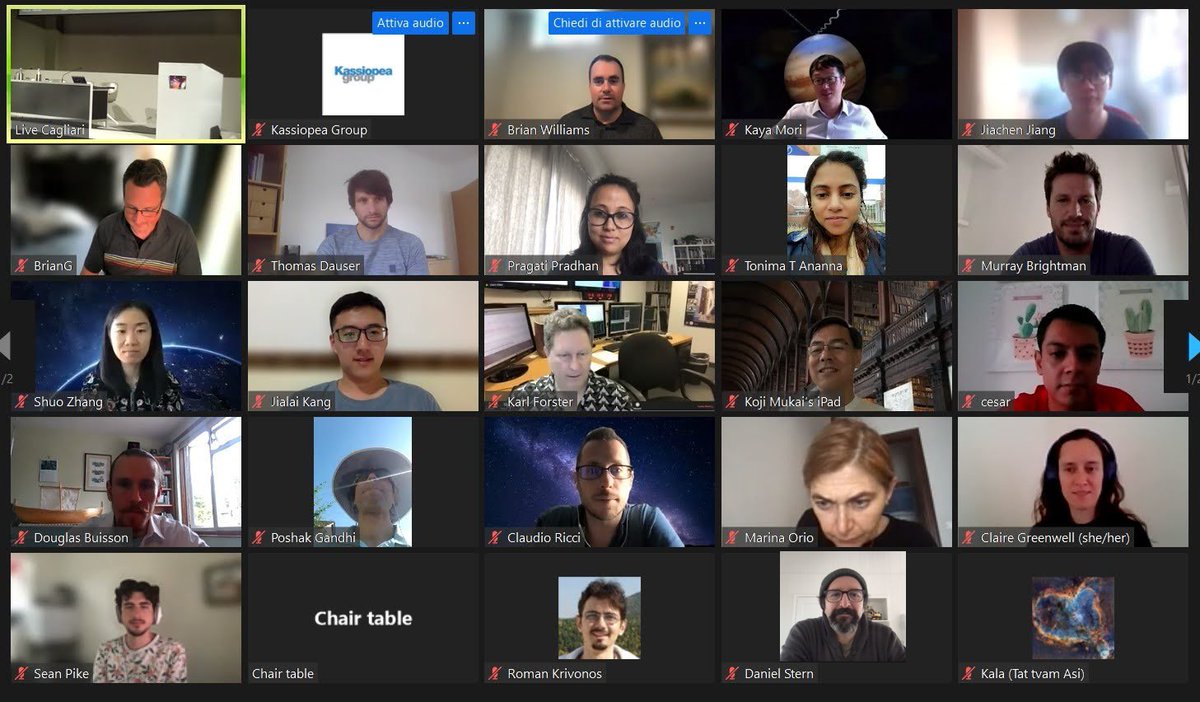
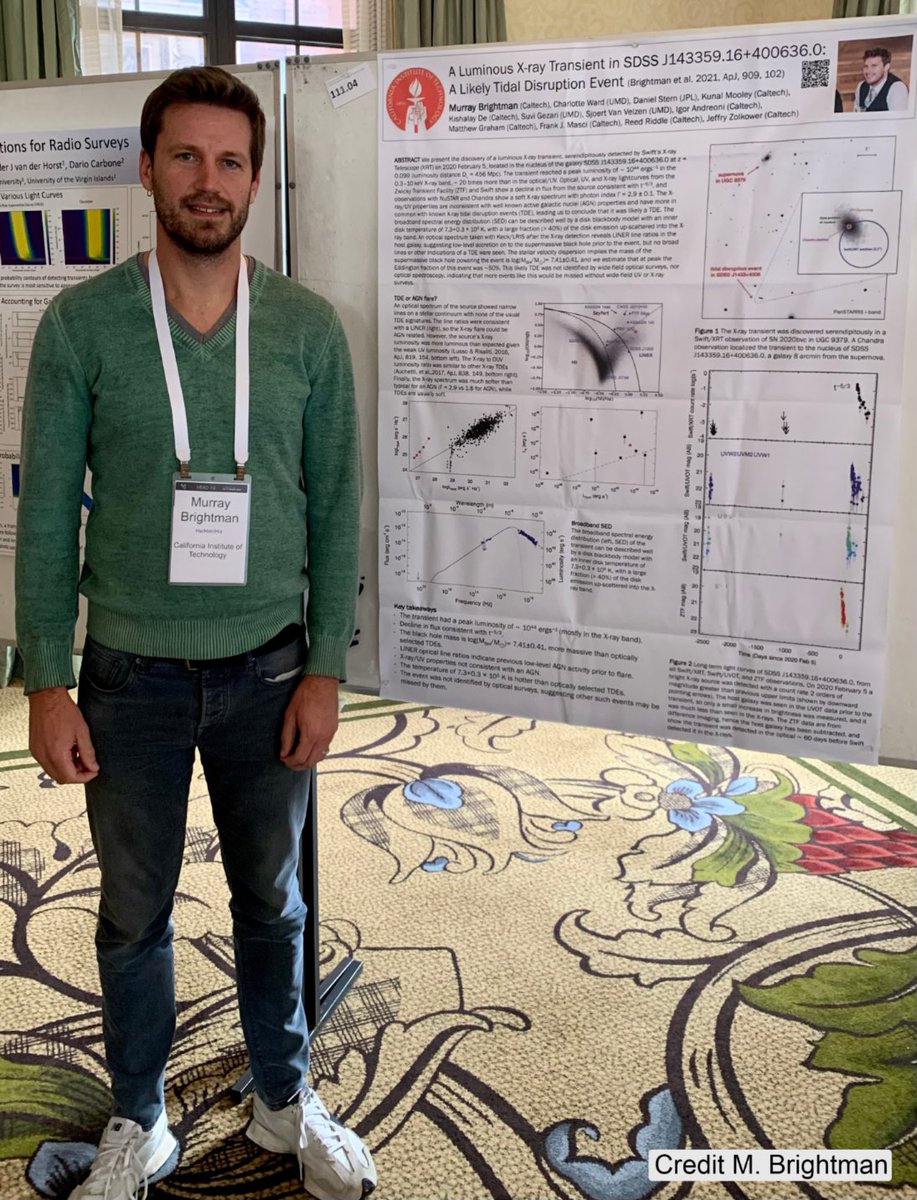
Caution! ⚠️ X-rays. Tomorrow is the deadline for @NuSTAR_Science observation proposals, for which hundreds of us are trying to convince our peers that each has the most interesting object for NuSTAR to turn her eyes to! #lifeinacademia
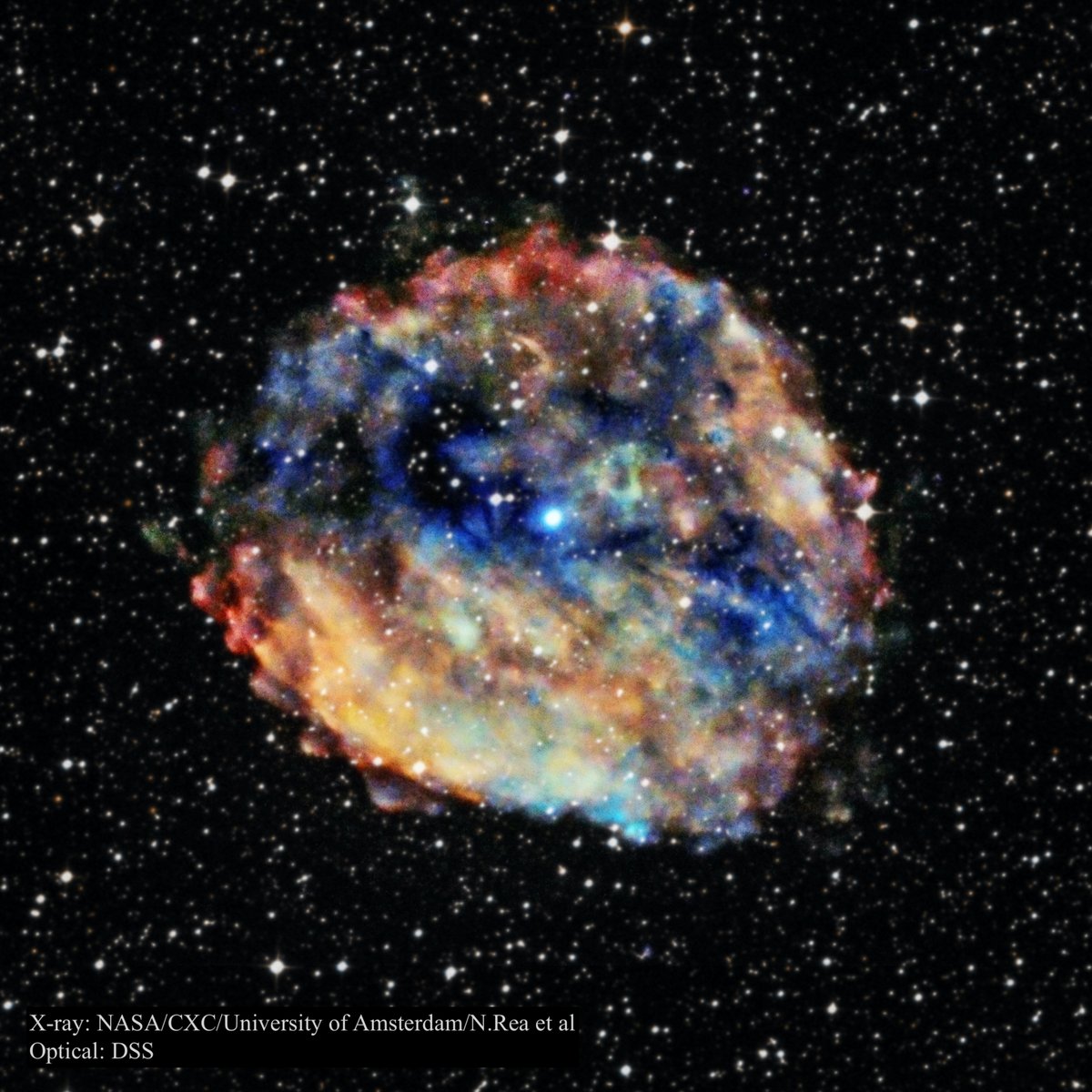
If you’re feeling a little sluggish, #TBT to 2016 when our Swift, NuSTAR, and @chandraxray telescopes announced one of the slowest-known pulsars. This stellar core turns once every 6.5 hours — poky compared to the 100s of times a second others can spin! https://t.co/VSi3txx2XX
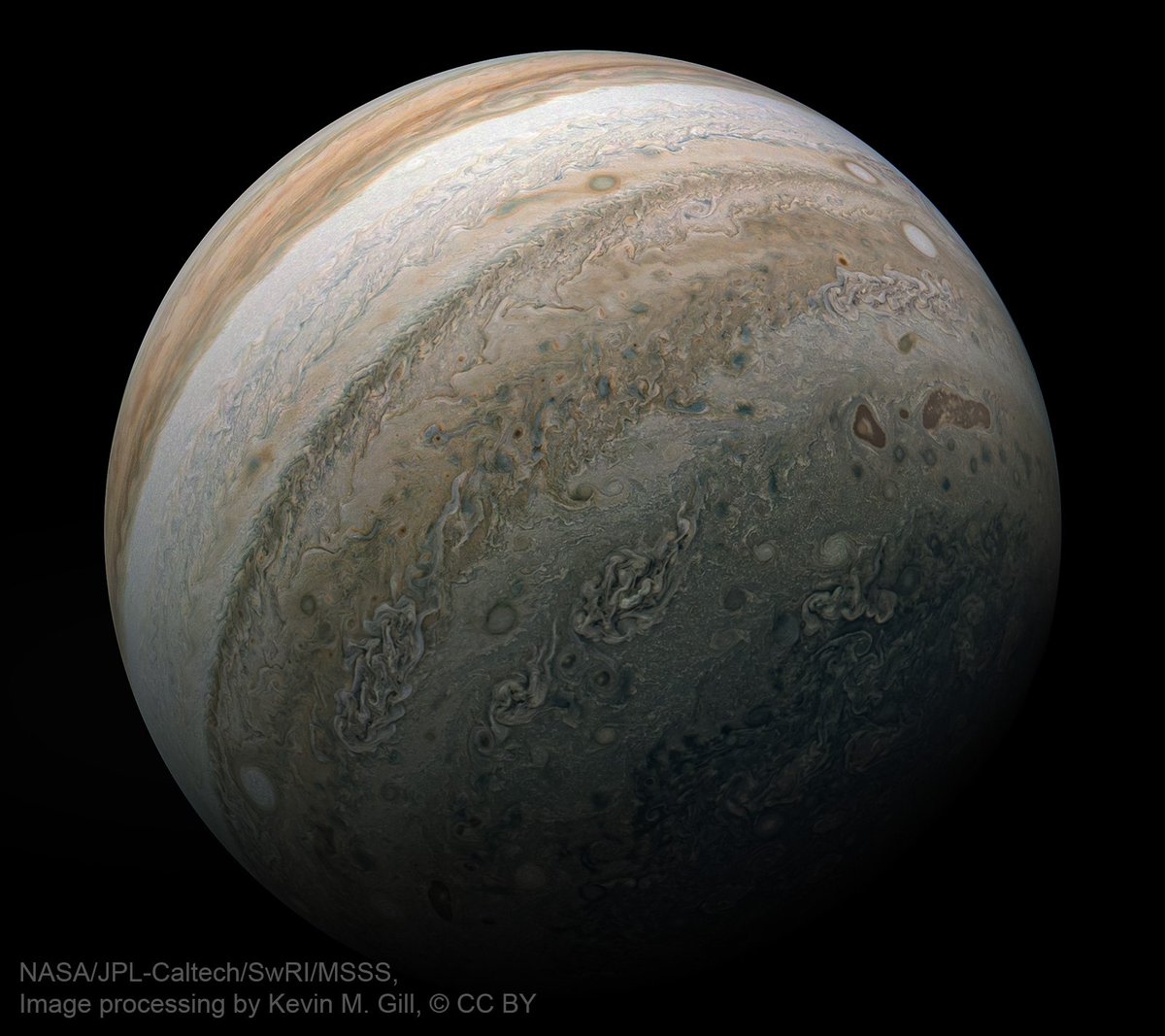
Our X-ray telescopes usually focus on the universe outside the @NASASolarSystem, but sometimes they make discoveries within it! NuSTAR recently observed the highest-energy light ever detected from Jupiter and helped solve a decades-old mystery: https://t.co/sBA3goRqXB
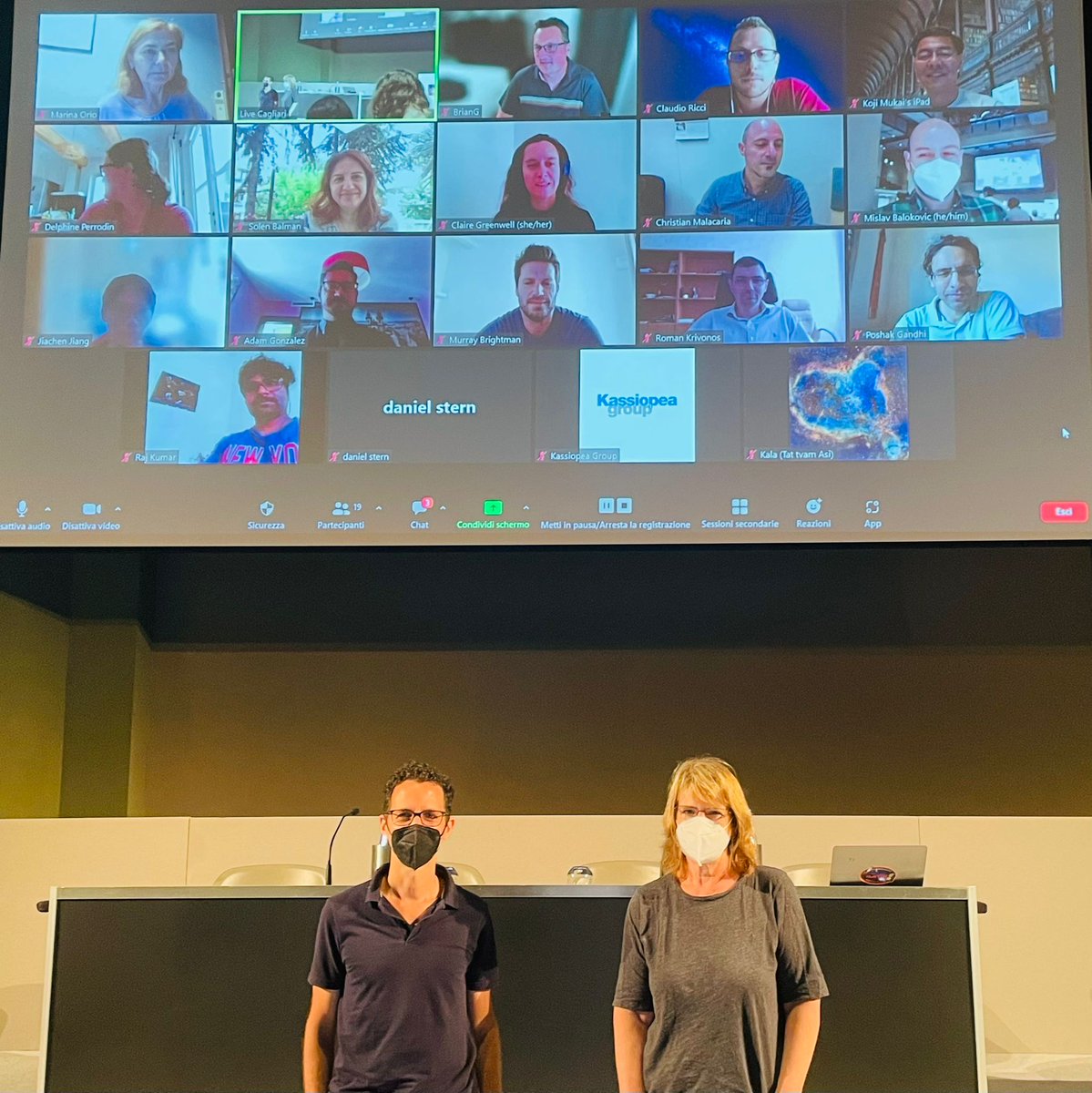
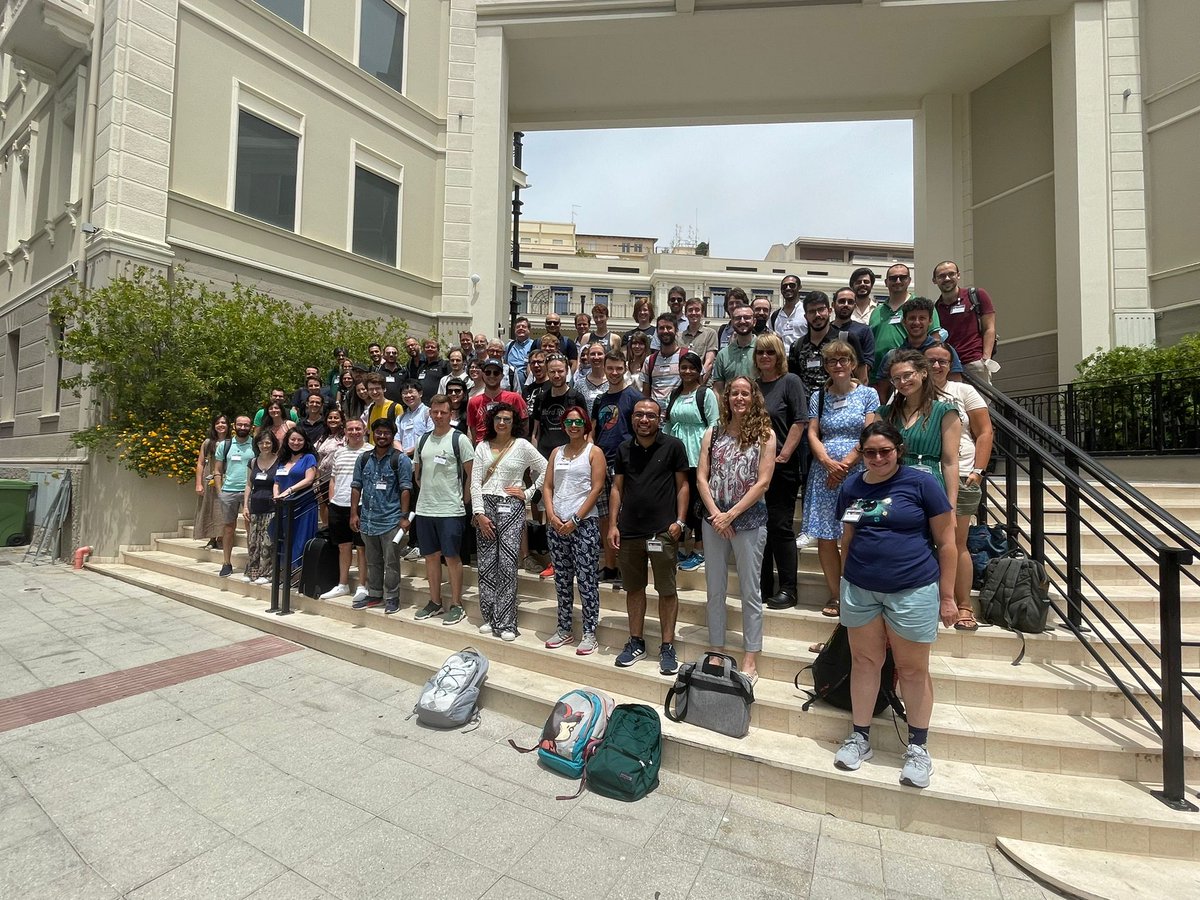
Finally -- thank you to everyone who attended #NuSTARX. The future of @NuSTAR_Science is bright, and the past ten years have been full of exciting science. From the students giving their first talks to the folks who've been with NuSTAR since the start, you make NuSTAR a success!
Launched from a rocket strapped to the belly of an aircraft on June 13, 2012, @NASA's #NuSTAR mission is celebrating 10 years in space! The mission has made discoveries about black holes, supernova remnants, pulsars, our own fiery sun, and more. 🛰️ https://t.co/QsWxZGLm9c
Happy 10 years in space, NASA NuSTAR!🎂😁 Wishing you many more exciting discoveries as we explore the X-ray Universe together!🎉 #XRaysAreTheBestRays
More at: https://t.co/X8j0M3EcT6
In 2014, astronomers used NuSTAR to discover a pulsating, dead star beaming with the energy of 10 million Suns. This is one of NuSTAR’s most astonishing discoveries because the these ultraluminous X-ray sources were previously thought to be black holes: https://t.co/CZ9XH92T7M