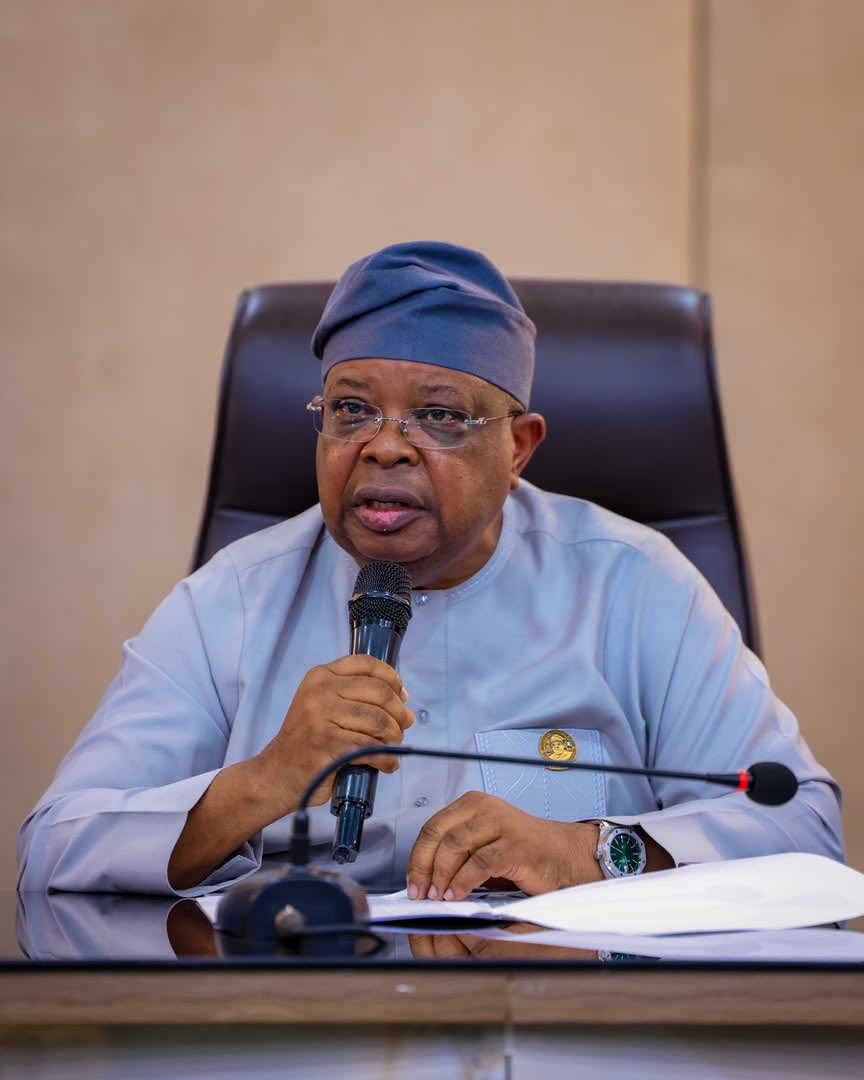
Three months ago, I took on the responsibility of serving as Minister of Power. I promised disciplined execution, grid stability through real reform, visible improvement, and honest communication.
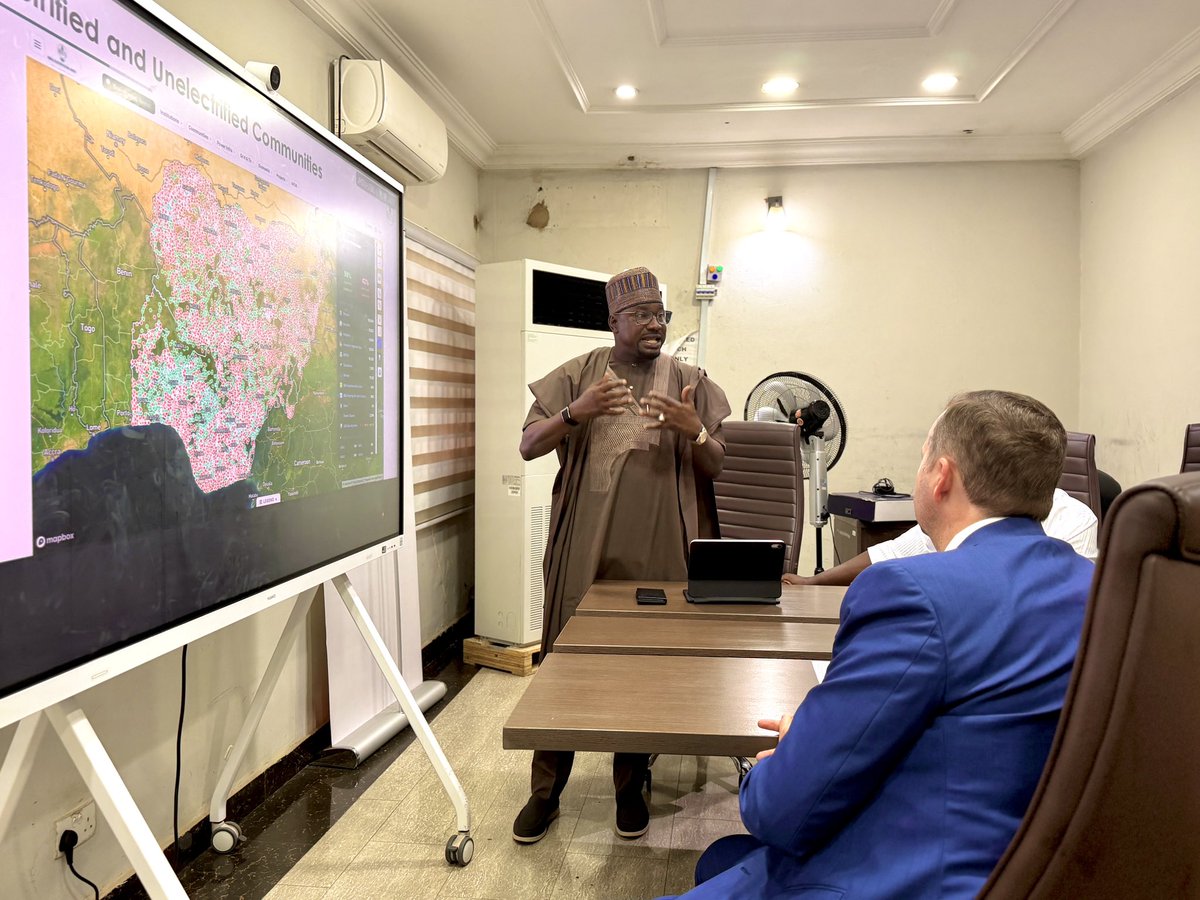
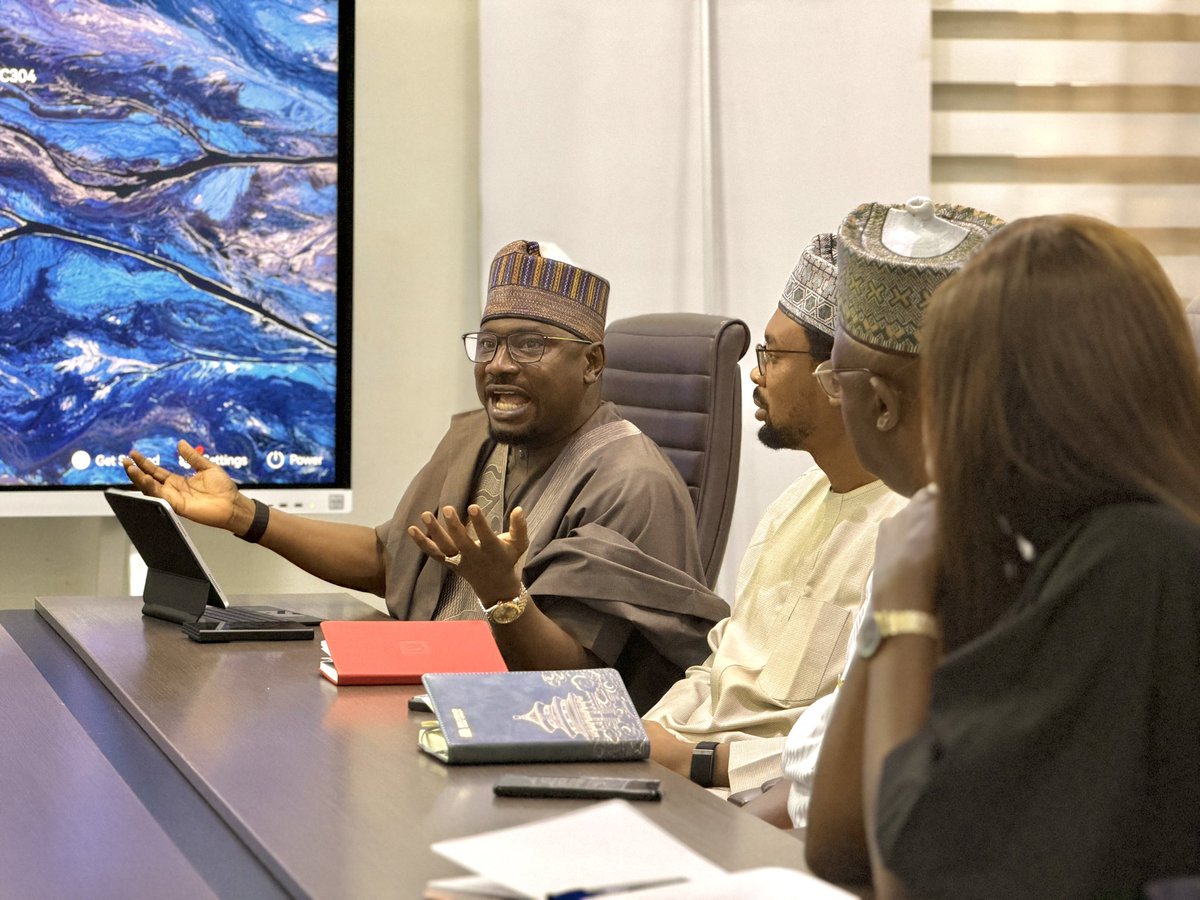
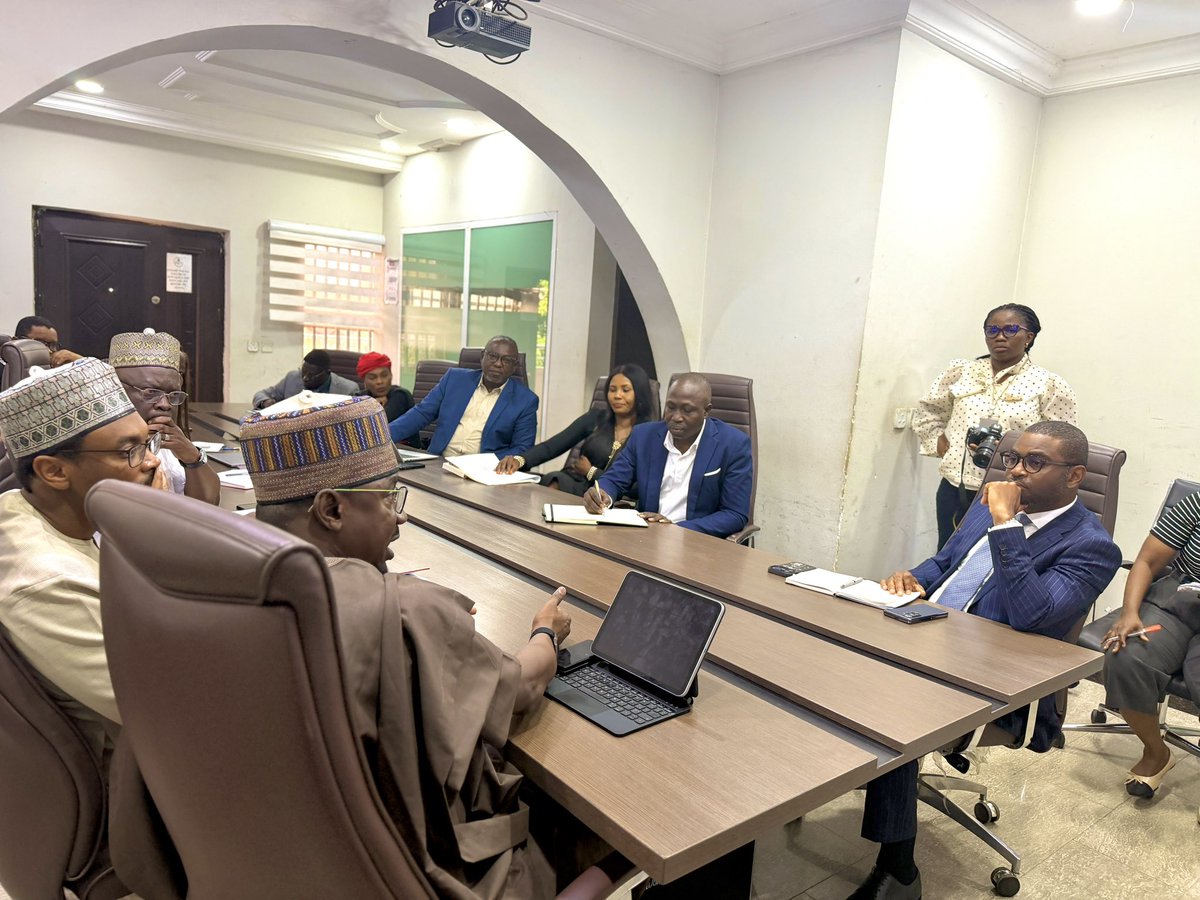
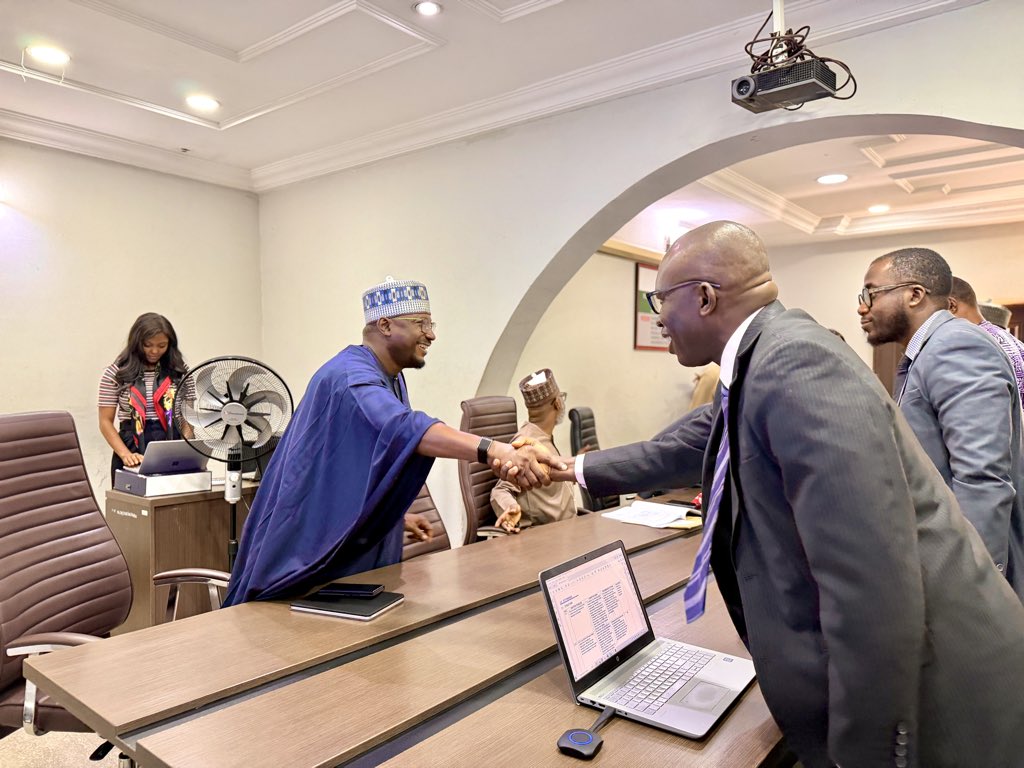
I was pleased to join the Husk Power Strategy Session, where I led a special discussion on the opportunities for Husk Power as Nigeria expands its mini-grid sector. We spoke about developments across the sector, Husk Power’s organisational priorities, and the operational realities that must shape its next phase of growth.
One point I emphasised is that private sector participation is essential to closing Nigeria’s energy access gap. Developers bring experience, investment and the ability to respond to the needs of the communities they serve. Our responsibility at the REA is to keep creating opportunities for that participation and to work with partners on the practical challenges that come with delivering projects at scale.
I appreciated the openness of the conversation with the Husk Power team. Strategy sessions like this matter because they give us room to ask difficult questions on what is working, what needs to improve, and how can we build mini-grids that continue to serve households and businesses well beyond installation.
My thanks to Husk Power for inviting me to be part of the session. I look forward to continued collaboration as we strengthen private sector participation and expand reliable electricity access to more Nigerians.
#EnergyAccess #MiniGrids #PrivateSectorParticipation #RuralElectrification #RenewableEnergy #HuskPower #PoweringNigeria #abbaaliyu
When we talk about bringing electricity to a community, I often ask what that electricity will make possible. Electric mobility is one of the opportunities we need to explore more closely, especially where it can support livelihoods and make good use of the power available.
I met with the Electric Mobility Promoters Association of Nigeria (EMPAN) and my team at the REA to discuss the concept note EMPAN submitted to the Agency. We considered how to take the proposal forward towards a Memorandum of Understanding and, more importantly, what a practical partnership between REA and EMPAN could look like.
Our conversation focused on electric mobility as a productive use of energy in the communities we serve. For me, that connection matters. Expanding electricity access should also create room for new services, enterprise and economic activity that respond to people’s everyday needs.
I shared my interest in taking this partnership forward and have set up a technical team from the REA to work with EMPAN on the proposal. Their task is to examine the opportunities, work through the practical details and help us determine the next steps.
I appreciate the EMPAN team for bringing this idea to us and for the discussion we had. I look forward to seeing what our teams can develop together as we continue to find more ways for reliable electricity to serve communities and support local economies.
#EnergyAccess #ElectricMobility #ProductiveUseOfEnergy #MiniGrids #RuralElectrification #RenewableEnergy #PrivateSectorPartnerships #abbaaliyu
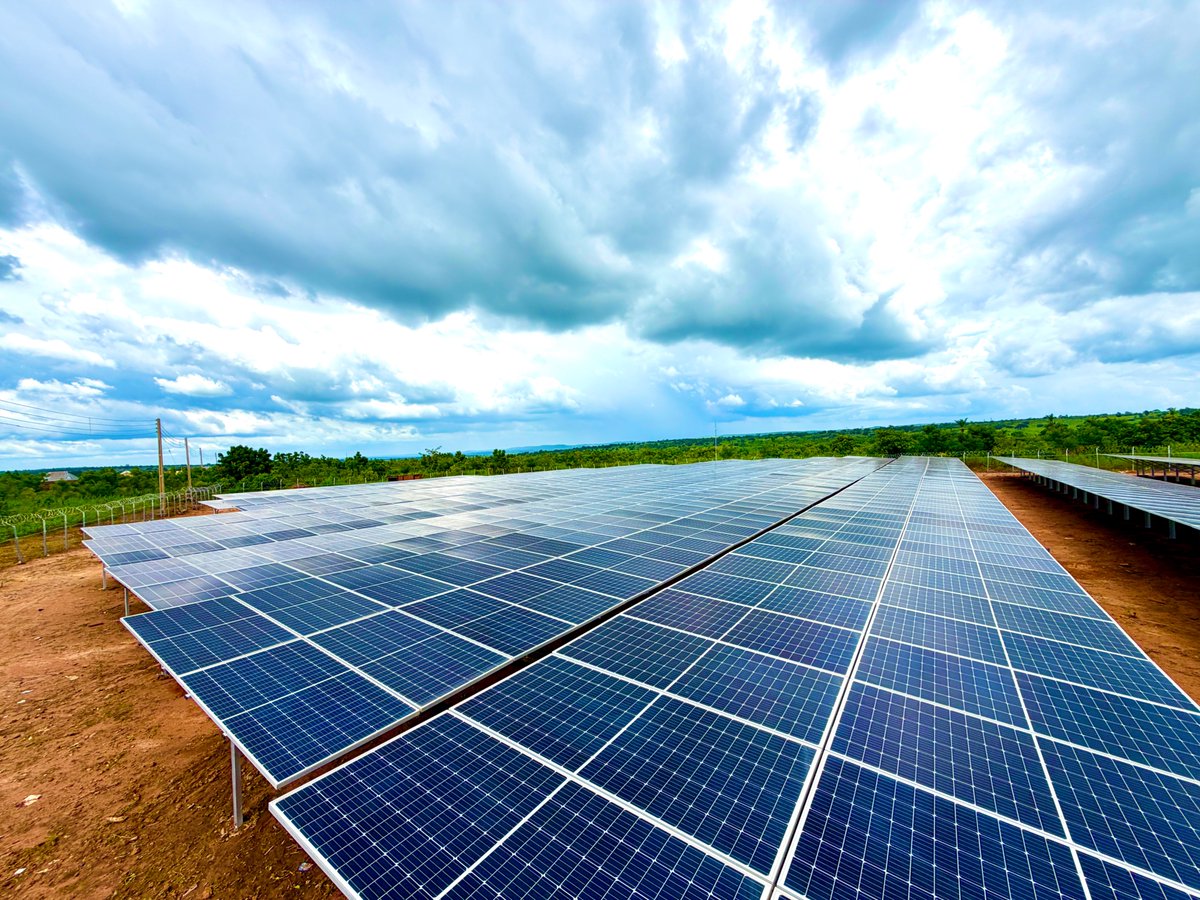
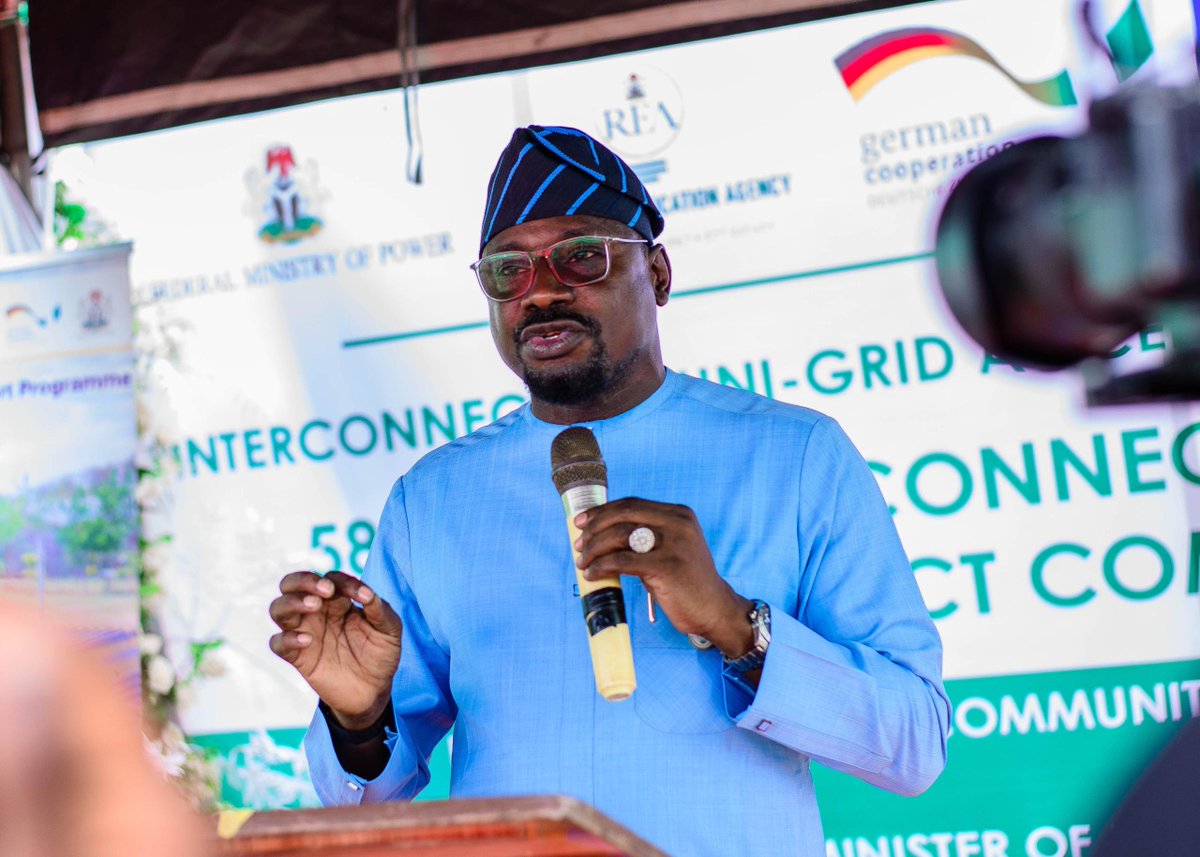
Electricity access matters most when people can use it to improve their daily lives and grow their businesses. That was very much on my mind as we commissioned the 581kWp interconnected mini-grid in Oke-Oyi, Ilorin East LGA, Kwara State.
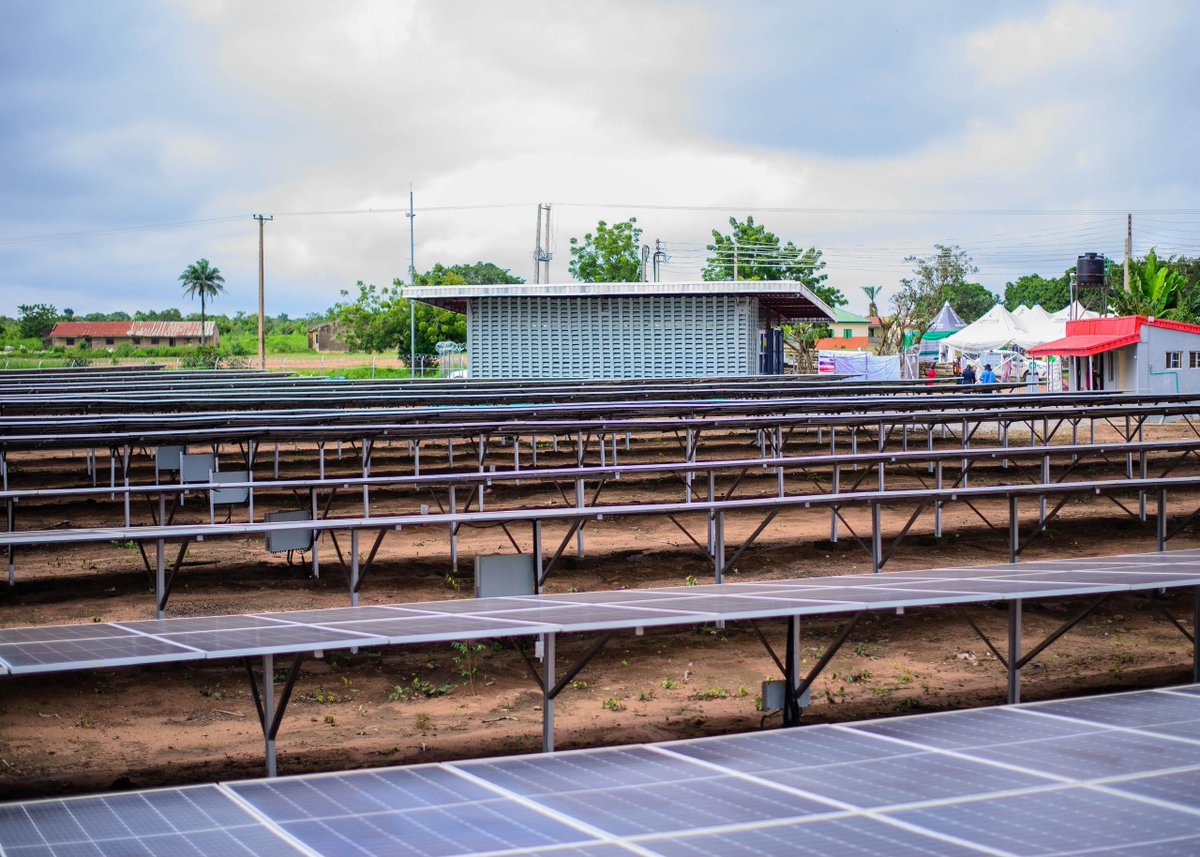
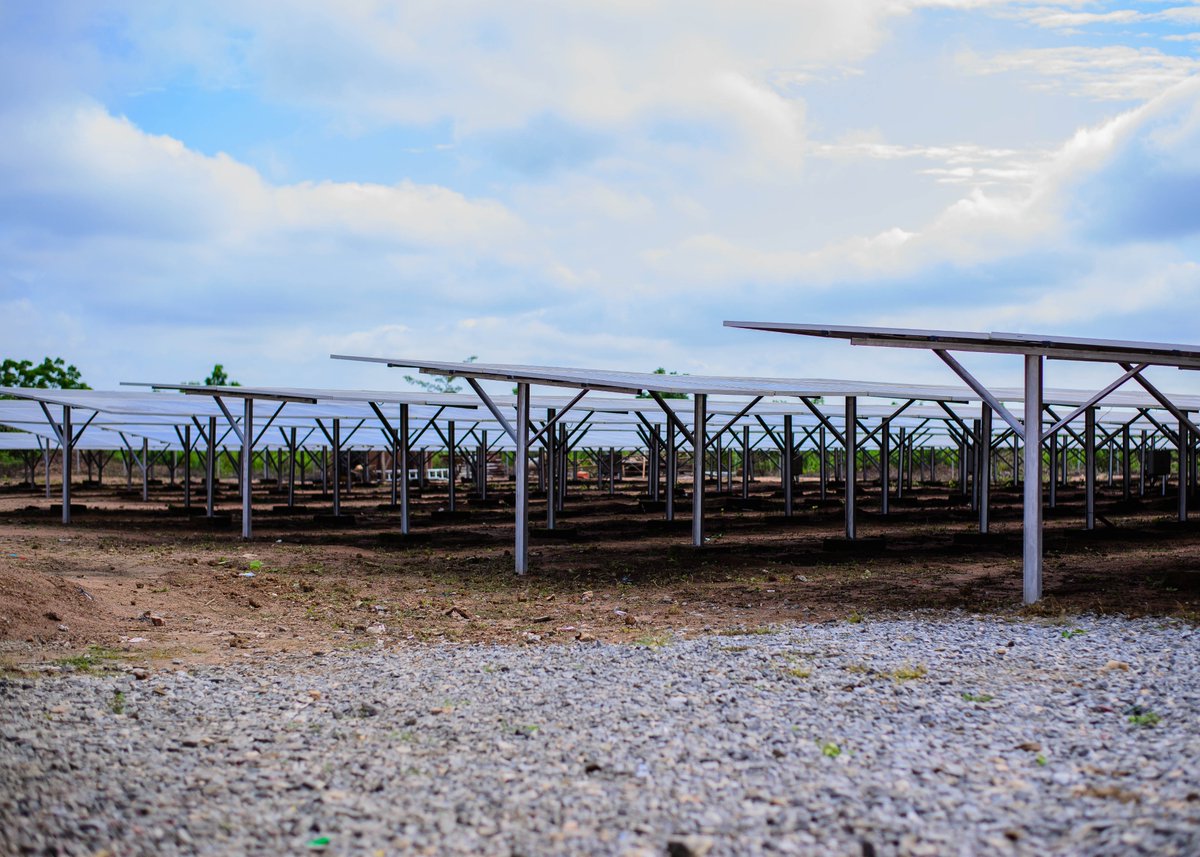
Delivered under the Interconnected Mini-Grid Acceleration Scheme (IMAS) by Nayo Tropical Technologies Limited, the project has a total installed solar capacity of 581kWp, comprising 1,336 solar panels, alongside 1.4MW of battery storage. Approximately 10 kilometres of distribution cables and transformers support the network, extending electricity connections to homes and productive users in a community with an estimated population of 13,000 people.
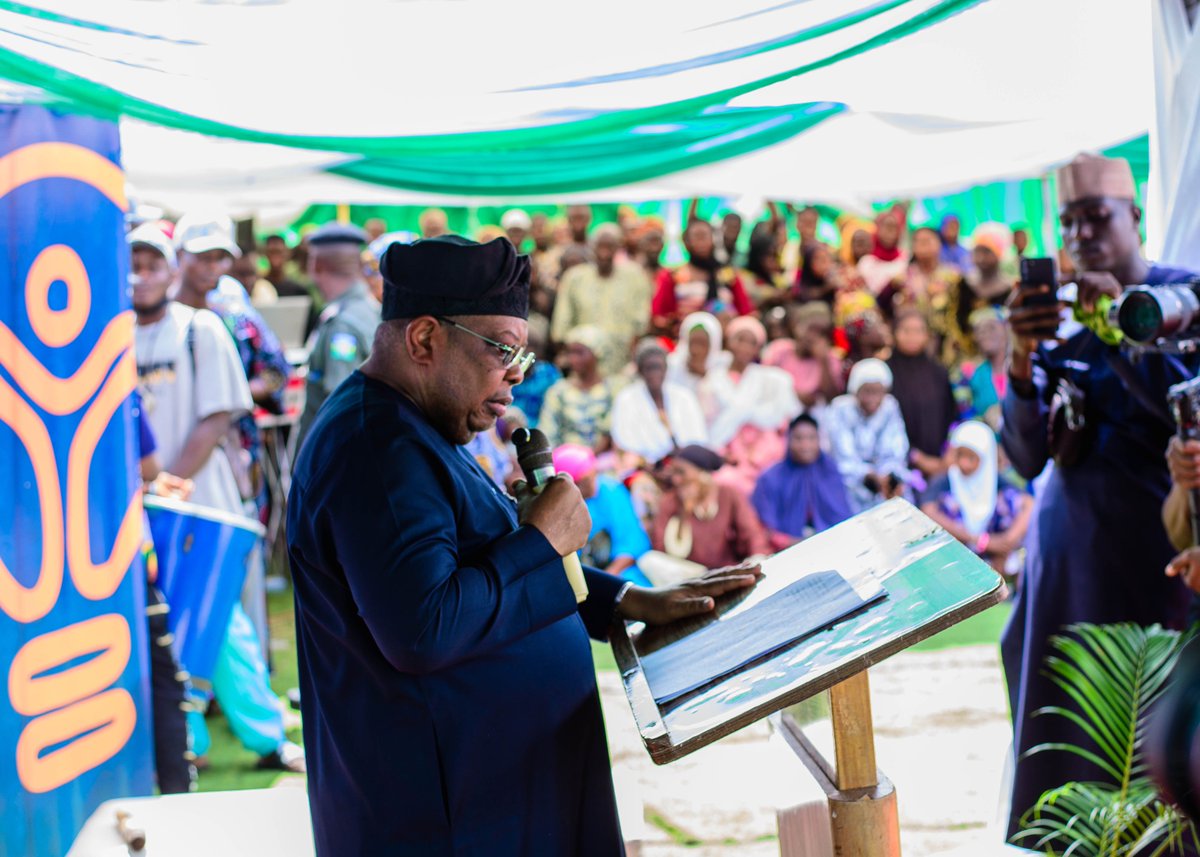
At the commissioning, the Honourable Minister of Power, Chief Joseph Tegbe, reminded us that investments in electricity must translate into better livelihoods and more economic opportunities. I share that view. The value of this project will be seen in how reliably it serves the people of Oke-Oyi and what they are able to do with that power.
Electricity access matters most when people can use it to improve their daily lives and grow their businesses. That was very much on my mind as we commissioned the 581kWp interconnected mini-grid in Oke-Oyi, Ilorin East LGA, Kwara State.
Delivered under the Interconnected Mini-Grid Acceleration Scheme (IMAS) by Nayo Tropical Technologies Limited, the project has a total installed solar capacity of 581kWp, comprising 1,336 solar panels, alongside 1.4MW of battery storage. Approximately 10 kilometres of distribution cables and transformers support the network, extending electricity connections to homes and productive users in a community with an estimated population of 13,000 people.
At the commissioning, the Honourable Minister of Power, Chief Joseph Tegbe, reminded us that investments in electricity must translate into better livelihoods and more economic opportunities. I share that view. The value of this project will be seen in how reliably it serves the people of Oke-Oyi and what they are able to do with that power.
The promise of a mini-grid is easier to understand when you think about what more reliable power could mean for a family at home or a business trying to grow. That is the opportunity we are working towards in five locations across the Federal Capital Territory.
Under the REA-coordinated Utility Enabled Projects (UEP) programme, Transcorp Energy and Husk Power are set to develop 30MW of interconnected solar mini-grids. The programme, supported by the World Bank, brings private developers into projects that connect renewable energy to existing distribution infrastructure, with the aim of improving electricity supply in underserved communities.
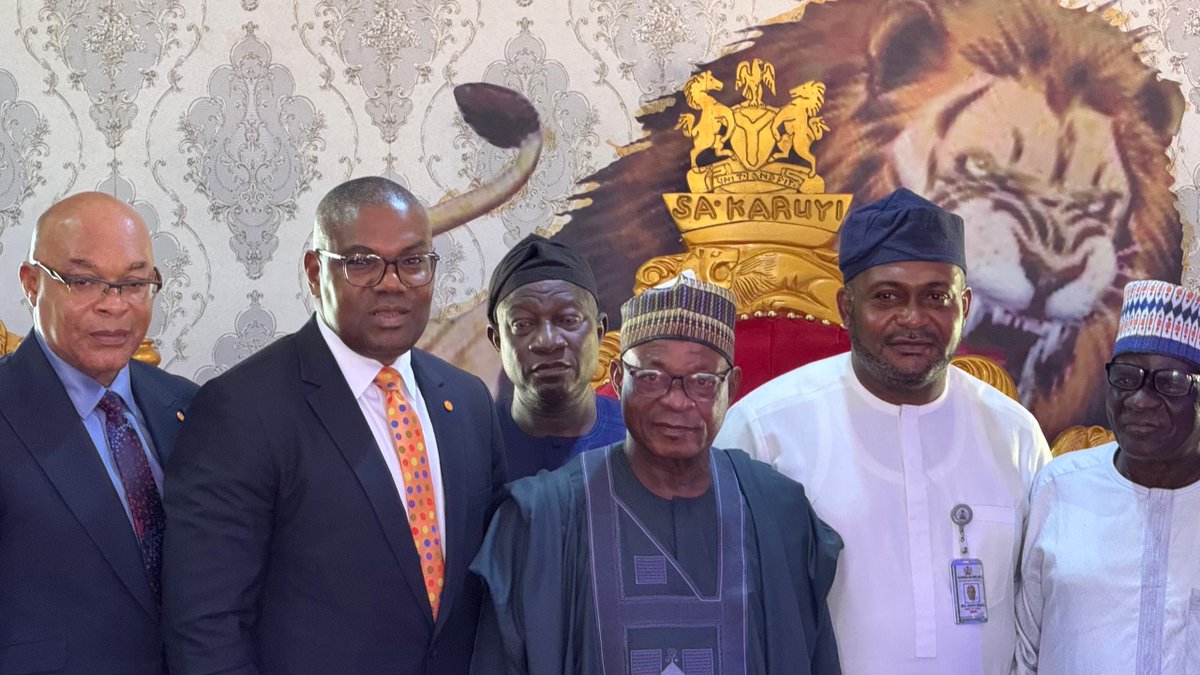
I was pleased to receive an update from the recent Transcorp Energy/Husk Power stakeholder engagement. Their team visited the palaces of the Sarkin Karu and Sarkin Karshi to share the plans for the project, which includes locations within their chiefdoms. Both traditional leaders welcomed the news. I appreciate their reception and the opportunity to begin these conversations with the communities the projects are intended to serve.
For us at the REA, private sector participation is central to delivering projects at this scale. We need capable partners who can develop these systems, work with existing distribution networks and sustain reliable service over time. We also need to listen to communities early, so their needs inform how the projects move forward.
I thank the Sarkin Karu and Sarkin Karshi for receiving the engagement team, and Transcorp Energy and Husk Power for taking this important step. I look forward to the work ahead as we bring this planned investment closer to the households and businesses it is meant to serve.
#EnergyAccess #MiniGrids #UEP #RenewableEnergy #PrivateSectorParticipation #FCT #RuralElectrification #abbaaliyu
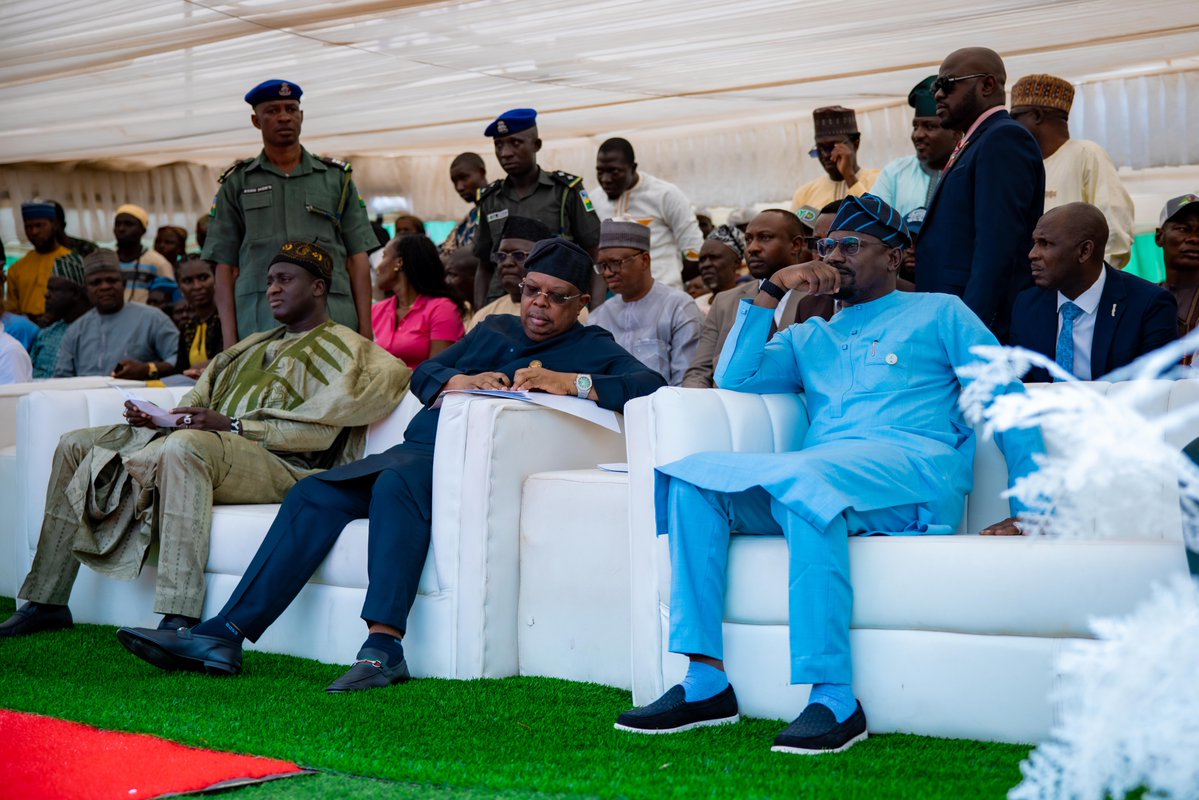
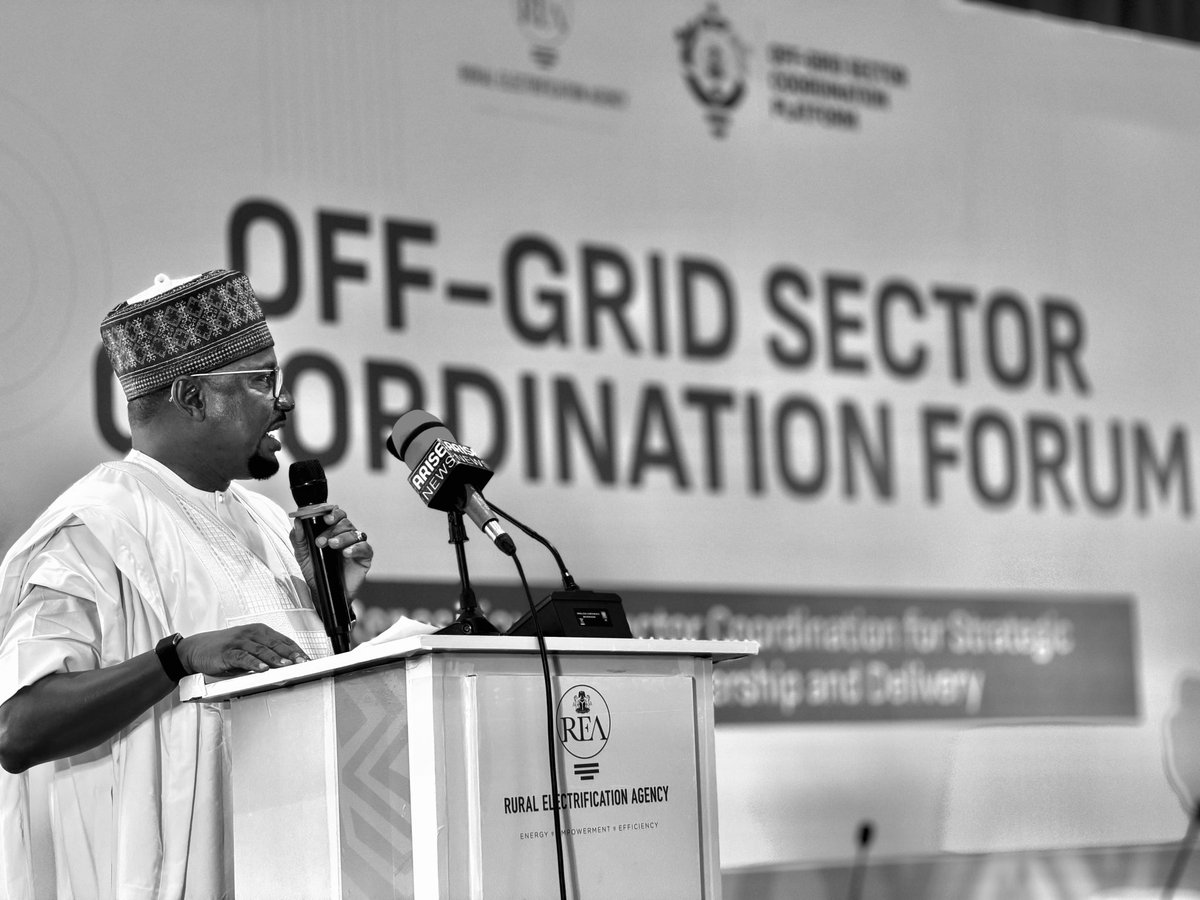
Nigeria’s off grid energy sector has grown far beyond the small group of pilot projects and partners we knew when the first donor roundtable was held in 2017. That growth is encouraging, but it also makes one thing clear. We cannot deliver the next phase of electricity access by working in silos.
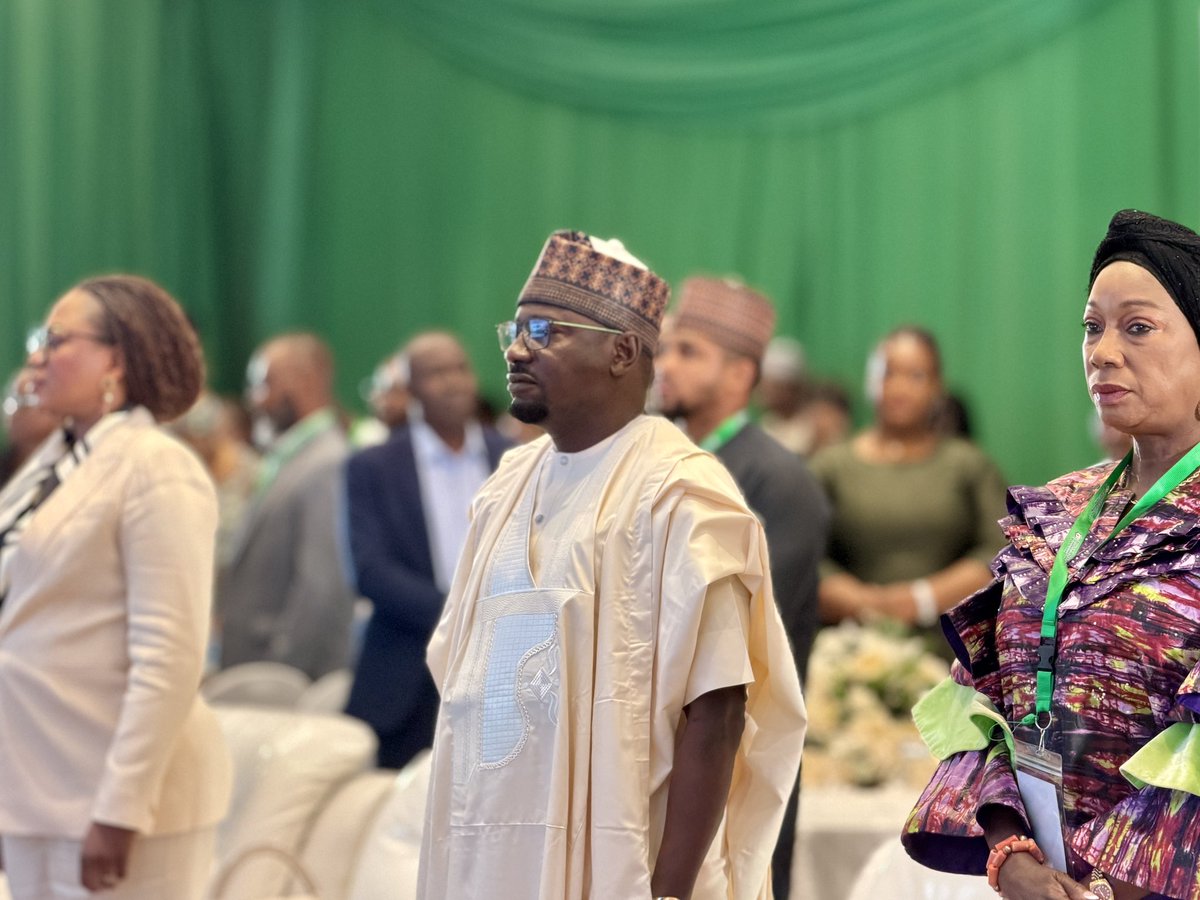
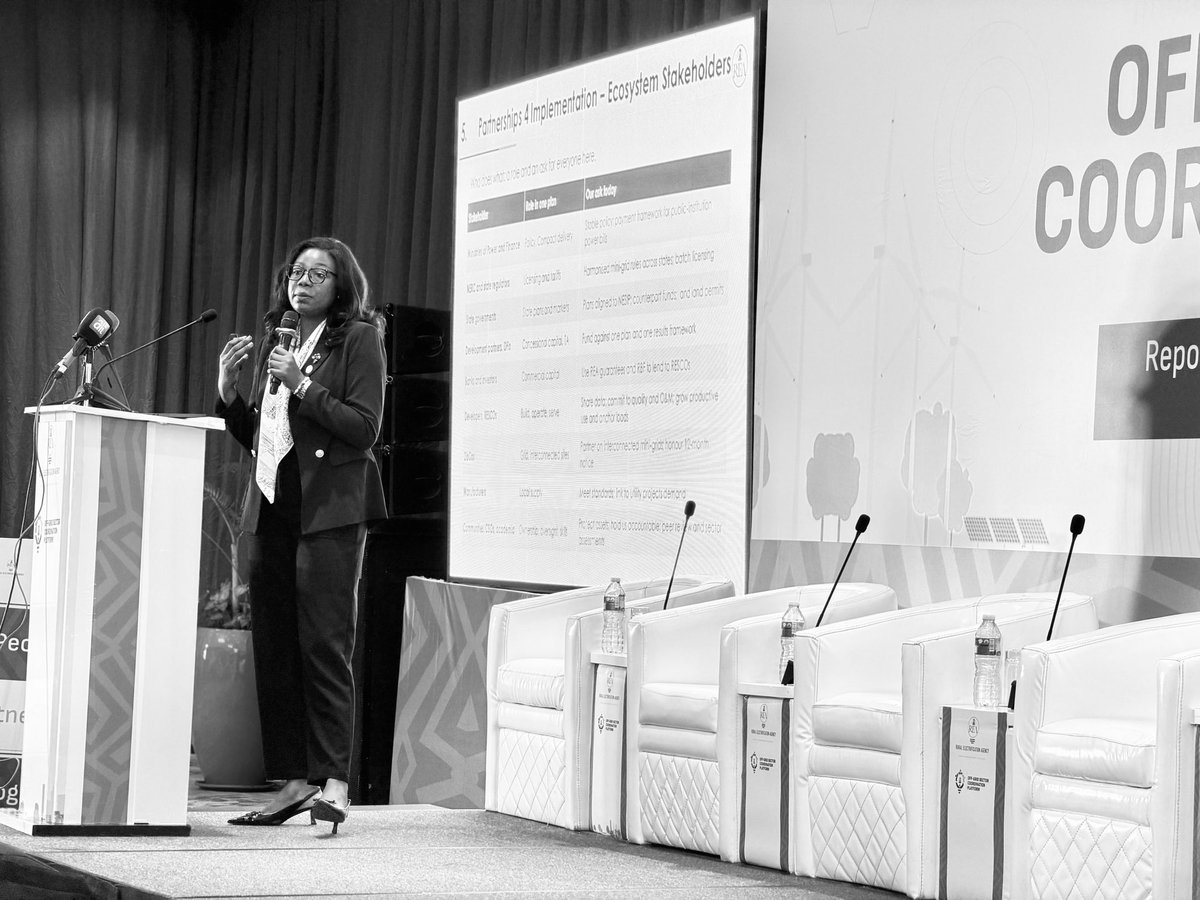
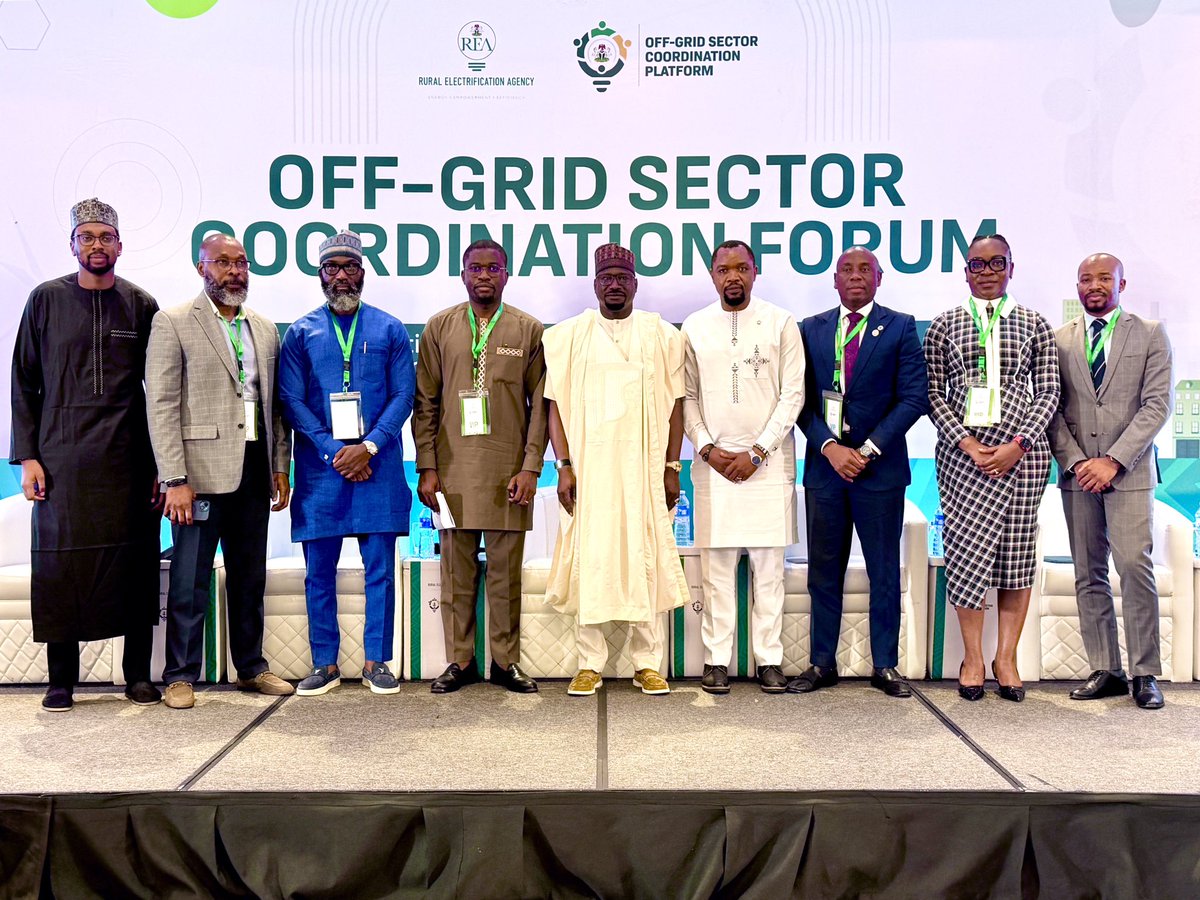
I shared this message at the launch of the Off Grid Stakeholder Coordination and Partnership Forum, convened by the REA with support from GIZ NESP, UK PACT, SNV and GOGLA. It was an opportunity to bring development partners, financiers, civil society and other sector stakeholders into the same conversation about where we have made progress and where we need to work more closely together.
Across programmes such as NEP and DARES, we have seen what partnerships can make possible. We also know the challenges ahead, including making electricity more affordable, attracting private capital, supporting local manufacturing and building services that remain viable over time. No single institution can address these issues alone.
That is why we are making coordination a continuous part of the REA’s work. Through a dedicated Off Grid Coordination Secretariat, working groups and better tracking of shared priorities, we want to help partners connect their efforts and turn discussions into action. The Forum gave us a chance to introduce this approach, listen to one another and begin agreeing on the work ahead.
My thanks to GIZ NESP, UK PACT, SNV, GOGLA, Heinrich Böll Stiftung, Beckaphyll and Murty International Ltd for their support, and to all our development partners, financiers, private sector representatives and civil society stakeholders for contributing to a successful forum.
The strength of this sector lies in the people and institutions building it together. Our task now is to ensure those efforts bring reliable electricity and lasting opportunities to more Nigerians.
#EnergyAccess #OffGridEnergy #RenewableEnergy #SectorCoordination #abbaaliyu
Expanding electricity access takes more than building new projects. It also takes the right technical expertise, financing and partnerships to help those projects serve communities well over time.
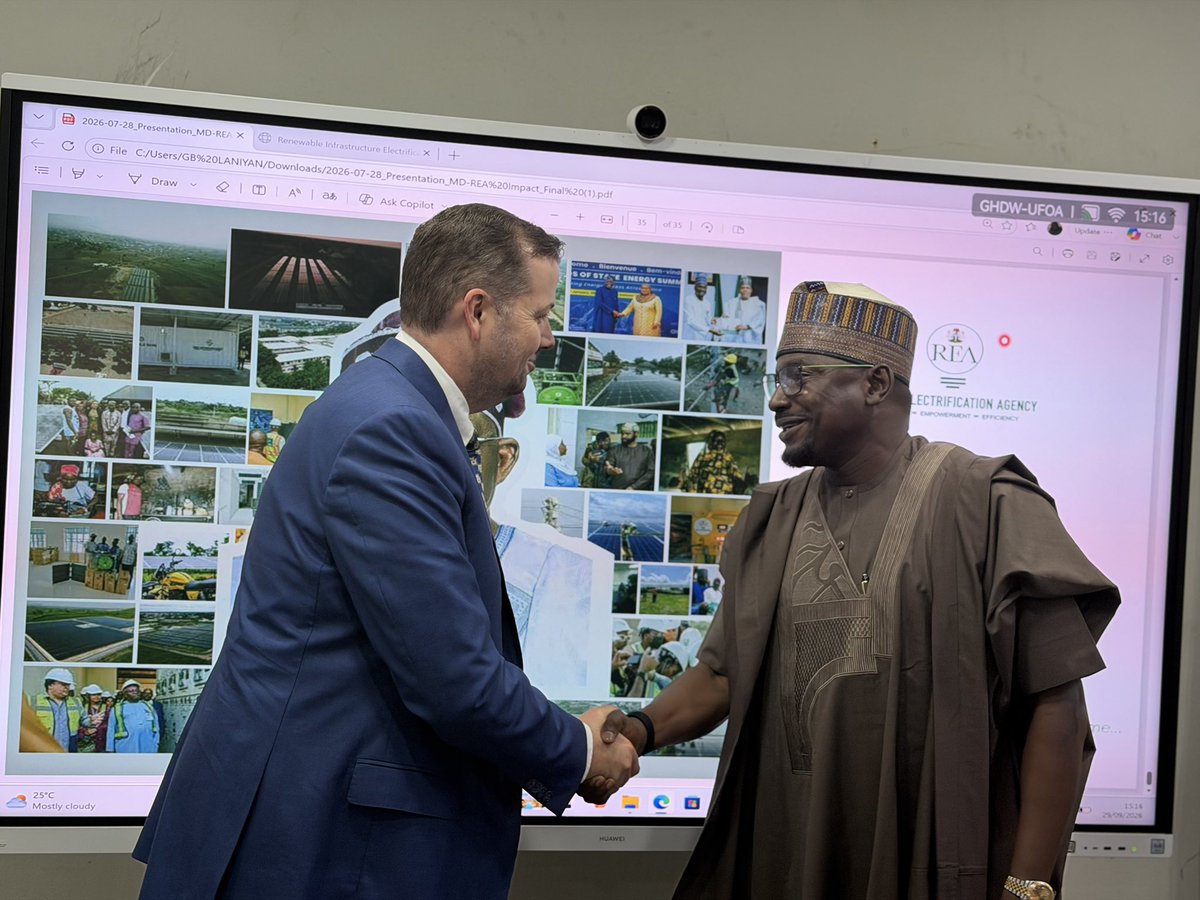
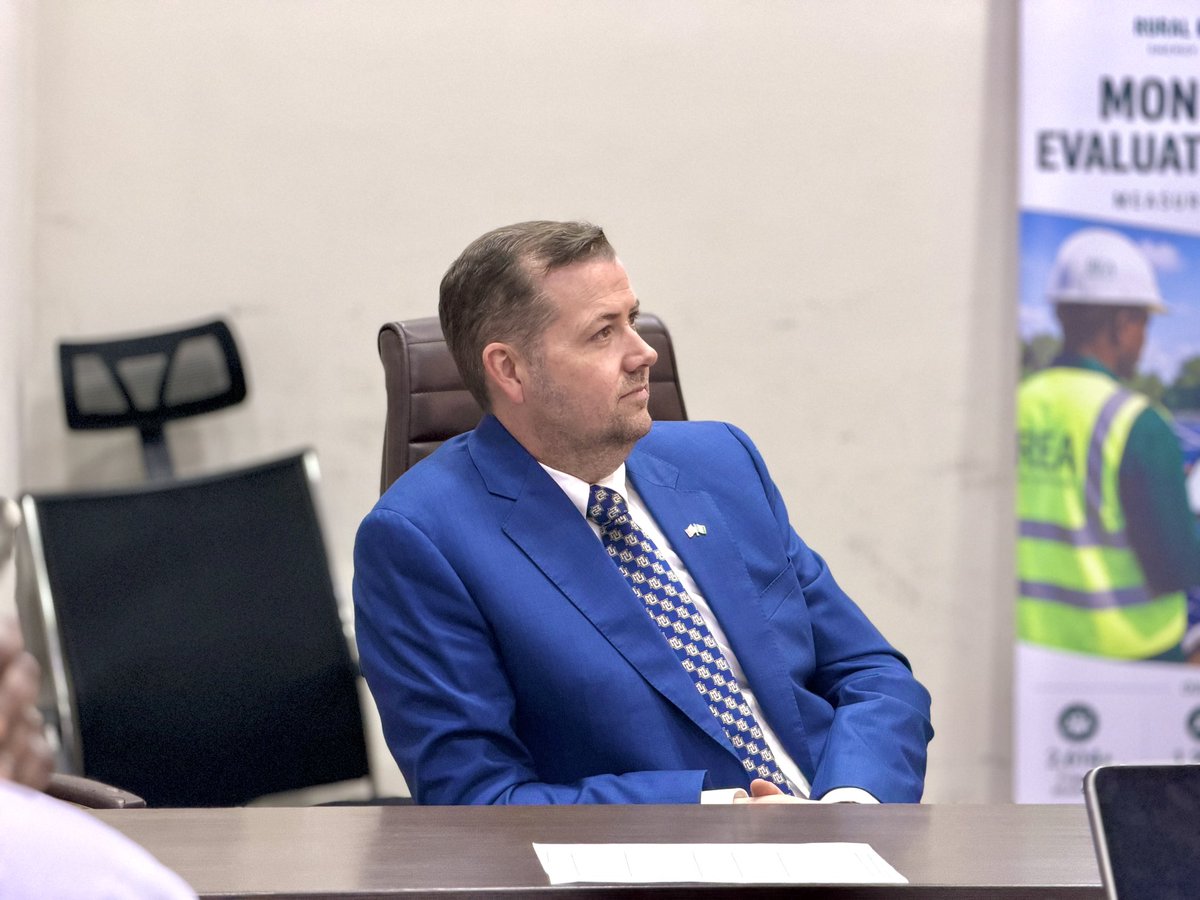
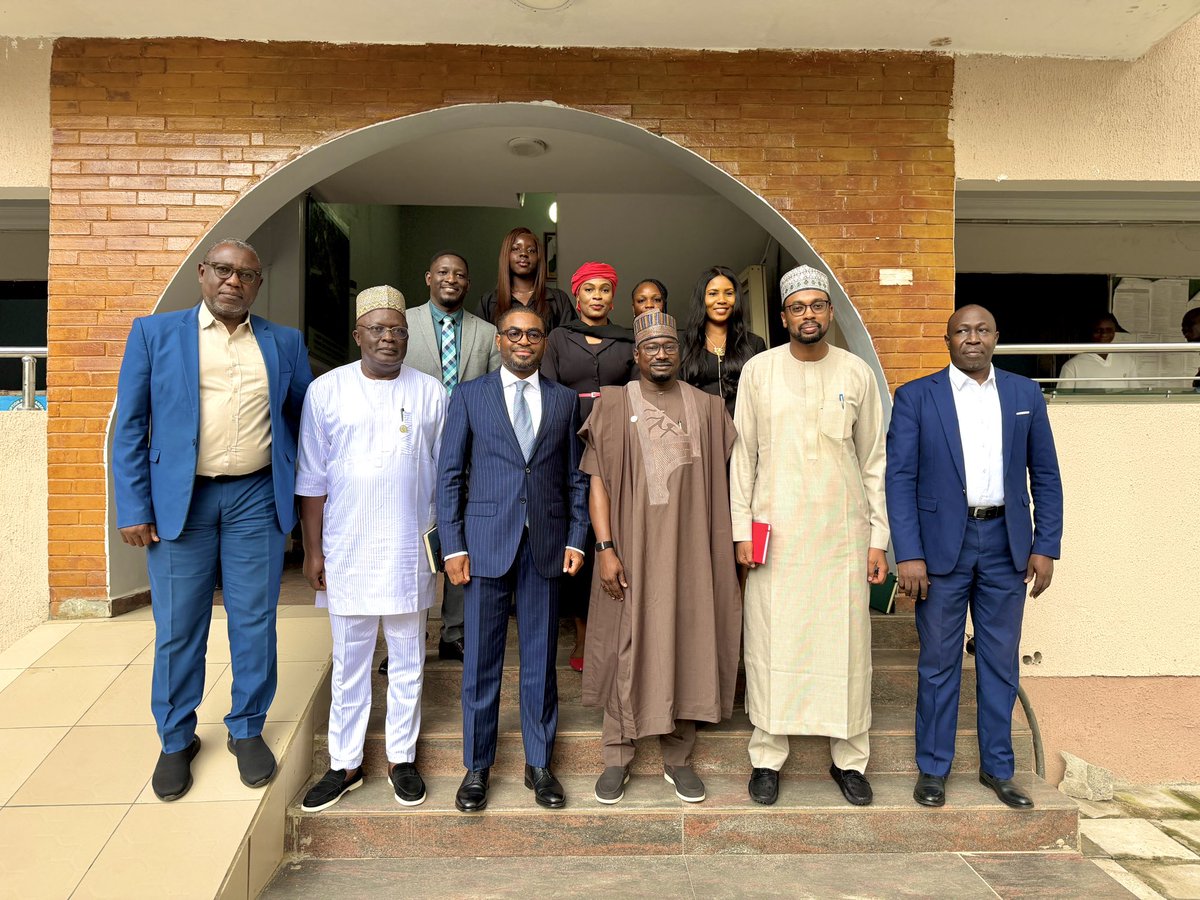
I was pleased to welcome the Economic Officer from the U.S. Embassy to the REA for a conversation about developments in Nigeria’s rural electrification sector and the opportunities for us to work together.
I took our guest through the range of programmes we are implementing, as well as the initiatives in our pipeline. We discussed what it will take to deliver at greater scale, particularly as we work to bring reliable power to more homes, businesses and public institutions.
I encouraged the United States to explore opportunities to collaborate with the REA in technical assistance and financing. We also discussed how cooperation around the importation of equipment and local manufacturing could support project delivery while helping to build capacity within Nigeria’s renewable energy sector.
I appreciate the Economic Officer’s interest in our work and the thoughtful exchange we had. I look forward to continuing the conversation and identifying practical areas where we can work together to expand energy access for Nigerians.
#EnergyAccess #RuralElectrification #RenewableEnergy #Partnerships #LocalManufacturing #PoweringNigeria #abbaaliyu
Whenever we deploy electricity infrastructure, one of my biggest concerns is what people will be able to do with the power. If it helps a farmer irrigate throughout the year, a processor reduce losses or a rural business expand, then that investment can become a catalyst for economic progress.
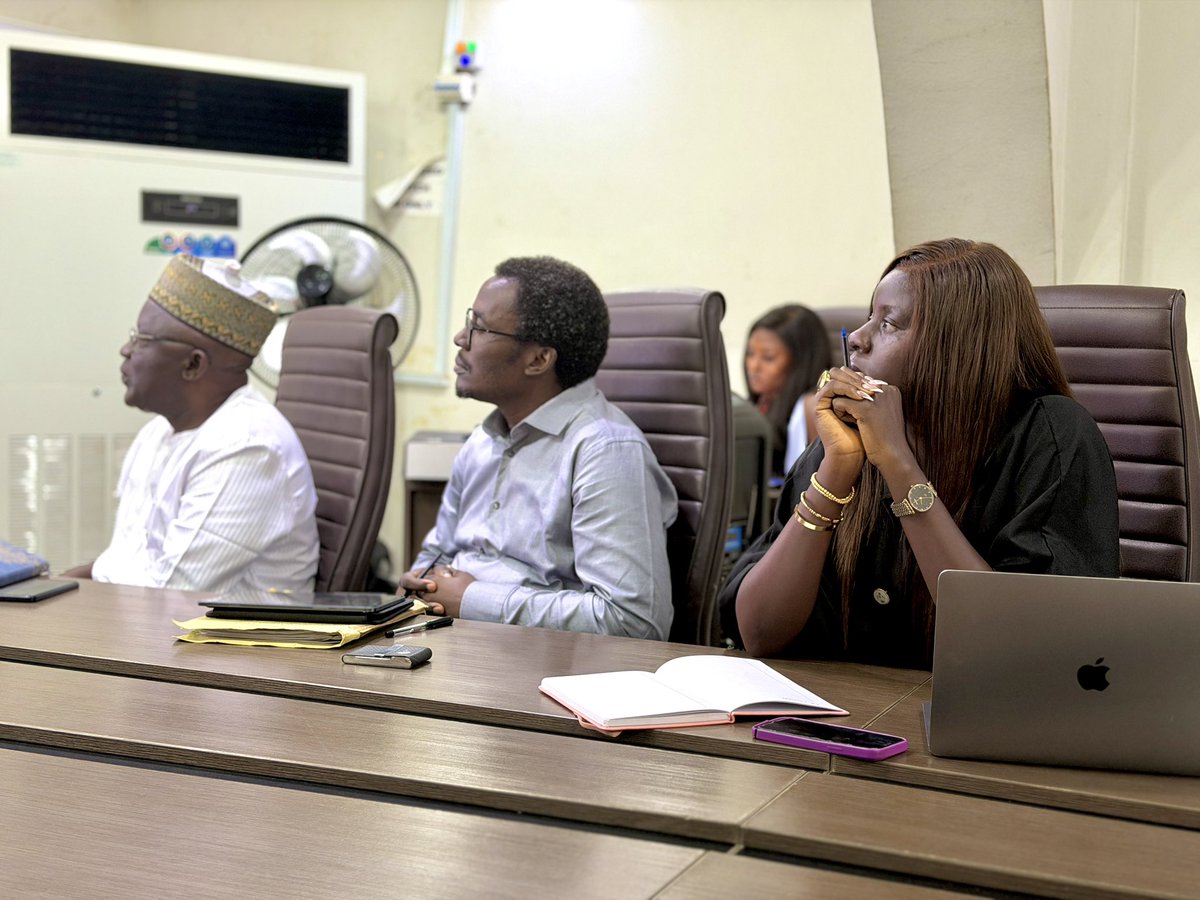
I met with the NIRSAL Plc team to review the Memorandum of Understanding we signed last year and discuss how to accelerate the productive use of energy across Nigeria’s agricultural sector. Our partnership brings together the REA’s experience in rural electrification and NIRSAL’s expertise in helping agricultural businesses access finance.
A major focus of our discussion was the Vendor Financing Framework our teams are developing. It aims to make solar powered equipment more accessible for irrigation, farm mechanisation, processing and cold storage. Under the proposed arrangement, the REA would provide performance based grants through the DARES productive use of energy component, while NIRSAL would offer credit risk guarantees to encourage financing for providers deploying these solutions.
The framework is still being finalised, but the goal is clear. We want farmers and rural businesses to have a better chance to increase production, reduce losses after harvest, raise incomes and create jobs within their communities.
I thank the NIRSAL team for the productive conversation and their continued commitment to this partnership. Our teams will keep working through the details so that our shared plans become practical, measurable support for rural Nigerians. For me, that is what it means to power livelihoods alongside homes.
#EnergyAccess #ProductiveUseOfEnergy #Agriculture #DARES #RuralElectrification #RenewableEnergy #abbaaliyu
I will be speaking at the 2026 NAEC Energy Conference.
The NAEC conference is an annual event that brings together industry stakeholders, policymakers, and the public to discuss the latest developments in the energy sector.
The theme for this year's conference is: "Access to Assets: Empowering Players and Drivers Growth"
Join me in this conversation and be part of shaping the future. #abbaaliyu
📢 FG COMMISSIONS 581kWp INTERCONNECTED MINI-GRID TO POWER OKE-OYI COMMUNITY, KWARA STATE:
The project has a total installed capacity of 581kWp, comprising 1,336 solar panels and 84 batteries, with approximately 10 kilometres of distribution cables and transformers supporting the electricity distribution network.
The project serves a community with an estimated population of 13,000 people, with electricity connections extended to residential and productive users.
The intervention is already contributing to increased economic activity in Oke-Oyi, with new businesses emerging following the availability of improved electricity supply.
These include twelve welding businesses, two pure water companies, four grain mills, four aluminium artisan businesses, one ice-block production business and one cold-room/ice-fish depot.
Three electricity vendors are also currently operating, with three additional vendors, including a female entrepreneur, expected to be registered.
The project, implemented by the Rural Electrification Agency, was developed by Nayo Tropical Technologies Limited, with support from the German Cooperation and the @EU_Commission through GIZ, is designed to expand access to reliable electricity while supporting economic activities and improving livelihoods in Oke-Oyi community.
I believe transparency is strongest when you are willing to invite people in to look at your systems, tell you where the gaps are, and then actually do something about them.
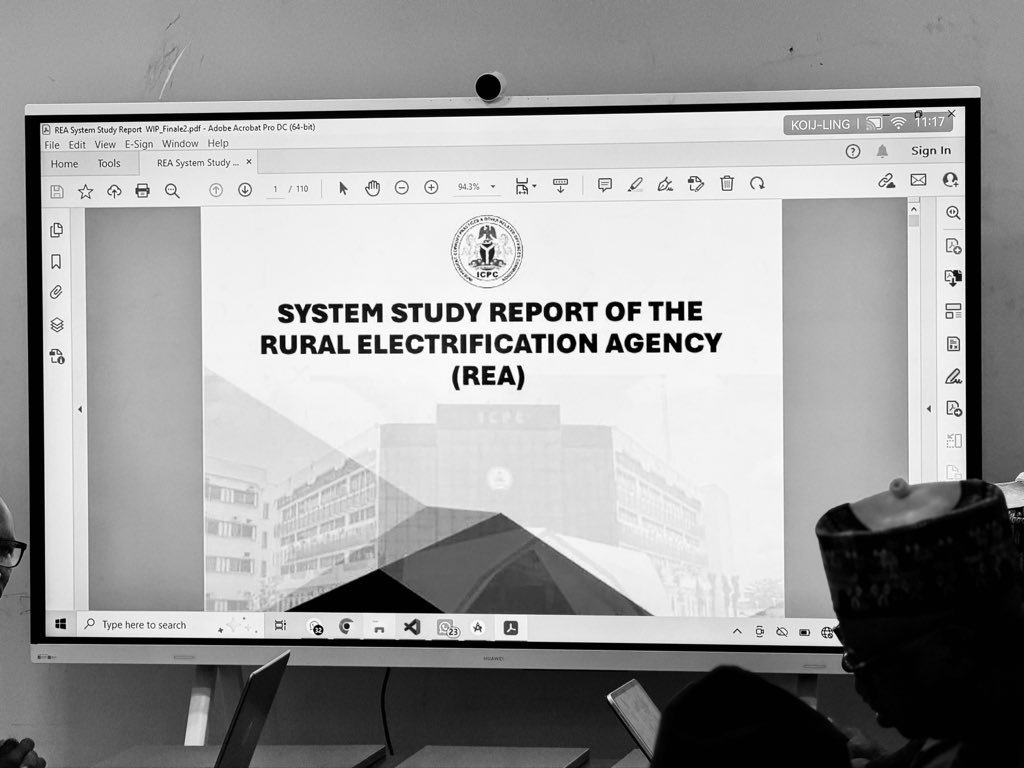
That is why I wrote to the Independent Corrupt Practices and Other Related Offences Commission (ICPC), requesting that they carry out a System Study and Review of the Rural Electrification Agency.
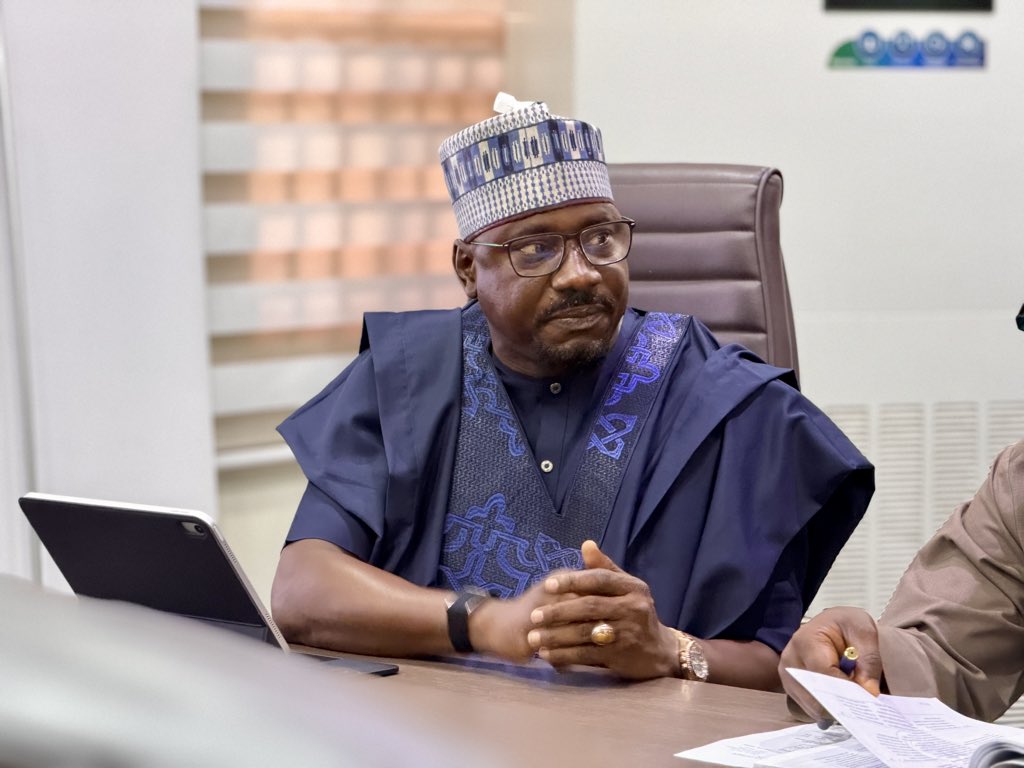
Today, we welcomed the ICPC team to REA as that process continues, working alongside our Anti-Corruption and Transparency Unit (ACTU) to examine our systems, processes and procedures, identify areas where we can do better, and advise us on how to strengthen them.
For me, this is part of building a stronger institution.
REA is managing increasingly significant programmes, partnerships and investments, and with that comes an even greater responsibility to make sure our internal systems are accountable, transparent and fit for purpose.
I have told our team that we must be open to scrutiny, open to learning and, most importantly, willing to improve wherever weaknesses are identified.
And this will not be a one-off exercise. We intend to continue working with ICPC and our ACTU to regularly examine how we operate and keep strengthening the systems behind the work we do.
Because accountability should not only be something we talk about publicly. It has to be built into how we work every day.
The work continues.
#REA #ICPC #ACTU #Transparency #Accountability #InstitutionalStrengthening #PublicService #GoodGovernance #abbaaliyu
Earlier today, I honored the invitation of the new Head of the Civil Service of the Federation, Mr. Abel Olumuyiwa Enitan, along with the permanent secretary of the Ministry of Power. One of the conversations we explored was how the ministry of power and the REA can support the Office of the Head of Service with more reliable and sustainable electricity.
For me, it connects directly to the wider work we do every day.
REA’s mandate is to continue expanding access to reliable electricity, particularly where power limitations affect productivity, opportunity and quality of life. That same thinking is important when we look at the institutions responsible for delivering services to millions of Nigerians.
When public institutions have dependable power, people can work more efficiently, systems can function better and ultimately citizens receive better service.
I was encouraged by our conversation and the possibilities for collaboration. Under President Bola Ahmed Tinubu’s Renewed Hope Agenda, improving electricity access remains an important part of the wider effort to strengthen productivity and development across the country.
For us at REA, every new institution, community or productive cluster we are able to support is another part of closing that access gap.
I look forward to seeing where this conversation leads.
The work continues.
#REA #EnergyAccess #PublicService #RenewableEnergy #SustainableInfrastructure #RenewedHopeAgenda #PoweringNigeria #abbaaliyu
Yesterday, I joined key stakeholders at the launch of the Renewable Asset Management Company (RAMCO), a significant step towards ensuring that Nigeria’s investments in renewable energy deliver sustainable value for generations.
Across our education system, renewable energy infrastructure is already transforming our institutions, providing reliable and cleaner power to universities and teaching hospitals through initiatives such as the Energising Education Programme.
However, building this infrastructure is only one part of the equation. We must also ensure that these assets are professionally managed, maintained and financially sustainable throughout their lifespan.
RAMCO provides an institutional framework to do exactly that: protecting publicly funded renewable energy assets, strengthening their long-term performance and creating opportunities to mobilise and recycle private capital into new energy infrastructure.
For the education sector, this is particularly important. Reliable power means better-equipped laboratories, uninterrupted research, stronger digital learning infrastructure and a better teaching and learning environment for our students and educators.
I commend the Honourable Minister of Power, Mr. Joseph Tegbe, and the Managing Director/CEO of the Rural Electrification Agency (REA), Dr. Abba Aliyu, for their leadership in driving this important initiative. I also commend MOFI, InfraCorp and all partners for building a framework that will help protect our renewable energy investments and ensure they continue to deliver value long after commissioning.
As we expand renewable energy infrastructure across our tertiary institutions, we must equally build the systems that ensure these investments continue to work, deliver value and serve our institutions for decades to come.
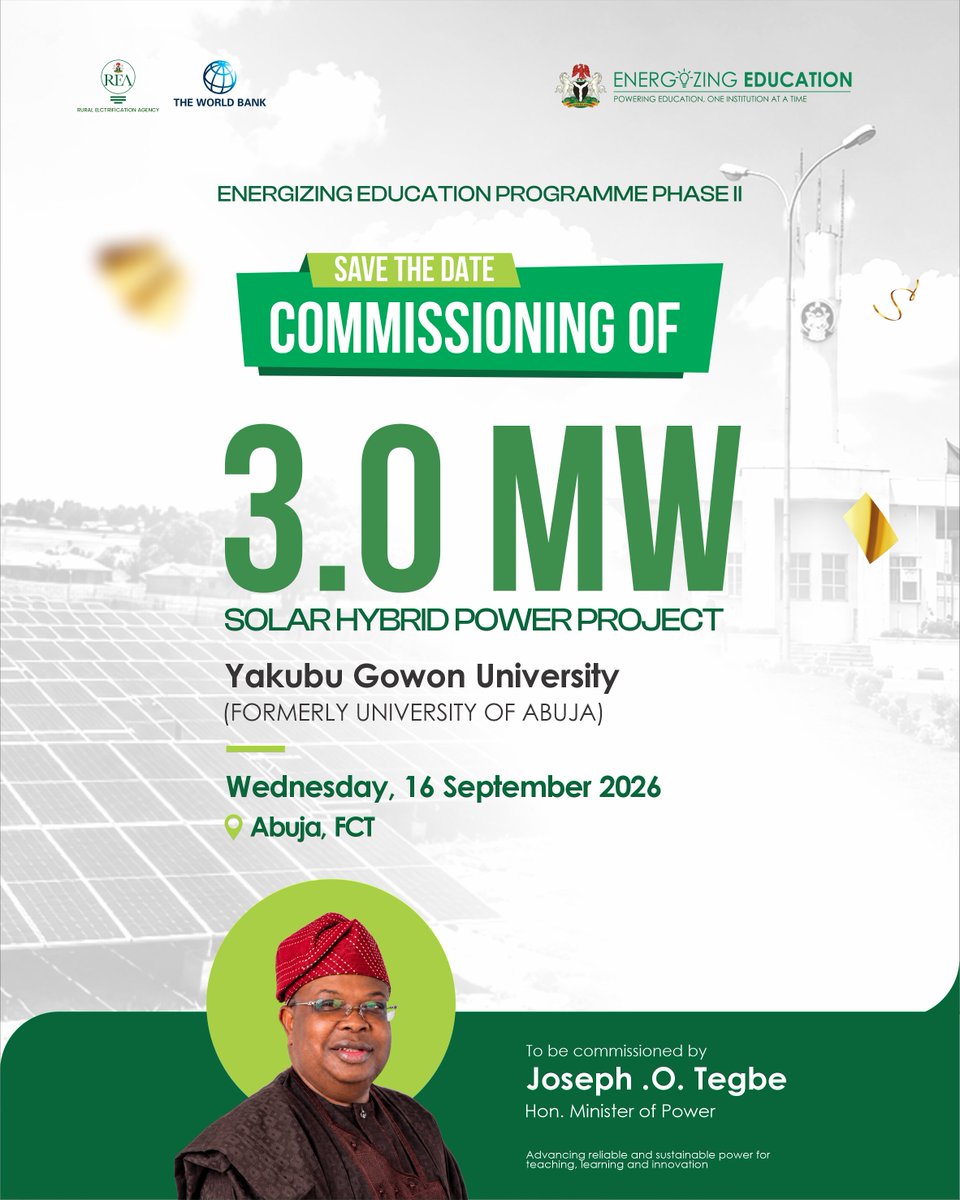
📢 A 3MW Infrastructure that is Resilient and Sustainable, the Energizing Education Programme (EEP II) Power Plant has Successfully Closed the Energy Gap for Students and Staff Members of the Yakubu Gowon University (University of Abuja).
#PoweringUniAbuja 🔌➕️🏫 #EnergizingEducation
In a bid to strenghten clean, sustainable, and reliable energy infrastructure for Teaching, Learning and Innovation, the Rural Electrification Agency has, over the years, sustained the implementation of the Federal Government's Energizing Education Programme (EEP), powering Federal Universities and University Teaching Hospitals.
Under the Phase II of the EEP, with support from @WBG_Nigeria, we announce the official commissioning of the 3MW solar hybrid power project, powering the Yakubu Gowon University (University of Abuja), on Wednesday 16th of September, 2026. This transformative project will be commissioned by the Honourable Minister of Power, @JosephOTegbe.
Through the EEP, the REA continues to demonstrate how targeted renewable energy investments can transform critical public institutions while advancing Nigeria’s broader energy access and sustainability objectives.
#EnergizingEducationProgramme
#PoweringInnovation
#RenewableEnergy
#SustainableDevelopment
#RandD
#RuralElectrificationAgency
#REA
#EEP
#UniversityofAbuja
#ThrowbackThursday
Looking back at our Sierra Leone Knowledge Exchange Week, I’m reminded of just how rewarding this work can be.
We had the opportunity to host a technical delegation from the Government of Sierra Leone and share a little of the REA journey, our programmes, our systems, the lessons we’ve learned, and even some of the things we are still figuring out.
From DARES and NEP to VIDA, electrification planning, impact measurement, Energizing Education, Healthcare and Agriculture, we opened up our experience and hopefully gave our colleagues from Sierra Leone a few ideas they can take home.
I’m especially grateful for the team at REA that makes all of this possible. It is one thing to build projects; it is another to build an institution that other African countries can learn from.
I don’t take that responsibility for granted.
If sharing what we have learned can help another African country reach more people with reliable electricity a little faster, then I’m happy to keep opening the door.
Africa learns better when Africa shares.
The work continues.
#KnowledgeExchange #SierraLeone #EnergyAccess #RenewableEnergy #PoweringAfrica #REA #abbaaliyu
Across Nigeria, access to reliable electricity remains one of the strongest drivers of development, productivity, and opportunity.
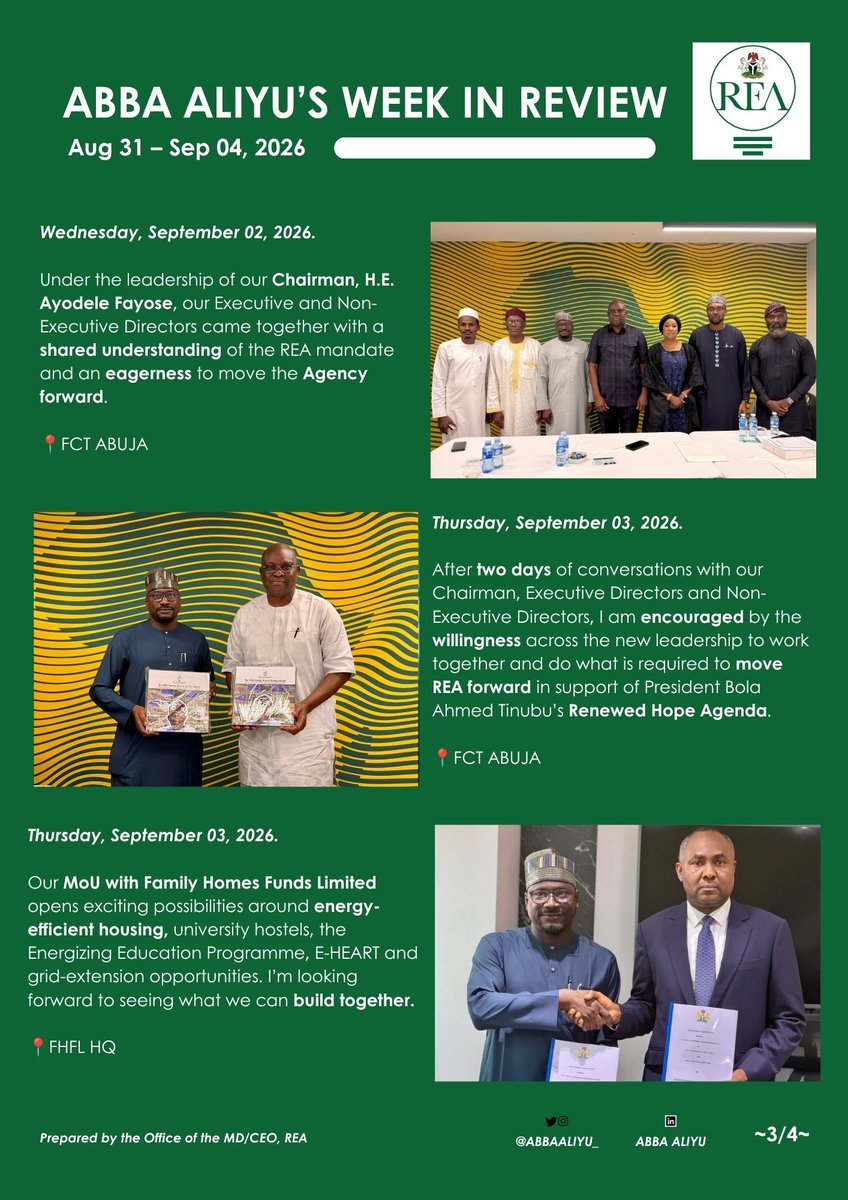
As we settle further into a productive new week, l'm pleased to share a quick lineup of some of my major activities from last week at @TheREANigeria
As always, I encourage you to stay with us on this mission to expand sustainable energy access for every Nigerian.
#abbaaliyu #rea #energyaccess