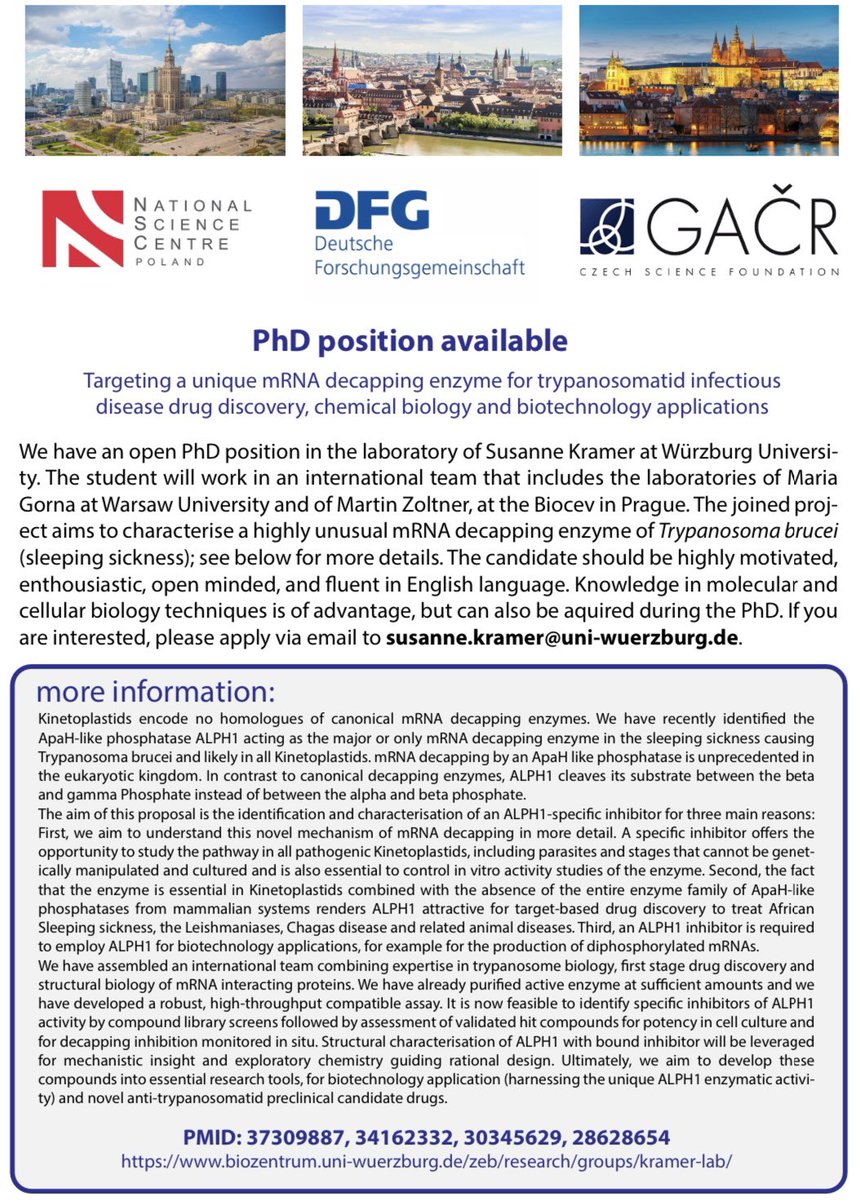
Fully Funded #PhDposition! Join our international team led by Susanne Kramer @ZEB_UniWue (@Uni_WUE) and contribute to infectious disease drug discovery, chemical biology and #biotechnology applications by studying Trypanosoma brucei‘s unique #mRNA decapping enzyme. 🎓
Many proteins bind RNA, yet we still don’t know what RNAs most RBPs bind because current methods map one protein at a time. With the Jovanovic lab, we describe SPIDR – a method for mapping the RNA binding sites of dozens of RBPs in a single experiment. https://t.co/BnxlSyJLfE
Excited to share an update of our STalign tool that physically aligns #spatialtranscriptomics data using image varifolds for molecular + compositional comparisons at matched locations
Preprint: https://t.co/VGLXfwVn2f
New #Jupiter notebooks: https://t.co/qpBHLqxlhw
🧵👇(1/n)
UMAP and t-SNE are widely used in single-cell genomics to identifying features of interest, and visually explore data. In a new paper w/ Tara Chari we find that extensive distortions and inconsistent practices make such embeddings counter-productive.🧵https://t.co/mJlPu9u6t7 1/
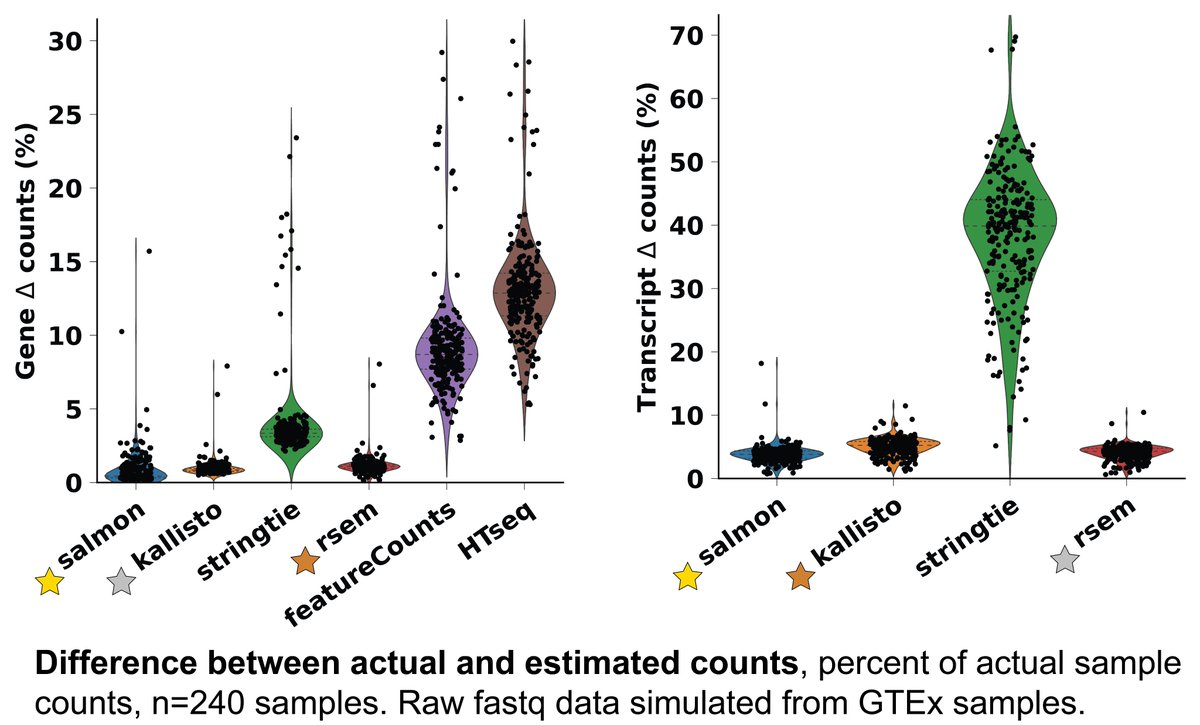
RNAseq counting tools are not perfect. I simulated 240 GTEx samples to test multiple tools. Below I show the difference between actual and estimated counts for each simulated sample.
But, what is causing this? And will it affect differential expression? (1/7) #Bioinformatics
Postdoc/PhD alert! Exciting project on a stochastic liver tumor model, which allows tracking the tumor niche across a spectrum of stages in the same liver by multimodal single-cell sequencing, seqFISH and tailored machine learning. Please get in touch! 🙏 for RT.
Targeting #RNA with small molecules is difficult as many target sites are inactive. @disney_lab lab converted silent RNA binders into active RNA degraders. RIBOTAC has huge potential to specifically degrade other (disease-related) RNAs! In @Nature: https://t.co/1jBwaVjnDa
Gene editing and scalable functional genomic screening in Leishmania species using the CRISPR/Cas9 cytosine base editor toolbox LeishBASEedit https://t.co/teJf2ucB4u
I’m recruiting 2 #MSc students for the next academic year to join my lab at Católica Biomedical Research Centre in Oeiras.
If you’re interested in learning about microfluidics, computational biology, and the behaviour of the most beautiful parasites, get in touch.
Please RT.
Please RT
Last few days left to apply!
4 positions to join us at Oxford, driving the next phase of development to OrthoFinder 🧬
We have so many cool ideas and fun things to try. Lets enhance the communities comparative genome capability together!
👉https://t.co/TmhGfHC3cG
Hot from the press! We (@plaschka_lab@bpachecofiallos) dissected how the transcription-export complex recognizes mRNPs (=mRNA and associated proteins) in the nucleus, and we made a few surprising observations: here is the paper https://t.co/Lgao21Dz8Y and here the tweetorial👇
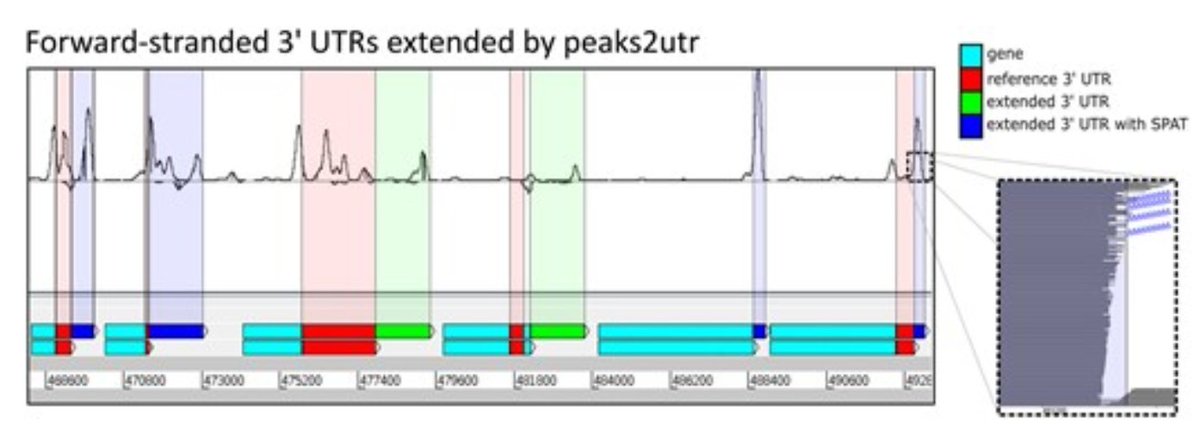
In case you perform @10xGenomics scRNA-Seq on non-model organisms - think of extending the UTR!!! Here is why and how:
https://t.co/tgvJHitcb3
Peaks2UTR is now published!
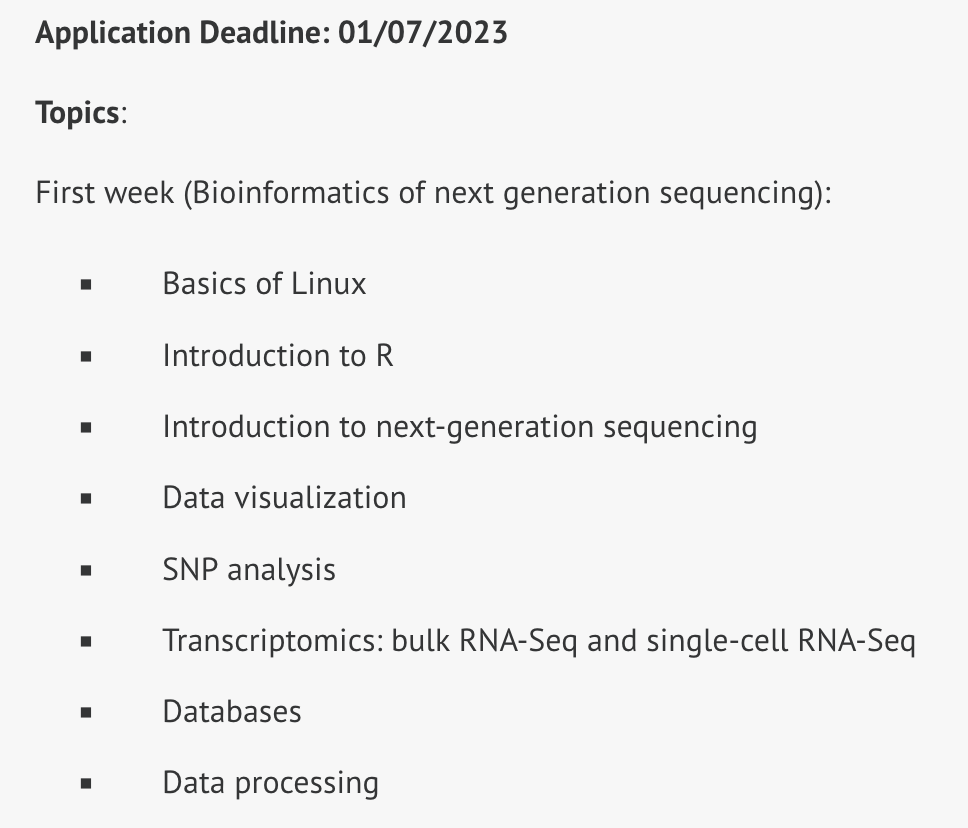
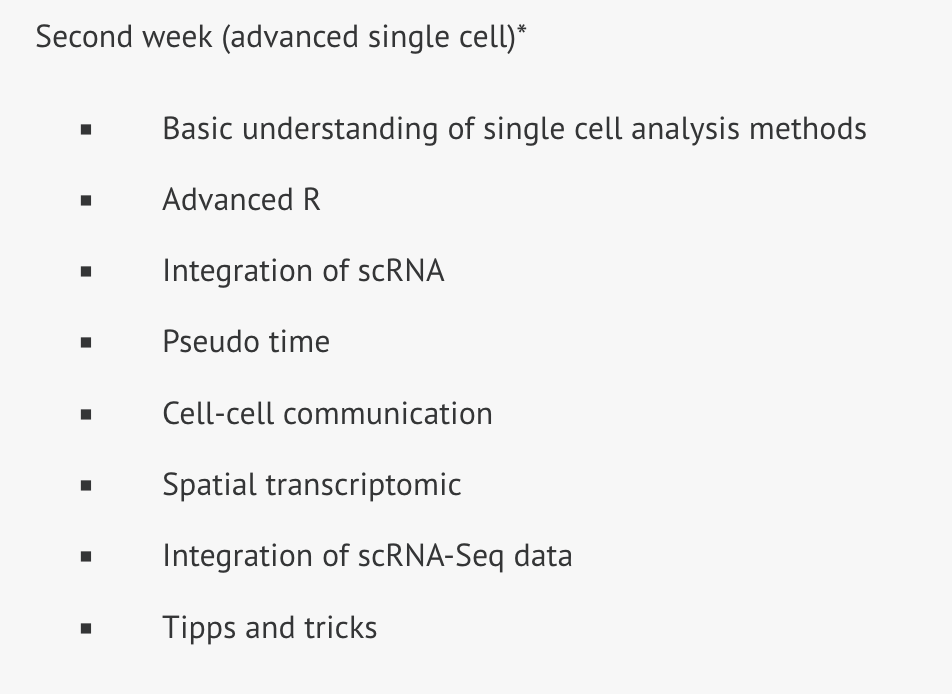
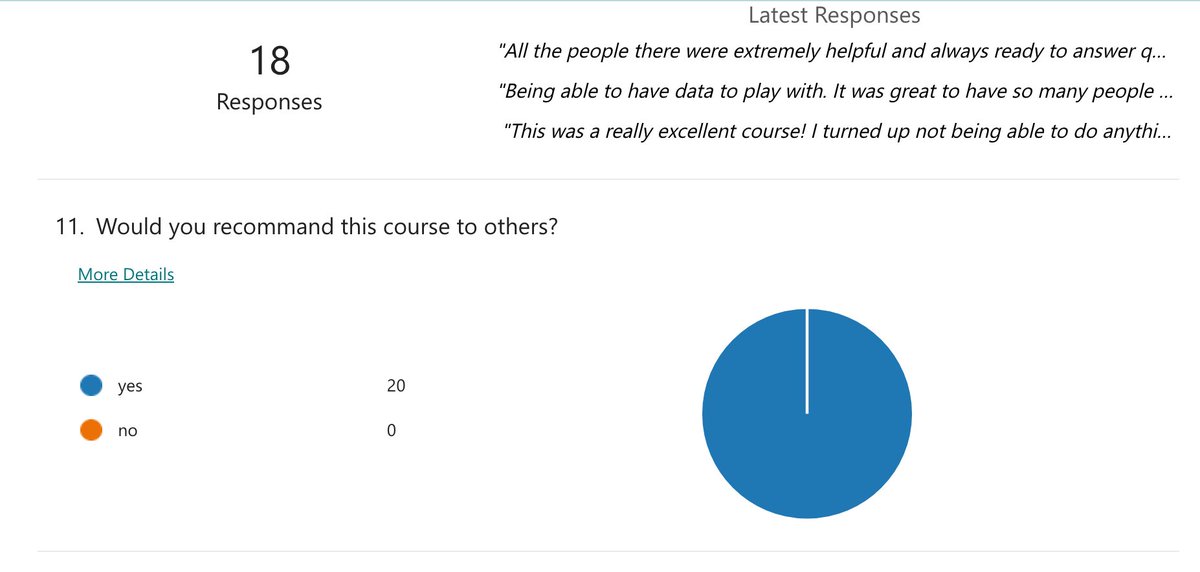
Pls RT: Our Glasgow #Bioinformatics summer school will happen from 21/08/2023. New: optional 2 weeks, first week basic of #Linux, mapping & SNPs, #transcriptomics & R, second week, advanced #scRNA-Seq:
https://t.co/fqaWy1VWaI
Positive feedback, many tutors, networking - COME!
What a pleasure to listen to @jcquilles final talk after one year with us at @ZEB_UniWue. We will miss him and the long discussions about noncoding RNA very much!
After one year my stay in Würzburg has ended. It was a very challenging year trying to characterise and monitor noncoding RNAs in Leishmania parasite by RNA-FISH. Hope to share these results in a paper very soon ✌🏽