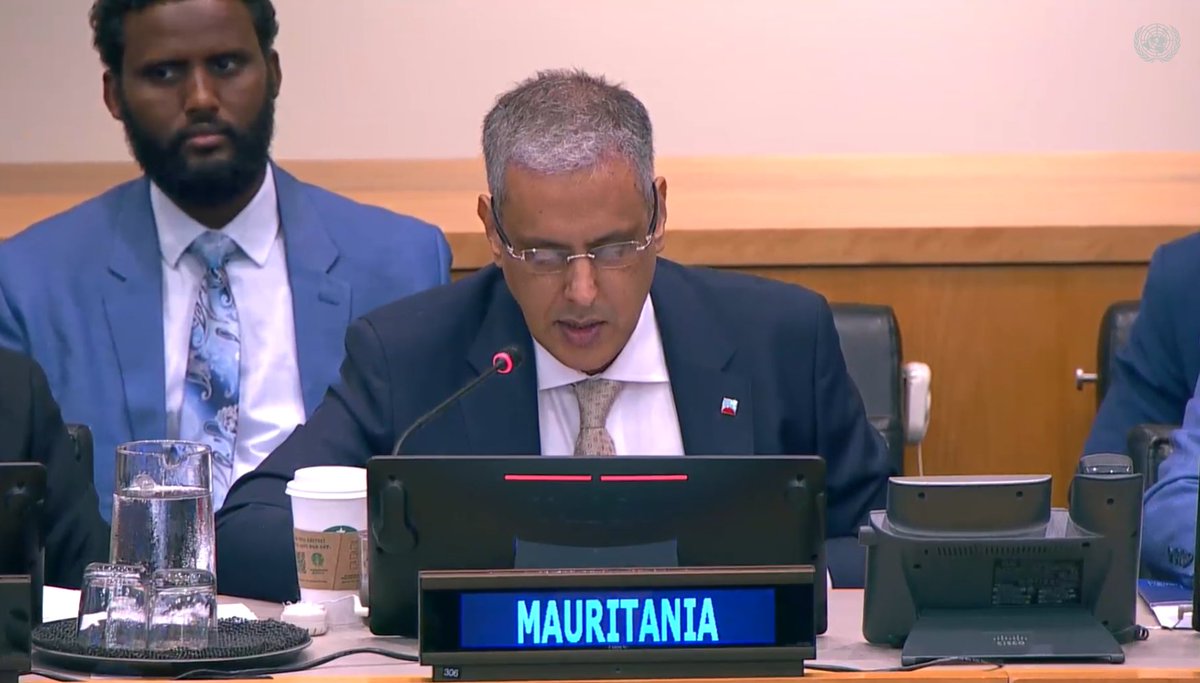
At our #UNGA79 side meeting, Mauritania is sharing that they have officially launched their pilot MPI. They have found that some of the poorest regions of the country have moved the fastest in reducing their MPI.
Watch live at https://t.co/Guh20nIQPB
What is the relationship between capital accumulation (via the rise of the capital share) and income inequality? Here explained through the lens of compositional inequality 🙃
@treesuniandes@EconomiaUAndes
To learn more: https://t.co/KxPMlCbNd8
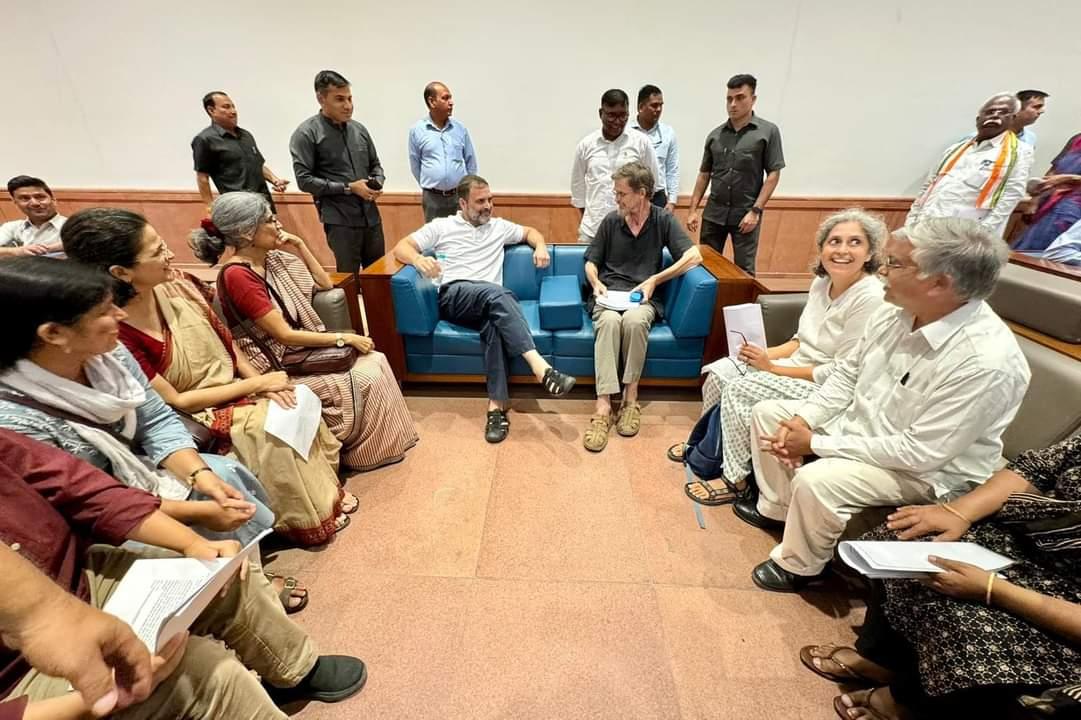
A delegation from the Right to Food Campaign, individuals and other people's campaign met Leader of Opposition @RahulGandhi today. Certain crucial demands along with ground issues were discussed.
Jean Dreze read out the statement released by the Right to Food Campaign.
Uphold the Right to Food and Freedom of the Palestinian People.
End Hunger in Gaza! Stop the War! 🇵🇸
Jean Dreze reads Right to Food Campaign statement on war crimes in Gaza and the Indian government's complicity. The campaign urges the government to end all relations with Israel for the time being.
Social programs can have indirect effects that spill over to nonbeneficiaries and the whole economy.
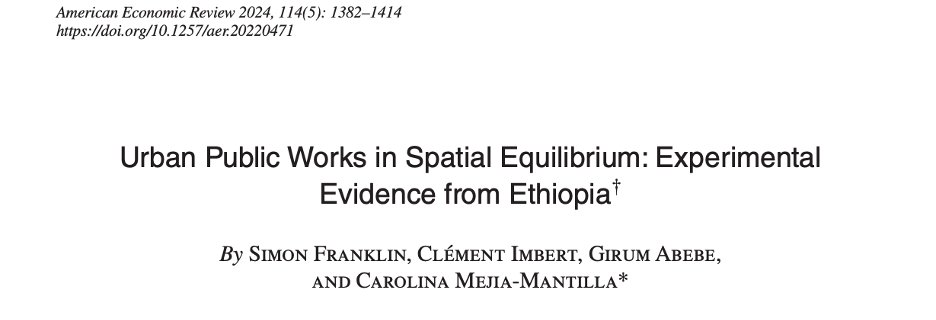
In this paper, @SimondFranklin, Clément Imbert, Girum Abebe and Carolina Mejia-Mantilla use a spatial equilibrium model combined with commuting data to estimate the spillovers of an urban public works program in Addis Ababa, #Ethiopia.
They find that welfare gains are 6 times larger when considering indirect effects on private wages and local facilities.
This paper, published in @AEAJournals, provides valuable and clear recommendations for the evaluation of antipoverty programs as their impact often goes beyond the reach of participants: https://t.co/pifrfGrZuL
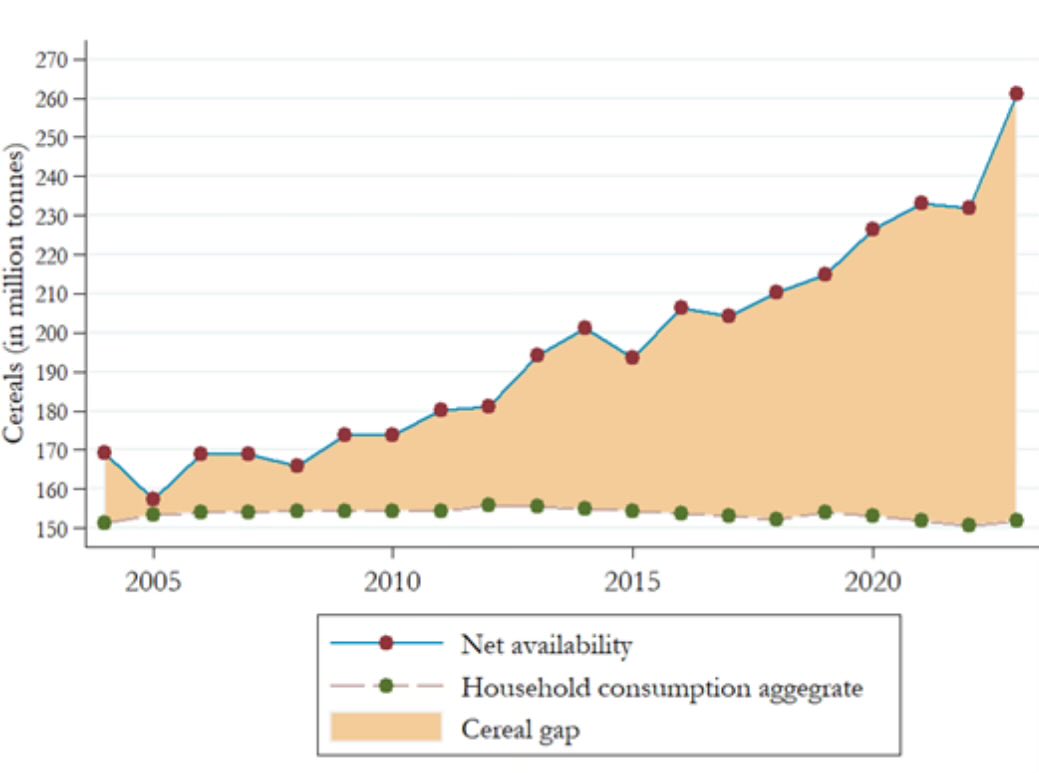
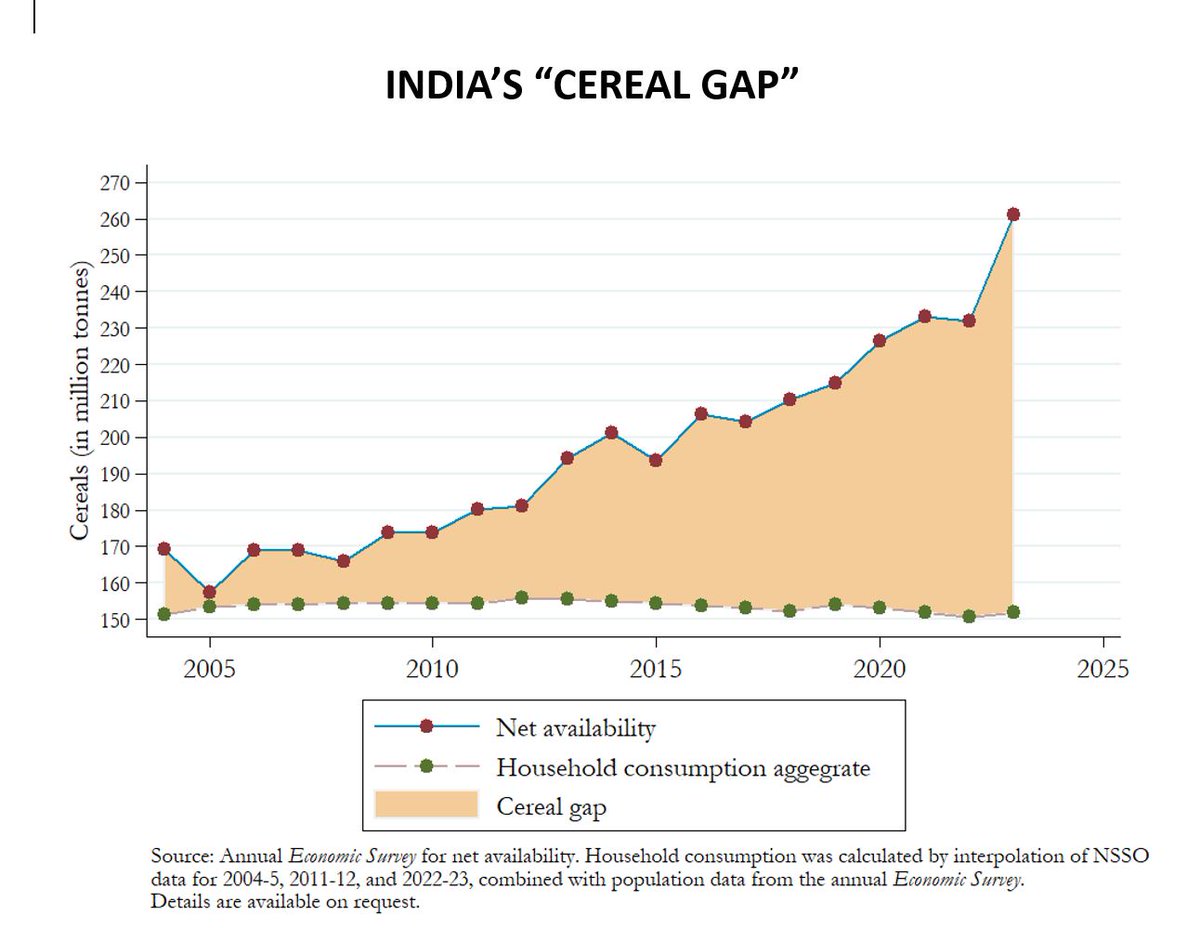
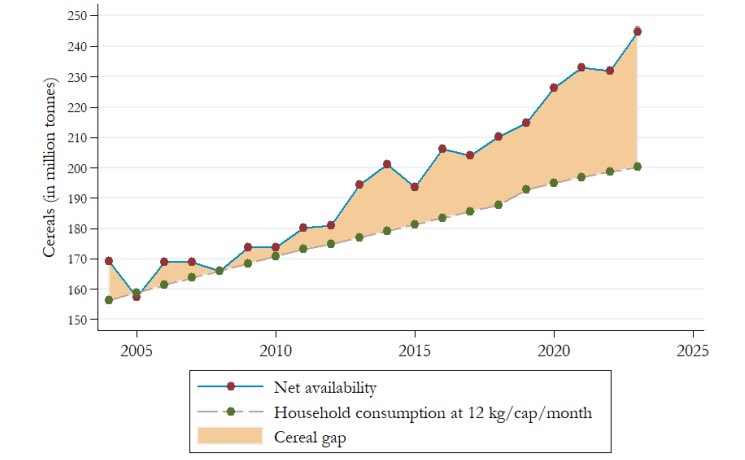
The mysterious Cereal Gap in India: In a new article in @Ideas4India, Jean Drèze and I update our figures with the latest consumption data of 2022.
100 million tonnes of cereals are unaccounted for. Where do they end up?
Have a read and let us know … @roadscholarz
The mysterious Cereal Gap in India: In a new article in @Ideas4India, Jean Drèze and I update our figures with the latest consumption data of 2022.
100 million tonnes of cereals are unaccounted for. Where do they end up?
Have a read and let us know … @roadscholarz
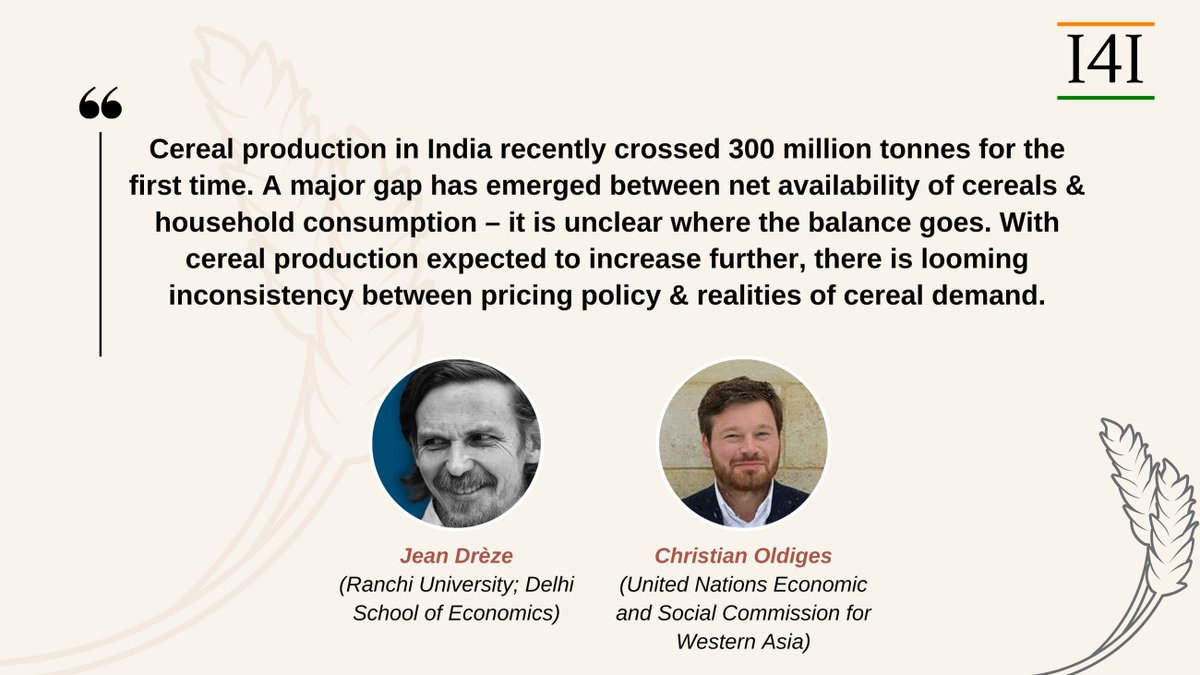
100 million tonnes of cereals are missing… every year - Jean Drèze (Ranchi University; Delhi School of Economics) & Christian Oldiges (@UNESCWA)
Read more: https://t.co/C3FSBSdrTO
100 million tonnes of cereals are missing… every year - Jean Drèze (Ranchi University; Delhi School of Economics) & Christian Oldiges (@UNESCWA)
Read more: https://t.co/C3FSBSdrTO
There is another reason for concern. What if the cereal gap hides a scam of some sort? It looks like there is a “hidden guzzler” of cereals somewhere in the economy. Why would the guzzler hide, if the deed is above board? Hopefully, time will tell. https://t.co/YaiIV9n2N0
India produces 300 million tonnes of cereals per year, but household consumption is only half as much. The other half is a black hole.
https://t.co/mA1JMFn8pq
India’s “cereal gap” (diff between net availability and household consumption) is even larger than previously thought – more than 100 million tonnes in 2022-23! This is truly baffling.
https://t.co/mA1JMFmAzS
India's "cereal gap": Up 50 million tonnes of cereals are unaccounted for every year. J. Dreze and C. Oldiges explain and discusss.
https://t.co/ShCjpp5yUh
The ‘cereal gap’: Looming issues in India’s foodgrain policy - Jean Drèze (@ranchi_univ; Delhi School of Economics) & Christian Oldiges @OldigesCH (@UNESCWA)
Read more: https://t.co/0W17rUZh8a