The @NASARoman is a clue-hunter! An infrared survey mission, Roman will collect Hubble-quality data with 200 times Hubble’s infrared field of view to help solve some of astronomy’s greatest mysteries! #RomanScience
The @MAST_News archive, specifically the Catalog Science Branch, is hiring **2** Astronomical Data Scientists! Come work with us with big catalog data across all our missions, including TESS, JWST, HST, Roman, and more. https://t.co/TuVI8OLl2b
Okay folks, it's time!! This was definitely a labor of love, and something that's been in the works for 4+ years.
Inspired by the perfect similarity between #JWST's primary mirror and the Catan board, I present JWST Catan: Explore the Universe
#UnfoldTheUniverse 🧵(1/23)
📢We're excited to announce that the organization of @SciPyConf will transition to @NumFOCUS starting with #SciPy2023. Enthought is deeply committed to the community & will continue financial support as institutional sponsor. Full announcement: https://t.co/lMLLUBOxBM #SciPy2022
The image taken by the JWST compared to one taken by Hubble, of the galaxy cluster SMACS 0723.
It's s a gravitational lens, showing us the light of galaxies that are far behind the cluster in arcs around it. I tried to orient them the same. LOOK AT THE DIFFERENCE.
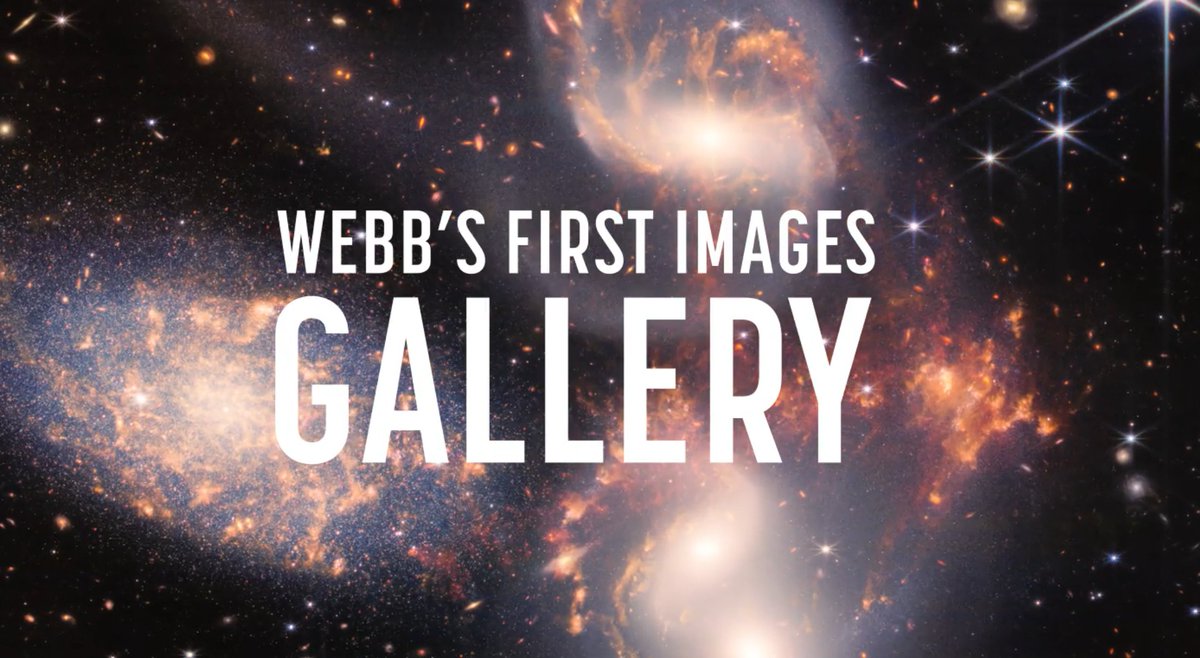
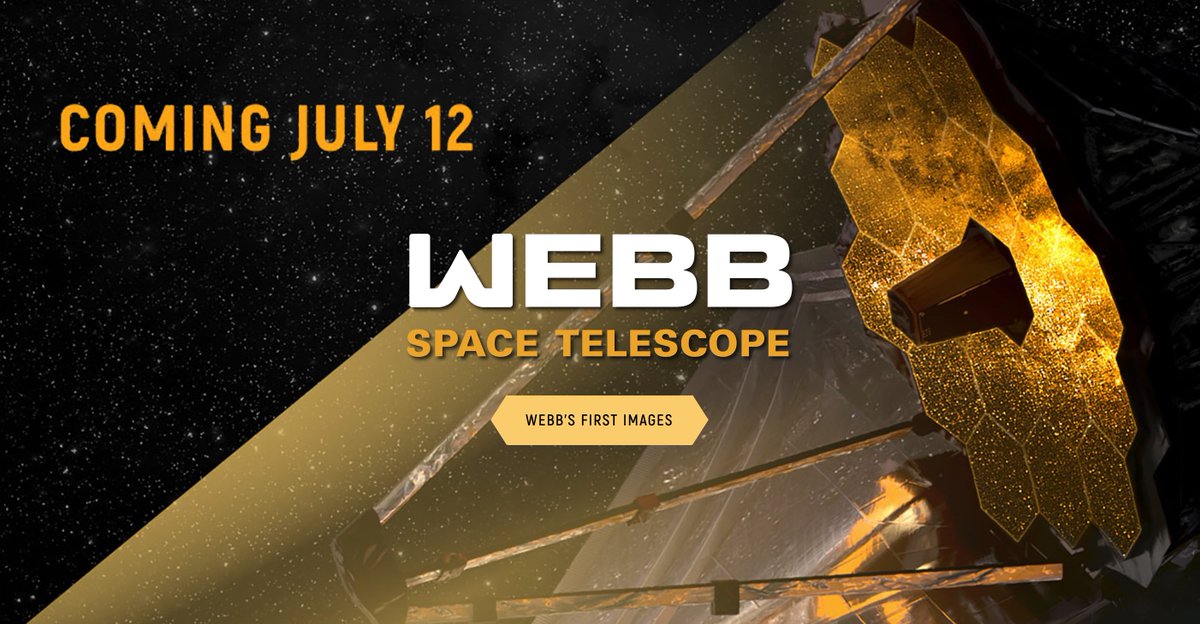
#NASAWebb will soon reveal unprecedented and detailed views of the universe, with the upcoming release of its first full-color images and spectroscopic data! Below is the list of objects that Webb targeted for these first observations, which will be released on July 12. (1/8)
Bright stars create unique patterns called diffraction spikes, which are produced as light bends around the sharp edges of a telescope. Most reflecting telescopes—including #NASAWebb—show spikes as light interacts with the primary mirror and struts that support the mirror. (1/5)