Thanks to @JohnRYatesIII and @JProteomeRes for the invitation to publish a perspective on sample metadata in public repositories https://t.co/ObfE4b8iUd , Thanks to all @EuBIC_ms contributors. Since the publication, we have opened 10 new PRs in the repo https://t.co/LOtlgIKyj8
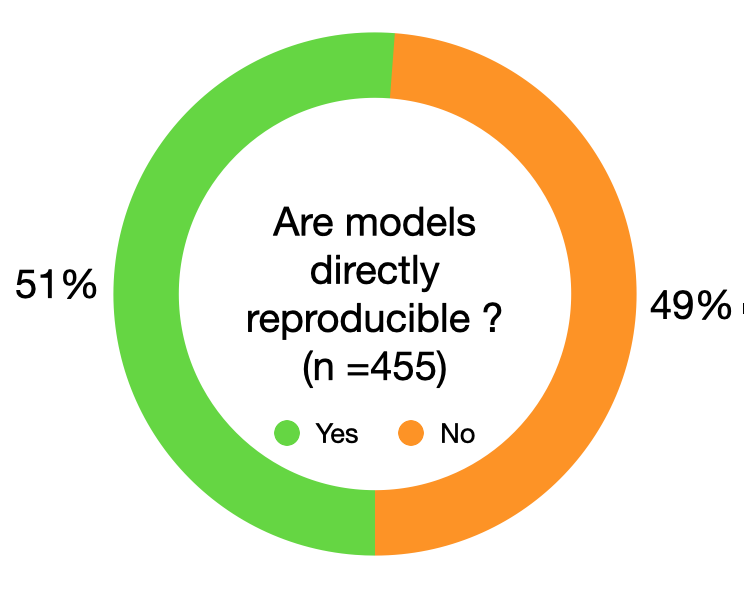
About half of #systemsbiology models fail to directly reproduce #simulation results! Over the past 3 years we investigated >450 models published in 152 journals & identified the root cause for the lack of #reproducibility. Read our #biorxiv_sysbio article https://t.co/7sjuBOnSYF
While in genomics + transciptomics everyone is in conda + containers. In proteomics, we can't distribute the software without clicking a license page. New tool MutCombinator following the same style... I don't know how the field will move to large-scale data analysis.
The @BioContainers Registry is a light-metadata interface to quickly find the tool and the corresponding container (https://t.co/F0Vu7yu7uW). You can get info about NAME, Number of downloads, short description, License. What other information you would like to see?
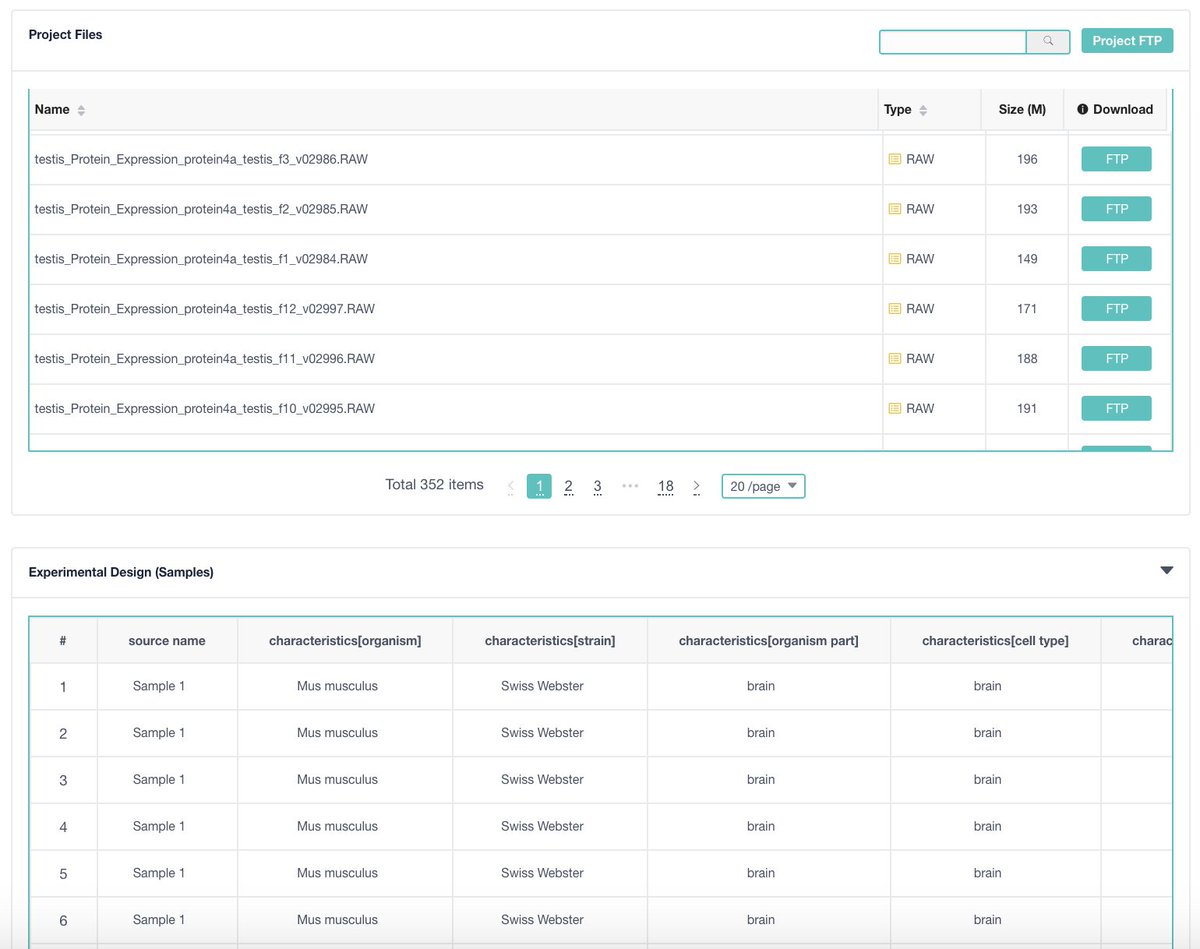
If you are wondering how to sample annotations will look like in Proteomics. Here an example of the first annotated submission in @pride_ebi with Sample annotations from @GygiLab https://t.co/KUT45fp1pP . All the annotations have been done based on SDRF (https://t.co/UNznftCUah)
Thanks to @EuBIC_ms the new SDRF file format for proteomics is really getting adopted. Multiple contributions from @EuBIC_ms members such as @mvaudel@OpenMSTeam @lgatt0 and Lev Levitsky, Johannes Griss https://t.co/EU5S0Ugywr . We hope more people get involved.
61 projects annotated using the SDRF specification (https://t.co/NUnEEpt82g). TMT, SILAC, Label-Free, phospho-proteomics, protein-protein interactions experiments. A validator is now in place, every time a collaborator add a new experiment, the PR will be validate before merge.