Sharing technical knowledge to strengthen air quality monitoring across African cities. 🌍
We welcomed a delegation from the City of Harare, Zimbabwe 🇿🇼, to our AirQo lab at @Makerere as part of the Kampala–Harare learning exchange through the Partnership for Healthy Cities, exchanging experiences on how cities can build and sustain reliable #AirQuality monitoring networks.
We're proud to contribute our technical expertise to this collaboration, helping strengthen local capacity across African cities and expand access to reliable #AirQuality data to inform decisions that protect public health.
#Cities4Health #BeatNCDs
@KCCAUG
Open technology gives young innovators the tools and skills to build solutions close to home.
Access to open tools, data and practical learning experiences helps emerging technologists understand how systems work, develop their ideas and adapt technology to local needs.
For #CleanAir, that means growing local expertise to deploy, maintain and improve the monitoring systems cities need.
Read how we’re helping equip Africa’s next generation of technologists 🔗 https://t.co/HaIGTWcPS9
Where should the next #AirQuality monitor be installed?
Without a shared picture of existing coverage, investment may overlook communities with little or no monitoring.
Knowing where monitors are located, and whether they are active, can help governments, funders and network managers avoid duplication, strengthen existing networks and prioritise underserved areas.
AirQo’s Network Coverage Platform helps identify these gaps and direct resources where they are needed most.
Explore the platform and download the report: https://t.co/cldiJ370Va
Reliable, locally calibrated #AirQuality data is essential for #CleanAir action.
In Yaoundé 🇨🇲, the city’s first reference-grade monitor will help locally calibrate low-cost sensors, improving the reliability of data used for public health research, advocacy & policy action.
“When there is no evidence, there is little that can be done to make a case for changing existing paradigms in society.”
📽️ Dr Felix Assah, Associate Professor of Epidemiology and Public Health at @NgoaEkelle explains how publicly accessible air quality data can strengthen research, policy advocacy and targeted action for cleaner air.
The call for #CleanAir does not end with #CleanAirDay.
In Mozambique 🇲🇿, open access #AirQuality data is helping communities, health institutions and government understand pollution, strengthen public-health communication and plan informed responses.
📽️ Dr Hermínio Cossa, @Manhica_CISM shares why #OpenData matters and how collaboration with AirQo and partners is helping build a stronger foundation for sustained air quality action in Mozambique.
Clean air is more than just a beautiful blue sky it’s about the air we breathe and the health of our families and communities. Join the experts this Monday, 7 September, from 3:00–4:30 PM (EAT) for a conversation on the importance of clean air and what we can do to build healthier communities. Register here: https://t.co/hEQopPS3FR
#CleanAir #BlueSkies #LungHealth
@brucekirenga@AirQoProject@BugandaKingdom_@ABarirega@nemaug@TeddyNabakoozaG@KCCAED@CleanAir_Africa@FRESHAIRTeam@KCCAUG
Open #AirQuality data can only drive impact when it is accessible, understood and used to inform decisions.
African-led technology is helping integrate air quality data into public dashboards, health alerts, research, mobility planning & environmental reporting, supporting better decisions across health, transport, urban planning and climate action.
What could accessible air quality data unlock for your city?
Explore AirQo’s API here🔗 https://t.co/m2SZIZ0neI
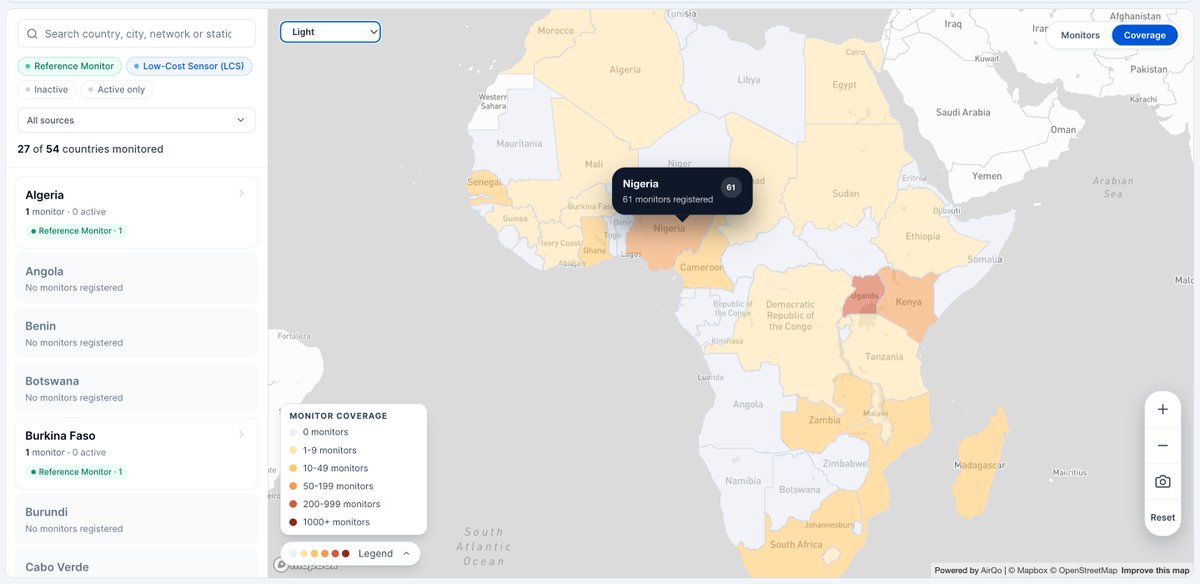
More monitors do not automatically mean better monitoring.
Building effective #AirQuality networks requires a clear understanding of where monitors are located, whether they are active and which communities remain underserved.
AirQo’s Network Coverage Platform brings this information together, mapping low-cost sensors and reference monitors across Africa. This shared view will help govts, researchers & funders coordinate investments, identify underserved areas and plan stronger, more representative monitoring networks.
The platform currently maps registered monitoring activity across only 27 African countries, highlighting both the progress made and the work still ahead.
Explore Africa’s air quality monitoring landscape 🔗 https://t.co/Ns4dAxjY5z
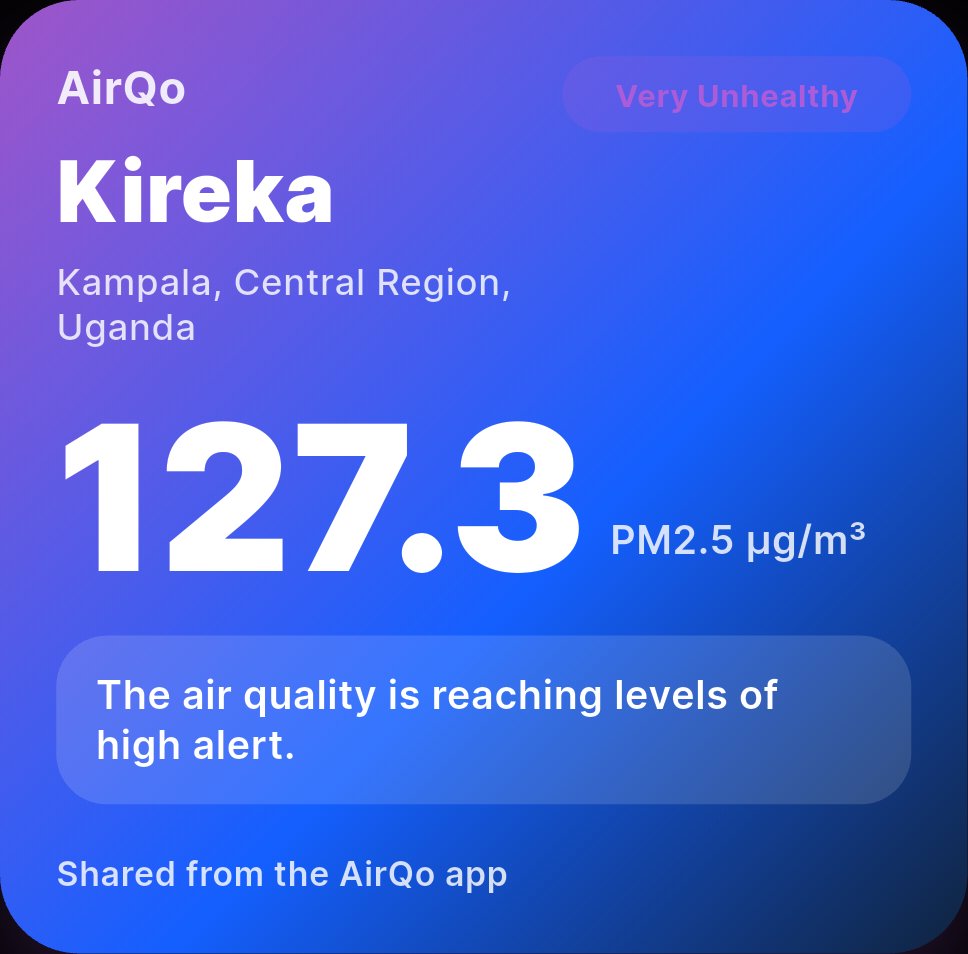
Air quality in Kireka is Very Unhealthy.
PM2.5: 127.3 µg/m³
Location: Kampala, Central Region, Uganda
The air quality is reaching levels of high alert.
@AirQoProject
Join me on the app here: https://t.co/Ldwb0ImP79
In our latest blog, we reflect on the #AfricaCleanAirForum2026 and how we're building open data infrastructure and contextualised AI solutions to accelerate #CleanAir action across Africa.
From strengthening monitoring networks and improving data access to supporting forecasting and targeted interventions, our work is helping African cities turn #AirQuality data into actionable evidence.
Read more 🔗 https://t.co/Idox7BFBIT
Air quality data creates value only when people can access it, trust it and use it.
In this @wef article, @iBaino, Christa Hasenkopf & Roddy Weller propose five guiding principles for closing the world’s #AirQuality data gaps:
1⃣Advance representative & sustained monitoring
2⃣Ensure open-ready systems, data ownership & sovereignty
3⃣Uphold data quality & integrity
4⃣Adopt standard protocols & harmonised data formats
5⃣Translate open data into #CleanAir action
Read more 🔗 https://t.co/NCDi6GW2ca
🚀 AirQo Vertex is a reusable foundation for any sensor network. Your control room for devices & sites. Bootstrap your own IoT console in seconds:
npm i @airqo/create-vertex-app
https://t.co/GdPKpbfAt3
#IoT#DevTools@belindamarionk@WabiRaja
An exciting Day 4 of #DSA2026Kampala and the opening day of the DSA Workshop!
Highlights included cutting-edge research presentations, discussions on African Language Models, and exploring how efficient AI can power real-world solutions in resource-limited settings (@Arm)
Reliable data starts with how it is collected.
At #DSA2026Kampala, our team shared how IoT and low-cost sensors can capture data in the field and enable automated workflows from the point of collection.
The session demonstrated how locally designed sensor systems can make it easier to collect, transmit and process data supporting solutions designed for local needs and conditions across Africa
African-led technology is helping make #AirQuality data more accessible, usable, and actionable.
By integrating air quality data into public dashboards, health alerts, research, mobility planning, and environmental reporting, open data can support better decisions across health, transport, planning, and climate.
Explore what’s possible with AirQo’s API 🔗 https://t.co/m2SZIZ0neI
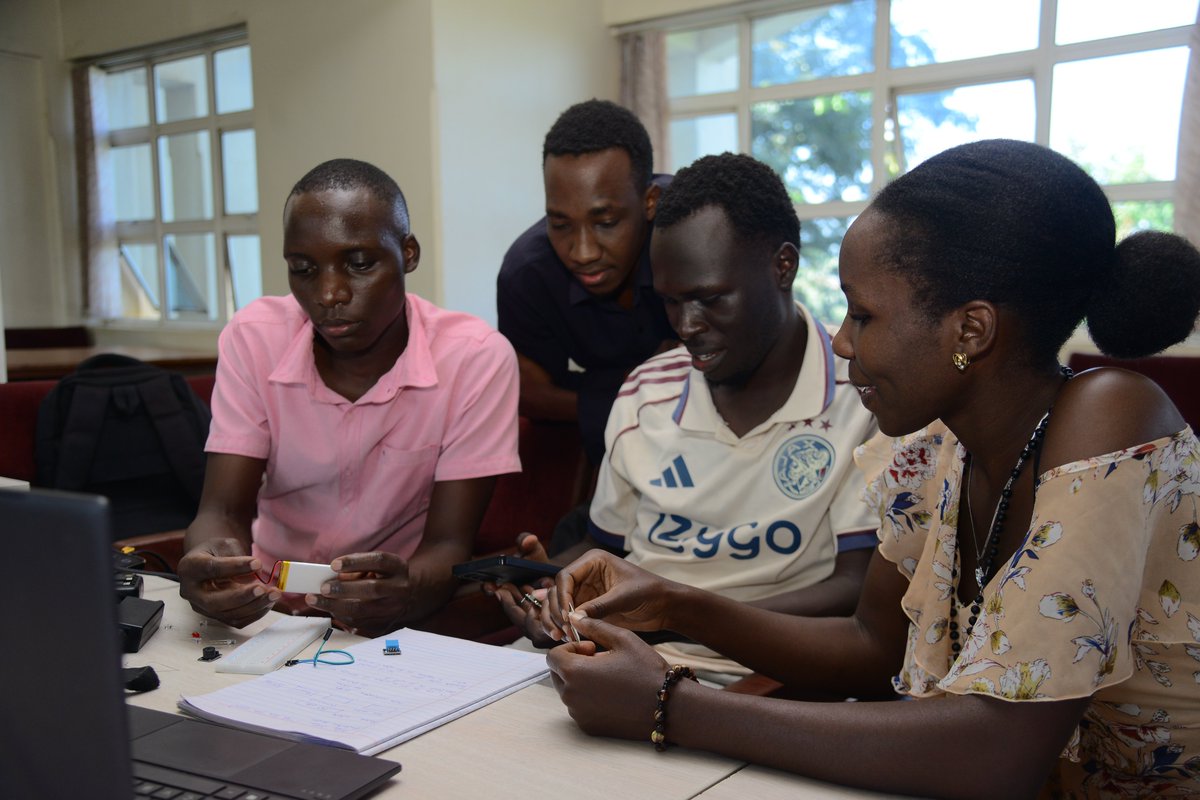
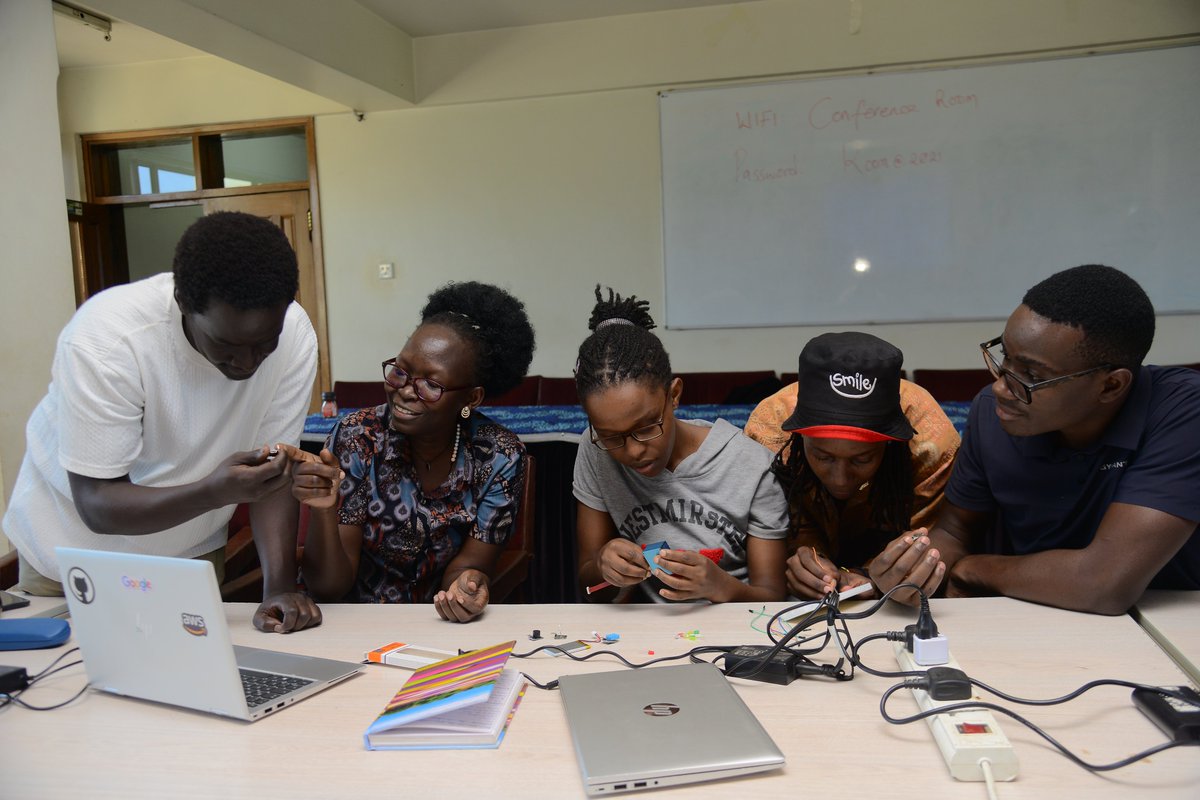
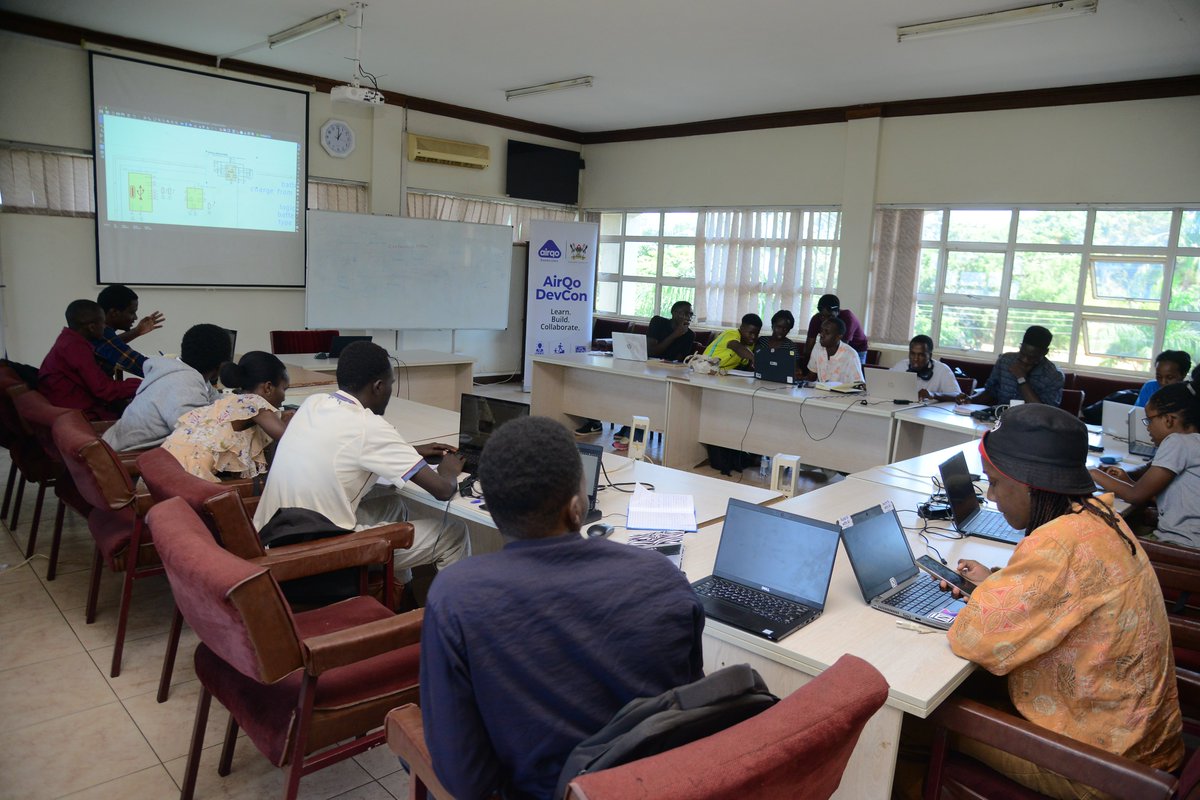
Back for Day 2 of #AirQoDevCon!
The best way to understand technology is to get close to it. The boards, the sensors, the wiring, the debugging, the small fixes that make systems work better.
We're giving students space to learn, build, and see what goes into real-world #AirQuality monitoring hardware.