Are you integrating Noctua fans into your engineering or other projects? We now offer public 3D CAD models of all our fans for download on our website, intended for mechanical design, renderings or animations: https://t.co/GLCTXDGxR5
Three years since the first flight of Starship, the next generation is here. New ship. New booster. New engines. New pad and new test site. SpaceX engineers are working to solve one of the most difficult engineering challenges in history: developing a fully, rapidly reusable rocket
The most historic #GoPro images ever captured.
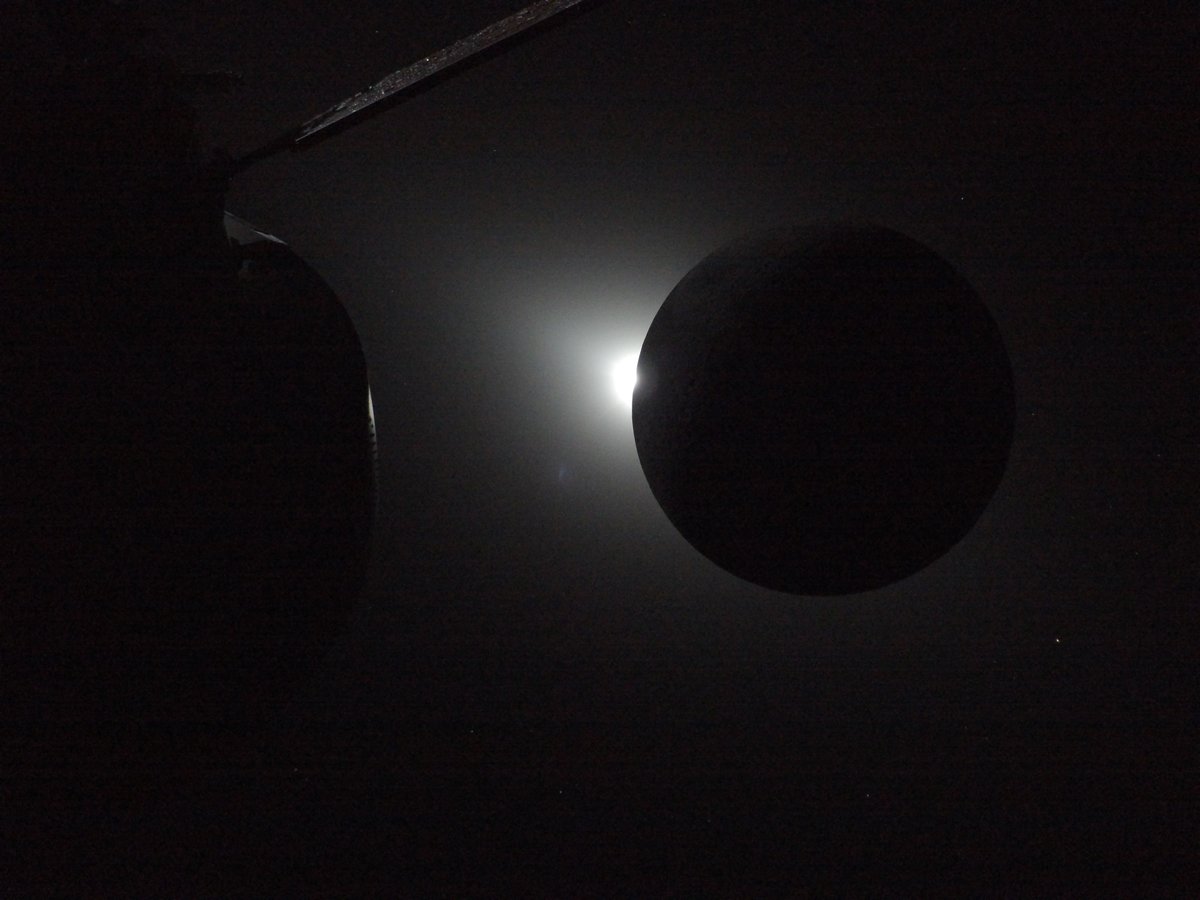
Slide 1: The Moon, seen backlit by the Sun during a solar eclipse on April 6, 2026, is photographed by a GoPro on the Orion spacecraft’s solar array wing. Orion is visible in the foreground on the left. Earth is reflecting sunlight at the left edge of the Moon, which is slightly brighter than the rest of the disk. The bright spot visible just below the Moon’s bottom right edge is Saturn. Beyond that, the bright spot at the right edge of the image is Mars.
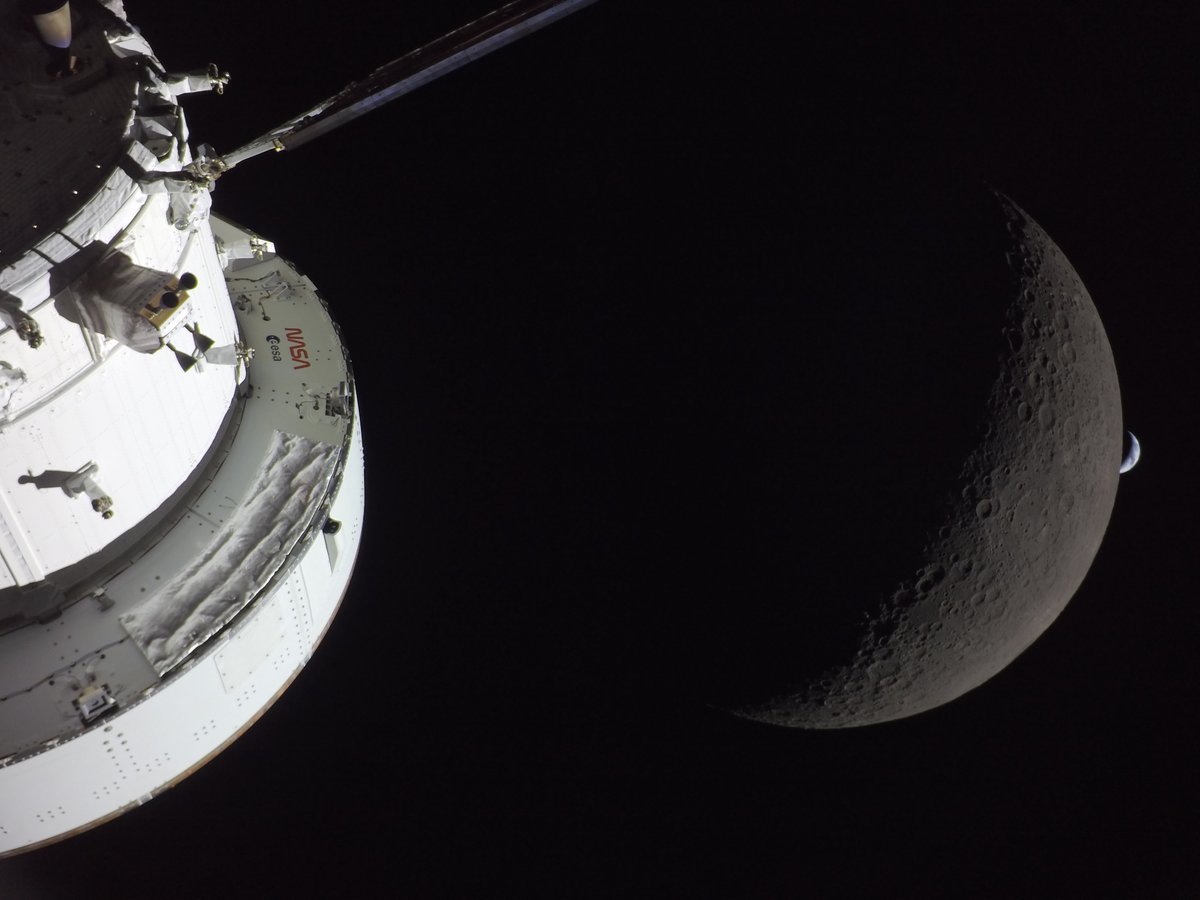
Slide 2: A GoPro on NASA’s Orion spacecraft captures the Moon and the Earth in one frame during the Artemis II crew’s deep space journey at 6:42 p.m. ET on the sixth day of the mission. The right side of NASA’s Orion spacecraft is seen lit up by the Sun. A waxing crescent Moon is visible behind it. And then, a crescent Earth, tiny compared to the Moon, is about to set below the Moon’s horizon on the right.
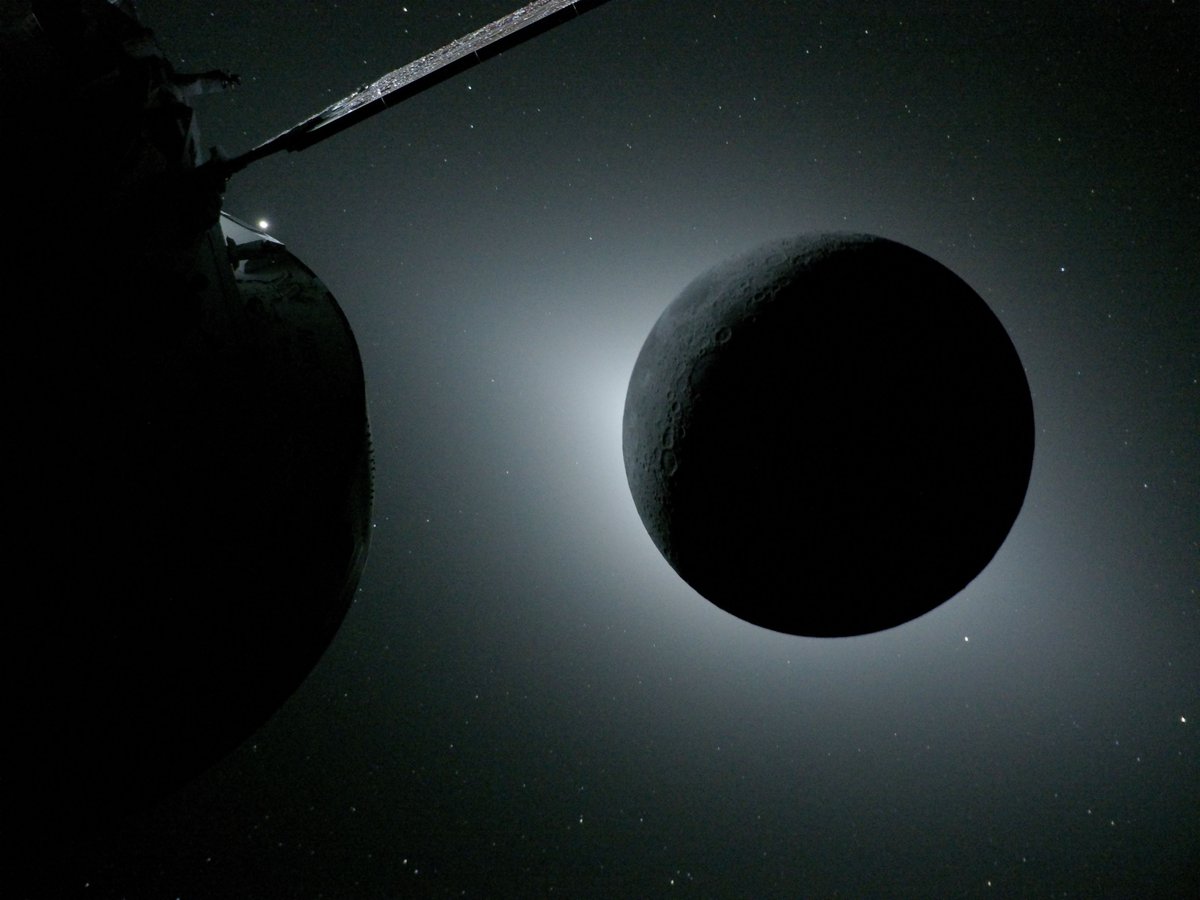
Slide 3: The Sun is rising at the left edge of the Moon, ending a nearly one-hour total solar eclipse on April 6, 2026. While the Sun hid behind the Moon, the crew aboard the Orion spacecraft, pictured in the forefront, saw a Moon shrouded in night. This offered a perfect opportunity to look for rarely seen phenomena. And the moment delivered. Calling down to Earth at 9 p.m. ET the crew reported seeing six impact flashes, which are light flashes that are created when meteoroids, traveling many thousands of miles per hour, smash into the Moon’s surface.
Slide 4: The Orion spacecraft is seen in the foreground lit up by the Sun. A first quarter Moon is visible in the background. Orientale basin, a 600-mile-wide impact crater ringed by mountains, is visible toward the bottom right of the Moon. This basin straddles the Moon’s near and far sides. To the left of Orientale, which has a patch of ancient lava in its basin, is the far side; this is the hemisphere we don’t get to see from Earth. To the right of Orientale is the near side, the hemisphere we see every day from Earth. The nearside is notable for giant, dark patches of ancient lave flows that cover its surface.
Credit: @NASA
Learn more about GoPro's journey to the moon aboard Artemis II 👉 https://t.co/QABJ0031uE
#Artemis #NASA #Moon #Space
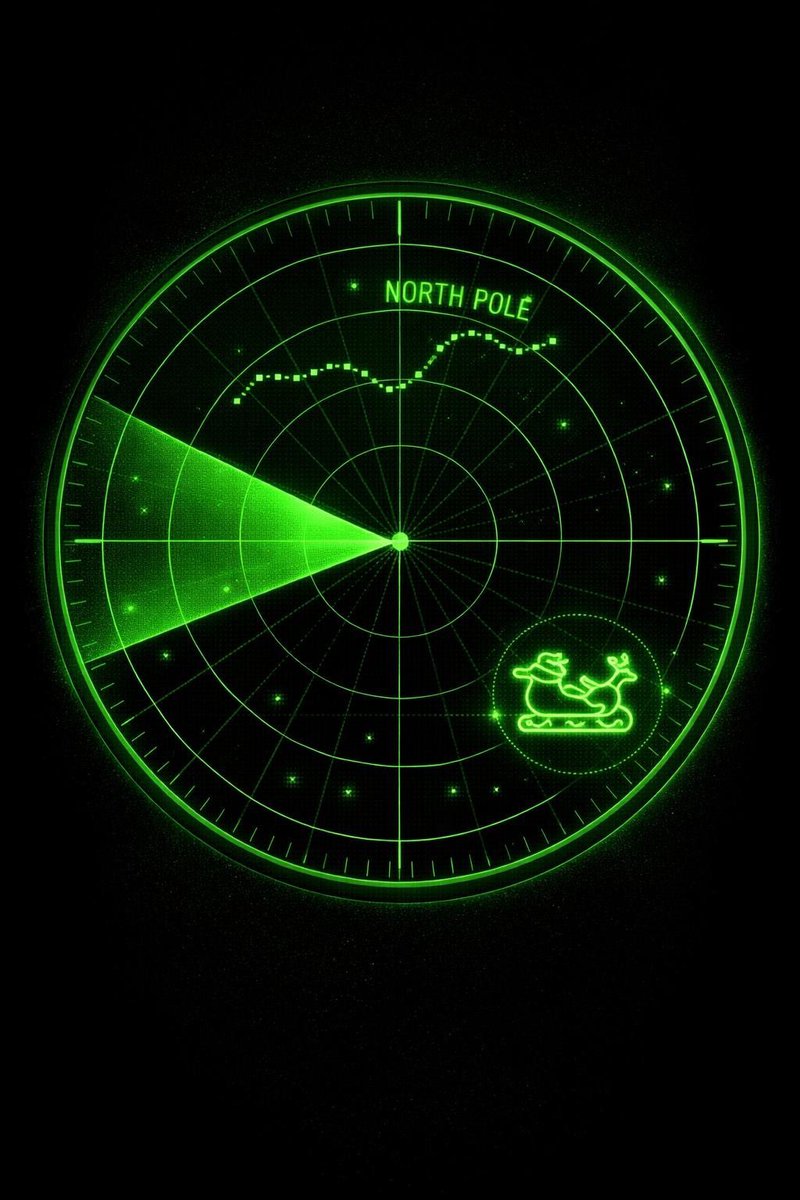
INCIDENT: We are currently monitoring an unidentified flying sleigh entering NATO airspace. The track originates from the North Pole and is flying an erratic path🎅 No NATO jets have been scrambled.
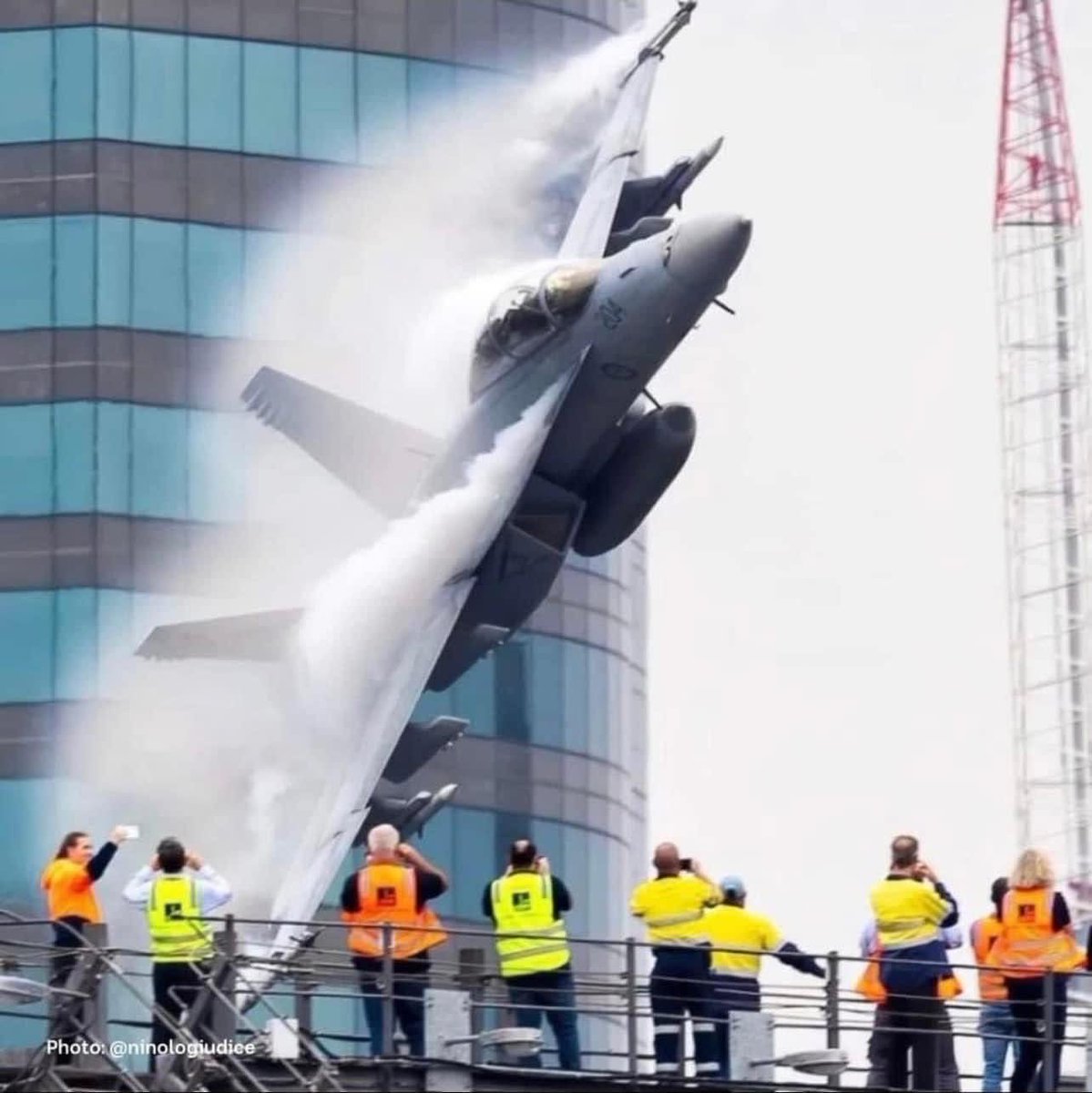
This pic will undoubtedly go down as one of the most famous Australian aviation pics ever. It was photographed by Nino Lo Giudice from the rooftop of fellow photographer David Kapernick’s apartment on the edge of the Brisbane River.
credit Nino Lo Guidice.
Starship continues to simultaneously be the fastest path to returning humans to the surface of the Moon and a core enabler of the Artemis program’s goal to establish a permanent, sustainable presence on the lunar surface → https://t.co/dGAZiB4rr3