New post about Oregon's apartments-near-transit bill, HB 2558:
Any time a city bans apartments near something desirable, it makes gentrification mandatory.
https://t.co/h50dUDLB0l
In @CityObs, @Joe_Cortright examines Portland, Oregon's Inclusionary Zoning policy and the city's "Wile E. Coyote" moment for housing development.
In short, the policy is constricting housing supply and incentivizing inefficient land use. #pdx https://t.co/XQinhj9MPp
Cool things in HB2558:
- mandatory bonus (1 extra floor) if below-market homes are included
- gives cities option to instead allow bigger buildings on a smaller share of the station area
- backed by @1000oregon, @OregonSmart, Welcome Home Coalition
https://t.co/dBoEWJpB3k
"Changing the rules of housing development to allow moderately priced housing in high-opportunity communities is essential for a more equitable, resilient, and thriving region." https://t.co/2fI8liWV5n
SEIU local 49 represents custodians. @PDX_BizAlliance reps the business owners who employ them, so the 2 groups don't agree often but they and a bunch of other disparate organizations are combining for an independent expenditure campaign for @tedwheeler. https://t.co/yeq15LHV1n
From the Report: "Local zoning reform and other land use provisions meant to increase light touch density housing production would be encouraged by the common sense policy provisions contained in the #YIMBYAct."
Up for Growth's @mikekingsella and @AEI's Edward Pinto authored our latest Insights Report, focusing on new AEI research that quantifies the benefits of "light touch" density. https://t.co/C4CWzG3KK0
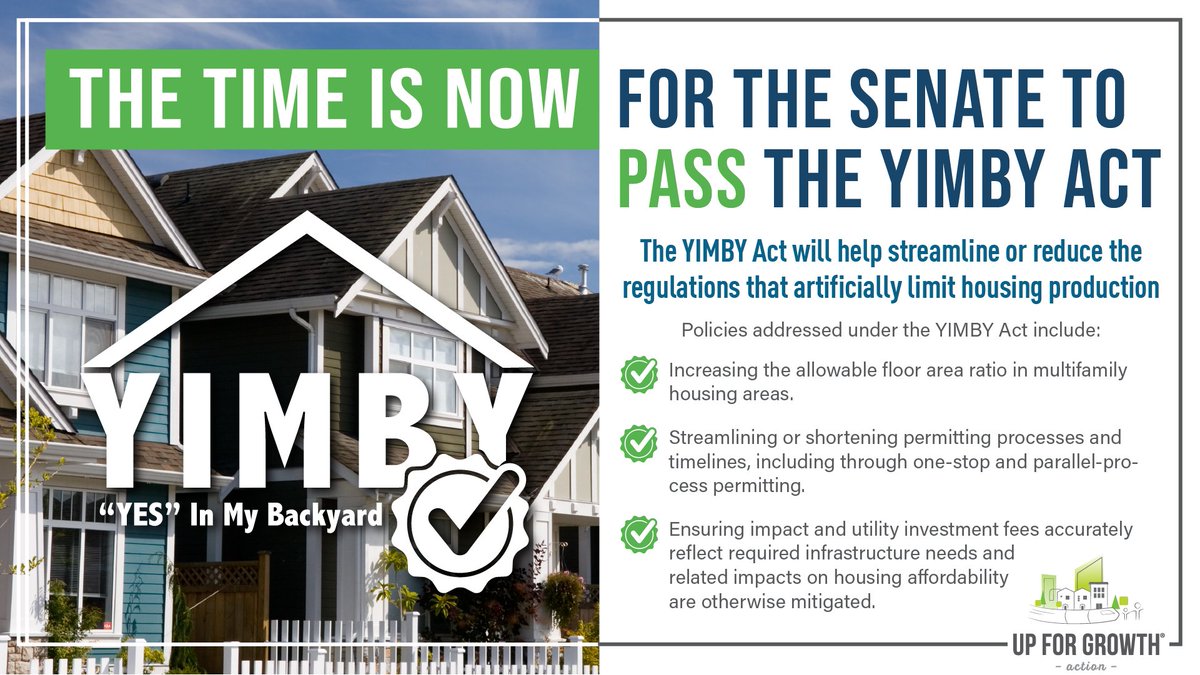
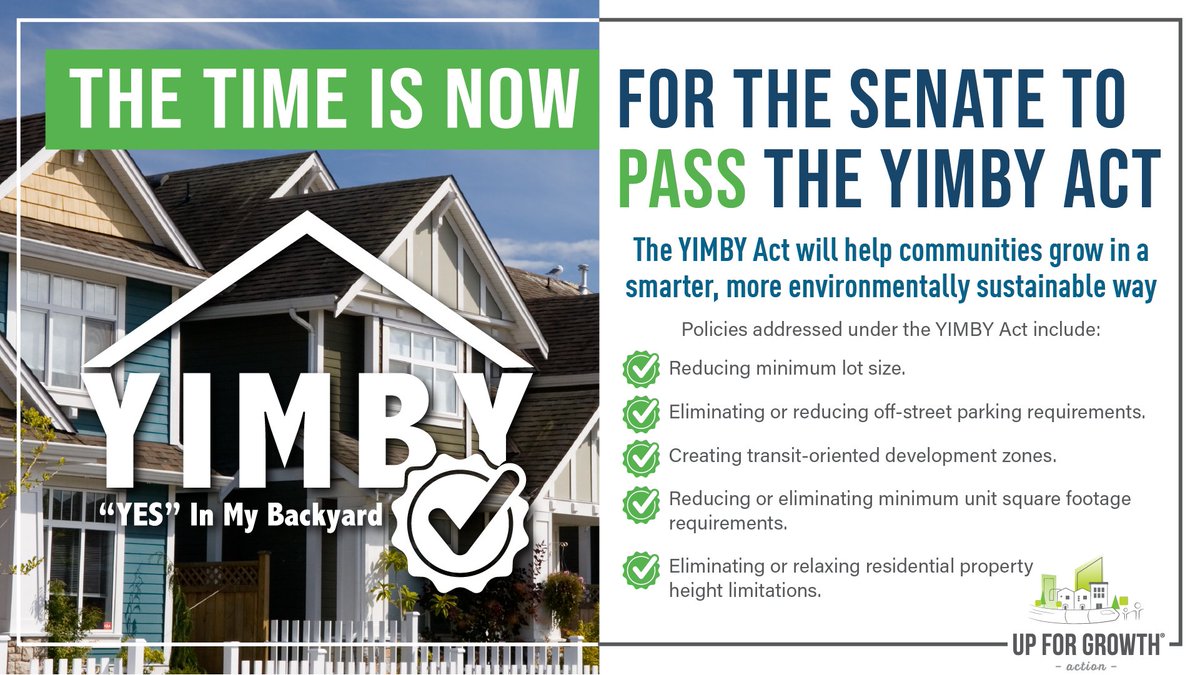
It’s up to the Senate to pass the #YIMBYAct.
The @Up4Growth and @OregonSmart-backed bill will increase #housing development by lowering housing costs and streamlining regulations. Read more about why this legislation is needed now. https://t.co/iqC5Nn0Ji4
We need smart national policies like this! Housing is key to our economic recovery. Congress can start with the #YIMBYAct, which has already passed the House. Let's go Senate!
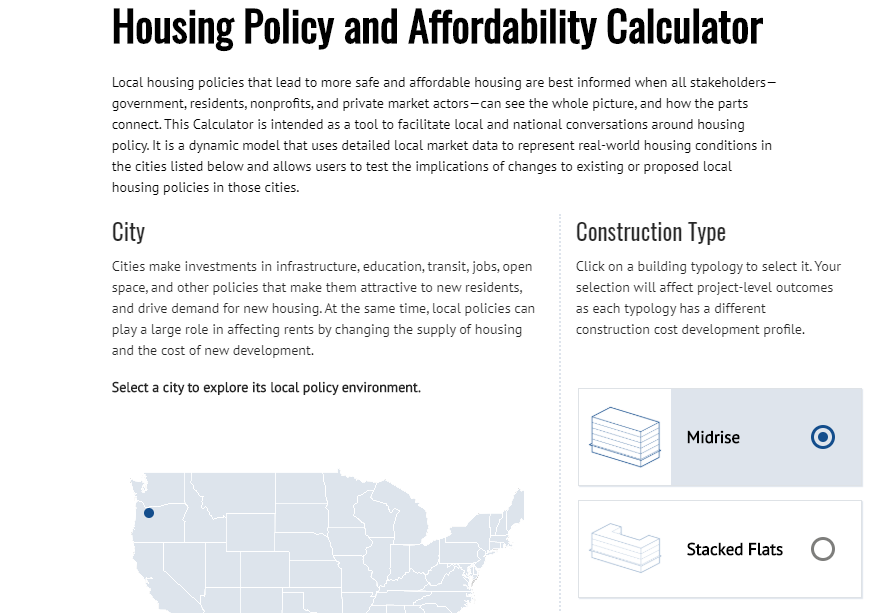
We'll have a white paper that explains the modeling and methodology used for the Portland Housing Policy and Affordability Calculator in the coming days. It will be available on the #HPACPDX page on our website. https://t.co/OrvBqJ82WP
.@mikekingsella: Portland should be acknowledged for its efforts to push back against exclusionary zoning, which traces its origins to racist redlining maps. We cited Portland in our insights report on the legacy of redlining. #HPACPDX https://t.co/JNrDQMX4j8
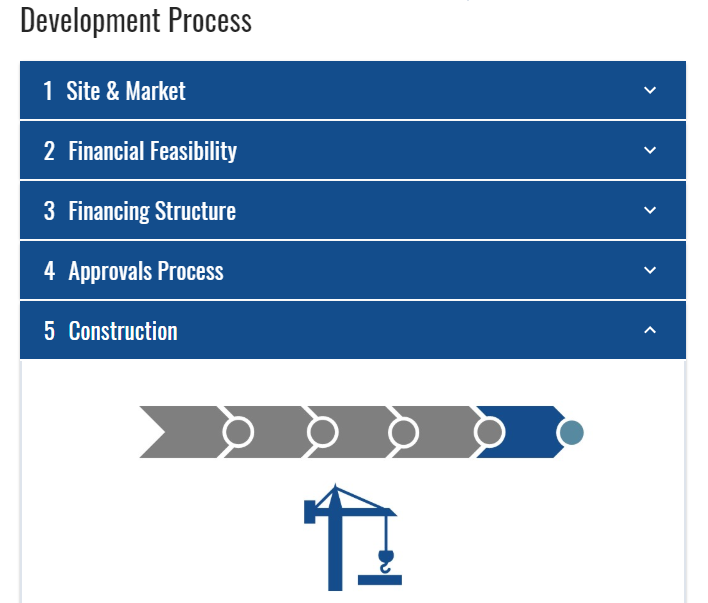
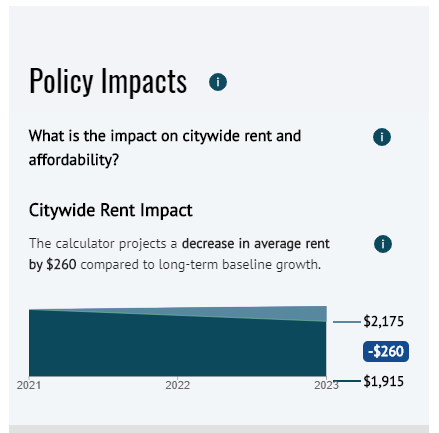
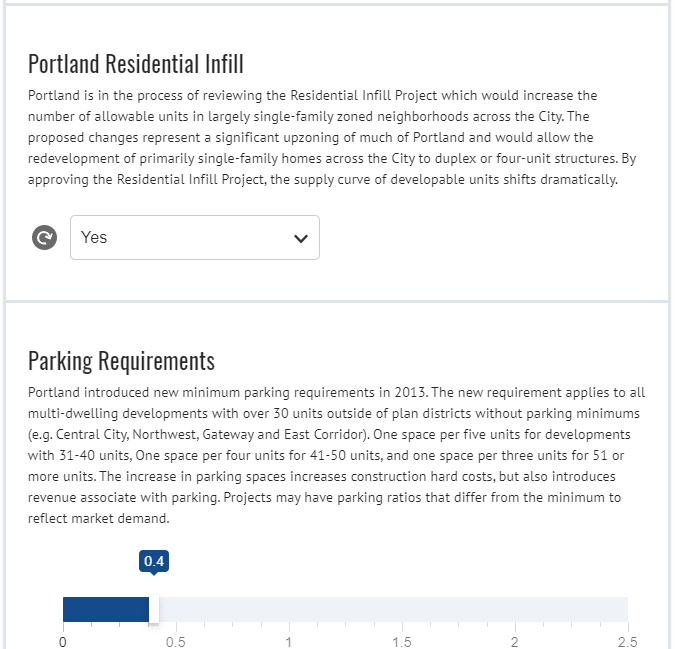
The Portland HPAC includes various policy and regulatory inputs and allows its users to explore how these policies impact the supply of housing citywide and the rent level required to justify the cost of a new unit of housing. #HPACPDX
One policy we examined is Portland's proposed Residential Infill Project, which will allow missing-middle housing in areas previously zoned only for detached single homes. Here's our Policy Brief on the proposed policy. #HPACPDX#PDX https://t.co/TIDLeMCvmU
Burges notes the increased communication, cooperation between housing developers and the City during #COVID19, and hopes it's a positive lasting legacy. #HPACPDX
.@mikekingsella: A big thanks to our partners and stakeholders involved in the development of our #HPACPDX, and in particular our strategic partner @OregonSmart.
Our latest insights post takes a look at why the current data on rent payments may not be able to fully capture the severity of the crisis - both now and in the future. https://t.co/ab5Wqfx1gS
To learn more about @RepDennyHeck's Emergency Rental Assistance Act of 2020, check out Up for Growth's legislative brief on this important legislative proposal to ensure that Americans can continue to stay in their homes and pay rent during #COVID19. https://t.co/9bOqW7kE2r
Want to know how housing is addressed in the proposed #COVID19 relief legislation? Check out this helpful infographic, and visit our COVID-19 resources page on https://t.co/Le5GRM1nyh for more information. https://t.co/rsN6u6Sw1V