A bit disappointed this didn’t get more attention. 😅
I was trying to announce that the FREE #NintendoSwitch port for @godotengine now supports the latest stable version: 4.3! 🎉
Let’s spread the word far and wide! 🤖💙✨
#GameDev#GodotEngine#FOSS
@BCvitanic@reduzio I agree with you that for 2D, Godot is the big shot right now, but for 3d... that is a different story, Unity( for mobile games) and Unreal (for PC games) are the top engines without discussion
A few more anoying issues to fix and my landscape system #MadeWithGodot is going to be open for testing. The extension editor is not perfect but it is usable.
@lawnjelly Oooooh, so I just need to update the llightmap module then? What do you think about the possibility of porting it to GDEXTENSION? Is it doable or do you think it might be a headache?
@Saulcava1 I stream mipmaps on demand so there is no need to have the entire mip chain in memory. For texturing I use a very simple virtual texture, a Clipmap Texture.
This is not a pretty picture, but what you see is a 64x64 Km long terrain made with #GodotEngine. This is about 20GB of offline data splitted in 4096 regions, being streamed at runtime. The first load of the scene is painfully slow (more than 1 minute), I need to check the cause
@passivestar_ I still prefer using an outline screen shader. This will also duplicate the geometry being drawn. however, it is a very useful method to highlight small occasional quest objects
@SpockBauru@dwarfses@TokisanGames I would suggest using the geometry of the mesh to remove the unnecessary probes. something like generate a shape and instantiate the probes only if they are inside the geometry.
@TokisanGames You are on the right track. I use a file per region for my landscape system following a suggestion made by @drugbite a while ago, kind of how the Unity Terrain system works. I am looking forward to the day that our extensions are ready. @drugbite ,@TokisanGames Great Job!!!
@daihaminkey [2] Have a proper target renderer on mind from the beginning and develop the landscape for it, that will give you better performance than trying to target all backends at once. Right now my system runs on every backend but at the expense of sacrifices.
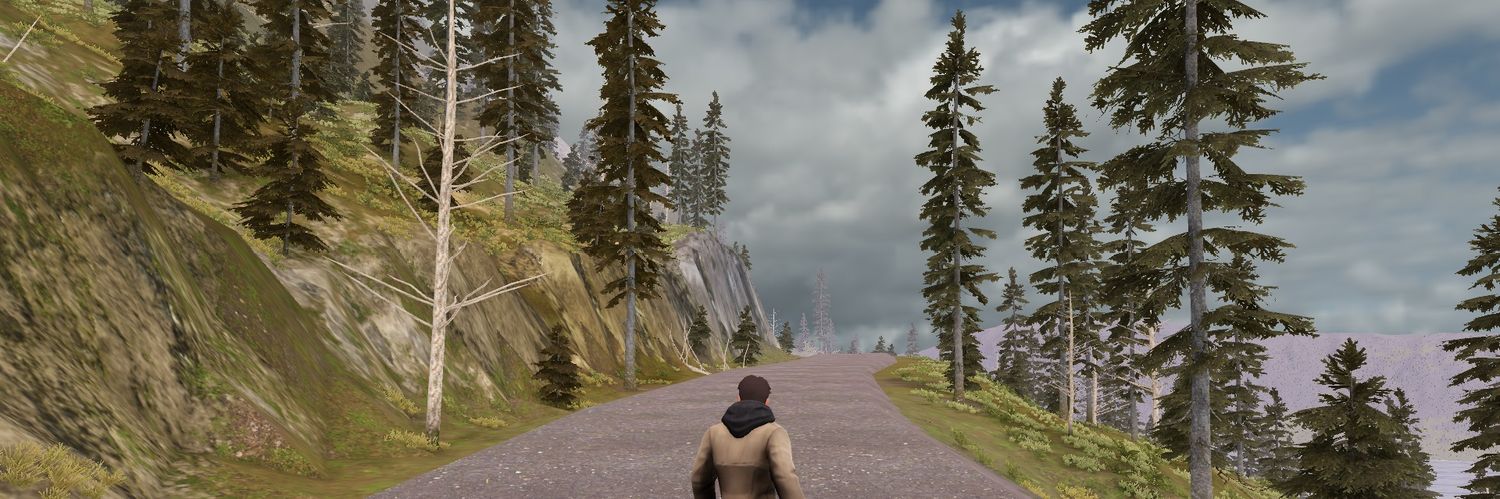
Here is my #GodotEngine Landscape System running on android and using the compatibility renderer. All settings at max. In a real game, I would hide most of the grass and use a lower tree density and, of course, lods.
@daihaminkey I would recommend first looking at the existing terrain systems and using those as a base. The hardest part sometimes is getting the terrain rendering running. If you find something that already works, dont reinvent the wheel. For biomes, look at Horizon Zero Down GDC talks
@lightshaftdev The editor includes a full set of tools for editing the terrain and also supports importing external maps from terrain generators. Currently, it is only fully available in the module version, since migrating it to gdextension is more painful than I originally thought