Hello and it’s been awhile but wanted to let the #epilepsy community know that planning has begun for the next PCEM to be held in October of 2023! Stay tuned! #PCEM23
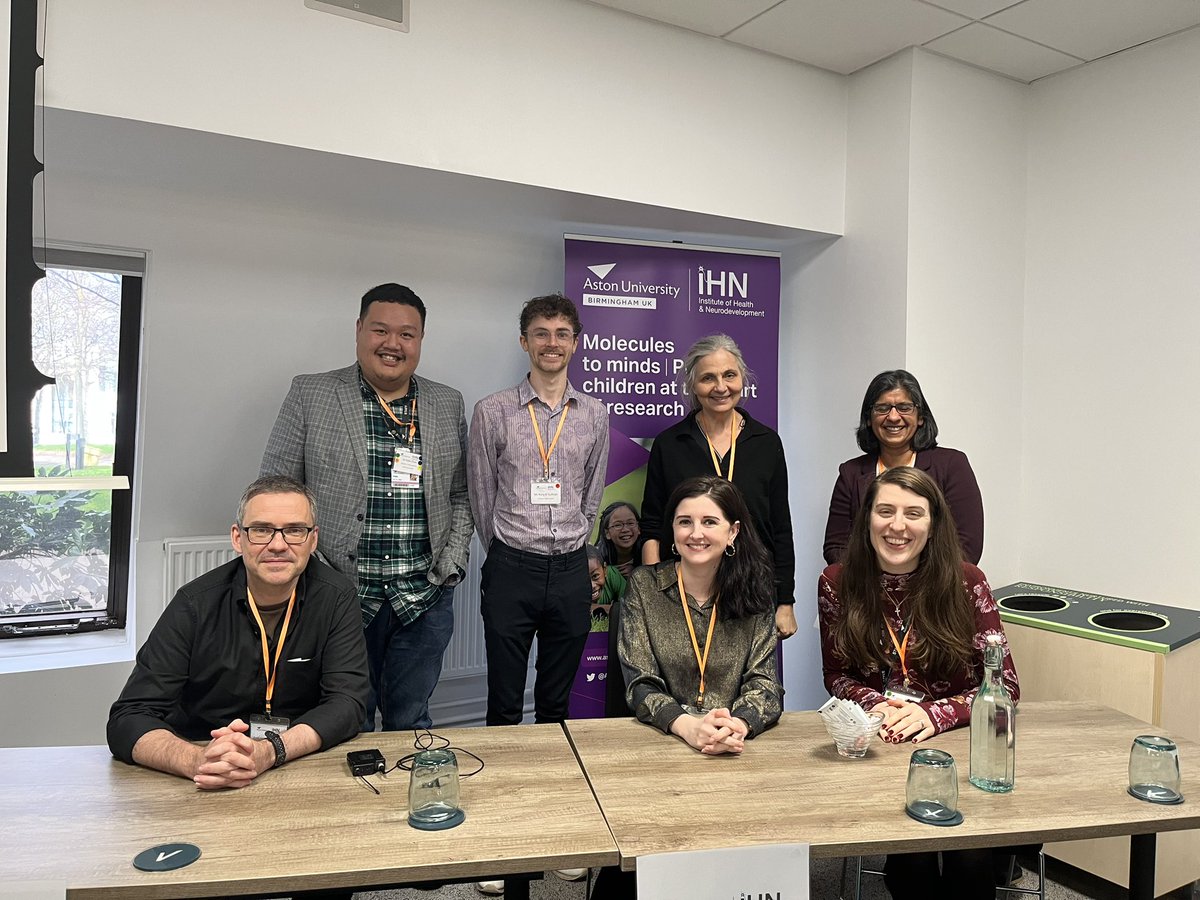
Had a fantastic day today at #MERPS2023 - epilepsy research discussion, meeting old and new colleagues, and forging a research network. Truly so happy to join a fantastic and dynamic UK epilepsy community! Thanks to @sk_wright, my co-organizer and professional partner in crime!
It was a privilege to be mentored by these ladies in my early years as an advocate. 13 awe inspiring years. What they accomplished deserves a medal. We stand on the shoulders of those who came before so we can see further. Thank you for all you have done, Susan and Barb. 🙏
Vicky Whittemore Ph.D., program director for the @NIH’s NINDS said:
“These findings provide unique insights into the role the microbiome plays in the disease and suggest that certain differences in gut microbes could serve as biomarkers for #MECFS https://t.co/PmuUS13SBa
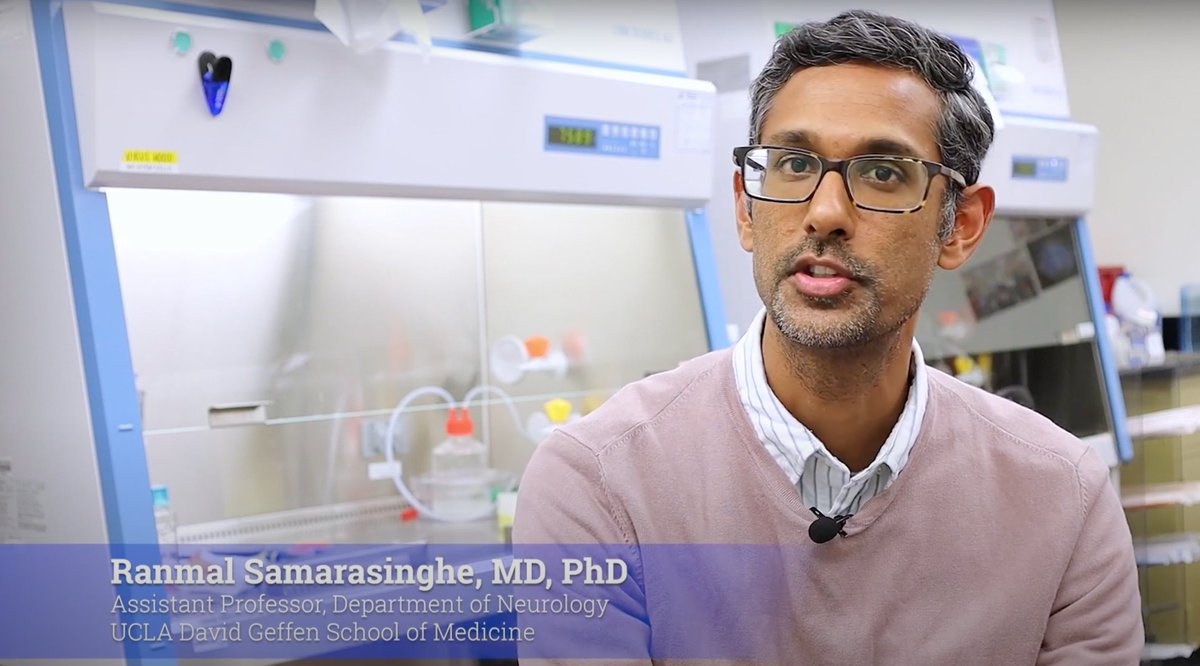
The latest video in our Lab Profile Series features Dr. Ranmal Samarasinghe!
Dr. Samarasinghe is working to understand and cure #epilepsy and other neurological conditions by using cutting-edge #research methods, such as developing #brain organoids.
https://t.co/EYpFb9GGC7
For #NationalEpilepsyAwarenessMonth, check out this Q&A with Center member Dr. Ranmal Samarasinghe, who shares how brain organoids are helping scientists better understand neurological disorders and why epilepsy can be difficult to treat. https://t.co/dKv3qBBEuh
To better understand #epilepsy, we need to look at both the brain as a whole and at individual neurons. But how do we do this? In this interview from #SfN2022, we talk to Jennifer Gelinas @Columbia about the techniques she uses to do this.
https://t.co/Q1Cje0Ke9R
Incredible talk today from my colleague @HombreCerebro during our seminar series @FMKirbyNeuro.
Amazing science and a beautiful presentation about how his lab uses neural networks to better understand visual perception.