Natural history of asymptomatic moderate or severe aortic regurgitation: a systematic review and meta-analysis
Please read the article and enjoy an in-depth interview between @jhfrudd and the first author, Dr Jwan Naser from The Mayo Clinic in Rochester, Minnesota, USA
Paper: https://t.co/fxWs0bkEiv
Interview: https://t.co/ZGhyrExOAf
How to approach calcified coronary lesions in contemporary PCI?
This State-of-the-Art review exploreD the role of intravascular imaging and available plaque modification strategies, offering a practical algorithm to guide treatment and optimise PCI results.
https://t.co/ybsPuoc3dn
ALL-RISE (@NEJM): Can coronary physiology be measured without a pressure wire? How does it compare with conventional pressure-wire physiology?
In our latest CardioTechX Journal Club episode, we break down the ALL-RISE trial.
#CardioX#InterventionalCardiology#CardioAI#CathLab
Wilhelm Kempff performed the entire Moonlight Sonata Op. 27 No. 2 by Ludwig van Beethoven.
From the perspective of the ancients, music was never merely a tool to satisfy emotions or ignite passion. Instead, high-level classical music carried a sacred mission: to elevate humanity towards transcendent values, absolute purity, and cosmic order – a concept that resonates deeply with the idea of a culture inspired by the divine, based on Beauty, Reason, and Faith.
The submission to the Divine over the Ego is perfectly epitomised in Kempff’s interpretation, which reflects a state of complete selflessness. He willingly diminishes his own ego, positioning himself merely as the most faithful conduit for Beethoven’s intent and the inherent order of music, rather than exploiting the art to aggrandise his own name. This is entirely congruent with the philosophy of traditional art, wherein the artist serves as a humble mediator, bringing the sublime beauty of the Divine to mankind.
Though the composition is, by its very nature, an expression of Beethoven’s tumultuous inner torment, Kempff’s touch manifests a formidable spiritual fortitude. He employs composure and reason to restrain and encompass that rebellion, evoking a sense of nobility and serenity after the storm, ensuring the listener is never consumed by despondent despair.
In beholding this video, one does not merely admire the auditory splendour; one witnesses the profound image of an artist sitting in solemn reverence before the piano, dedicating his entire existence to safeguarding the flame of traditional Western art in its purest, most unblemished form.
🍫 Science surprise:
In adults 60+ with heart disease, dark chocolate (2 cups hot cocoa daily for 1 month) was shown to double stem cells and improve blood vessel flexibility.
Aging isn’t destiny. The body can repair itself.
Follow for more science-backed health insights.
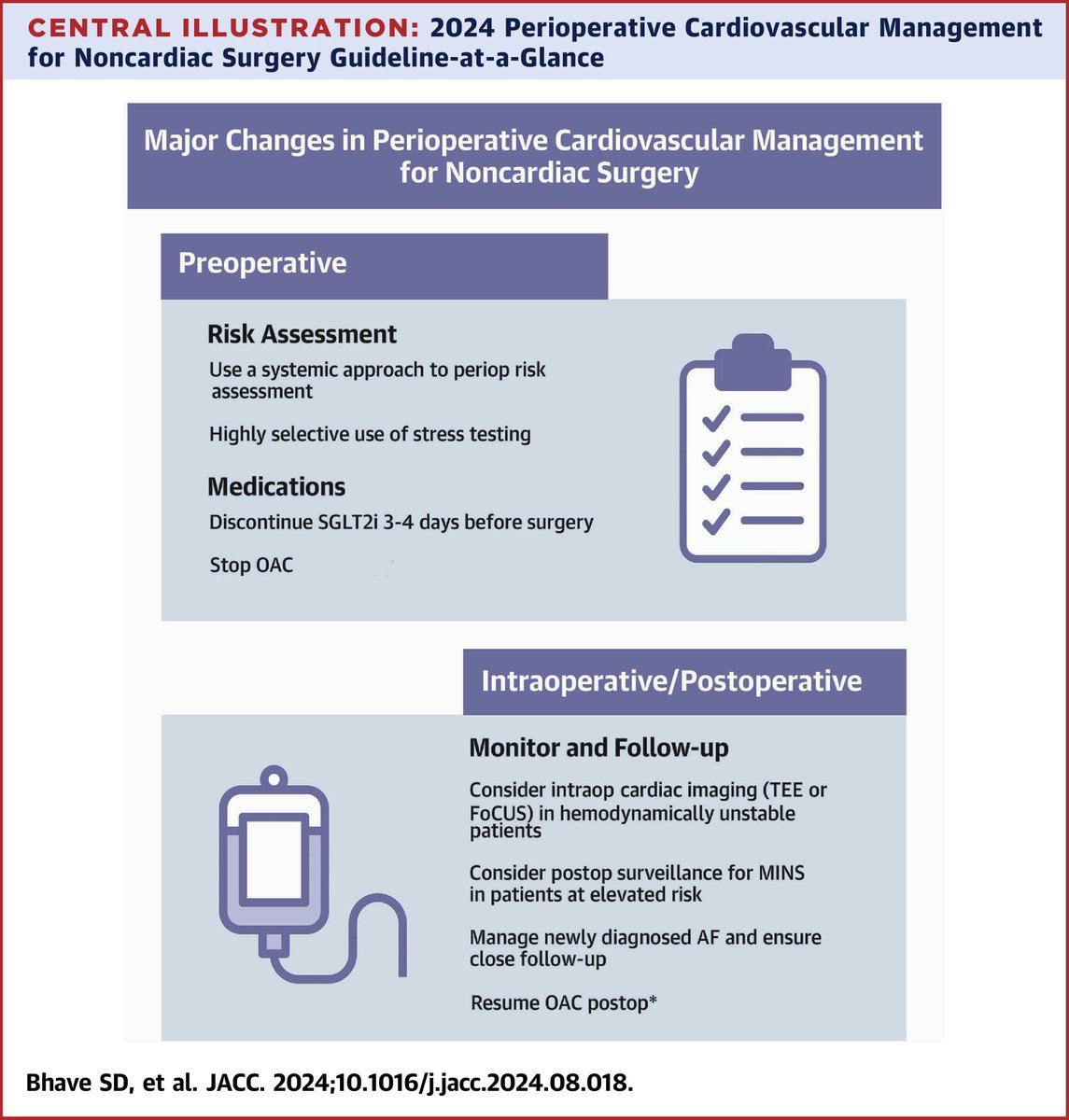
1/ Published today, the Guideline for Perioperative Cardiovascular Management for Noncardiac Surgery
📷: Stepwise Approach to Perioperative Cardiac Assessment.
📰 ICYMI: The newest clinical guideline released by ACC and @American_Heart, in collaboration with 7️⃣ other societies, provides updated recommendations for perioperative cardiovascular management of patients undergoing noncardiac surgery.
➡️ Get the details: https://t.co/XKflNJj5n4
#JACC #CardioX @JACCJournals
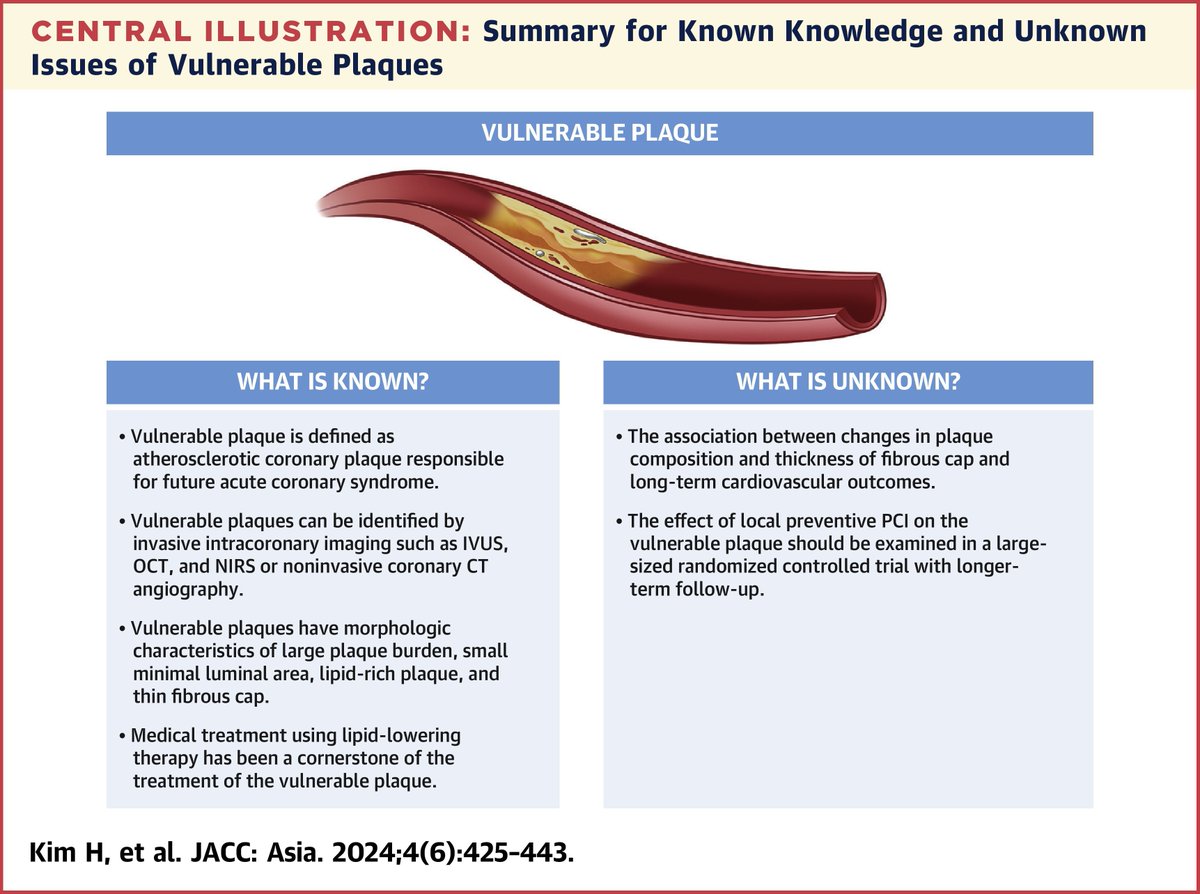
Although 💊OMT is the cornerstone treatment of coronary vulnerable plaques, local #PCI might seal them and prevent future #ACS events
Find out the best management strategies in this #JACCAsia state-of-the-art review: https://t.co/rK8eceoz9j
@dukwoo_park#cvACS#Revasc
From @JAMA_current: JAMA Clinical Guidelines Synopsis summarizes the accpchest 2022 guideline on perioperative management of patients taking oral anticoagulation or antiplatelet therapy who are undergoing an elective surgery or procedure. https://t.co/xQ4BQHhYD1