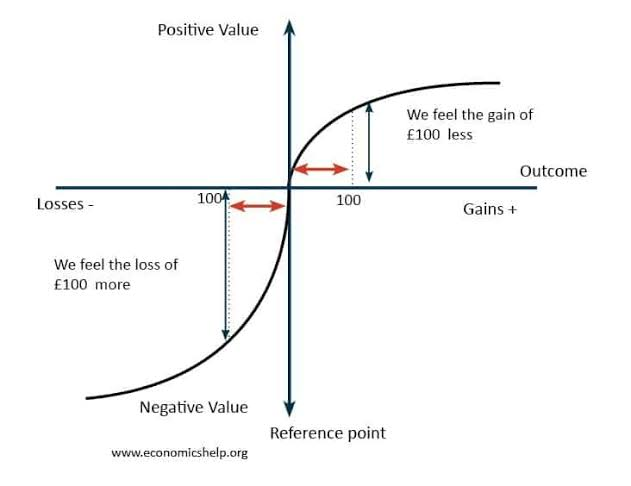
8. Loss Aversion:
The pain of losing is psychologically twice as powerful as the pleasure of gaining. We play not to lose, rather than playing to win.
Fear of loss keeps you stagnant.
🟢 $NQ 2 ICT + Wyckoff setups that you should have taken today.
I took the first one (ProjectX executions attached) and alerted the second one in my community -> https://t.co/6IoeHVB9Pp
Trade 1 (A Rating):
M1 Inversion on $NQ after $ES took London Low.
I still traded NQ because it is cleaner to trade and size + a Wyckoff spring for Mark Up
Pros:
- bullish SMT with ES
- strong DOL to Asia and London Highs
- wyckoff spring
- longing in discount
- inversion with strong momentum
- order block +
- singular gap
Cons:
- trade based on sweep of correlating asset
- no delivery
Trade 2 (B+ Rating):
Textbook M1 Inversion on $NQ after sweeping killzone levels + sell model start. Out of NY AM session so stops will always be at swing points.
Pros:
- bearish SMT with ES (NQ swept session levels, ES did not)
- wyckoff failed rally
- strong DOL to PDL
- shorting in heavy premium
- order block - & propulsion block -
- singular gap
- 11 am macro
- sell model prediction
Cons:
- out of session (even if in macro)
- weak momentum
- small gap
Higher yields generally considered bearish for the stock market.
When borrowing costs rise, the economy slows, particularly in times of uncertainty as we are seeing now.
Furthermore, with the tax bill and US deficit spending in question, that uncertainty is amplified.
This issue is even worse in Japan, which just saw 30Y bond yields hit a record high.
Japan's 30Y Bond Yield is up 100 POINTS since April's low.
Let us know if you'd like to see a thread on Japan's bond crisis.
Follow us @KobeissiLetter for real time analysis as this develops.
NVIDIA ($NVDA) experienced a staggering $600 billion market cap loss in a single trading day, marking the largest one-day drop in U.S. stock market history. This historic decline highlights the volatility in high-growth tech sectors, especially for companies leading transformative industries like AI and semiconductors.
Several factors likely drove the loss:
Weak Earnings or Guidance: If NVIDIA's earnings or outlook failed to meet Wall Street's lofty expectations, investor confidence would have taken a major hit. As a leader in AI and GPUs, its valuation is highly sensitive to small perceived weaknesses.
Macroeconomic Pressures: Rising interest rates, inflation concerns, or geopolitical tensions may have amplified selling pressure, as these factors tend to impact high-valuation growth stocks more heavily.
Sector-Wide Trends: Semiconductor stocks are historically cyclical, with declines in demand or supply chain disruptions often dragging down the entire sector.
Profit-Taking: After years of strong gains, some investors may have decided to cash out amid concerns over future growth.
AI Hype Concerns: NVIDIA’s role in driving the AI revolution has led to immense valuation growth, but doubts about whether the growth is sustainable or overhyped may have triggered a correction.
This massive sell-off underscores both NVIDIA's significant influence on the tech sector and the risks of leading in a rapidly evolving, high-stakes industry. While the scale of the loss is unprecedented, how the company and the market respond in the coming days will be critical.