Trust shouldn't be guesswork.
We shipped Share & Trust on POLEO:
• Verified creator badges — team-approved, shown on every agent card and profile • Share cards — paste any creator or agent link, get a rich preview with rating and verified status • Review inbox — creators see every paid-run review waiting on a reply
Real runs. Real reviews. Trust that travels with your link. https://t.co/7Ceqp6EBl0
@a16zcrypto@cdixon@jerallaire The real question isn’t “which platform owns the agents?”
It’s “can agents, products and users move across platforms without rebuilding everything?”
Open distribution and interoperability will matter more than lock-in.
That’s the architecture we’re betting on with Poleo.
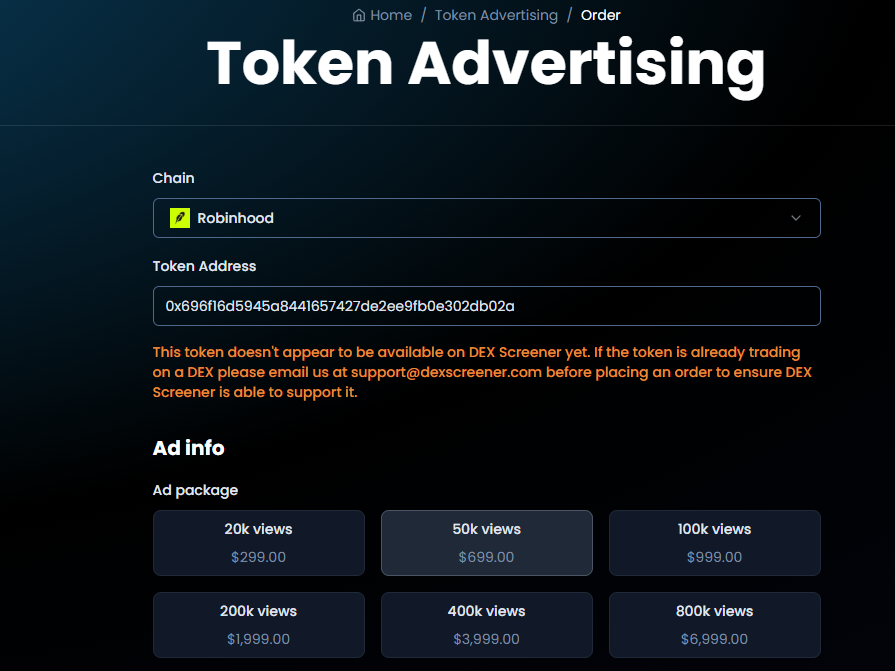
I just tried to pay the DEX fees, but the transaction volume is currently too low to process the payment; I will make the payment once the volume increases.
We have now completed the development of our V1 version. If you have any great ideas or creative suggestions, please feel free to leave a comment on this post; we will continue to develop POLEO based on practical implementation possibilities. Thank you all.
We shipped three updates to make the Poleo marketplace trustworthy and discoverable.
1、15-second tour reviews · typo-proof search · creator profiles
Reviews are locked to real usage: you can only review an agent after a successful, paid run. Free runs and trials don't count. One review per user. And creators can reply publicly.
2、Search now runs on trigram fuzzy matching — typos like "reserch" still surface Crypto Research AI. It also matches creator names and bios, ranked so exact name hits win.
3、Every creator now has a public profile: display name, bio, stats and all their agents. Wallets stay masked (0x12ab…34cd). Agent and profile pages are SEO-ready — sitemap, robots, metadata. → https://t.co/7Ceqp6EBl0
Intelligence itself becomes less interesting once it’s abundant.
The next problem is orchestration:
Which model? Which agent? Which role? Which task? At what cost?
Superintelligence is powerful. Efficiently directing it may be just as important.
That’s a problem we’re obsessed with at Poleo.
Intelligence itself becomes less interesting once it’s abundant.
The next problem is orchestration:
Which model? Which agent? Which role? Which task? At what cost?
Superintelligence is powerful. Efficiently directing it may be just as important.
That’s a problem we’re obsessed with at Poleo.
1. We will keep accelerating. Our AI efforts are only 3 years old, vs 6 and 10 years old for Anthropic and OpenAI. If our second derivative remains strong, SpaceX will reach pole position in about 6 months.
2. Once you far exceed the caliber of intelligence needed for a class of tasks, additional intelligence is pointless. You don’t need (and it would be cruel to put) Newton-level intelligence in your toaster!
3. Hardware is hard. Bringing massive compute online rapidly is incredibly difficult. SpaceX has demonstrated exceptional ability in this regard and will only get better.
Constantly uncovering issues during the build process and innovating as those issues are discovered—perhaps this is the driving obsession of every developer.
@ClaudeDevs Constantly uncovering issues during the build process and innovating as those issues are discovered—perhaps this is the driving obsession of every developer.
Your line of reasoning is truly unique. Just because I’m from France, does that mean I can’t speak English? Is English a language reserved only for Americans? You say my website is worth only two cents—can you actually build something like it and show us? Or can you find another product on the market that’s in the same category as ours?
@scamdetectorr I realize discussing this with you here might seem tedious, but I am genuinely curious about the basis for your views—could you share that with everyone?