Nearly 1.2 billion people - that’s roughly 1 in 7 - struggled with a #mental disorder in 2023.
And a new study reveals a staggering 95.5% rise since 1990.
The biggest jumps? #Anxiety and #depression, which were also the most common disorders worldwide.
https://t.co/fEqpiQUyVm
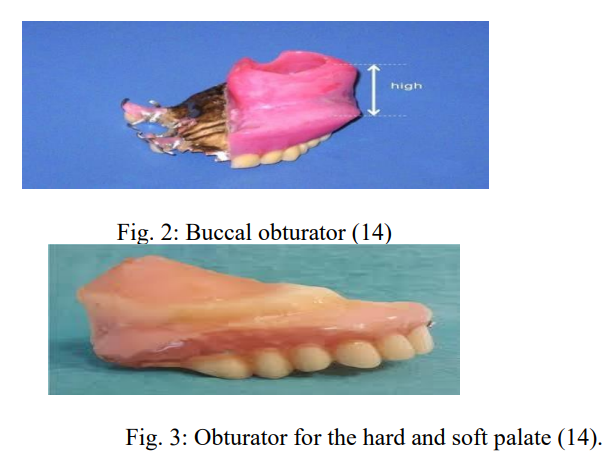
"The Influence of Prosthetic Obturators on Quality of Life in Individuals with Maxillectomy Defects"
- by Minseok Kim @UOPacific@dugoni_dental
https://t.co/fgGJlnz4A2 #OpenAccess#OralHealth
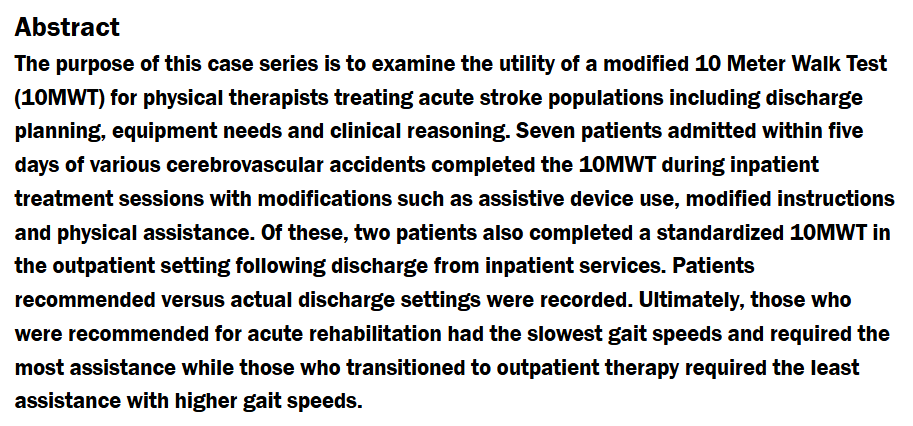
"Investigating the Clinical Relevance of a Modified 10 Meter Walk Test for Physical Therapists in the Treatment of Acute Stroke Populations:
Insights from a Case Series"
by Sarah Rowe, Gwen Juha, Joy Williams @sunsopeningband@aboutKP@UOPacific
https://t.co/7fq5i8QDZw
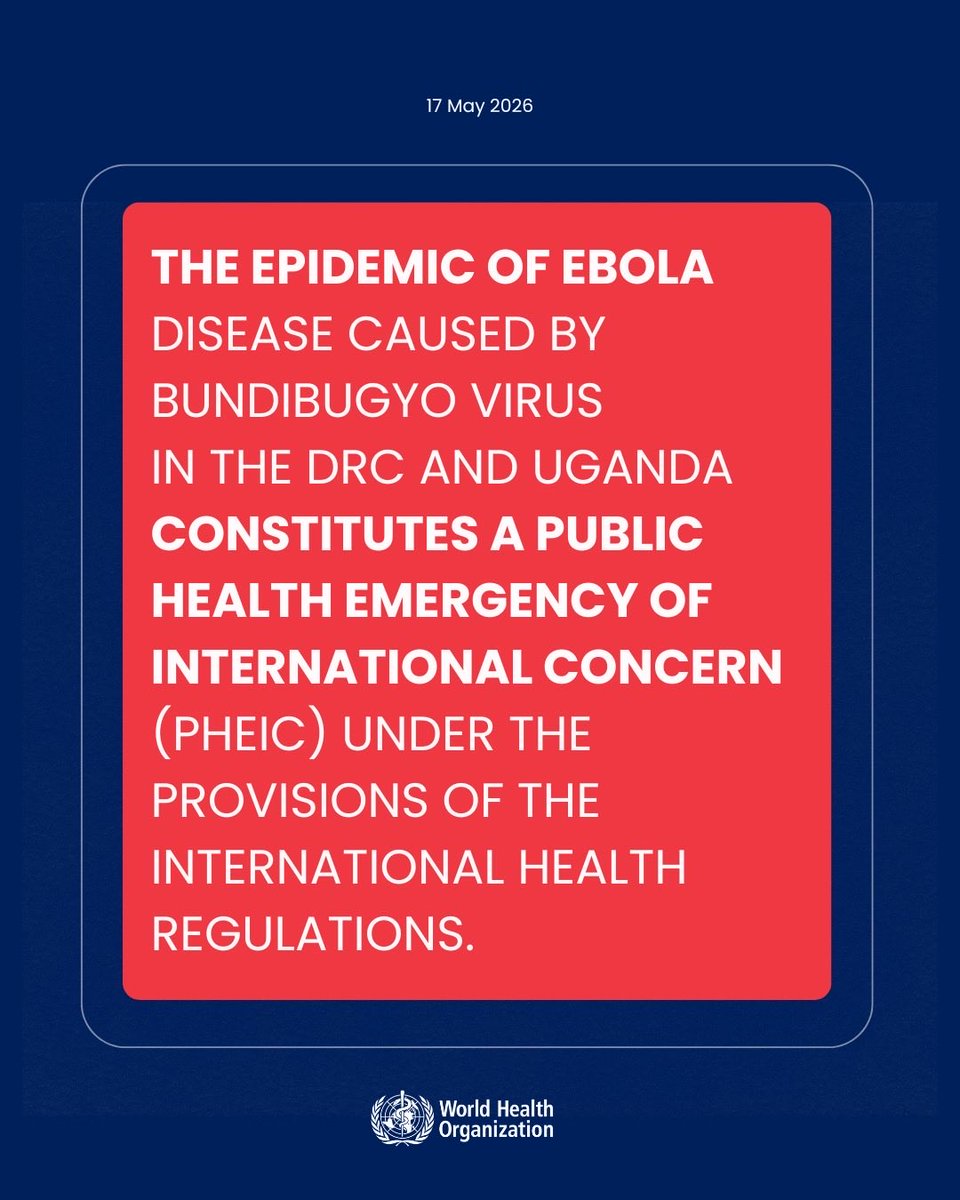
After having consulted the #DRC and #Uganda where the #Ebola disease caused by Bundibugyo virus is known to be currently occurring, I determine that the epidemic constitutes a public health emergency of international concern (PHEIC), as defined in the provisions of IHR.
My full statement: https://t.co/EjzdjrMXHO
The history of race-based correction of lung-capacity measures can be traced to a pre–Civil War belief among slave owners that slaves had naturally inferior lung capacity. Despite work to show that race-corrected spirometers mask lung-disease severity in Black patients, the majority of U.S. hospitals still use them.
Listen to the latest episode of Intention to Treat: https://t.co/30sbiVYe0i
Neanderthals went to the dentist (really).
New evidence shows #Neanderthals practiced dental surgery 59,000 years ago, revealing skill, care & causal reasoning far more advanced than long assumed.
https://t.co/yCFiZSjTgk #OralHealth#dentistry
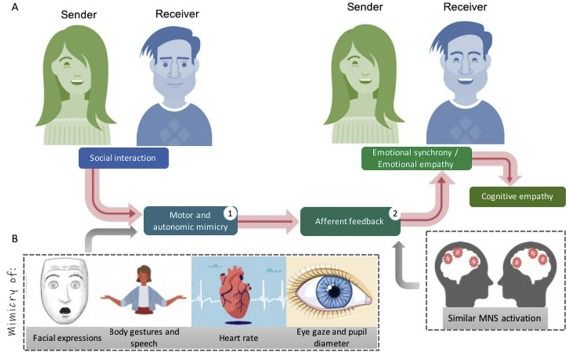
Depression may be contagious - here’s the science behind it.
We often think of #depression as a purely internal struggle.
But a compelling body of research suggests otherwise: depression can spread through social networks, much like an infectious disease.
https://t.co/aqmJjs9PGU
"Examining the Benefits of a Standardized Protocol for Hyperglycemia Screening in Adult Oncology Patients: A Pilot Study"
- by Alexa Dashko at St. Joseph's University Med Center
https://t.co/4tGJH0yYI4 #OpenAccess#cancer#diabetes
Hot off the press!
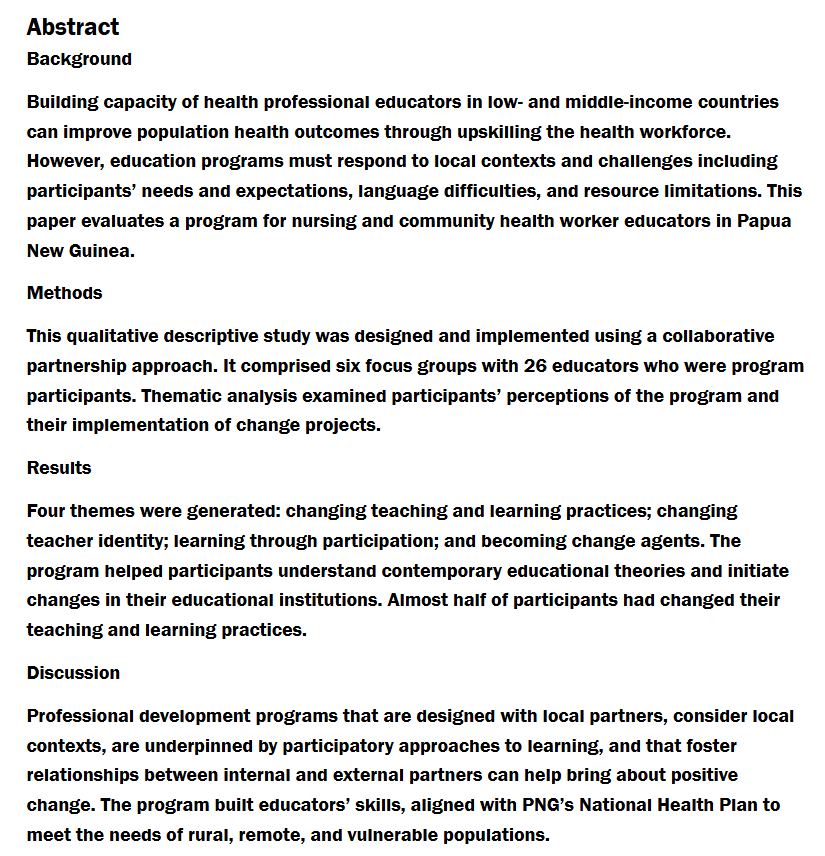
"Building capacity, changing teaching practices: insights from a professional development program for educators in a low-income country"
- by Caroline Havery, Mary Kililo et al. at Univ Technology Sydney
https://t.co/ksFGOyIwPt #OpenAccess#health
Hot off the press!
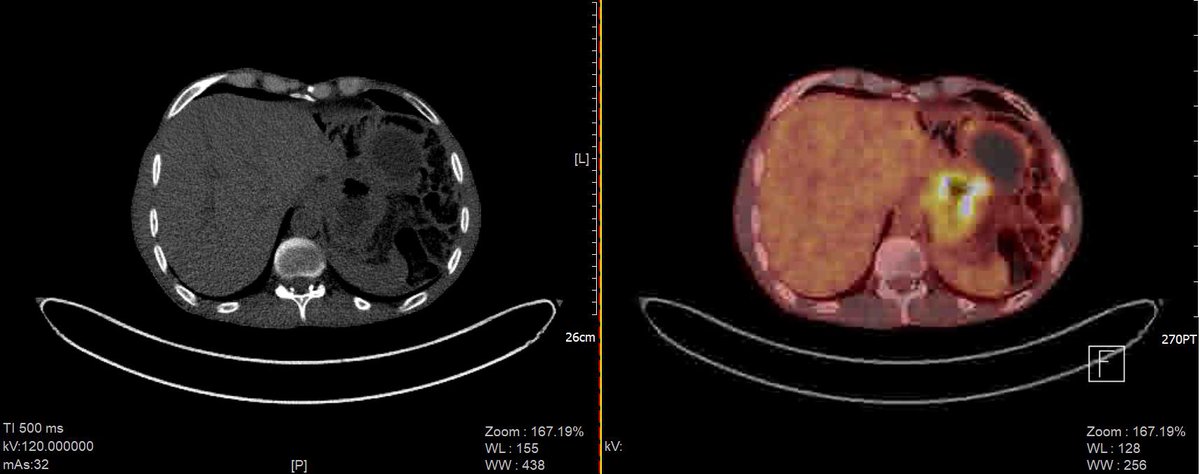
"Late Local Recurrence of #GastricCancer After Preoperative Radiochemother Radiochemotherapy: Three Case Reports and Literature Review"
- by Mateusz Gajek, Magdalena Szymala-Cortez et al. from Gilwice, Poland
https://t.co/FikDyp6i70 #OpenAccess#cancer
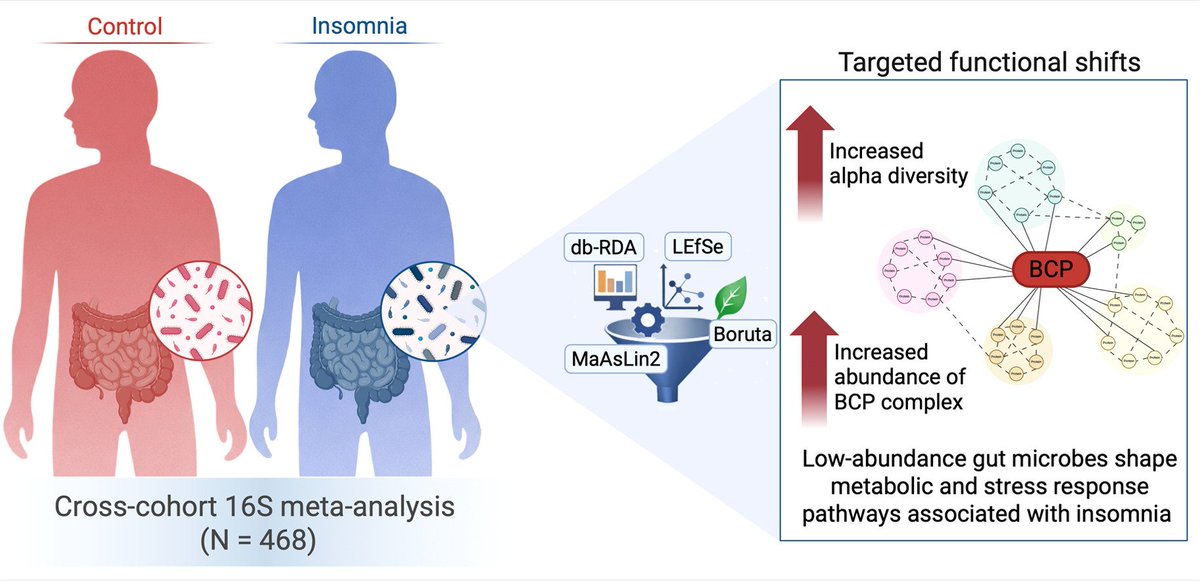
Cross-cohort meta-analysis reveals conserved gut microbiome signatures of #insomnia.
Insomnia shows a reproducible gut #microbiome signature, with specific taxa driving targeted functional shifts.
https://t.co/5jN0sklR8i #OpenAccess
Hot off the press!
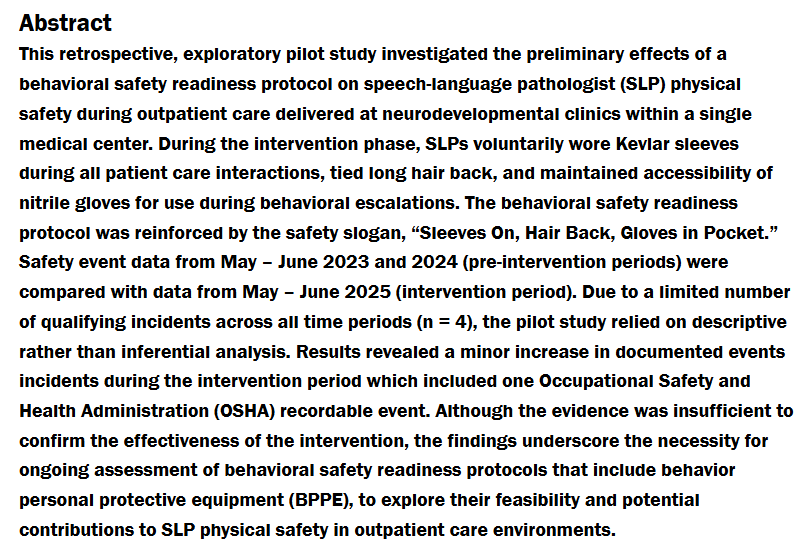
"Behavioral Personal Protective Equipment and Staff Safety: A Pilot Study Evaluating Its Impact Among Speech-Language Pathologists"
- by Jennifer J. Bekins @UOPacific
https://t.co/IVNGq9zALw #OpenAccess
Whether you're #walking, swimming 🏊🏽♂️ , or lifting weights 🏋️♀️ , the protective #PhysicalActivity payoff comes from making movement a lifelong habit, not a occasional burst. Small steps, sustained over decades, add up to major #health gains.
New research in @NatureComms followed 231,000 people for 32 years and found that consistency matters as much as volume when it comes to #physicalactivity and chronic disease prevention.
People who steadily met the recommended 7.5+ MET-hours/week had lower risk of #NCD noncommunicable diseases such as #diabetes, heart disease, and #cancer - even compared to those who exercised intensely but sporadically.
Staying #active through middle adulthood (ages 40–60) was linked to 10–28% lower disease risk after 60.
https://t.co/zjzj2QOA1l
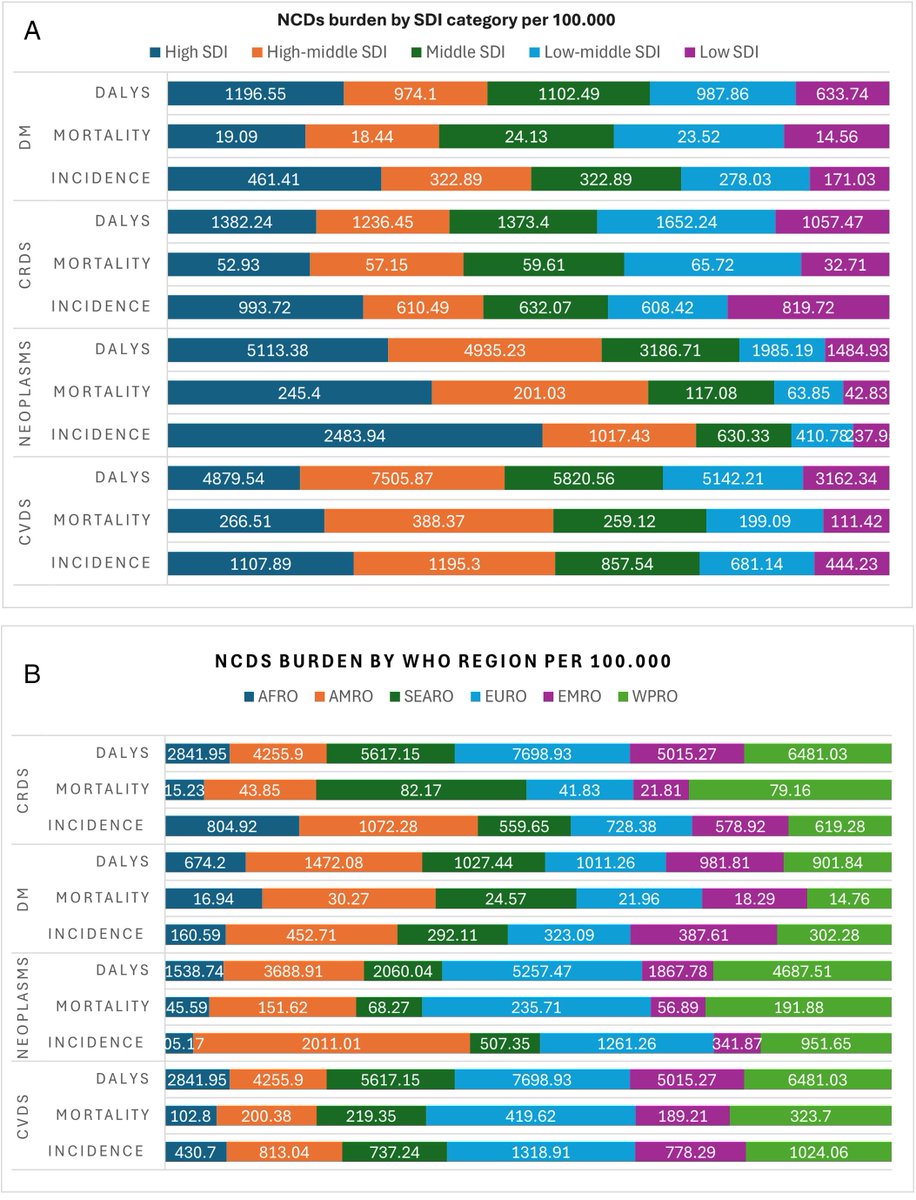
Based on a major new study analyzing global health data from 2000 to 2050, non-communicable diseases #NCDs like heart disease, cancer, diabetes, and chronic respiratory diseases #CRDs remain the world's leading cause of death and disability.
In 2021 alone, these conditions accounted for nearly 65% of all global deaths, with cardiovascular disease being the single biggest killer. The research projects a troubling future: by 2050, NCDs could be responsible for over 75 million deaths annually. A particularly alarming trend is the sharp global rise in #diabetes, which saw the fastest increase in both new cases and related disability over the past two decades.
The burden, however, is not shared equally. Stark disparities exist between regions, income levels, and genders. High-income areas face the highest rates of diabetes and #cancer, while mortality from chronic respiratory diseases is concentrated in low- and middle-income countries, often linked to #airpollution.
Men generally bear a higher burden of death and disability from most major NCDs, though the study notes a notable and concerning rise in cardiovascular deaths among women in Europe. These inequities highlight that a one-size-fits-all approach is insufficient; achieving global health targets will require precision strategies that address specific local risk factors, from hypertension management to #tobacco control and clean air policies.
https://t.co/i5i6Hgcn7c
Hot off the press!
"Comparing Educational Pathways for Denturists to Become Maxillofacial Prosthetic Specialists in the US and the UK"
- by Minseok Kim @UOPacific
https://t.co/CXlMnvV4RQ #OralHealth#education#dentistry
Pacific Faculty, you have one more week to apply for the 2026 OER Stipend.
Review, Adopt/Adapt, or Create Open Educational Resources for your Courses and get paid for it! Stipends range from $250 - $4,000. The deadline is February 2nd.
Apply here: https://t.co/2hj4re26xj