#BubbleGhostRemake confirma su lanzamiento en:
⚫Steam: https://t.co/SdBrhb8gRP
🟥Switch: https://t.co/xrR3MVyiZO
🔵PS5: https://t.co/nGFh9bW4wI
📦Y en físico para Switch con Edición Deluxe exclusiva de @VideojuegosGAME :
https://t.co/ifAIwvmVNa
¡A la venta el 27/03/2025!
Ayer La Sexta hizo un programa para decir que SGAE había sido injustamente linchada. Se preguntaban por qué se dio menos difusión al procedimiento seguido contra SGAE que a su absolución.
Aquí cuento cómo trató La Sexta la absolución de alguien denunciado por SGAE 👇
🔴 "En una democracia sana son los ciudadanos los que quitan y ponen a sus representantes públicos, y no un entramado mediático, político y judicial"
El pico de la mesa de Wyoming sobre la denuncia de Manos Limpias contra Begoña Gómez
#elintermedio
Súper divertido post sobre cómo hackear el firmware de unos auriculares. Está escrito describiendo el proceso de investigación en detalle, como si fuese una peli de detectives. Me ha encantado. https://t.co/451bLhafG2
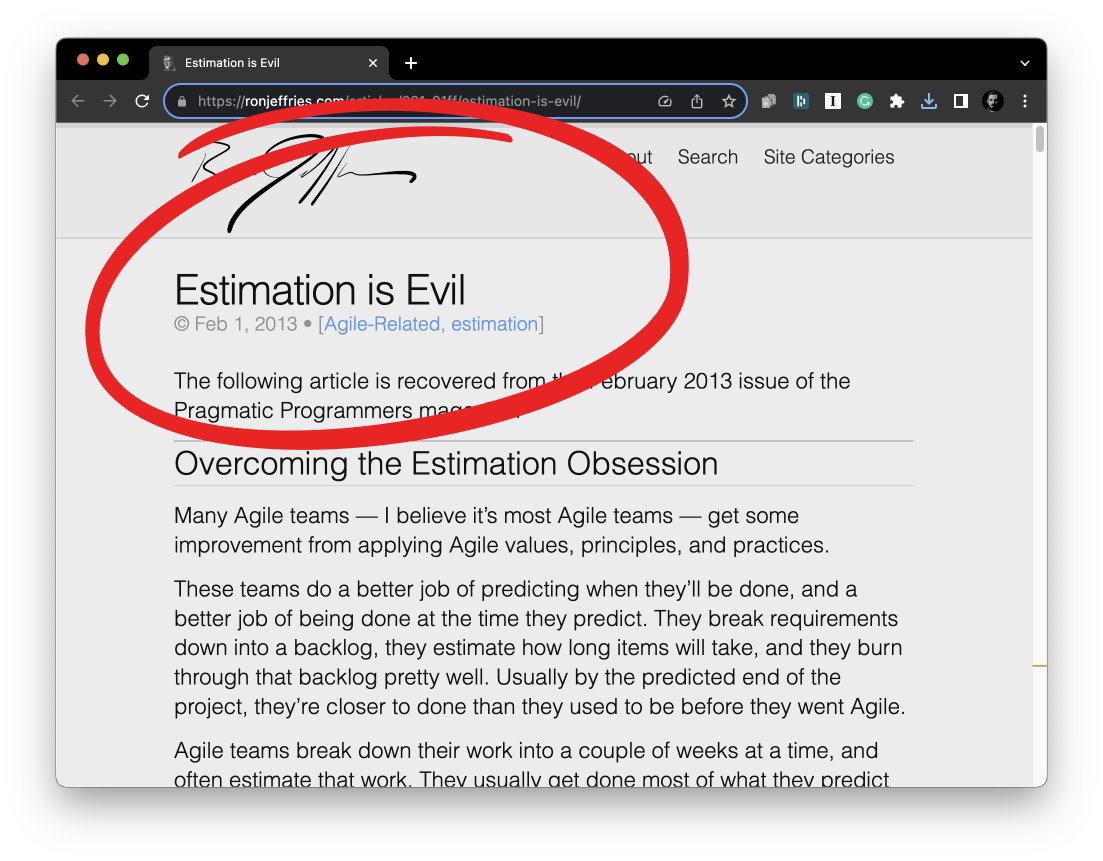
Story Points don't work.
Even Ron Jeffries, who invented them, said he was sorry years ago.
And not only did he apologize, but he called the whole estimation idea "Evil."
Unfortunately, too many teams still use these points to estimate their work.
Story Points is a made-up metric to estimate work effort, not time. The goal was to prevent management from misusing estimates.
But it didn't work.
Every team I've ever met keeps a conversion table to translate back and forth between points and time. Some will never admit it, but go and talk to the folks doing the work.
Look at me and tell me I'm wrong.
But it gets worse:
Teams use points to decide how much work they can finish. But how can they do that without talking about time?
The effort to do something is not the same as the time it will take to finish it. This is especially true when planning an iteration with many people and tasks.
It's clear now: Story Points don't work.
What's the alternative?
I'll let the people who manage projects for a living offer their alternatives, but I can tell you what I've done.
As I got older and wiser, I stopped with the estimation charade altogether. I had my teams focus on short iterations with constant feedback from stakeholders.
From the "scope, budget, and time" triangle, I always tried to keep two of them variable and fix the third one.
If the customer was looking for a specific scope, we had a variable timeline and budget to finish it. We kept the scope and time flexible if the budget was non-negotiable. And if we had to deliver by a specific date, the scope and budget were on the table.
Every company is different, and this doesn't work for everyone. But if it does, I hope you stop the charade.
I'd love to hear about your experience estimating software. What crazy things does your company make you do?
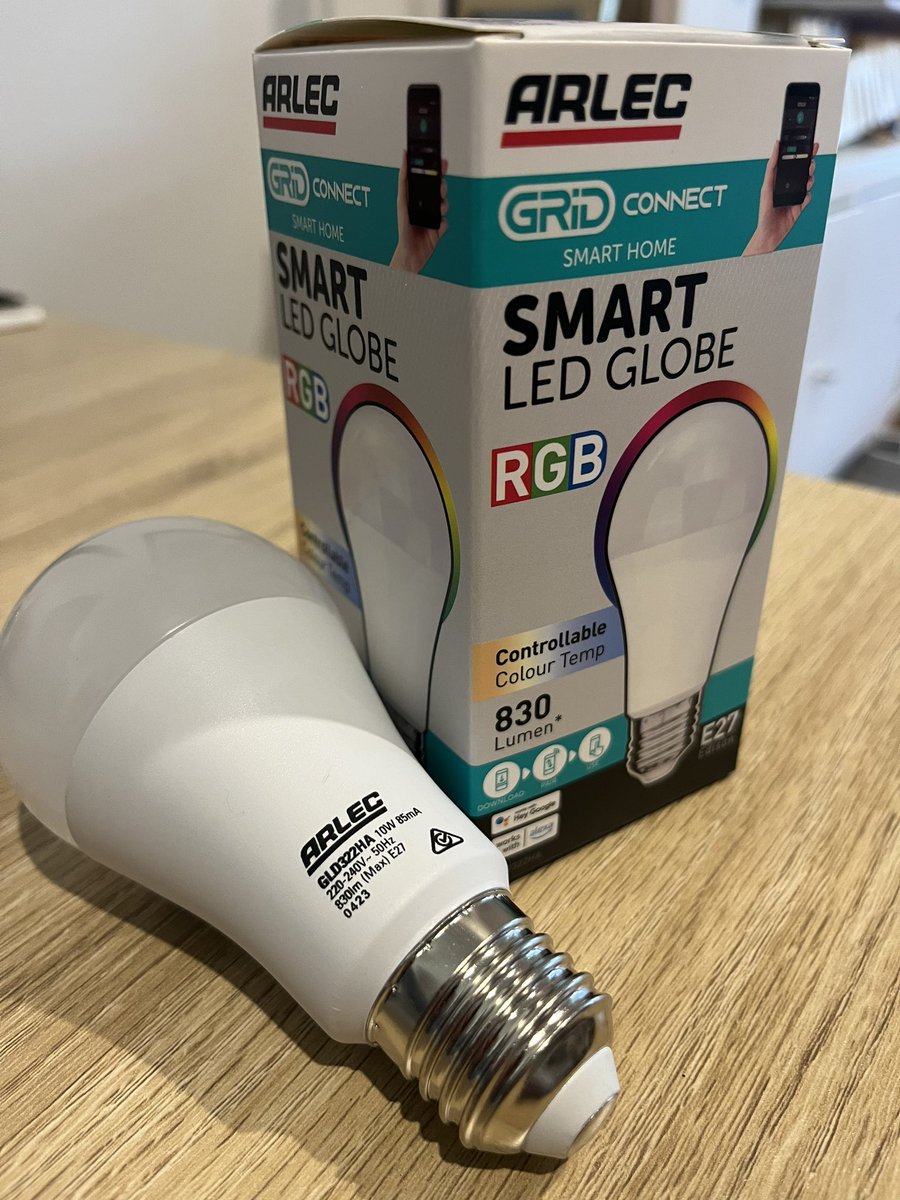
A friend asked me to find out why his connected lightbulb app was asking for his location, so I ducked out to Australia’s favourite hardware store, Bunnings, and grabbed one to check out.
The Android grid connect app has 500k+ downloads.
Let’s take a quick look! 🧵
(1/n)
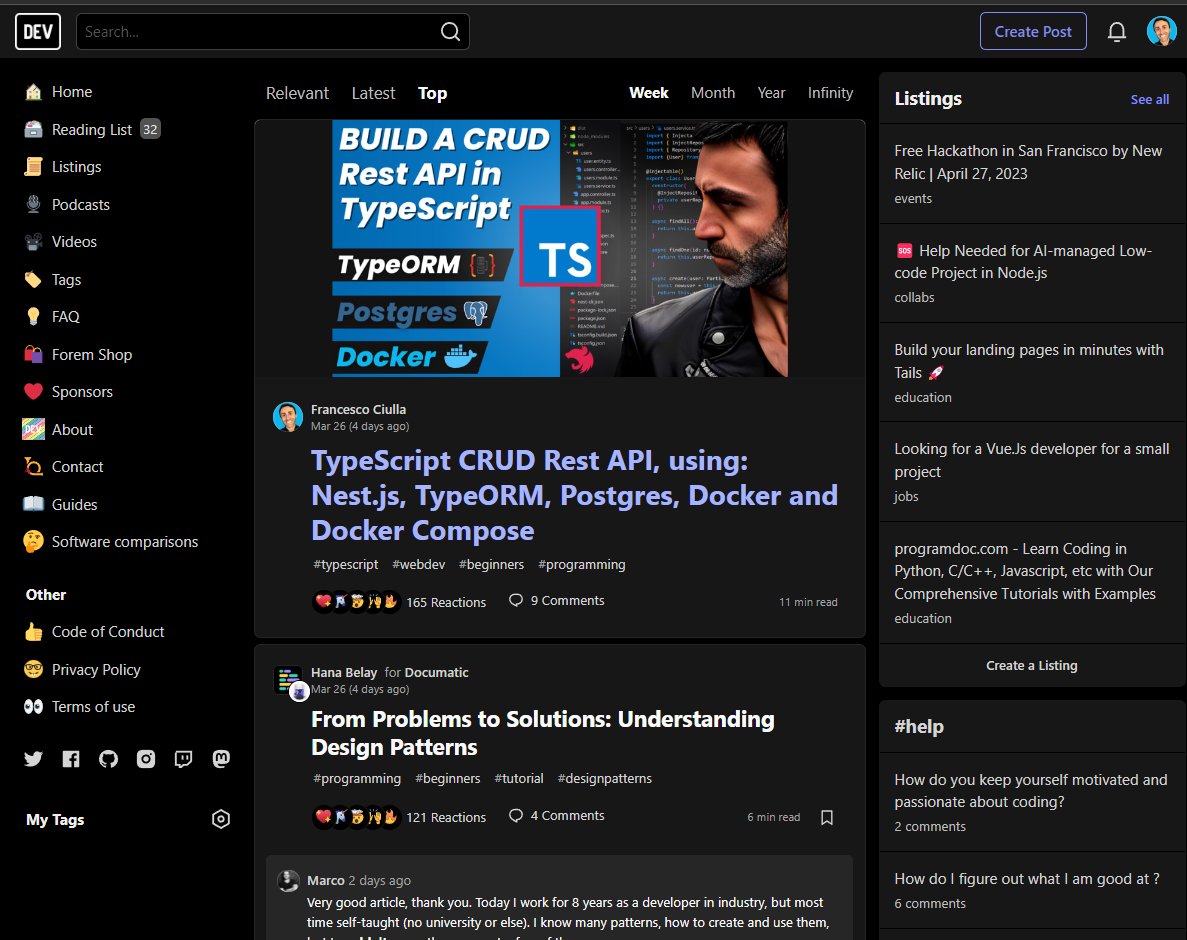
I made it as best article of the week on DevTO. Again.
Build a CRUD Rest API in Typescript:
- NestJS
- TypeORM
- Postgres
- Docker
Thank you.
https://t.co/e60B1LSL1b
En Francia 🇫🇷 hoy:
inflación: 5,6%,
PIB: superior a 2019
desempleo: 7,3%
en riesgo de pobreza: 14,4%
🚨 HUELGA GENERAL
En España 🇪🇸hoy:
inflación: 8,9%,
PIB: por debajo de 2019
desempleo: 12,4%
en riesgo de pobreza: 21,7%
☀️¡QUÉ CALOR HACE! ¿NO?
VPN doesn’t protect against most modern tracking methods. Source IP is useless when you can directly fingerprint a unique user through its browser. Commercial VPNs are a scam - no matter what.