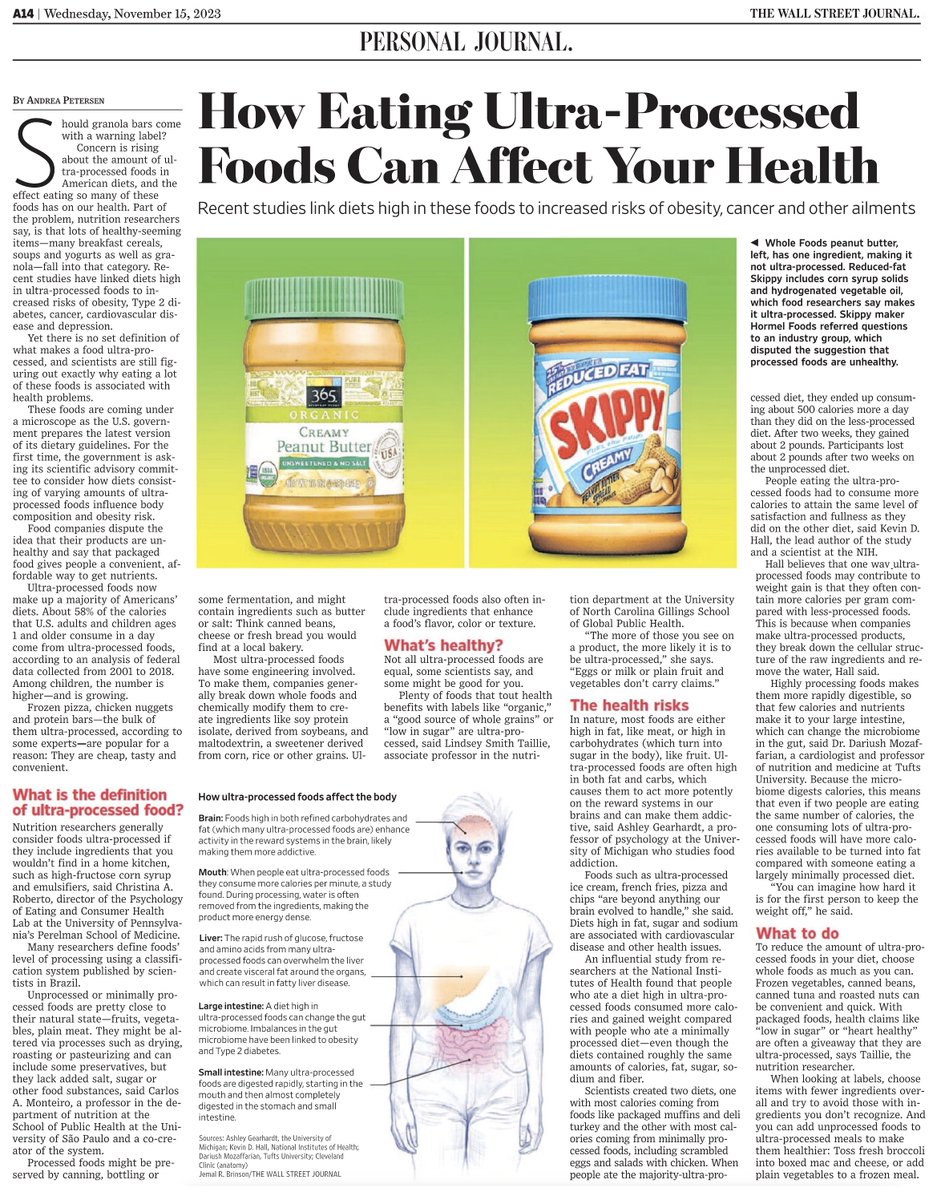
I've recently been writing about the dangers of ultra-processed foods
https://t.co/gYpRXrA69u
Now there's more:
Multinational study
https://t.co/iYMMoDJXkM
Good summary
https://t.co/PKp0APFEVr @andreaapetersen
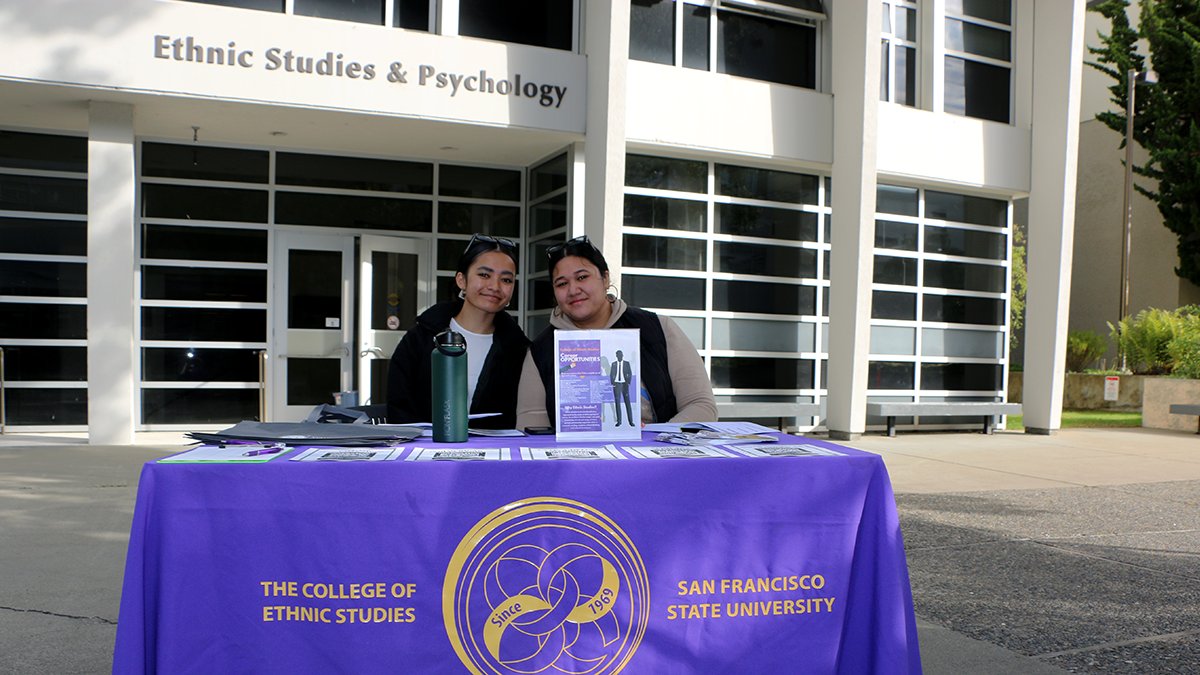
#SFState / #SFSU scholars.
Join us for Dia De Los Muertos face painting!
Thursday, 11/2/23, 3-5pm
Latinx Student Center
Village C, Room 140.
Free and open to all!
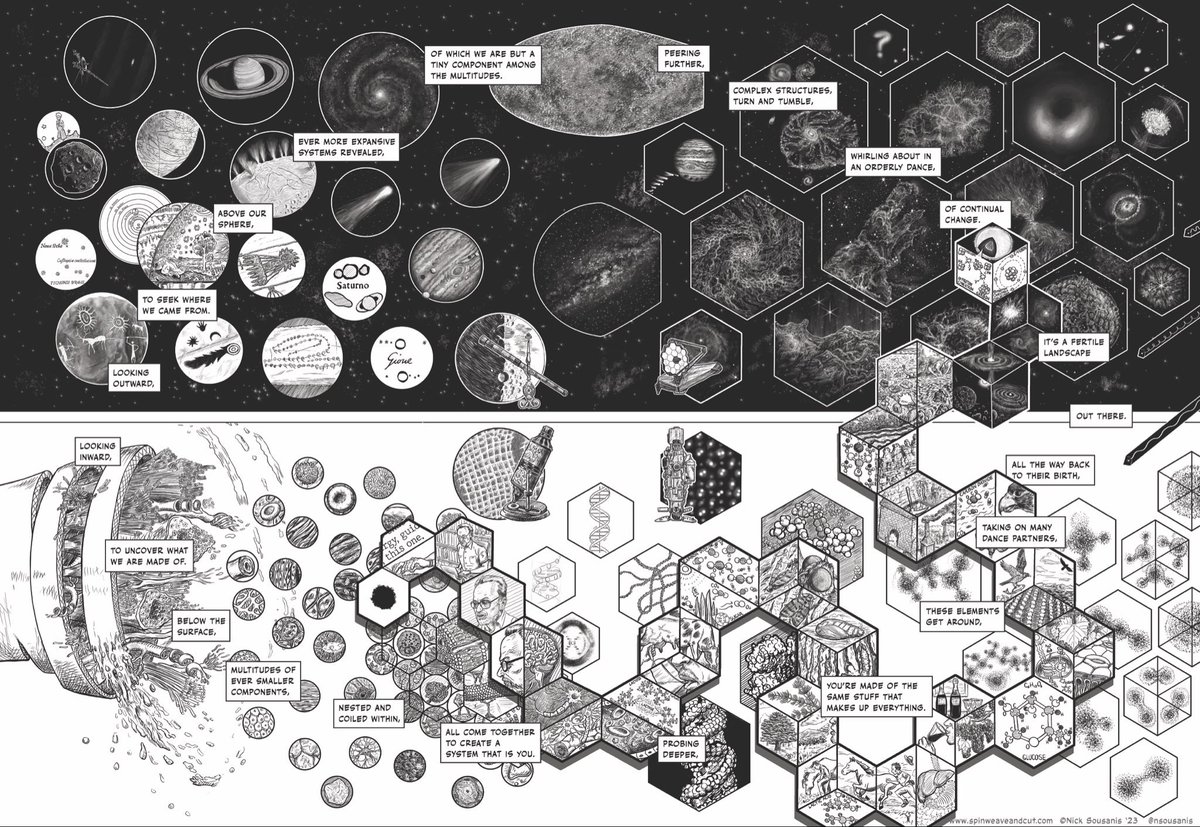
Woohoo!! An enormous challenge but finally finished spread from #Nostos#Unflattening 2! As my dad noted, “there’s a whole book here.” Bonus contest: identify the most things I drew on the spread (or heck, just figure out how many panels there are) & win an art prize from me! 1/?
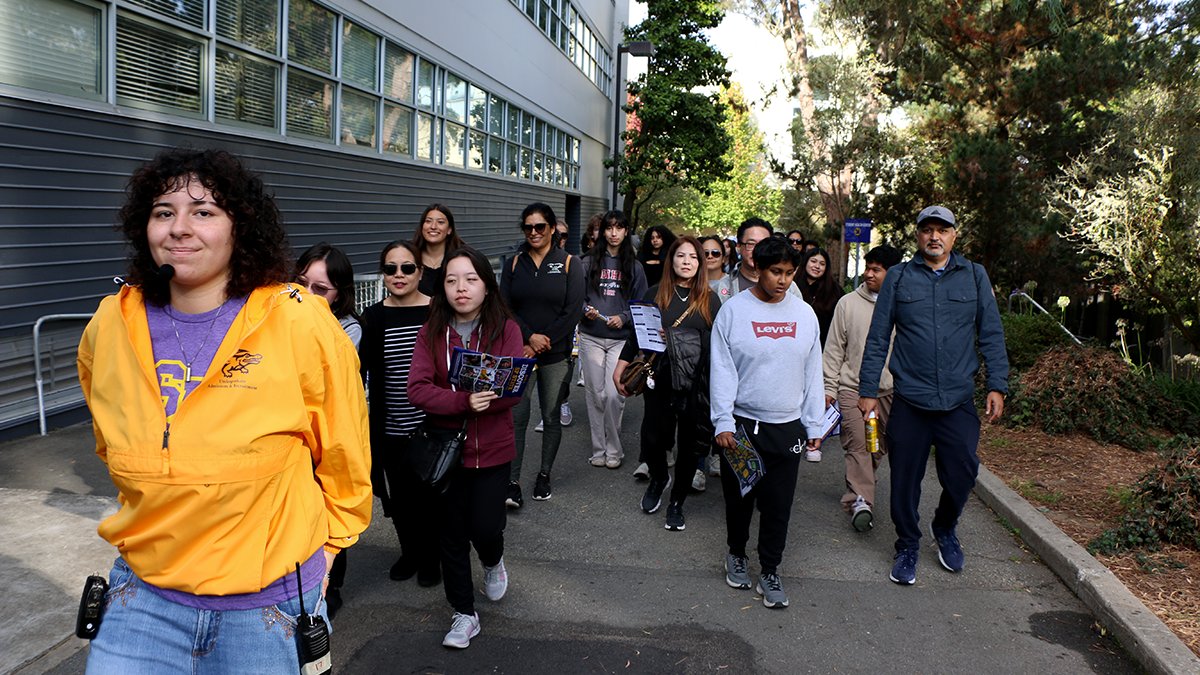
Thank you to all the future SF State Gators and families who attended today’s open house event! Learn more about making SF State your home: https://t.co/jd2IggzBHh #DiscoverSFState
Biden: We have to reject hate in every form. History has taught us again and again, anti-Semitism, Islamophobia, Homophobia, Transphobia… they're all connected. Hate toward one group left unanswered opens the door for
more hate toward more groups
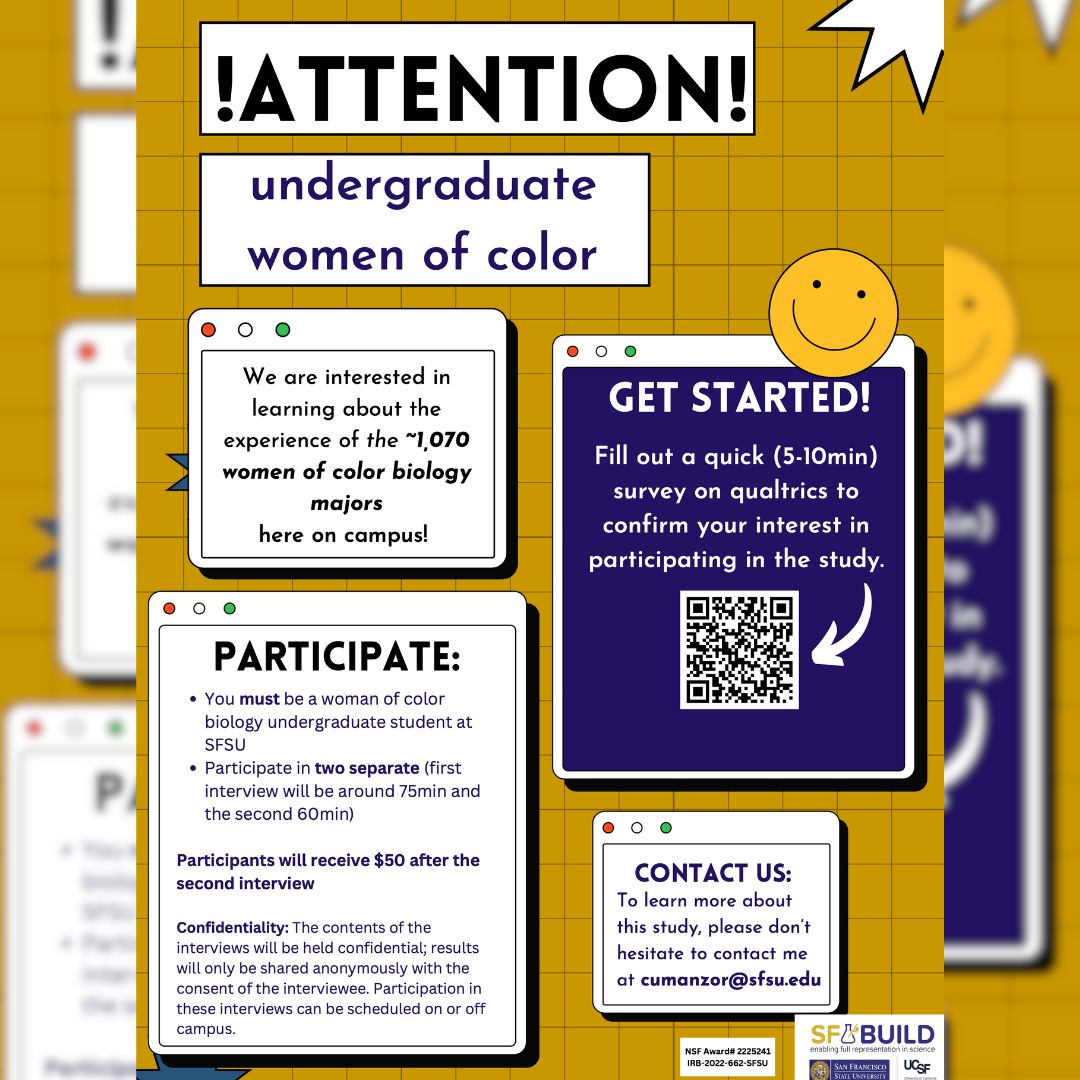
🚨🧬🔬 Attention undergraduate women of color in biology at SFSU! You are invited to participate in a new NSF-funded study. If you're interested in sharing your story and experience as a woman of color in biology, then visit https://t.co/WMpLpLyTCg to get started.
The top 5 countries with the highest share of #ElectricVehicle sales are:
🚗Norway (all-electric vehicles made up 80% of passenger vehicle sales in 2022)
🚗Iceland (41%)
🚗Sweden (32%)
🚗the Netherlands (24%)
🚗China (22%)
Learn more👇 https://t.co/5EHN6CUORP
Sports coaches, literacy coaches, debate coaches, student success coaches - there are so many different coaches in our school communities, and so many ways that they help students to do their very best!
#NationalCoachesDay
In 2024, EV sales in USA will probably be more than all the EVs sold in the USA from 2010 to 2022. 2023 is the US EV takeoff year. We're off to the EV races now.
Watched a bit of the memorial service for Senator Dianne Feinstein, who had so much positive leadership impact here in San Francisco, California, and the USA. And yes, it IS Fleet Week!!! ✈️ In her honor, let’s consider bringing back the assault weapons ban.
Resilience, well-being, and sustainability form the essential pillars of human development.
The #GlobalGoals ignite inclusive, low-carbon growth, paving the way for a hopeful future.
Learn more: https://t.co/YmkUbvC0uO
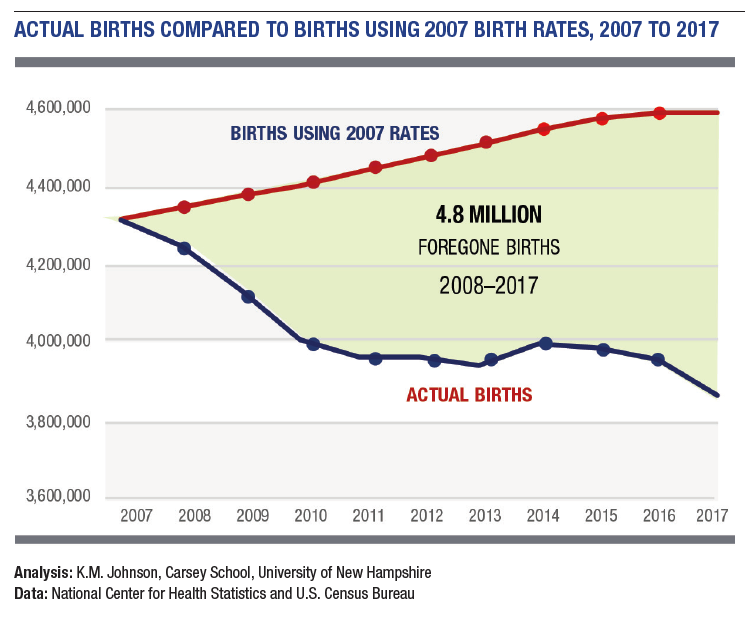
1/ 👶📉The Correlation Between Economic Precariousness and the Declining Birth Rate:
Economic precariousness and lower birth rates are closely knit, unraveling a tale of financial insecurity leading to a decline in family expansion. This thread explores this nuanced relationship. 🧵⬇️
2/ 💵🚫 Economic precariousness refers to the instability and insecurity associated with one’s financial condition. It manifests through unemployment, underemployment, stagnant wages, and the lack of safety nets.
3/ 👶 In the context of family planning, economic precariousness plays a pivotal role. The cost of living, education, healthcare, and child-rearing has skyrocketed, while wages have lagged, pushing many to reconsider the feasibility of raising a family.
4/ 📚 Studies illustrate a consistent pattern: as economic precariousness rises, birth rates nosedive. The anxiety of financial instability forces a pragmatic approach towards family planning, often resulting in delayed or foregone childbirth.
5/ 🏠 Housing instability is a significant player. The soaring costs of housing, coupled with unstable employment, make the prospect of providing a stable home environment challenging. A secure home is foundational for family planning.
6/ 💼 Job insecurity exacerbates this trend. The gig economy, characterized by temporary and flexible jobs, has replaced traditional secure employment for many. Without job security, potential parents are hesitant to take on the added financial responsibility of children.
7/ 📉 The correlation is evident globally. Developed nations are witnessing a significant dip in birth rates, primarily attributed to economic factors. The younger generation is particularly affected, facing an uncertain economic landscape.
8/ 💰 The wealth gap plays a role too. As wealth concentrates at the top, the middle and lower-income brackets face heightened economic precariousness, directly influencing their decisions on family expansion.
9/ 🧩 It’s a complex interplay. Economic precariousness isn’t the sole factor driving lower birth rates - cultural shifts, women's increased workforce participation, and lifestyle choices contribute significantly. However, financial stability remains a cornerstone.
10/ 💪 Mitigating this trend demands multifaceted solutions. Strengthening social safety nets, ensuring job security, and addressing the wealth gap can alleviate economic precariousness, potentially leading to a reversal in declining birth rates.
11/ 🌍 As we grapple with this global phenomenon, acknowledging and addressing the profound impact of economic precariousness on family planning is crucial. It’s not just about numbers but the wellbeing and future of potential parents and children alike.
Discover your future at SF State!
Future students and families, join us at our open house event on Saturday, October 21, 2023! This will be a day of gator-filled campus activities designed for you to get to know us better!
Learn more and register ➡️ https://t.co/ym4XJsCehJ.