Education stakeholders emphasized on the need to embed character development in our education system during the 2nd Africa Regional Conference in Nairobi, Kenya.
Watch this video: https://t.co/yIAIswy29S
#Values#Chàracter
Kisii University continues to shine on the global academic stage through the remarkable achievements of its scholars and the strength of its international partnerships. Currently representing the University at the ongoing International Society for the Study of Behavioural Development (ISSBD) Conference in Seoul, South Korea, Dr. Pamela Wadende exemplifies the excellence, dedication, and transformative impact that define the Kisii University community. In recognition of her outstanding contributions to the field, Dr. Wadende has been honored with a prestigious Fellowship Award at the conference, a testament to her scholarly excellence and commitment to advancing knowledge that positively impacts society.
As Kisii University's presence grows across continents, so does its mission of empowering minds, transforming communities, and shaping a future driven by knowledge, innovation, and global engagement. #KisiiUniversity #InclusivityAndBorderlessness
Research does not easily reach the classroom. Teachers do not always receive the tools and support they need. And policymakers do not always see how science can answer the challenges in front of them. The bridge between education research and practice exists, but it needs far more traffic.
Last week, the Jacobs Foundation @Foundation_JF annual conference, which I had the honor of co-organizing with Hirokazu Yoshikawa, took that bridge seriously. The LEVANTE project is advancing the science of how children learn over time, across contexts, and across diverse populations. And we were reminded, powerfully, of how demanding teaching truly is: children arrive in classrooms with vastly different needs, backgrounds, and ways of making sense of the world. They do not all learn in the same way, or at the same pace.
But we also learned something equally important: progress is possible, and possible at scale. Using evidence-based methods to teach reading, meeting children at their actual level of learning rather than the level prescribed by the curriculum, and putting learning data to work for teachers, schools, and systems, these are not utopian aspirations. They are working. We also explored how AI is beginning to reshape the toolkit available to educators, and how challenging and necessary it is to bring scientists, innovators, and educators into genuine dialogue.
We discussed what denser traffic on that bridge might look like: communities of practice sharing experience at the local level; building and restoring trust in science; advocacy initiatives using data to energize education policy debate in Argentina; Ed Labs embedded within ministries of education, as in Peru, bringing evidence directly into policy design; independent evaluation institutions and think tanks partnering with policymakers, at different levels of government, for joint work, as we see in Switzerland, Colombia and Mexico; and reform processes directly informed by the science of learning, as was the case in England.
The 2026 Jacobs Foundation Conference marked a meaningful step in LEVANTE's roadmap to deepen its impact on education systems. There is an inherent tension between the slow, rigorous work of understanding how children learn and the urgent, daily demands of systems that shape that learning and must make decisions now. But that tension, well managed, can become a virtuous circle — better evidence generating better policy questions, and better questions driving better science.
@AnaCubillo9 Alejandro Ganimian @alexeble@emivegasv@Olga_Romero@MoritzDaum KimDuMont @e_escallon@nachoibarzabal@GHLicona@NickGibbUK@SantiagoCueto6 Simon Sommer @K_Hinckley_1@singhabhi@karthikmenon@pam_akinyi@CeciliaCalero
December is Universal Human Rights month. At the SRA, we are dedicated to advancing research that champions the rights and well-being of adolescents worldwide. This month, we emphasize the importance of protecting and promoting the rights of young people everywhere.
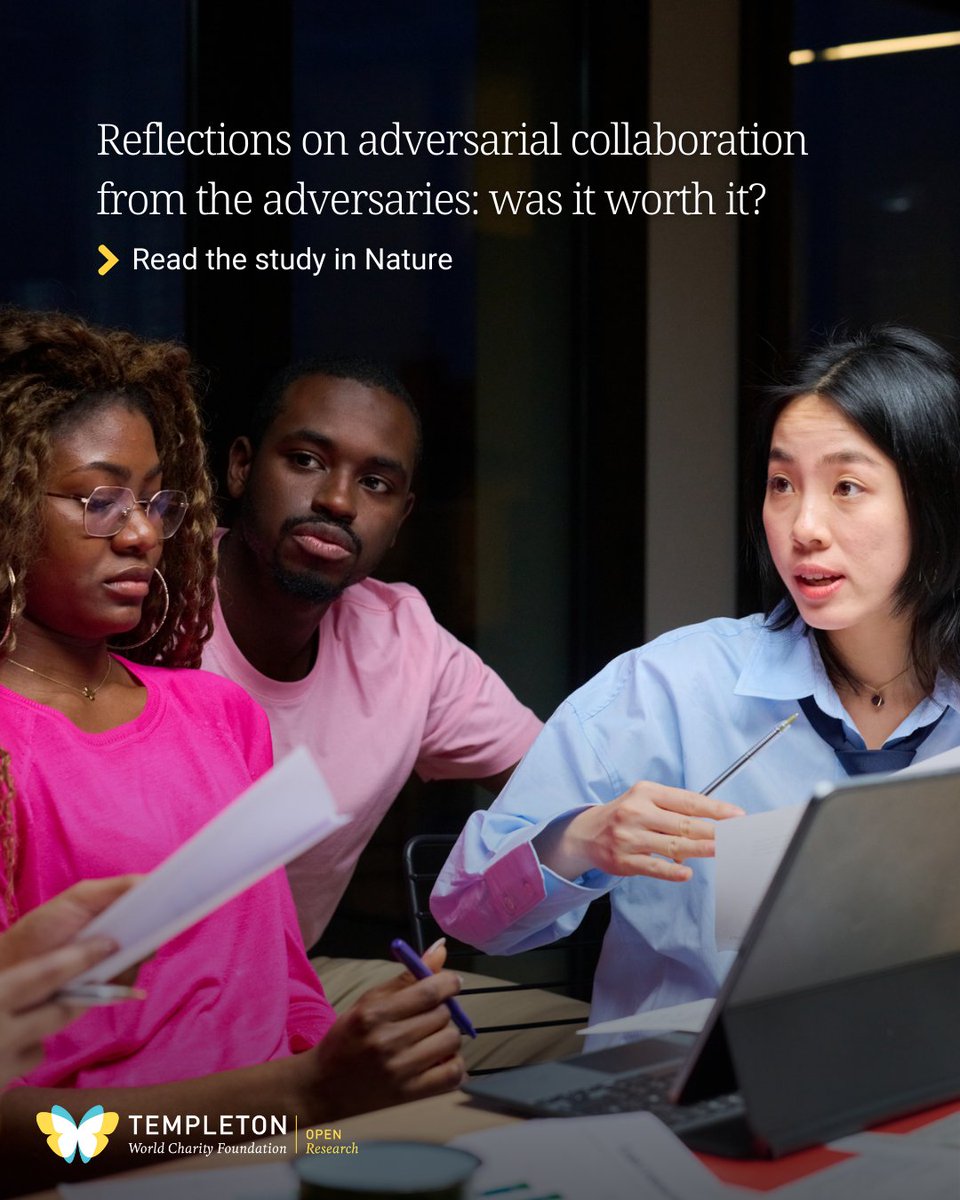
TWCF grantee @ImHardcory@Penn surveyed scholars who had engaged in #AdversarialCollaborations - while more challenging, ACs often save time during peer review, result in higher-quality research, and most would try ACs again.
🔗 What they learned: https://t.co/e2SFSH1W7l
As we build towards @CandiceHKE inaugural lecture check out 2022 global matrix physical activity report card for which Candice leads the South African report card research: https://t.co/IclkAaZJgw
Character is Destiny! No matter how talented or intelligent a person is, good habits and character form the fundamental foundation for their success.
#character
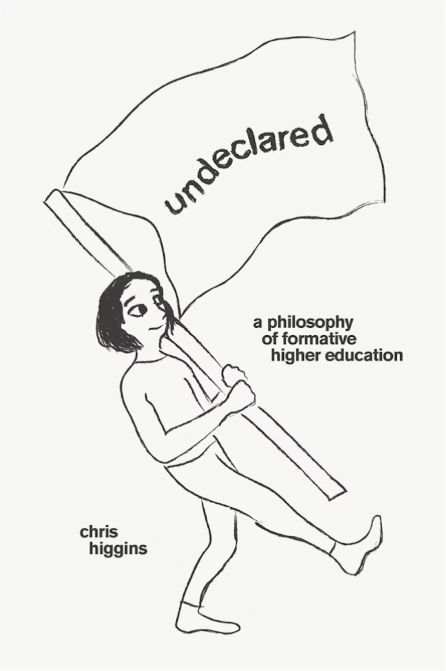
Edward Brooks (@edwbrooks) offered an extended #BookReview of "Undeclared: A philosophy of higher education" (@mitpress) by Chris Higgins. Read it alongside a response from Higgins! 📖
Review: https://t.co/mwkjIkejly
Response: https://t.co/DqHepPdZnk
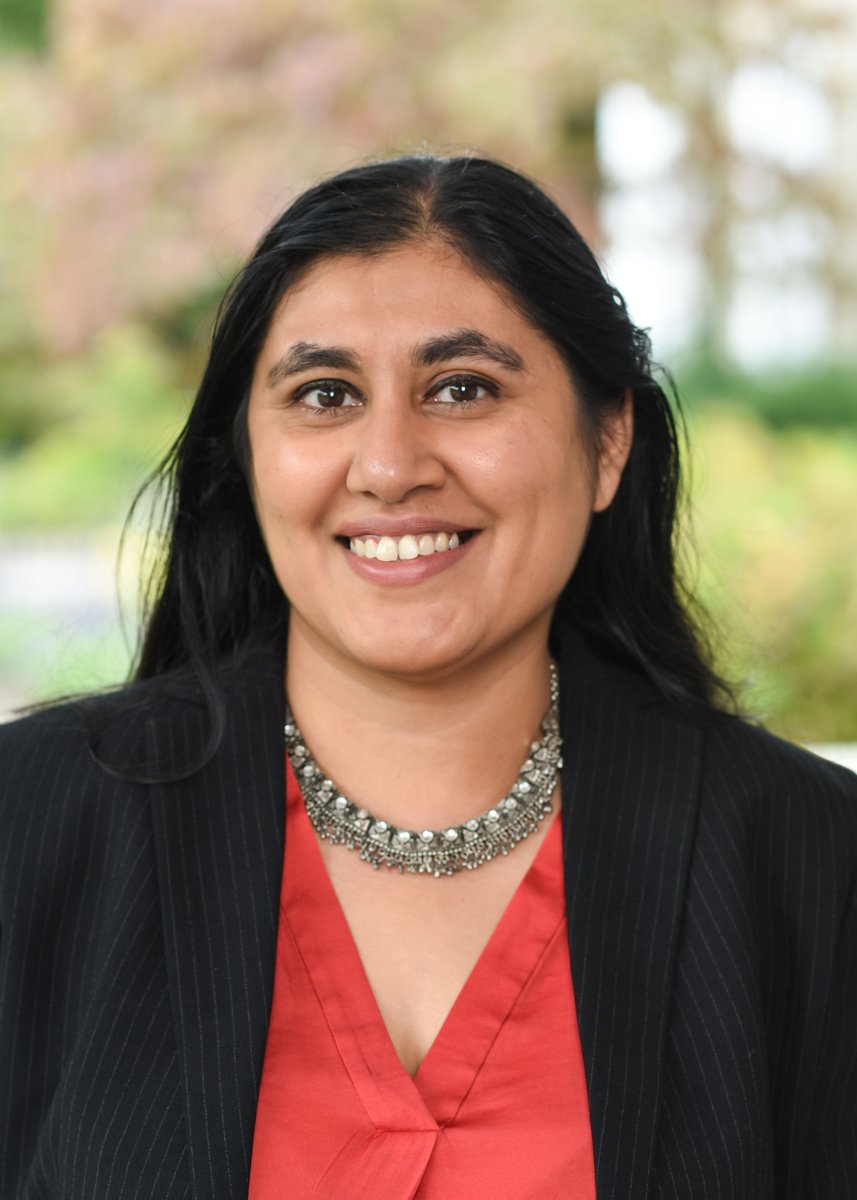
We’re honored to highlight Dr. Ekjyot K. Saini for Asian American and Pacific Islander Heritage Month. Read her profile to learn about why she joined the @SRCDasiancaucus! https://t.co/wMZrBug4Hg
Thanks to @TempletonWorld for the beautiful in-depth article about last season’s episode in Rwanda (not to mention the grant that made it happen!)
The entire experience was deeply, deeply effecting