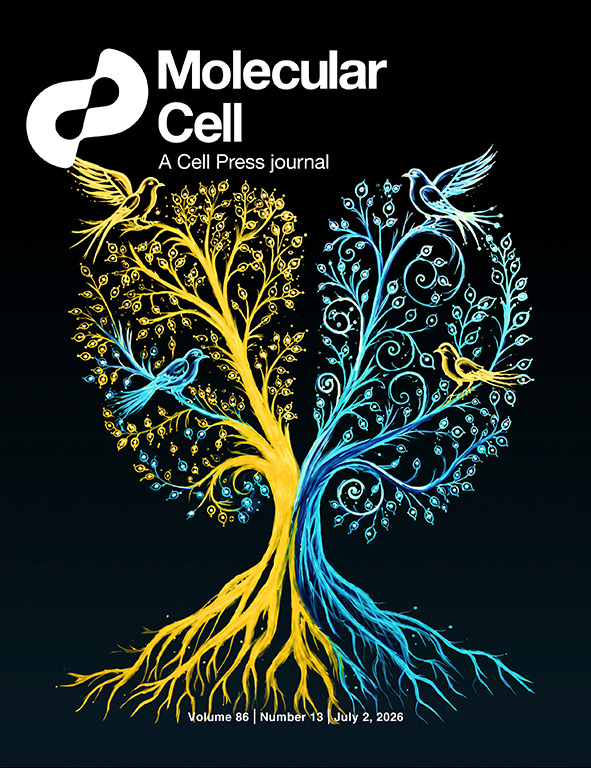
Delighted to share our paper on signaling-bias at the complement anaphylatoxin receptors now published in @MolecularCell! 1/n
Molecular mechanisms of naturally encoded signaling bias at the complement anaphylatoxin receptors: Molecular Cell https://t.co/U12oxWvETM
Happy to share this recently published article from our lab explaining microbial regulation of GFR in chronic kidney disease. Congratulations to all involved💐.
Microbes and GFR in Health and CKD in Mice : Journal of the American Society of Nephrology https://t.co/sGXr0JNtmT
Excited to share our recent publication on a biosensor that provides insights into the conformational diversity of receptor-bound β-arrestins and offers a tool for advancing our understanding on β-arrestin signaling. https://t.co/0vvMYdf6Qh
Like other accomplishments in my PhD journey, this would not have been possible without the unwavering support and guidance of our mentor, @arshukla. Even after I graduated and left the lab, he ensured that the manuscript was carried through to the finish line. Forever grateful.
Delighted to share our latest study on a nanobody-based sensor of GPCR activation and signaling!
A genetically encoded nanobody sensor reveals conformational diversity in β-arrestins orchestrated by distinct seven transmembrane receptors | PNAS https://t.co/oYli9xmFOX
Delighted to share our latest study on the complement anaphylatoxin receptors 😎!!!
Molecular fingerprints of a convergent mechanism orchestrating diverse ligand recognition and species-specific pharmacology at the complement anaphylatoxin receptors https://t.co/0ztaPHRUAS
A baby boy with a devastating genetic disease is thriving after becoming the first known person to receive a bespoke, CRISPR therapy-for-one, designed to correct his specific disease-causing mutation
https://t.co/x6aOBZIXy3
Delighted to share our preview article now published in Cell @CellCellPress where we highlight the beautiful LYCHOS story from @Dr_Ellisdon and team, published recently in @Nature!
Bound by the love for cholesterol: A transporter meets a GPCR: Cell https://t.co/m9AOpxWQFi
One of my dreams has been that our students compete with the best in the world. So proud that Jags @the_rarejm from our lab @IITKanpur, is featured amongst the best in the global cohort of PhD students competing for the International Birnstiel Award based on their PhD work😎!
This 15-year-old girl lived in the Inca empire and was sacrificed 500 years ago as an offering to the gods.
She is preserved this well because she was frozen during sleep and kept in a dry cold condition at more than 6000 meters above sea level all this time. No other treatment was necessary.
Found in 1999 near the top of the Llullaillaco volcano, in northwestern Argentina, she was an archaeological revolution for being one of the best preserved mummies, since there was even blood in her body and her internal organs remained.
Excited to share this latest publication from our lab, highlighting the molecular intricacies of a unique seven-transmembrane receptor.
Congratulations to the authors involved💐.
https://t.co/emeX7utpTu
Delighted to share our study on structure and function of a unique 7TMR, now published in Cell @CellCellPress!
Molecular mechanism of distinct chemokine engagement and functional divergence of the human Duffy antigen receptor: Cell https://t.co/UbGITrPNIi
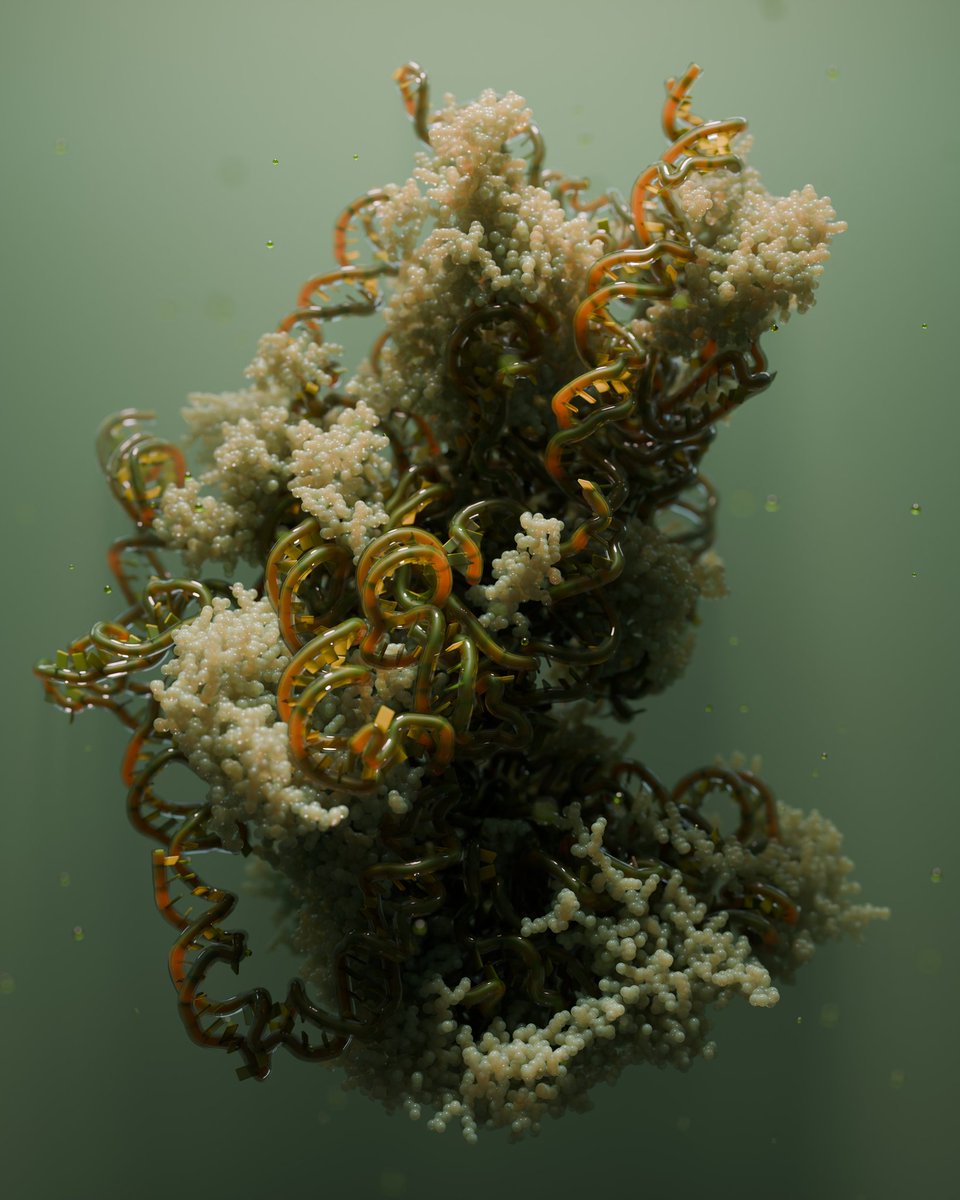
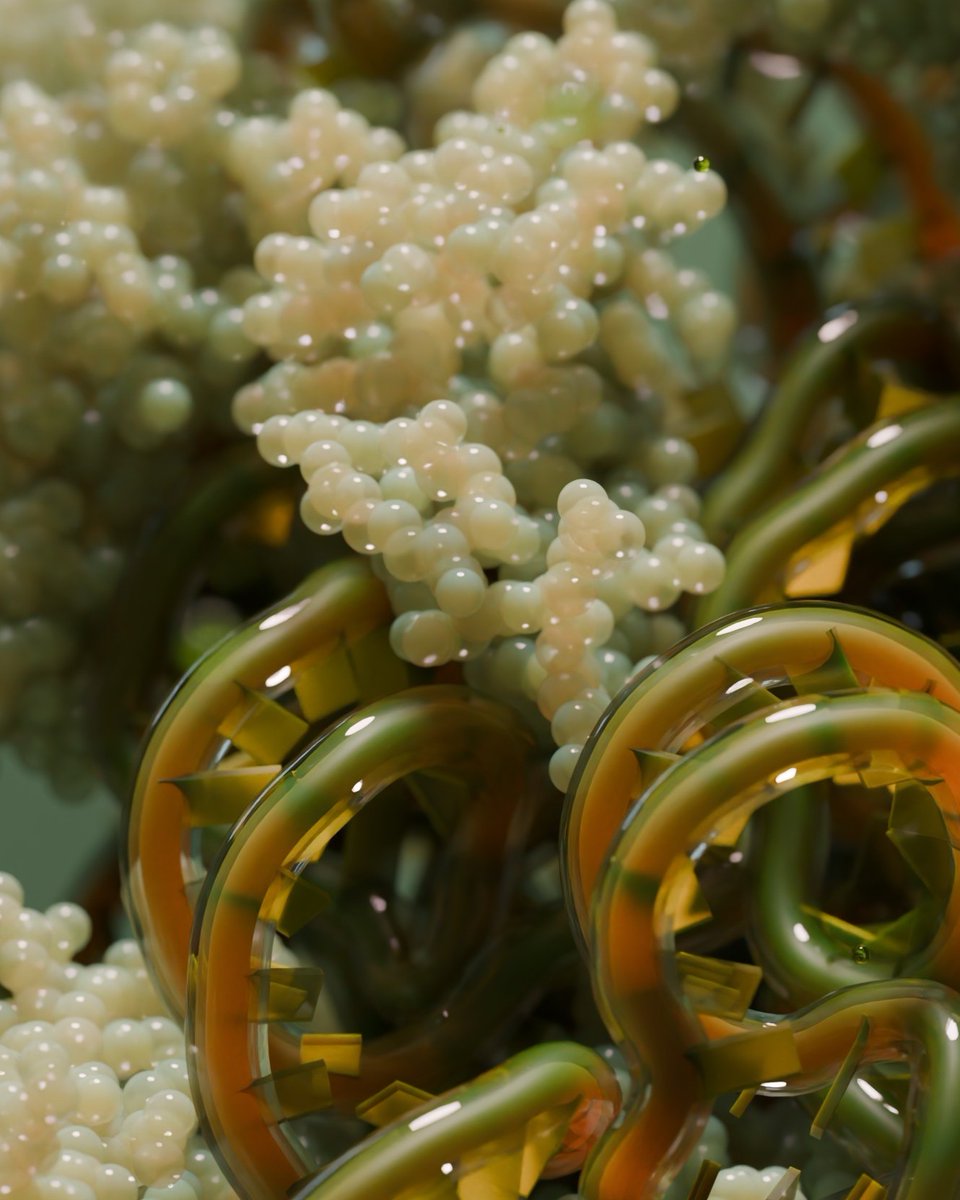
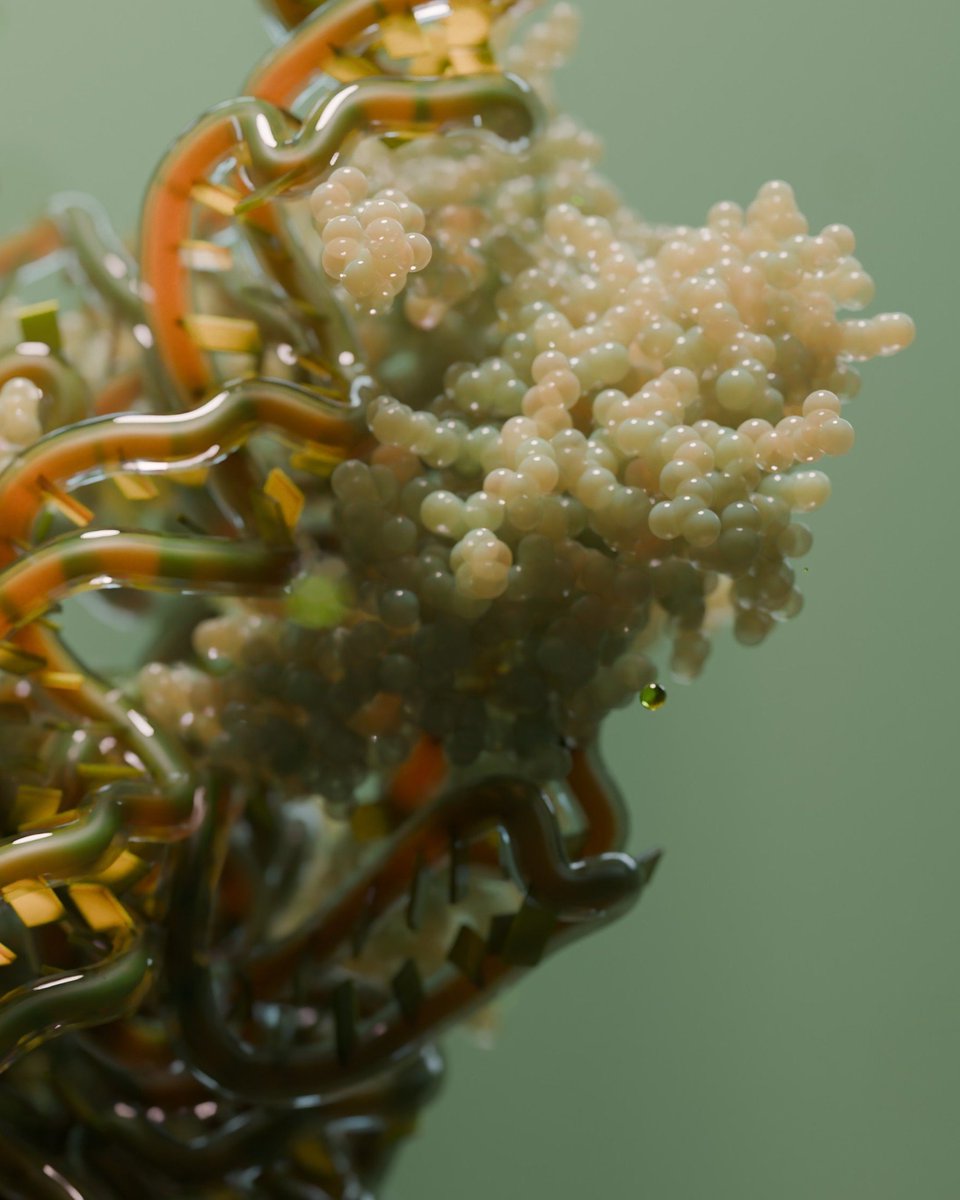
I am currently playing with different materials that are further from my usual style. Here I tried to create a ribosome to look like kelp 🌱 or something you would find in the sea.
Structure imported using #molecularnodes and image is rendered with @Blender#sciart#b3d
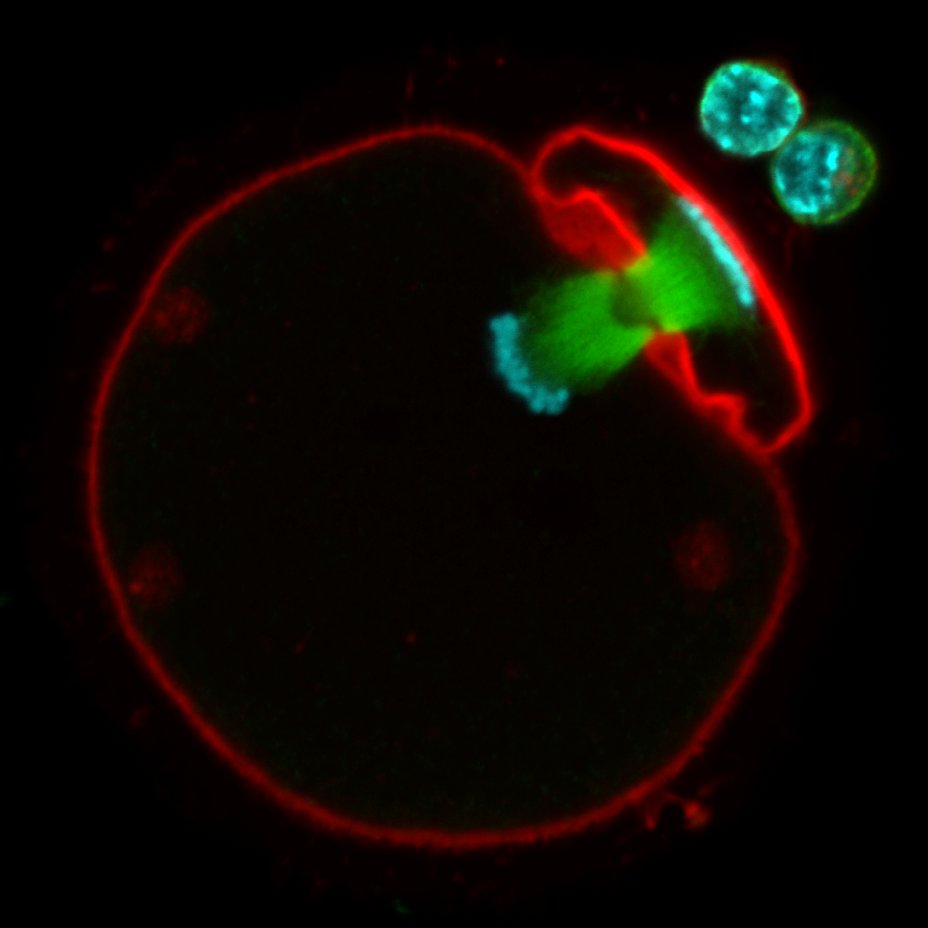
Women are born with all their oocytes, which need to stay viable for decades to ensure fertility. How are they maintained for that long?
Our latest research in @NatureCellBio reveals that oocyte maintenance involves exceptional protein longevity. https://t.co/ZiByc9F4hS (1/9)