We have updated Typhi Pathogenwatch with 520 public genomes from 10 published studies, including several reports of azithromycin-R and XDR isolates. Genotyping updated as per GenoTyphi v1.9.1, and the AMR library now includes the acrB_R717L mutation.
Se facilita la #VigilanciaGenómicaINS que sigue a la vigilancia epidemiológica. Colombia tiene información y datos abiertos para la consulta de los linajes identificados y su distribución geográfica por departamentos, disponible en micrositio #OpenDataDay#UnAñoDePandemia
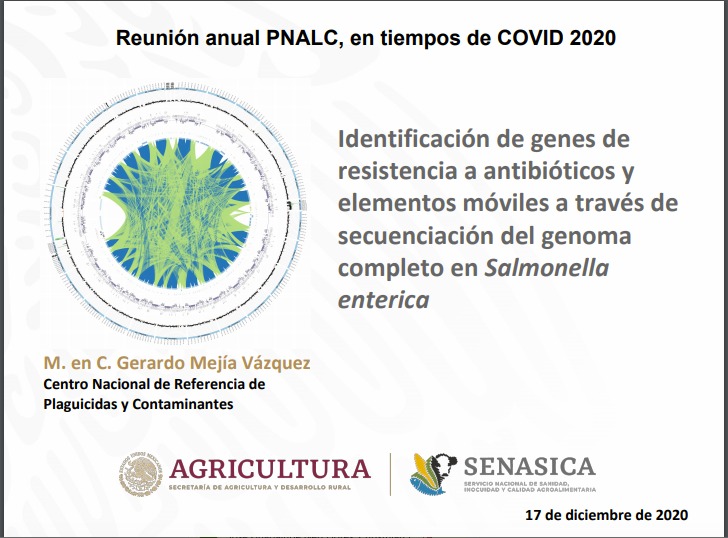
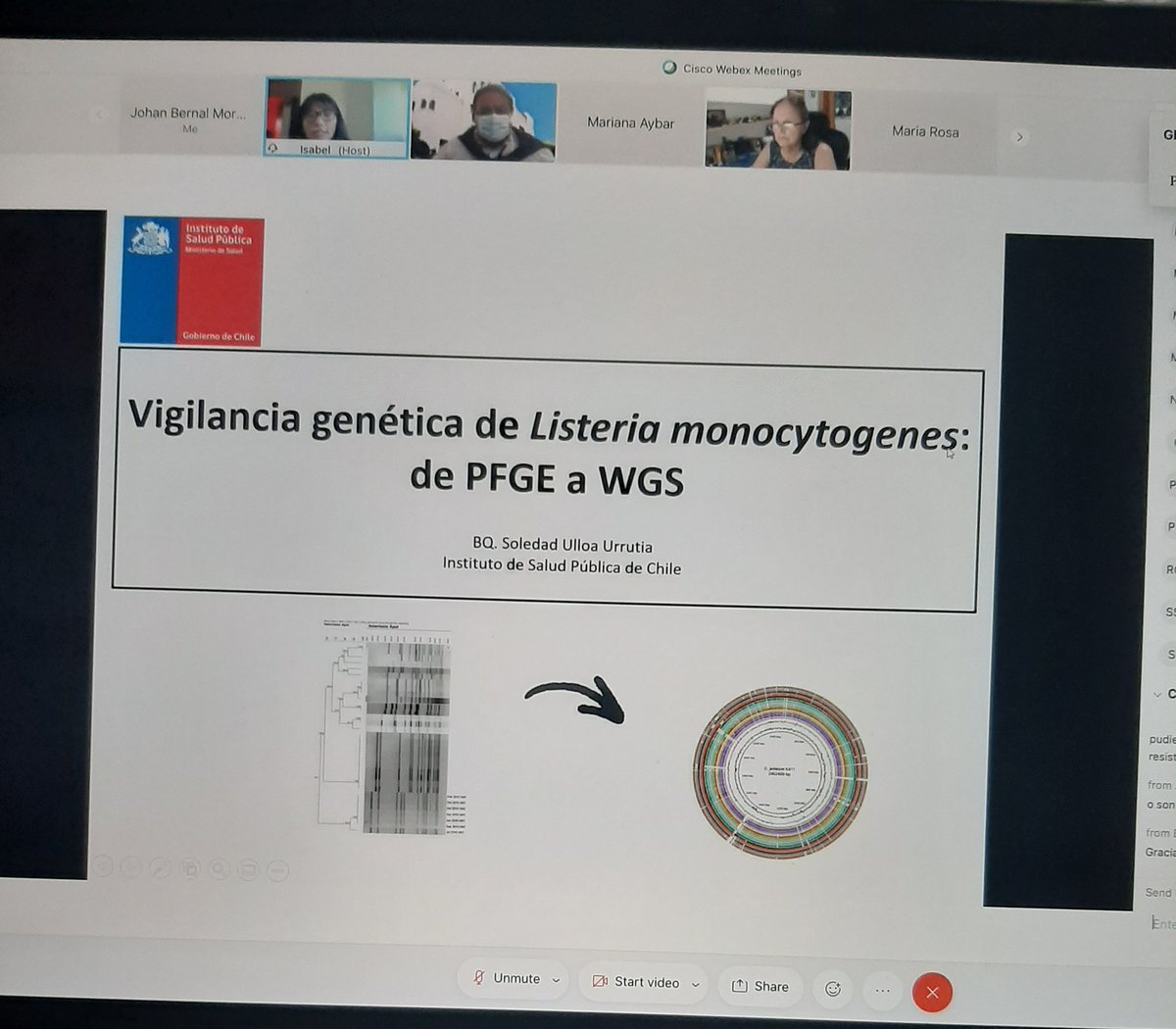
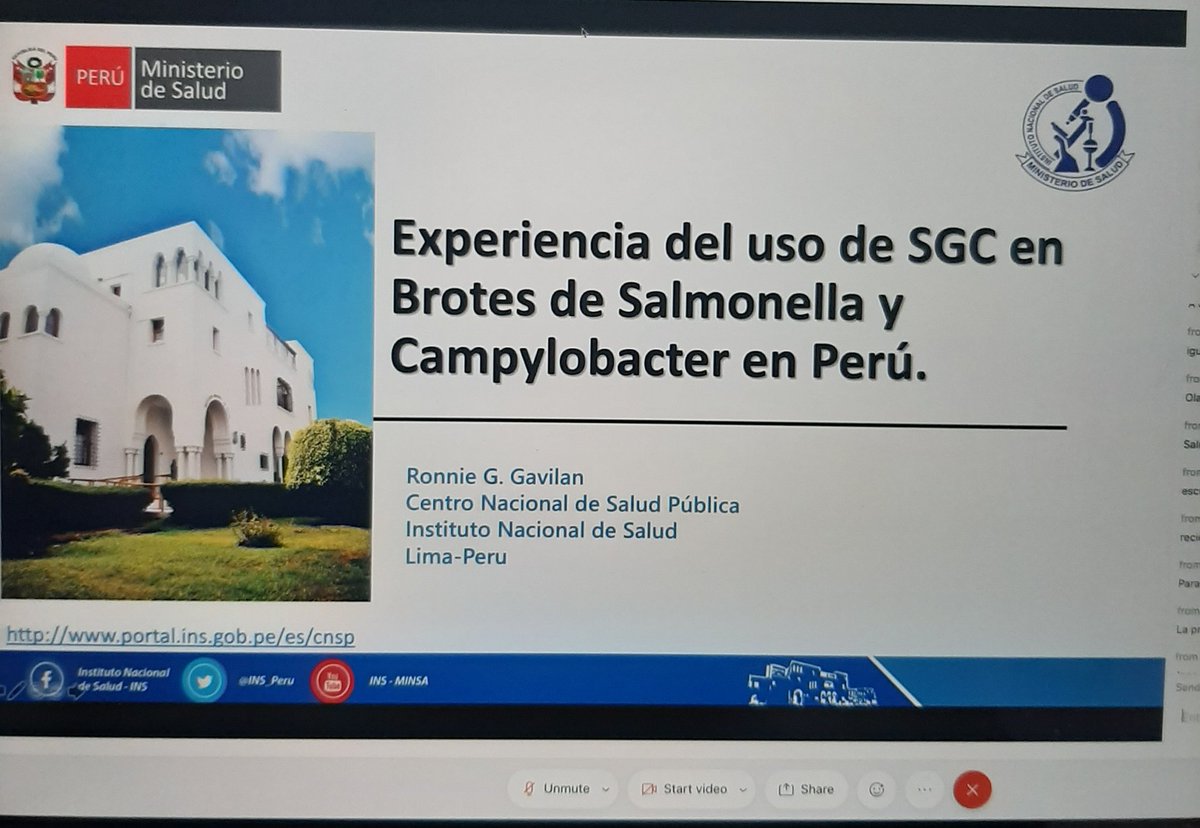
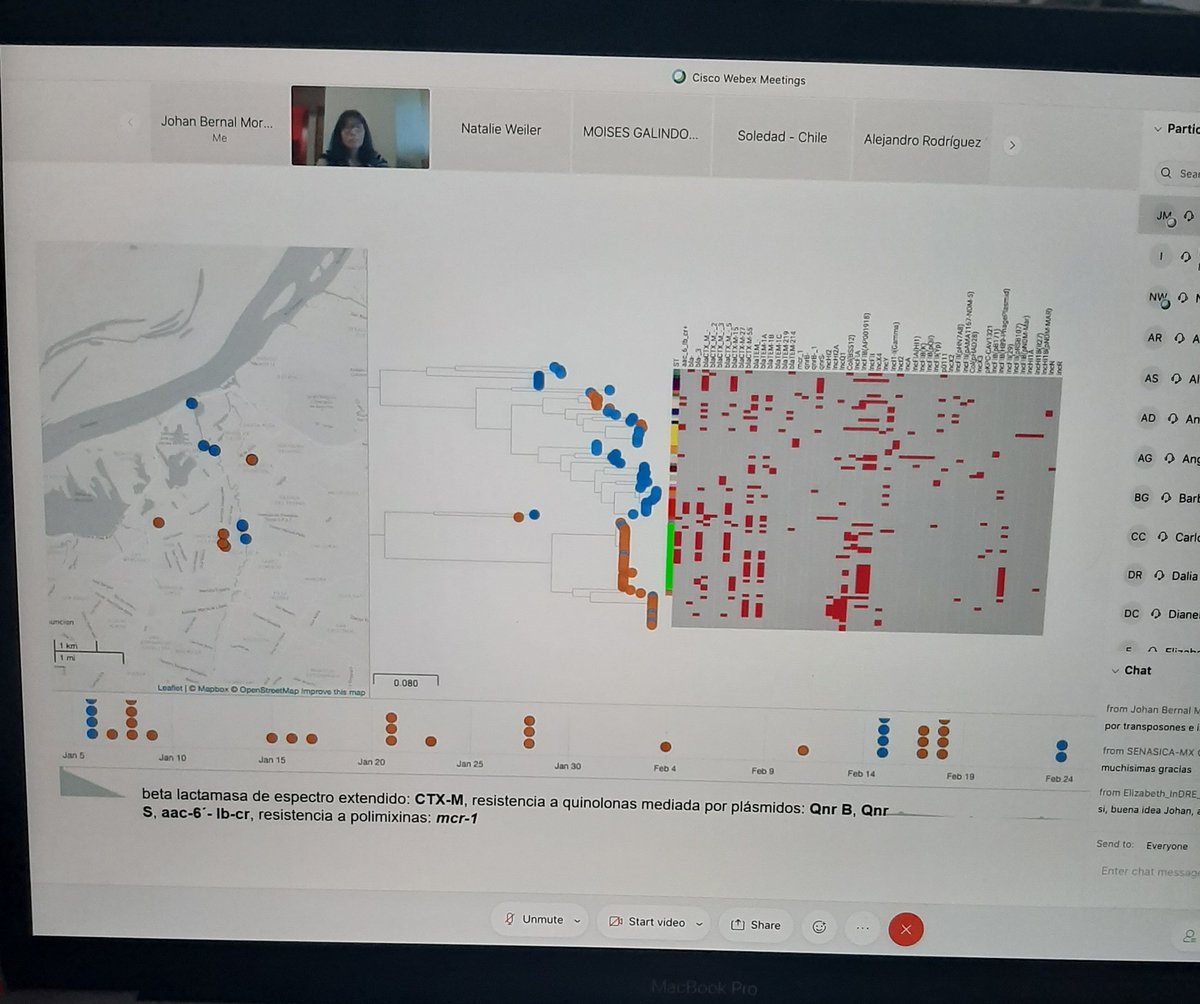
Second PulseNetLAC day!! Brutal productive and very impresive how WGS is comming the first option in surveillance of foodborne pathogens and one health approaches in region!! Argentina, Chile, Colombia, Mexico and Perú @SomosAGROSAVIA@pahowho@MyMicroreact@Pathogenwatch
Second PulseNetLAC day!! Brutal productive and very impresive how WGS is comming the first option in surveillance of foodborne pathogens and one health approaches in region!! Argentina, Chile, Colombia, Mexico and Perú @SomosAGROSAVIA@pahowho@MyMicroreact@Pathogenwatch
AMR UPDATE: We have added “Intermediate” resistance predictions for Typhi genomes with 1-2 mutations within QRDR, and “Resistant” prediction for the triple mutant gyrA_S83F-gyrA_D87N-parC_S80I.
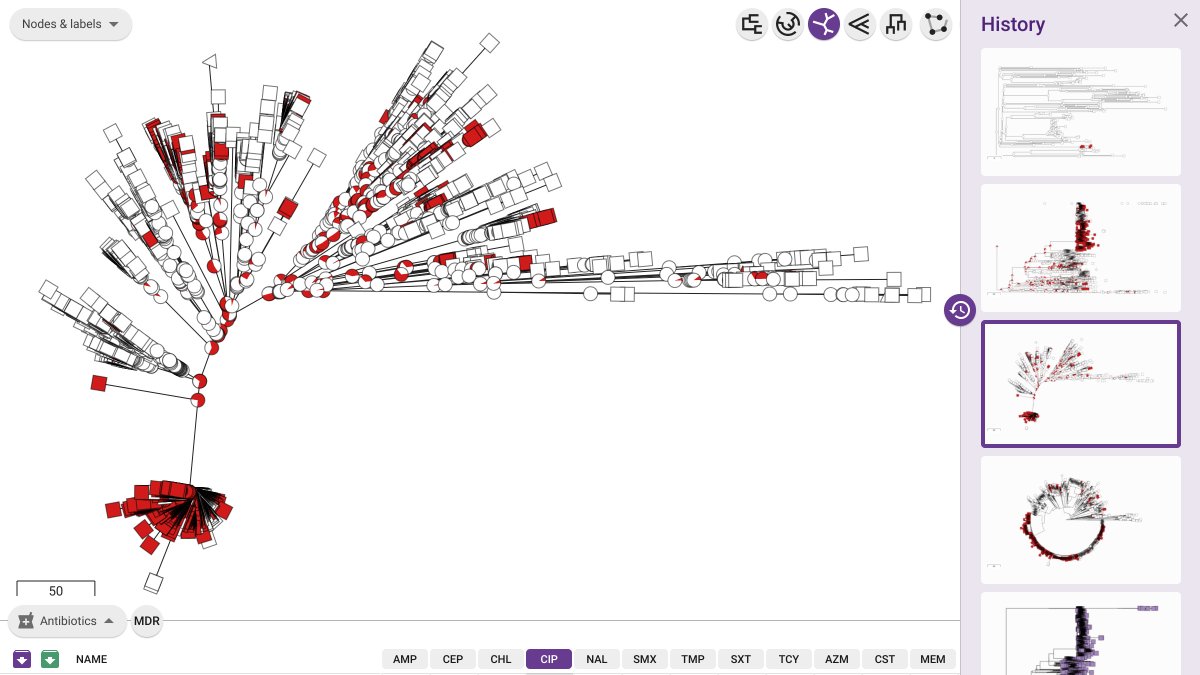
UPDATE: Addition of 937 Salmonella Typhi genomes and 7 new collections (thanks @silargi). Screenshot shows tree of 4389 public genomes with MDR strains highlighted (https://t.co/9K6E8Vp0m7). Add your own genomes for automatic contextualisation and prediction of AMR determinants.
The AMR library is available at https://t.co/dMNyMrnfZ0 (@leosanbu & @corinyeats). The reads were downloaded from the ENA and assembled using our pipeline: https://t.co/tU5hrrTcJi (@bioinformAnt & @benmadeit). Manuscript in preparation.
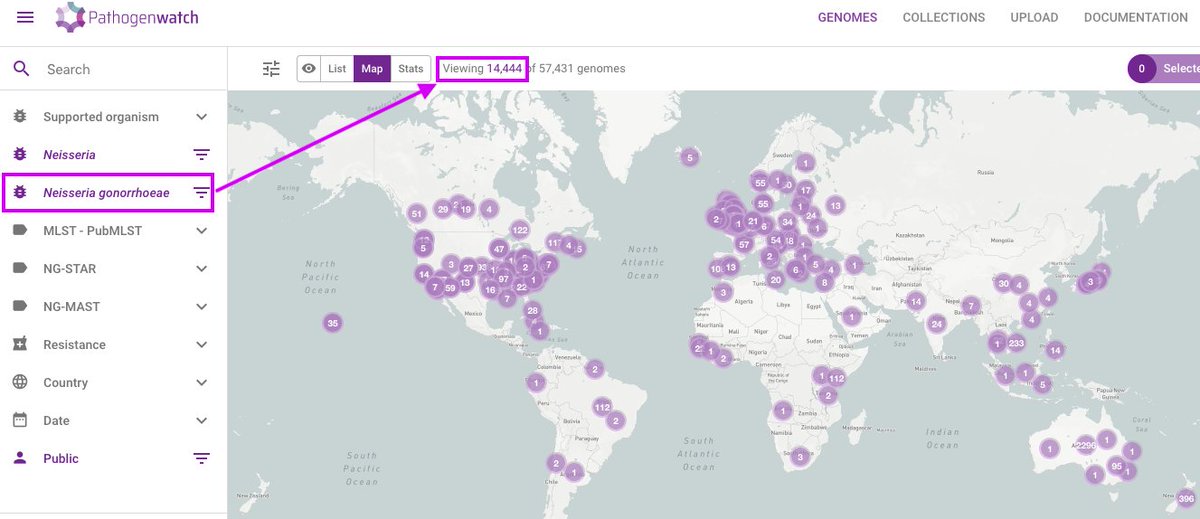
We're excited to announce Pathogenwatch now has 14,444 N. gonorrhoeae genome assemblies (https://t.co/xFFHudGvMF) with location metadata and 25 new curated collections based on publications. All annotated with a new antimicrobial resistance library developed at the @TheCGPS.
The new AMR panel has 88 genotypes with 36 genes & >50 variants extracted from ~4000 genomes with associated MIC values and verified using Town et al (2019), Kwong et al (2018) and Yahara et al (2019). Thanks to all our collaborators including @yhgrad @thisiskatytown@gfspiteri.
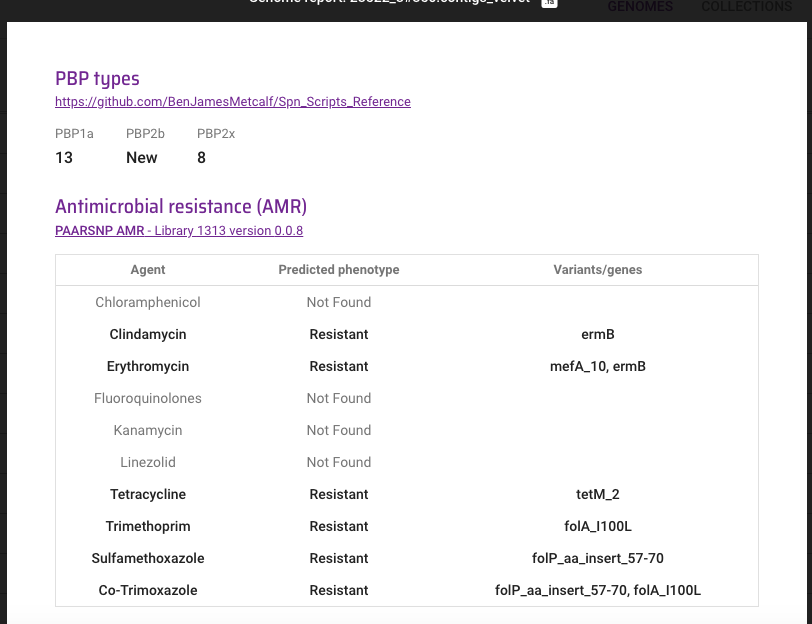
We're excited to announce S. pneumoniae penicillin resistance prediction and PBP typing, along with major improvements to the current AMR library. Many thanks to Ben Metcalf and the CDC for the software and libraries and Stephanie Lo (@stephlo_lo) for validation.
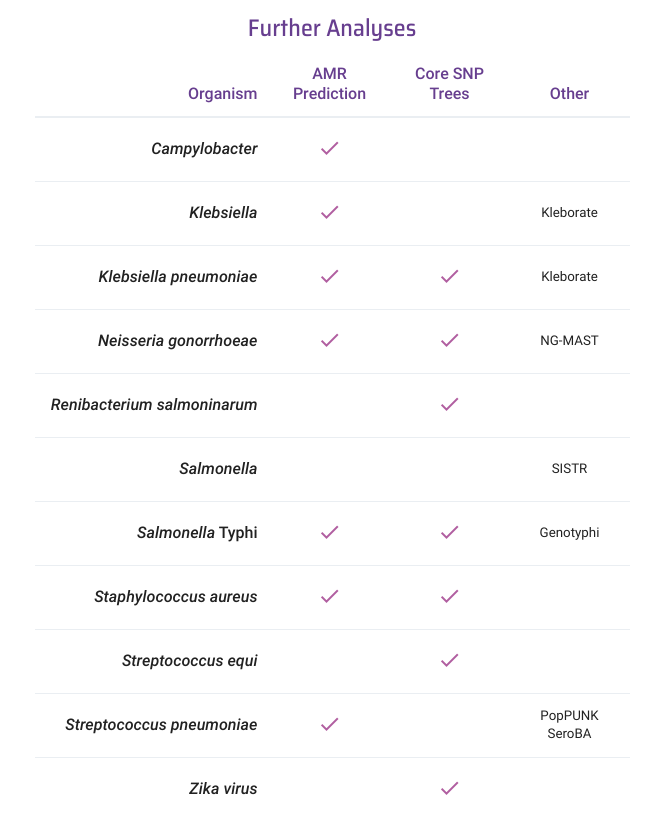
@DrKatHolt @pseudomonaslisa Thanks for the mention, folks. Just to clarify, we provide clustering with a network visualisation for those cgMLST schemes. We provide neighbour-joining trees for select species (see attached), with more details of the method here: https://t.co/CMnBGzIEMP
Trees and networks can now be exported as png or svg, and the timeline can be exported as png, for external use.
Try out the tree and timeline with datasets at https://t.co/fHttH8bsjx! 🔗
(4/4)
Do not adjust your monitors. Pathogenwatch now has timelines! 🕰️📈
This is part of a series of upgrades designed to include functionality from @MyMicroreact, so it should feel familiar.
More details below 🧵
(1/4)
The tree component has also been upgraded! It brings a long list of features present in Microreact including 2-dimensional scaling, internal nodes (pictured), and re-rooting.
It's also generally faster, prettier, and more consistent. 🦾
(3/4)