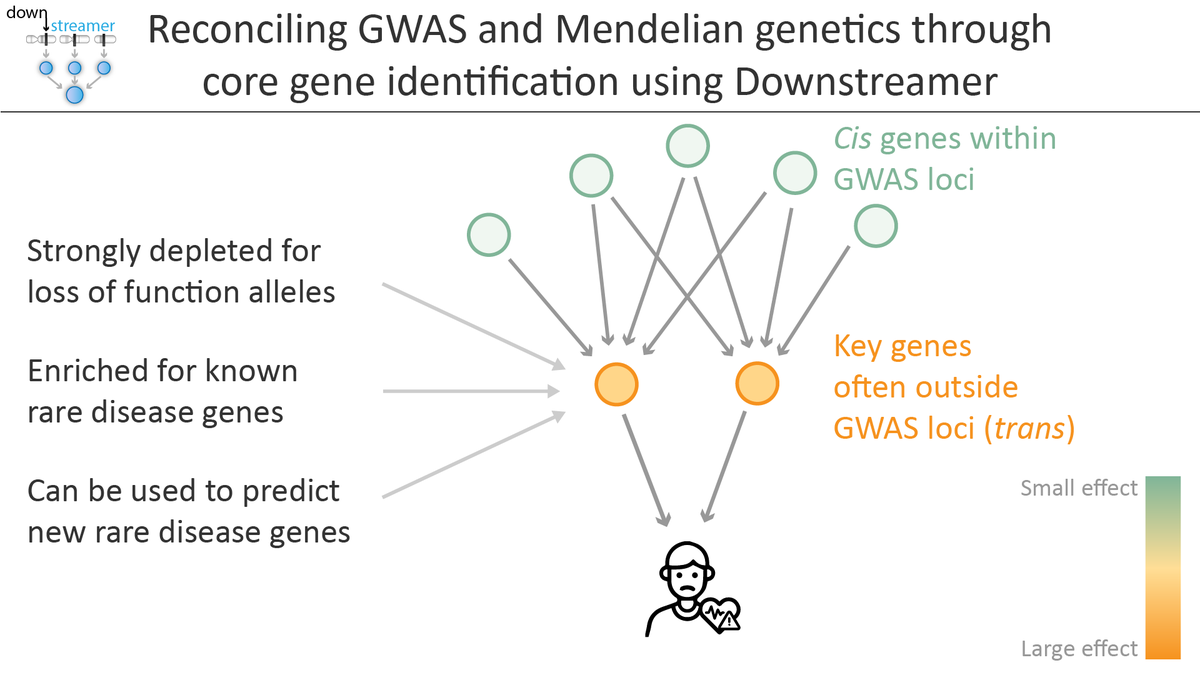
I am very excited that @ZonMw has awarded me a VENI. In the coming 3 years, I will predict new rare-disease genes using public RNA-seq data by creating tissue specific and directed gene networks. First step: Downstreamer which uses a mixed tissue network: https://t.co/nHFIfzLXKI
162 researchers awarded a NWO Veni grant. The laureates will conduct research on a variety of subjects such as methods for 3D microscopy of human brain tissue, metabolic potentiation of vaccine, kidney sales among migrants and CO2 storage in lakes: https://t.co/MGpw84NXHM
Downstreamer is now available: https://t.co/lsnaa3JJMm
For a thread on how we used 57 tissue specific gene expression networks to identify key genes of common diseases see Bluesky: https://t.co/SK5d32WgBH
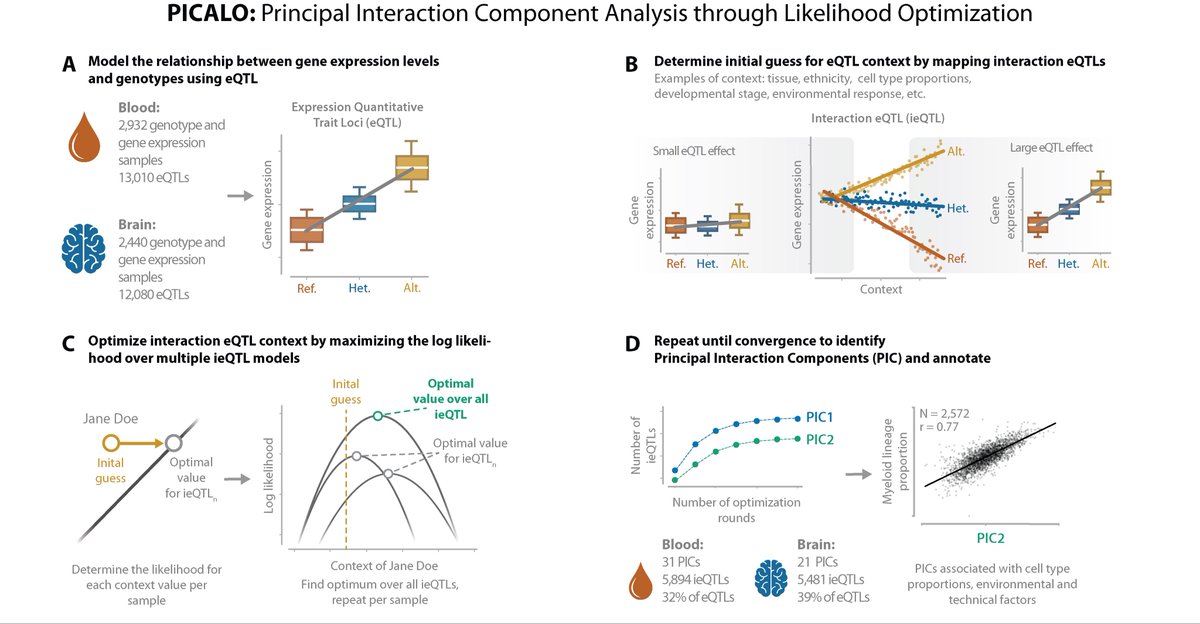
1/11 PICALO: a method for the identification of contexts that affect the regulatory mechanisms of genetic variants.
Lack of eQTL context is hampering the biological interpretation of GWAS variants, for this purpose we developed PICALO. 🧵https://t.co/GVNGg2yykk
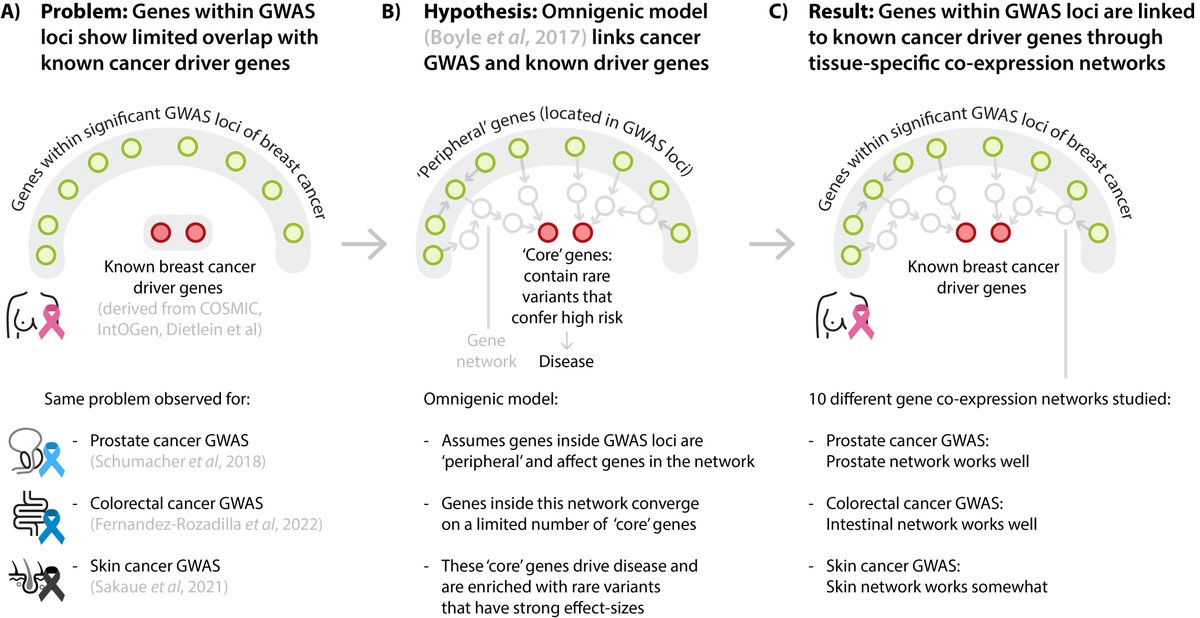
We are excited to share our manuscript where we study GWAS of breast, prostate, colon, and skin cancer to understand how cancer risk relates to the cancer driver genes derived from tumour data (https://t.co/C7j1HvlSc4). 🧵(1/7)
We are very proud that Monique van der Wijst @MoniquevdWijst has been awarded a VIDI grant for her project to study gene expression variation. Monique, many congratulations! @umcg@univgroningen@NWONieuws
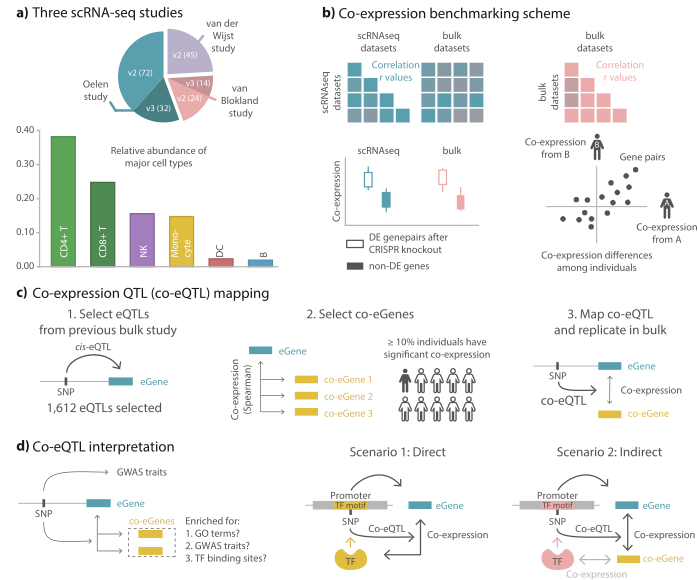
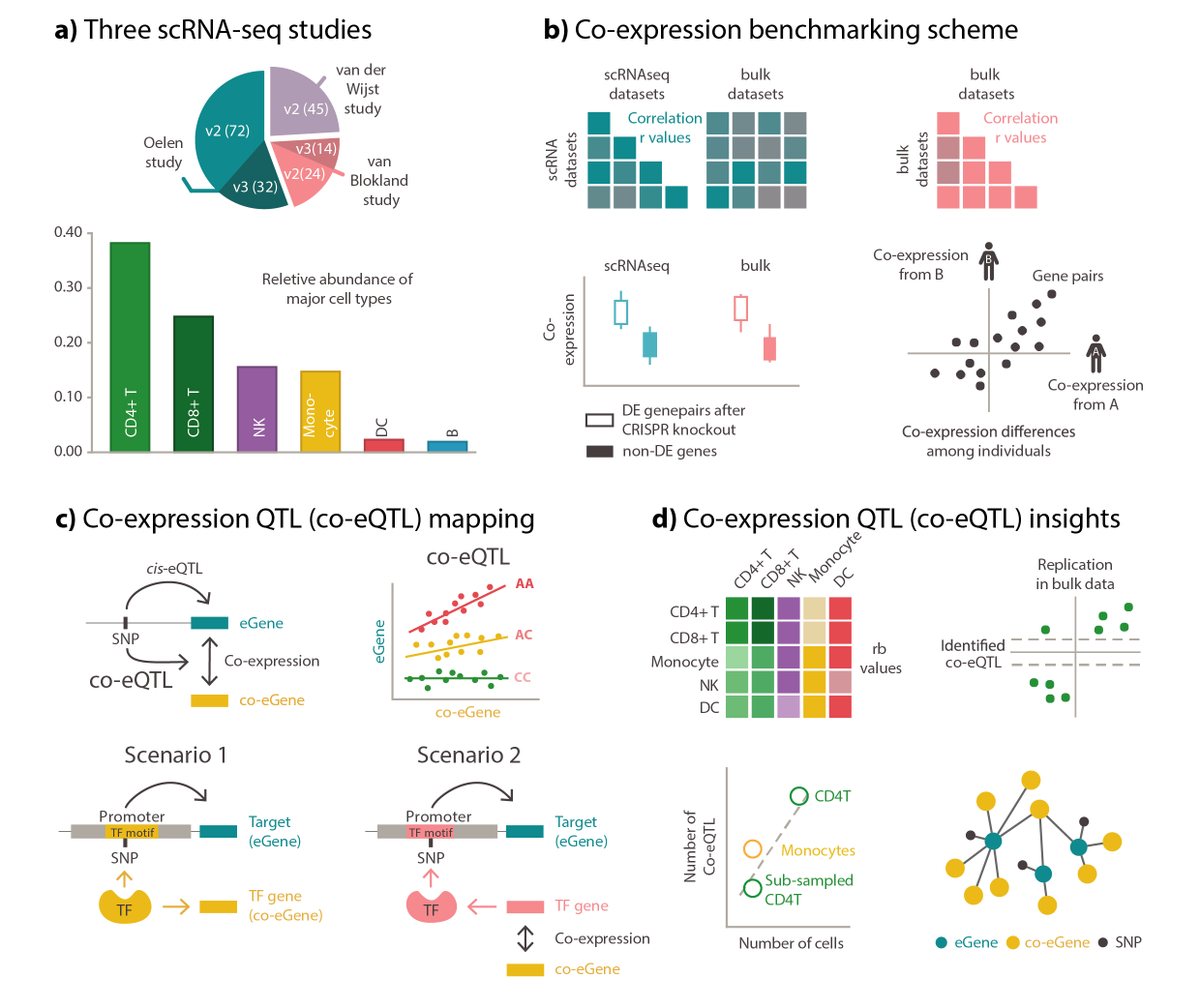
1/7 How do genetic variants affect co-expression patterns and how can this help us to interpret consequences of GWAS hits? In our latest preprint, we use scRNAseq to find such associations by mapping co-expression QTLs (co-eQTL)! https://t.co/VK7msVwn4V
Parallel to this we are working on single-cell eQTLGen as well, a federated single-cell eQTL meta-analysis, where we aim to identify cell-type specific eQTLs. Please have a look at https://t.co/pvj5sdfZke for more information on this exciting project as well.
Are you interested in trans-eQTLs? We are working on a new genome-wide eQTL meta-analysis in blood samples (https://t.co/pvj5sdfZke). Over 30 cohorts are already contributing to this initiative. Using a federated analysis model, cohorts do not have to share privacy sensitive data
Curious about how genetics regulates genes in the brain, and whether this can be linked to disease? I am looking for a PhD student to research just that! https://t.co/3wkyThL2lx
Most promising method to identify drug targets? 🎯
- #GWAS
- #eQTL-GWAS
- #pQTL-GWAS
- #exome
Excited to share our new preprint where we compare all methods including #network approaches (https://t.co/xMvhqSmUv6) Very grateful to all co-authors @zkutalik@cauwerx@PatrickDeelen
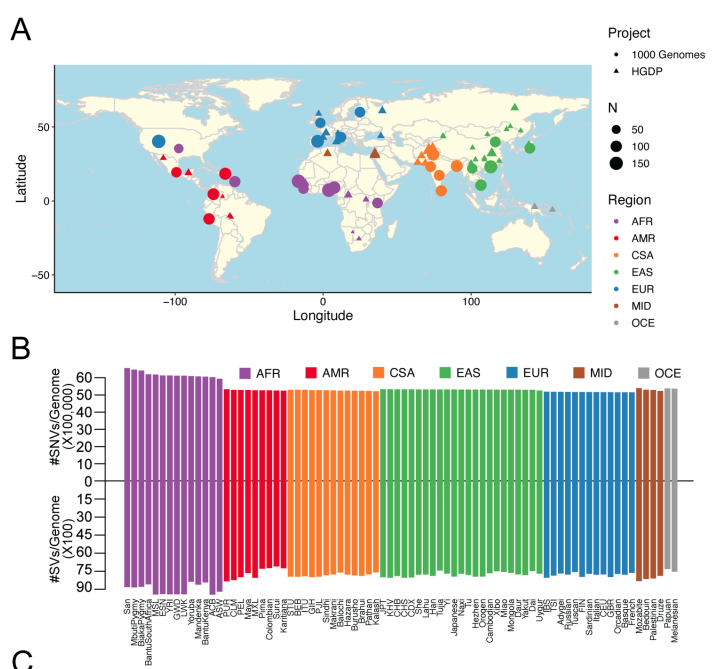
Looking for an easily accessible diverse set of genomes? We've got you! The HGDP+1kGP genomes have been jointly called and QC'd as part of gnomAD, complete with SNVs, indels, and SVs: https://t.co/1UmHWz1WtB. Fully public resource, tutorials included, feedback welcome!
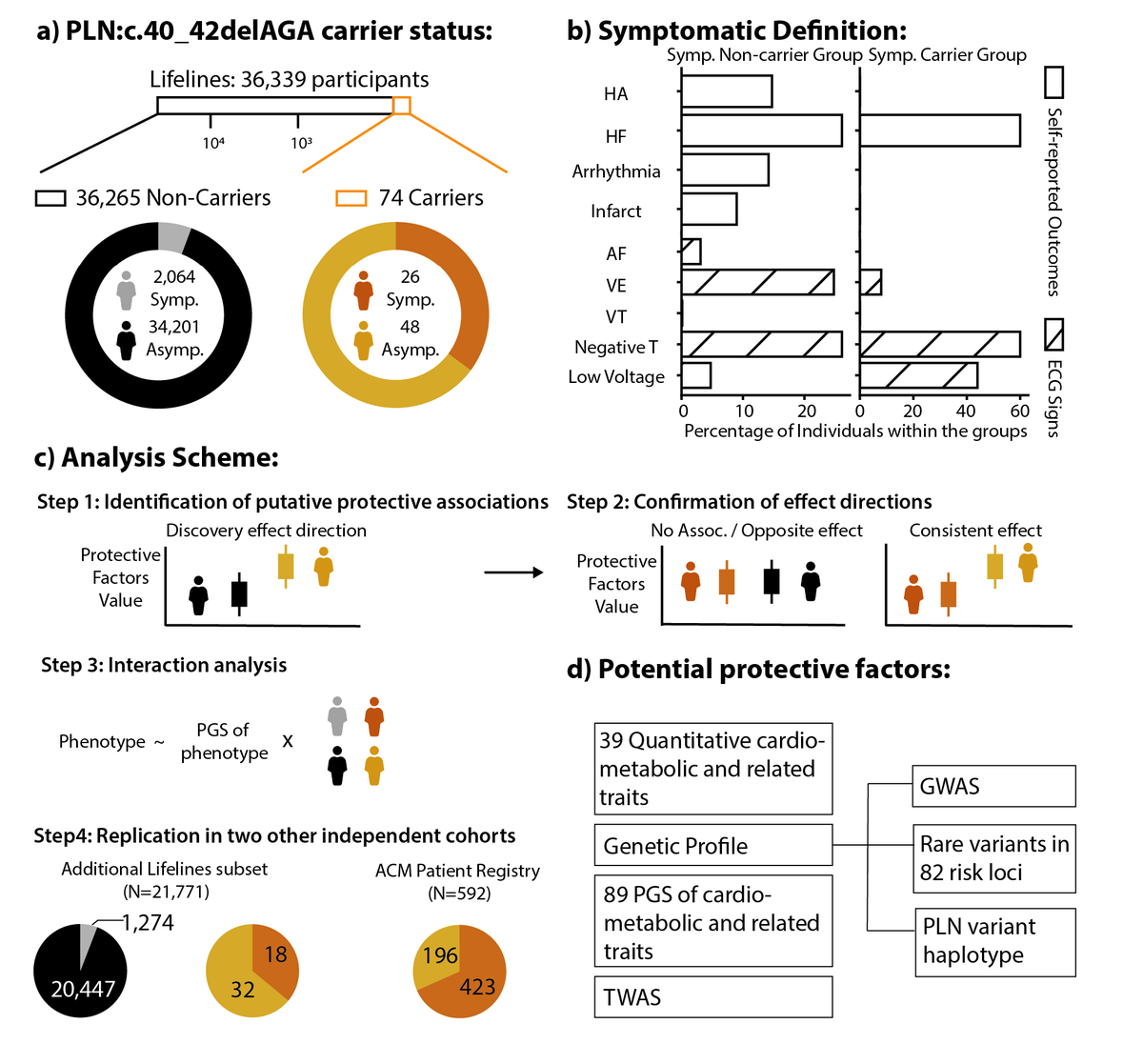
We used the population biobank @LifelinesNL to find why a rare variant in PLN, that causes cardiomyopathy, has incomplete penetrance. Congratulations @ealopera14@Shuangli1330
1/5 Why don’t all carriers of the rare PLN:p.Arg14del variant get cardiomyopathy? In our paper we explore the modifiers of this penetrance using the Lifelines general population biobank. https://t.co/yYaJOWJwU6
Photo de Proxima du Centaure, l’étoile la plus proche du Soleil, située à 4,2 année-lumière de nous.
Elle a été prise par le JWST.
Ce niveau de détails… Un nouveau monde se dévoile jour après jour.
Genetic associations affecting gene expression are often dependent on unknown (biological) context. In our latest preprint, we introduce PICALO: a method that identifies hidden eQTL contexts that we refer to as Principal Interaction Components (PICs). https://t.co/Fm2wCuVSIl 1/8
Excited to share our paper in @NatureComms where we present the 1M-scBloodNL study in which we profiled 1.3M immune cells from 120 healthy individuals, longitudinally exposed to 3 different pathogens https://t.co/ILsrHYnLwM @UMCGgenetica#scRNA 1/8
Genetics became more import to your happiness during the pandemic.
Layman's summary @_TCglobal: https://t.co/cIOkdY9JF3
Great work by @RobertWarmerdam & @P_Lanting
How are genetics related to well-being during the first year of the COVID-19 pandemic?
Studying 27,537 samples, we show that genetics were associated to many aspects of well-being, with some getting stronger over time📈
Now published in @PLOSGenetics https://t.co/LJzMlrqaXg
1/5
1/7 How do genetic variants affect co-expression patterns and how can this help us to interpret consequences of GWAS hits? In our latest preprint, we use scRNAseq to find such associations by mapping co-expression QTLs (co-eQTL)! https://t.co/UvpSyxLmAO