Primary aldosteronism is characterized by dysregulated and relatively nonsuppressible aldosterone production that persists independent of its dominant regulators, renin and angiotensin II (termed “renin-independent aldosterone production”).
This pathologic aldosterone production causes hypertension, increases the risk of hypokalemia, and causes cardiovascular and kidney disease.
Learn more in a new Interactive Medical Case: https://t.co/KmJKeHLqD9
NEW: Today, I’m releasing a Surgeon General’s Advisory on the causal link between alcohol consumption and increased cancer risk. Alcohol is the 3rd leading preventable cause of cancer in the U.S., contributing to about 100,000 cancer cases and 20,000 cancer deaths each year.
5/ We discuss clinical implications pertaining to:
• Patient selection
• Enhanced precision for BP management
• Resistant HTN
• Novel targets and approaches to ameliorate the complex hypertensive milieu
• End-organ protection
• Adherence
• Side effects
6/ We delve deeper into challenges of development and current/future mitigating strategies addressing:
• Target selection and specificity
• Stability and delivery
• Immunogenicity
• Onset and duration of action
4/ Other RNAi Candidates
Along with Zilebesiran, other exciting candidates include:
• CBP-4888
• SGB-3908
• SA016
• IONIS-AGT-LRx
Each has unique potential in targeting hypertension and offers different approaches to RNAi delivery and effectiveness.
2/ RNAi and HTN:
RNAi leverages the body’s natural gene-silencing mechanism to target key genes responsible for blood pressure regulation. The advantage? Long-term BP control with infrequent dosing, offering a promising alternative to traditional therapies.
3/ Key Candidate: Zilebesiran
In early-phase trials, Zilebesiran showed a sustained BP reduction of up to 15 mmHg after a single dose. 🧬 Patients saw over 90% reduction in serum angiotensinogen (AGT) levels for up to 6 months—a significant breakthrough!
🚨 New publication alert! 🚨
1/ In this review article, we explore the cutting-edge use of RNA interference (RNAi) to tackle hypertension (HTN). Thank you to @DineshKalra for his mentorship. A 🧵on our paper:
This is a really important paper. STEMI vs Non-STEMI thinking needs to go. It's "occlusion MI"
Here is the thing though: almost all of the occlusion MI NSTEMI's can be seen on the ECG--if people could read ECGs properly
Table 2 examples seem so obvious to me. Not because I am smart, but because ECG reading was a top priority at Indiana U.
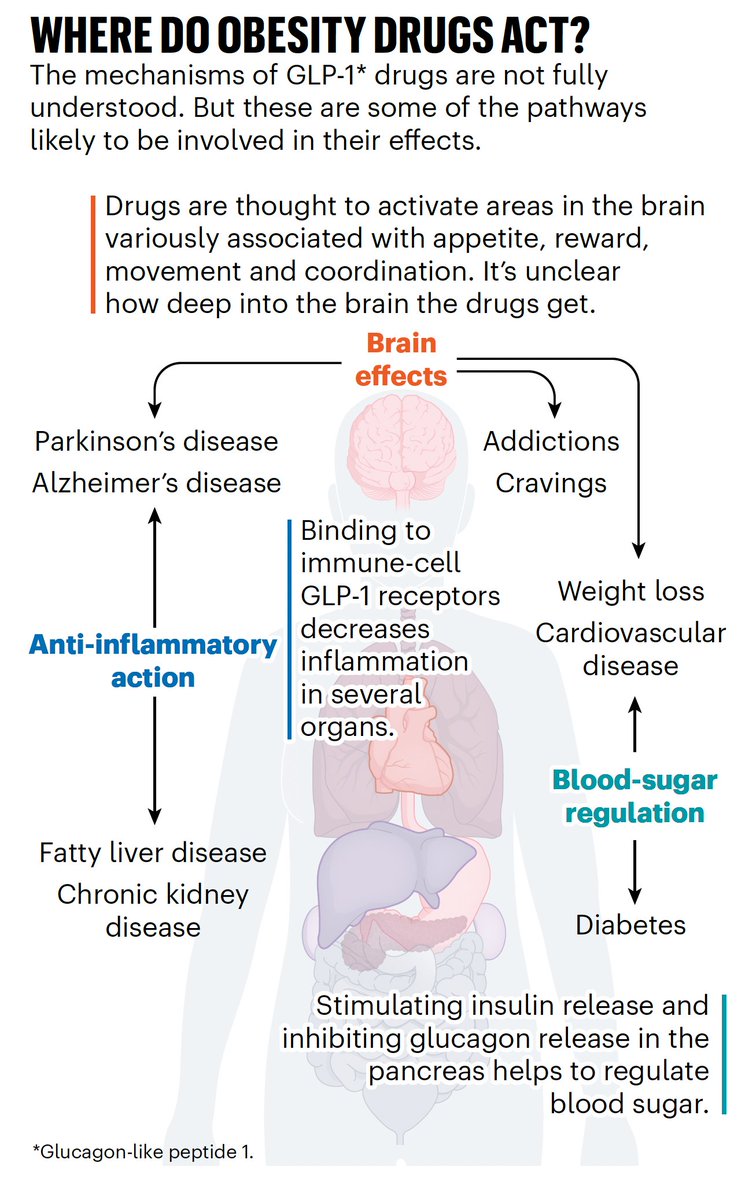
The GLP-1 drugs are the most important drug class breakthrough in medical history. We're still learning how they have such broad impact, especially about their anti-inflammatory effects, systemically and in the brain
https://t.co/jZ49W1QItw
A new feature @Nature, by @marilenharo