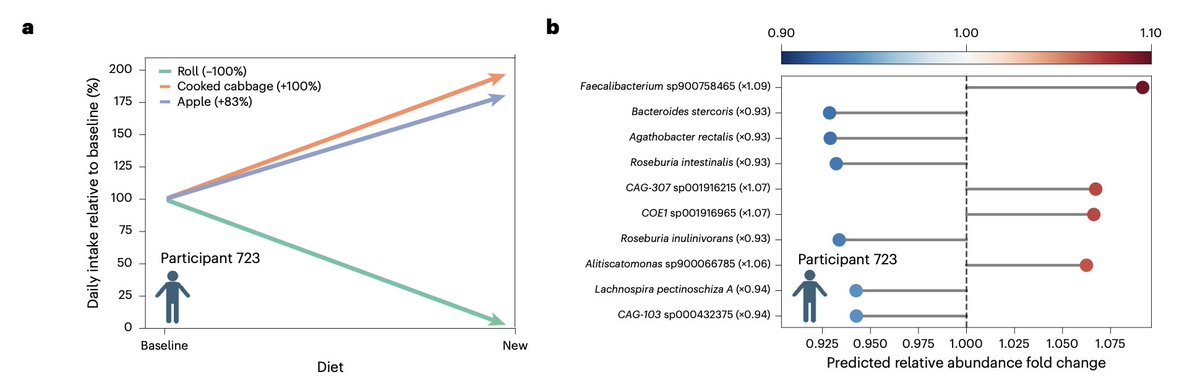
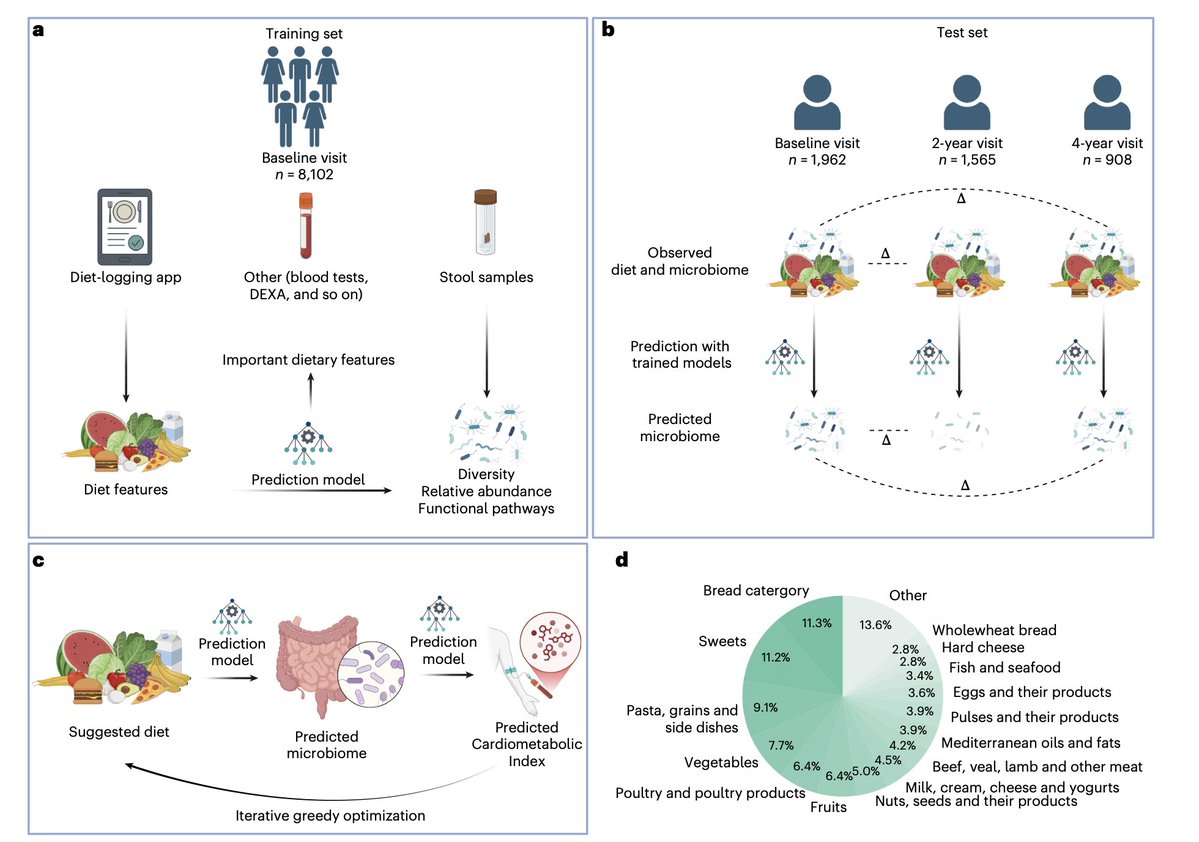
Our new study @NatureMedicine from the Human Phenotype Project: Analyzing diet and microbiome data from 10,000+ people, we found that what you eat is strongly linked to which microbes live in your gut, down to specific foods like coffee, yogurt, and milk driving distinct microbial signatures. We also simulate personalized dietary interventions with predicted microbiome shift effects that are associated with improvements in cardiometabolic health
Read here: https://t.co/JoIEoIqJ6O
HPP: https://t.co/sdxsQpoStl
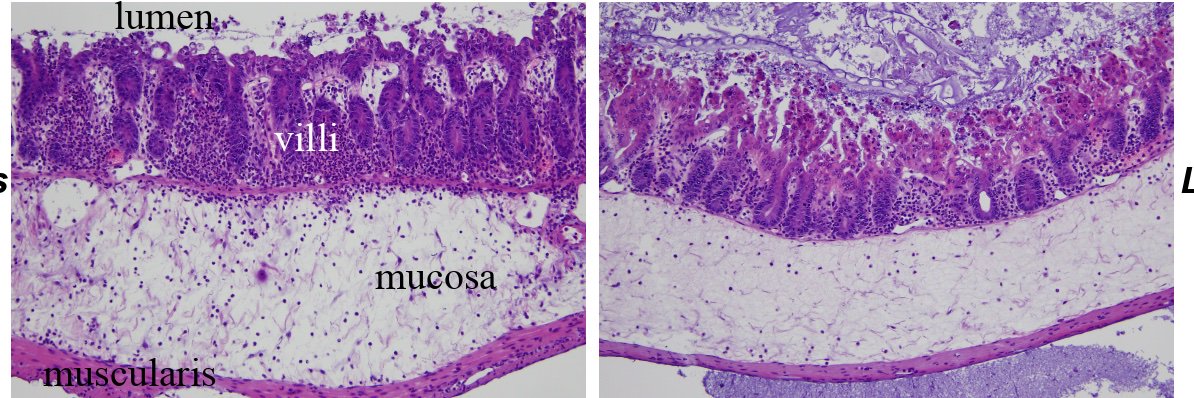
So proud of @benberesjones and the whole Pedicord lab for this work in close collaboration with Simon Clare and @LawleyLab! Another outstanding team effort!
https://t.co/e2c6QYbHkM
Applications are open for our Caregiver Travel Grant 2025! Apply now for a chance to receive flexible funding to cover caregiving expenses while attending an in-person scientific conference! Apply: https://t.co/KvROYdnUMK 📅 Deadline: March 31, 2025 #WomenInSTEM@Momademia
Interested in spatial -omics? Check out our review now online!
We provide a primer on high-dimensional spatial profiling, introduce key concepts in analysing spatial data, and propose a 3-step conceptual framework for investigating tissue immune niches.
https://t.co/893UuI7F90
Thrilled to share the results of our 8-year-long expedition into the Wild, the city of #NYC , the wild west of #LosAngelesCA , and more—in search of the roots of gut fungal commensalism! 🧵https://t.co/P4vv7Ll9dp
🚨 New publication alert! 🚨
As part of the exciting #HCA publication bundle in @Nature, we reveal metaplasia’s role in inflammation in gut diseases, powered by a single-cell atlas of the entire human gastrointestinal tract. 🌟
https://t.co/NL0SlzNXYk
Thanks so much @fionapowrie@powrie_lab for the shout-out of our preprint in your excellent CSHL Microbiome meeting keynote! We're very excited to be exploring the mechanisms by which resident microbes induce protective host responses in the gut! #cshl#microbiome
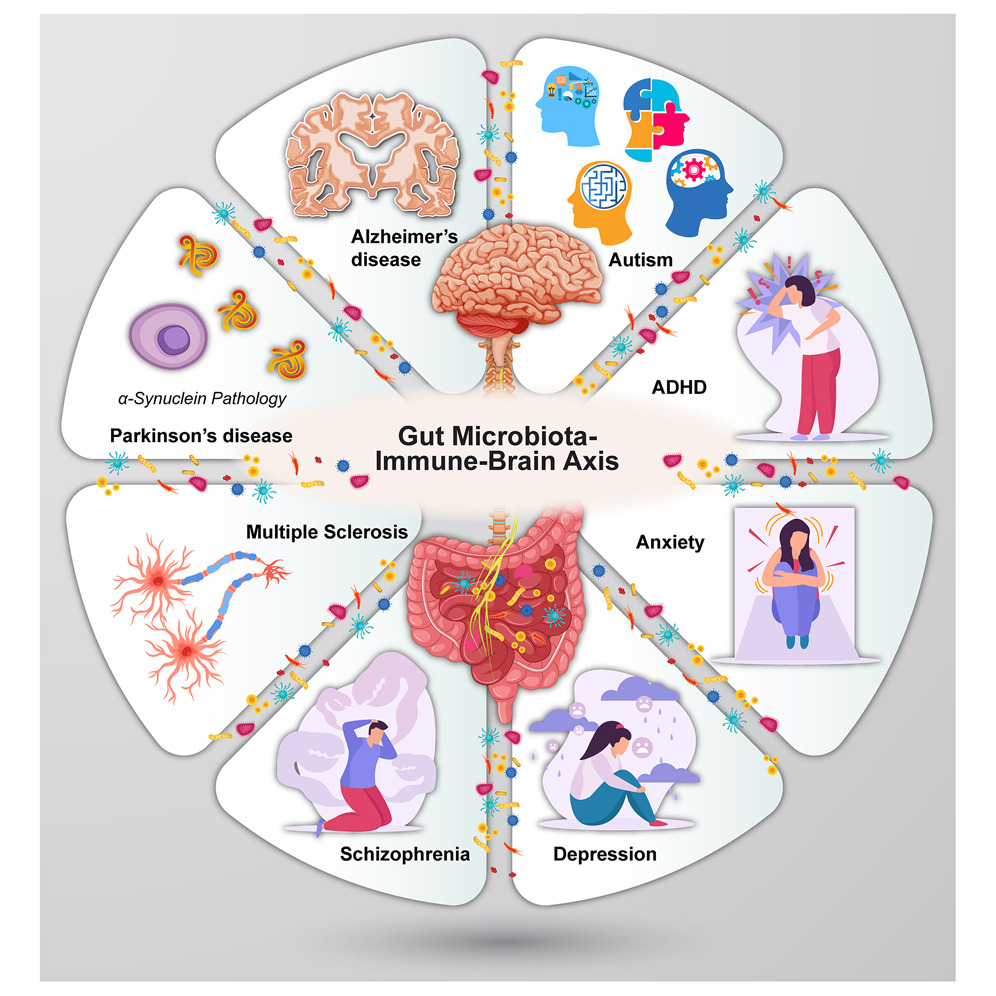
What your brain's microbiome means for your health? The answer is: Absolutely nothing, as there is none. And no, brain microbiomes play also no role in neurodegenerative disorders like Alzheimer's. This article is not based on scientific information that is credible.