Striking map from a new study by Lenton et al.: after 2.7 °C global warming the purple areas will basically be too hot to live.
A billion people could be on the move to cooler lands.
Guardian article: https://t.co/a2AOQ24Dml
The study (open access): https://t.co/yAamRxs4us
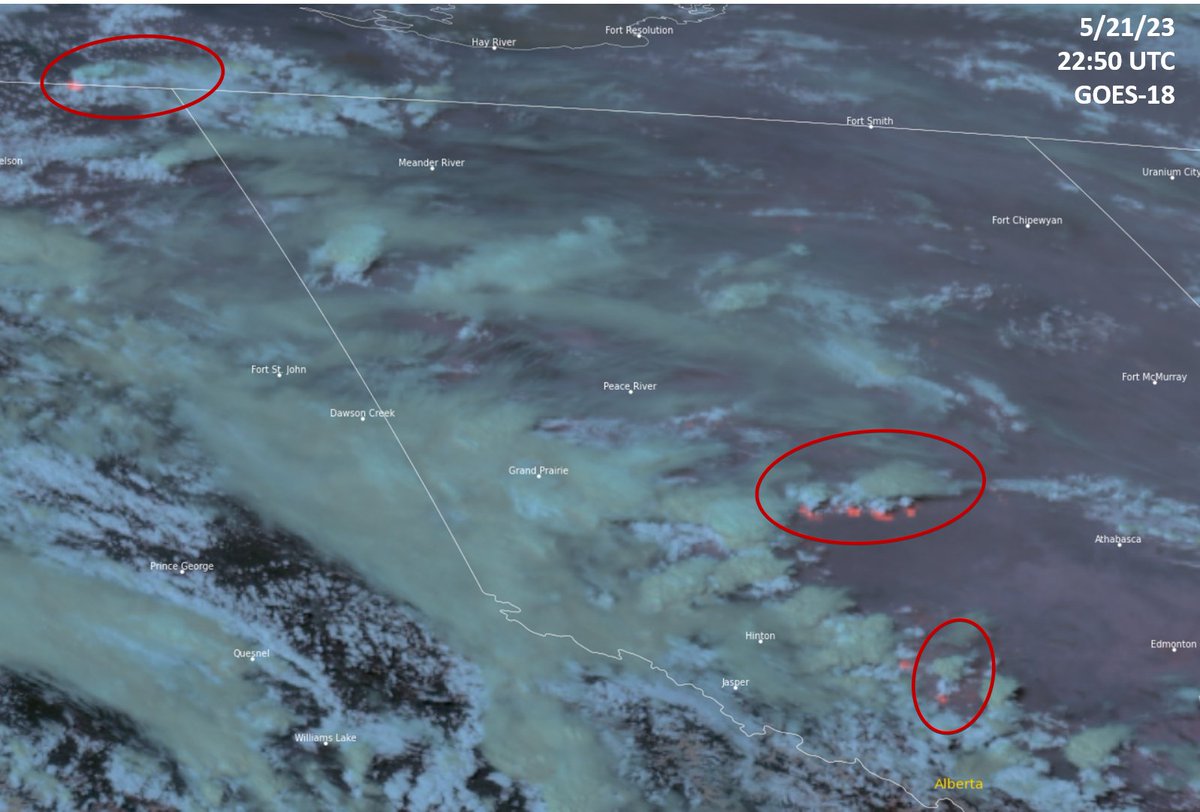
Sunday was the fourth day in a row of intense wildfires with #pyroCb activity in Canada. PyroCbs developed over a fire along the #BritishColumbia/NWT border and a large fire complex in central #Alberta. Large pyroCu and possible pyroCbs also occurred west of #Edmonton.
If you want to learn about our efforts to constrain a small but intriguing part of atmospheric Cly, perchlorate (ClO4), please come to my #AMS2023 talk in the @NASAEarth ACDAM session today at 9:45 am. Also involved: @jljcolorado@DKim_Chem. @NASAAirborne
Counting the ways things might go wrong over here soon, pretty informative and long thread. Spare a thought for the people left in the builiding...Worldcup will be fun!
https://t.co/TVGIVN5vEQ
I've seen a lot of people asking "why does everyone think Twitter is doomed?"
As an SRE and sysadmin with 10+ years of industry experience, I wanted to write up a few scenarios that are real threats to the integrity of the bird site over the coming weeks.
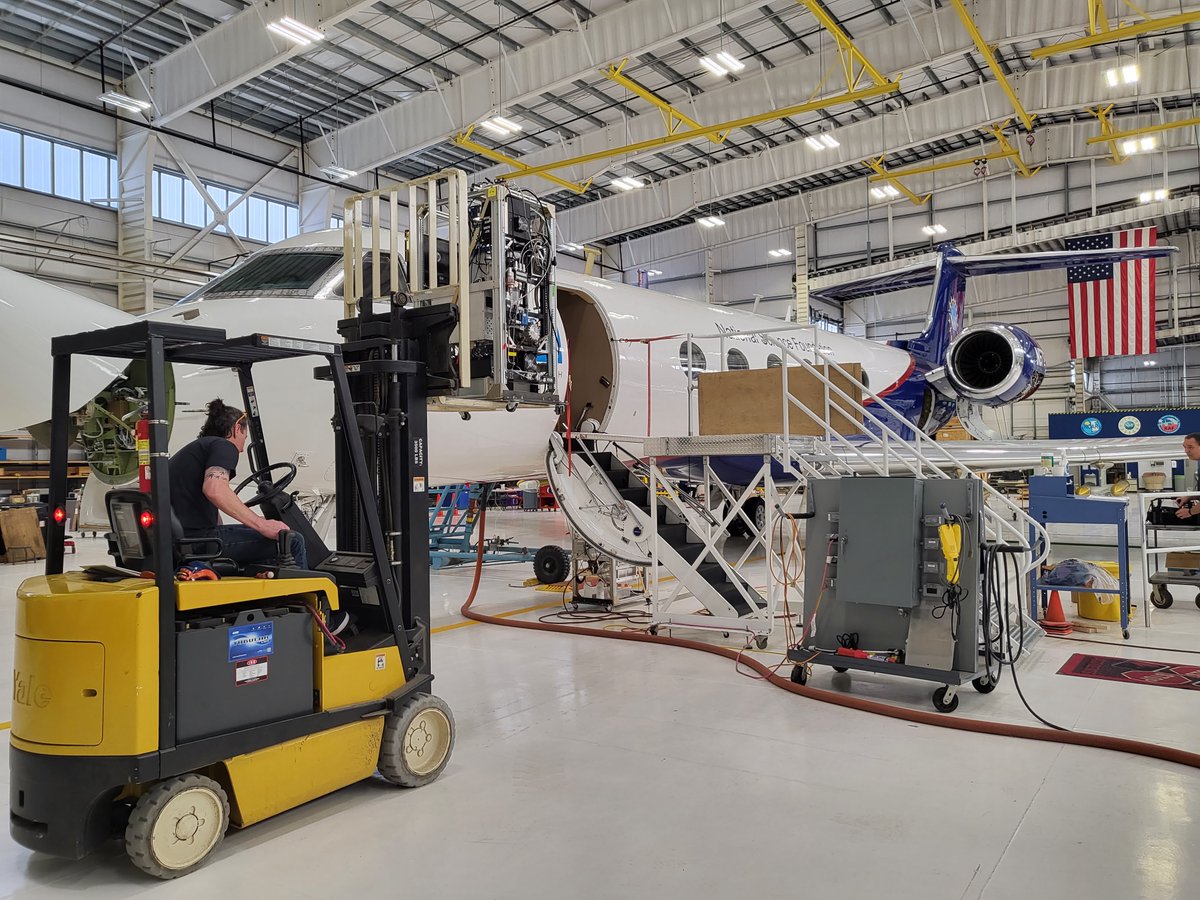
Getting our aircraft AMS to fit on the #GV has been...interesting, kudos to the rest of the CU aircraft team for a great job @DKim_Chem@HongyuGuo_@DougChem@JgrpBoulder! Looking forward to more flying in the next weeks out of Kona, HI
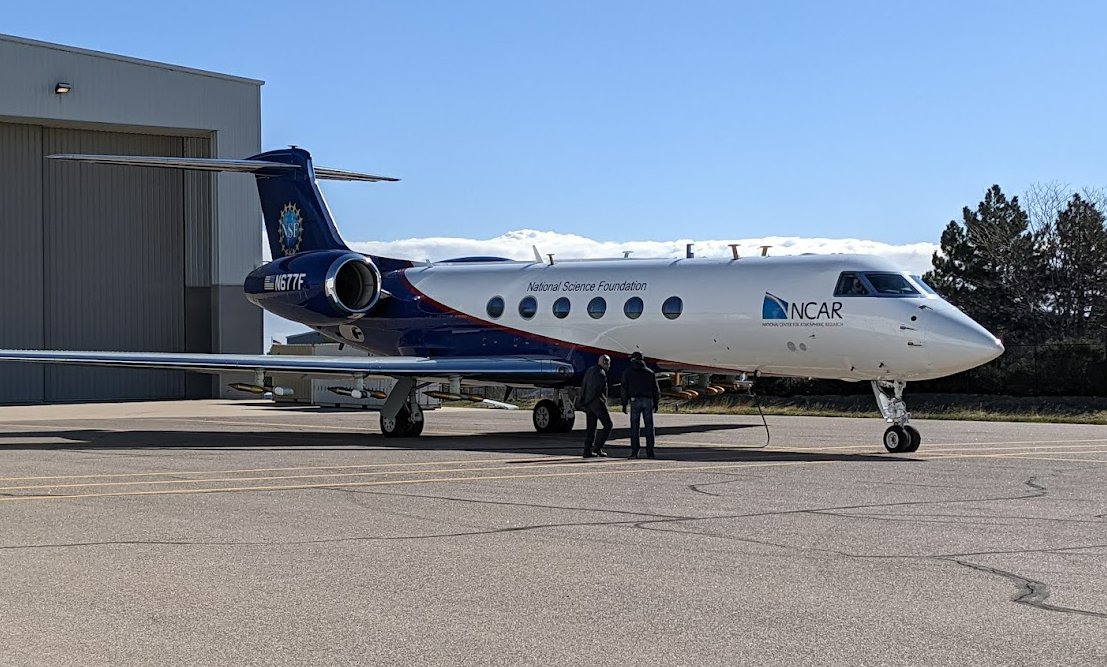
Today we are flying the second flight of the #TI3GER project, looking at iodine chemistry in the gas phase and particles in both the troposphere and stratosphere. Feels great to be able to fly again! And also nice to be back on the @ncareol #GV
What was the worst comment you've heard or read in the chat during #AGU21? Here is mine: "Please ask the speaker to remove their mask so that we can hear better". 🤨
Ever wondered what the #OzoneHole currently looks like?
📺Watch the evolution of the ozone hole in 2021 up to 12 December as reported by @CopernicusECMWF
More information is available here https://t.co/PMLakFWDCy
Excited to share our latest paper in @EnvSciTech exploring the contribution of organic nitrates to organic aerosol over Korea using measurements from KORUS-AQ (@NASAAirborne) and CMAQ modeling (@EPAresearch) #AirQuality#urbanAQ https://t.co/Ks6RRZtNjx
In a new Behind the Paper piece, Benjamin Nault @Benjamin_AtmChm explains how models underestimate the acidity of atmospheric aerosols in remote regions of the troposphere. https://t.co/iV4zW23esj
You can read the original @CommsEarth article here: https://t.co/kFm9fPLogR
Particulate matter (PM) contributes to haze and poor air quality, also leads to 3-4 million premature deaths / yr. To reduce deaths, we need to understand the sources of the PM. The work published today in @EGU_ACP investigated some of these sources: https://t.co/T3IVx7OR0A (1/n)
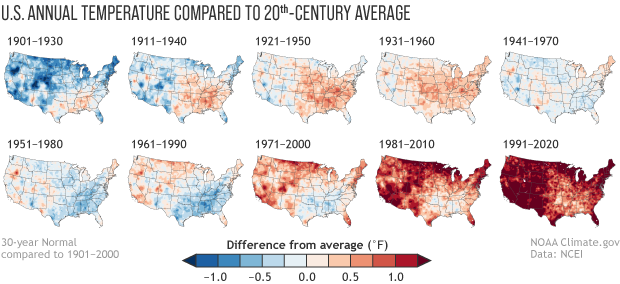
Every ten years, NOAA releases an analysis of U.S. weather of the past three decades that have come to represent the new “normals” of our changing climate. Is global warming affecting the Normals? You bet.
https://t.co/2PxjCYsBaS
Our new @Nature_NPJ paper provides perspective on the "super outbreak" of #pyroCbs (thunderstorms driven by wildfire) in #Australia during the extreme 2019/20 #BlackSummer fire season, including the impact on the stratosphere. @USNRL@BOM_au@NASAEarth
https://t.co/XyPfo1DJMk
Last month was statistically tied as the 4th warmest June on record globally - @CopernicusECMWF analysis.
It was also the hottest June on record in North America! 🔥
+ More information: https://t.co/GAtYkjcp5X
A new resource by NASA’s Airborne Data Management Group (ADMG) makes it easy to find detailed information about airborne and field campaigns. Learn more about the Catalog of Archived Suborbital Earth Science Investigations (CASEI): https://t.co/NbriOUsTPj
Documenting this OUTRAGEOUS pyrocumulonimbus on the fire north of Walhachin, BC!
That's how you inject aerosols into the stratosphere!
#bcfire@weathernetwork
@ChemDelphine @wennbergcaltech The issue I think is the APU exhaust of the plane that gets recirculated into the cabin. During ATom, we had some closed cabin post-flights when they were disinfecting the plane, and CO2 went thru the roof (so the AMS could see it clearly in the filters)