We all know that at some point, we’ll need to add an immune twist to our organoid systems.
Go check out the review we wrote on what’s been achieved in the world of "immune organoids"—and what challenges still lie ahead—out now in @Organoids_MDPI ⬇️
@penningerlab
🦇🧫🦠 An organoid platform to study bats' resilience to viral infections - spearheaded by Max Kellner and supported by a great team & collaborators:
https://t.co/9GHsYvzh6w
🚀 PhD Opportunity! Our lab at
@MedUni_Wien
is now accepting applications for a PhD candidate -> join us to investigate glycobiology and breast cancer (details below).
🚨 PhD position open! 🚨
Join our team at the Medical University of Vienna to study glycan regulation in mammary organoids, milk, and breast cancer.
Details in the image – please share! 🧬✨
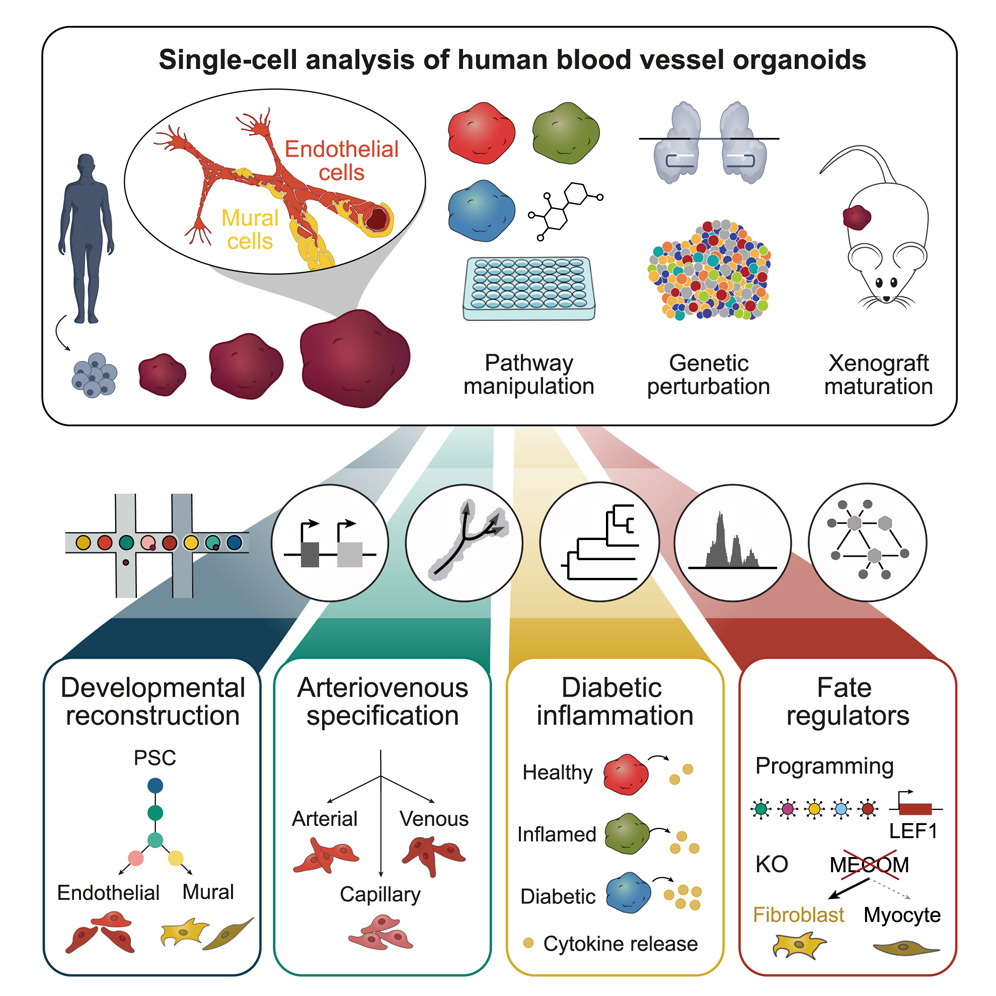
New in @CellCellPress from @penningerlab, @TreutleinLab, & @GrayCampLab! 🎊
This work provides a cell state atlas of human blood vessel #organoid (hBVO) development and illuminates the power and limitations of hBVOs for translational research. 🧫
https://t.co/mPvc8qXTHw
📌 #Pregnancy
An international team led by #MedUniVienna reports that the #intestine also changes completely in #pregnant and #nursing females, resulting in a doubling of the intestinal surface area and a striking structural reorganisation. ➡️ https://t.co/76W4lyHUOD
@Nature
Excited to share the latest paper from our lab! The work shows how RANK drives intestinal epithelial expansion during reproduction and was spearheaded by Masahiro Onji and supported by many colleagues. A big thank you to all our collaborators!
#intestine#stemcell#pregnancy 🤰🤱
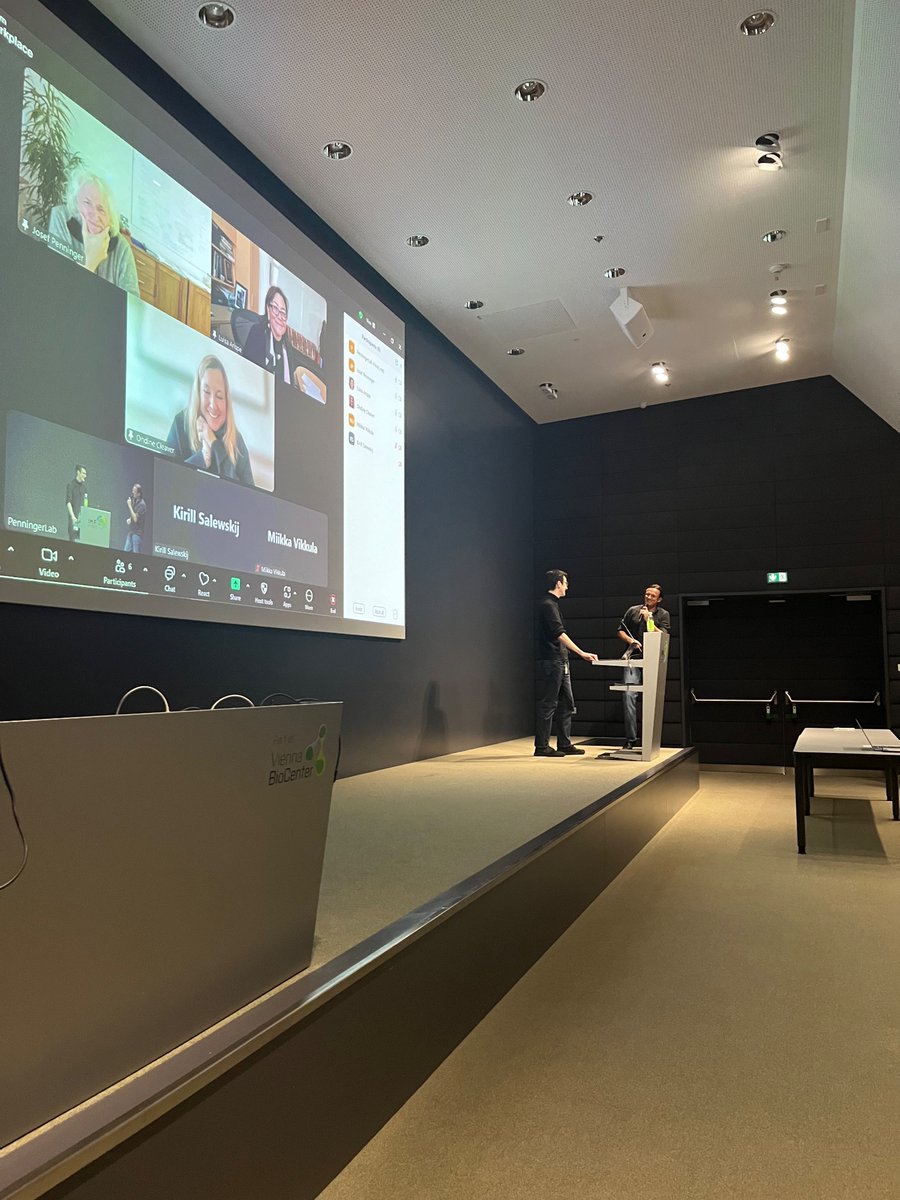
Big congratulations to Kirill Salewskij, who just successfully defended his PhD thesis „Engineering the next generation of human vascular organoids“! #PhDone 🎉
@Knoblich_lab@penningerlab@Clarivate Highly-Cited Researchers have authored multiple papers ranking among the top 1% by citations for their field. Max Kellner, a PhD student at the Penninger lab, is also among the scientists selected this year.
1/
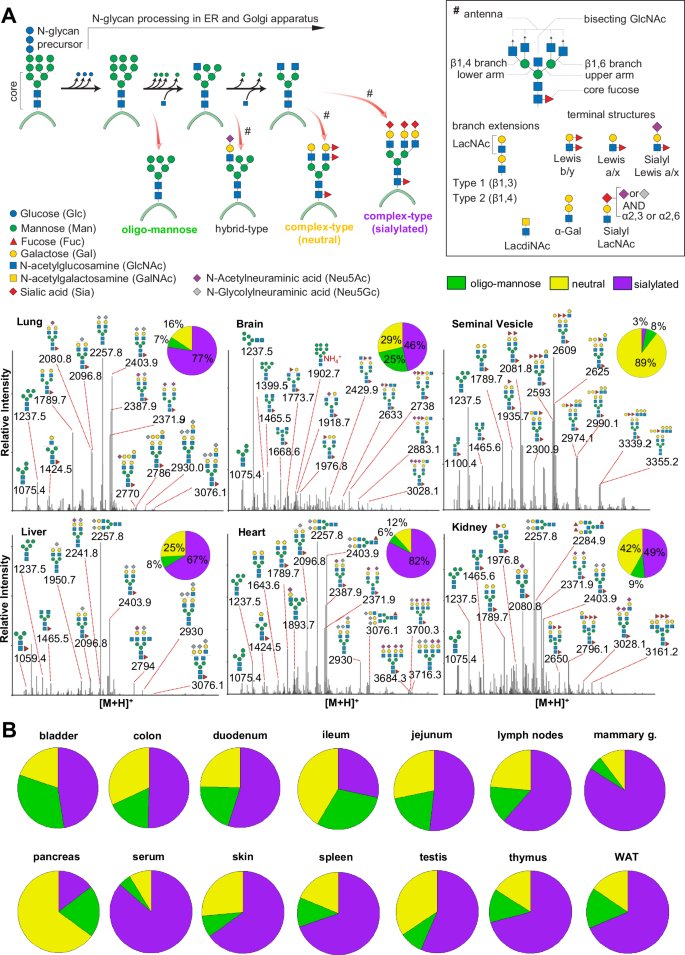
Did you know? Glycans—complex sugar structures—decorate almost every protein processed by the ER/Golgi. These N-glycans coat our cells, playing critical roles in cell interactions and immune processes. 🍬
Curious about how they vary?
Let’s dive in!
@SMereiter@penningerlab and colleagues introduce a scalable method to profile N-glycans across 20 mouse tissues, revealing tissue-specific glycosylation patterns and novel N-glycan structures #glycotime
https://t.co/Lgsl6I6TBc
A new Science #Immunology study suggests that #MastCells may contribute to postoperative pain in mice by releasing tetrahydrobiopterin (BH4) and serotonin. @cronin_sjf @StarklLabVienna@penningerlab https://t.co/AMJpYgLijX