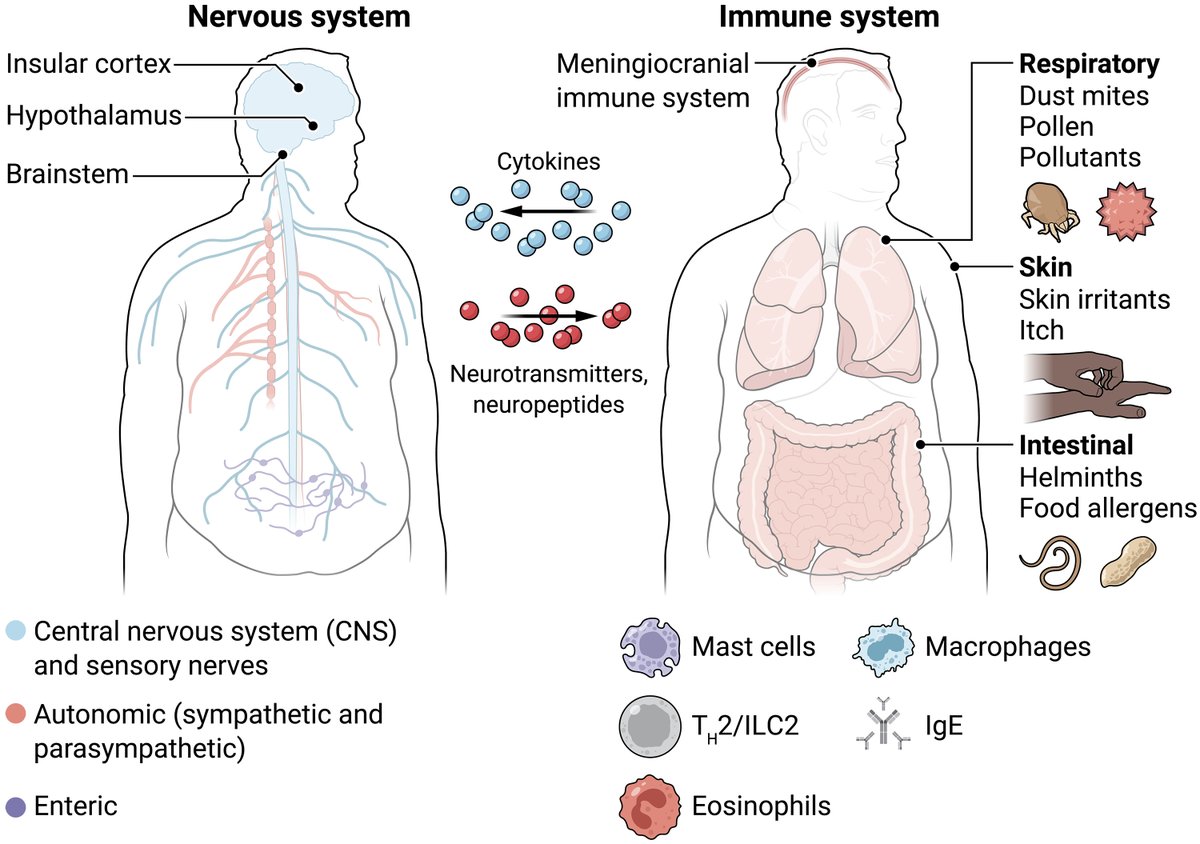
In a new Review, scientists discuss how interactions between the nervous and immune systems could impact neurological disorders and allergy-related behaviors like food avoidance. @nick_mroz@AnnaMolofskyLab@Molofsky_lab
Learn more in Science #Immunology: https://t.co/ipRvbnbg3d
📚 A review about #erythroid progenitor cells (EPCs) in cancer.
Scientists from Wuhan University summarize the latest advances in EPCs and cancer, paving the way for an in-depth discussion of how EPCs regulate cancer immunity in the subsequent sections.
https://t.co/OahAqGUw2x
HSCs can sense neuroendocrine signals in the bone marrow and play a fundamental role in the maintenance of immune homeostasis. 💡
In this work, neuroendocrine factor AVP promotes myeloid-biased HSC differentiation by activating neutrophils.
🔗 https://t.co/jcWWU5yxBw
📌 #Pregnancy
An international team led by #MedUniVienna reports that the #intestine also changes completely in #pregnant and #nursing females, resulting in a doubling of the intestinal surface area and a striking structural reorganisation. ➡️ https://t.co/76W4lyHUOD
@Nature
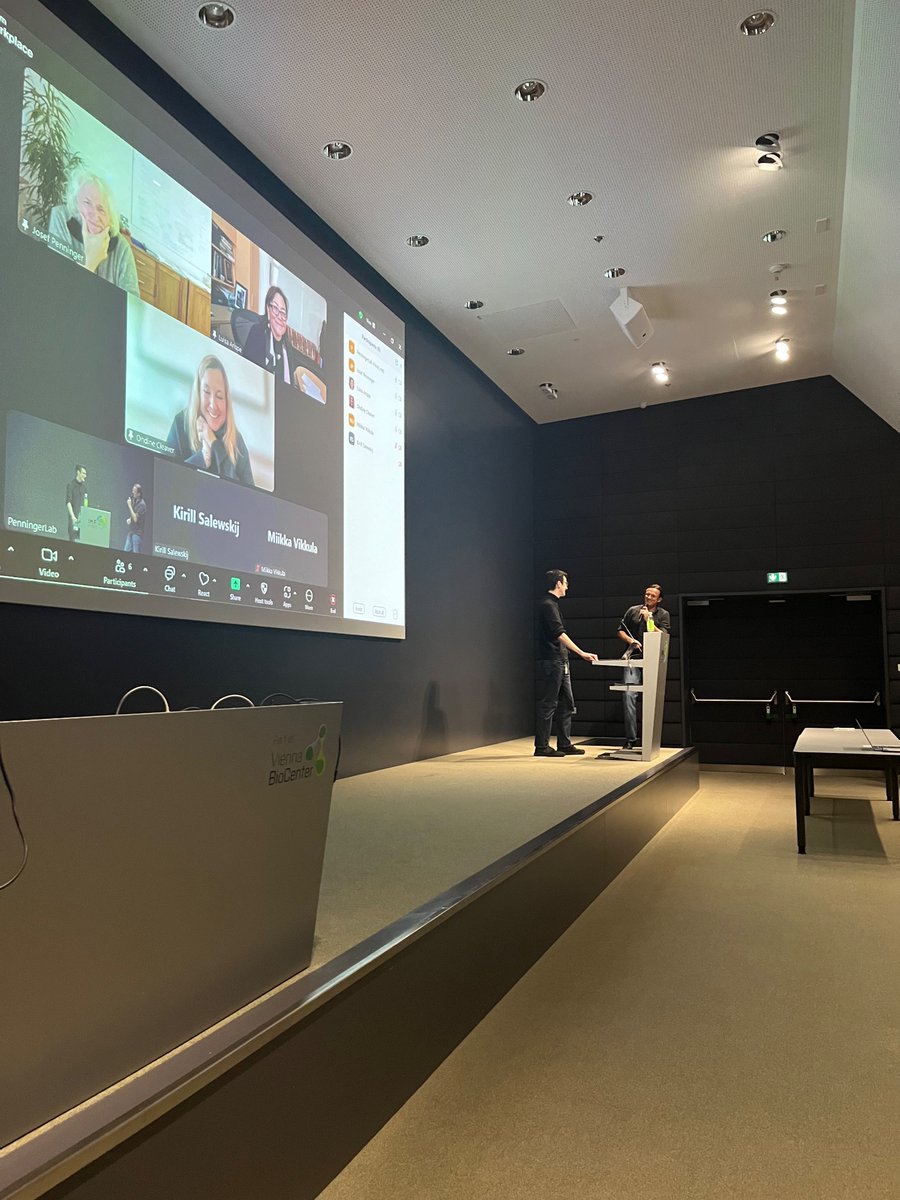
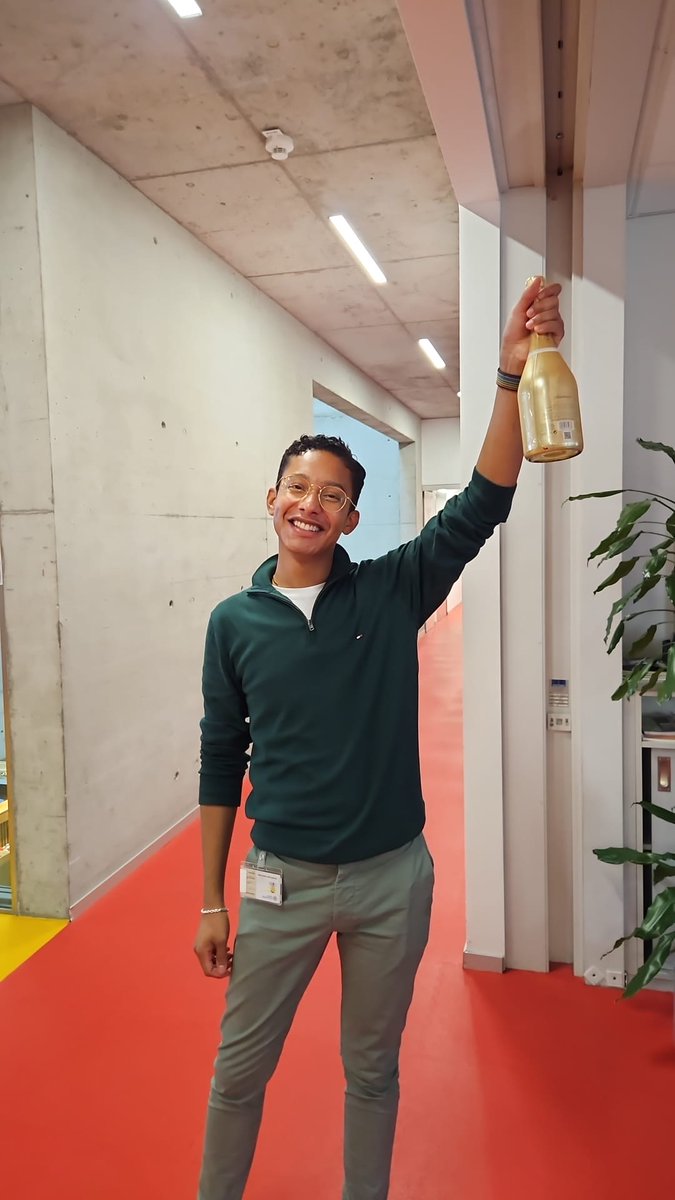
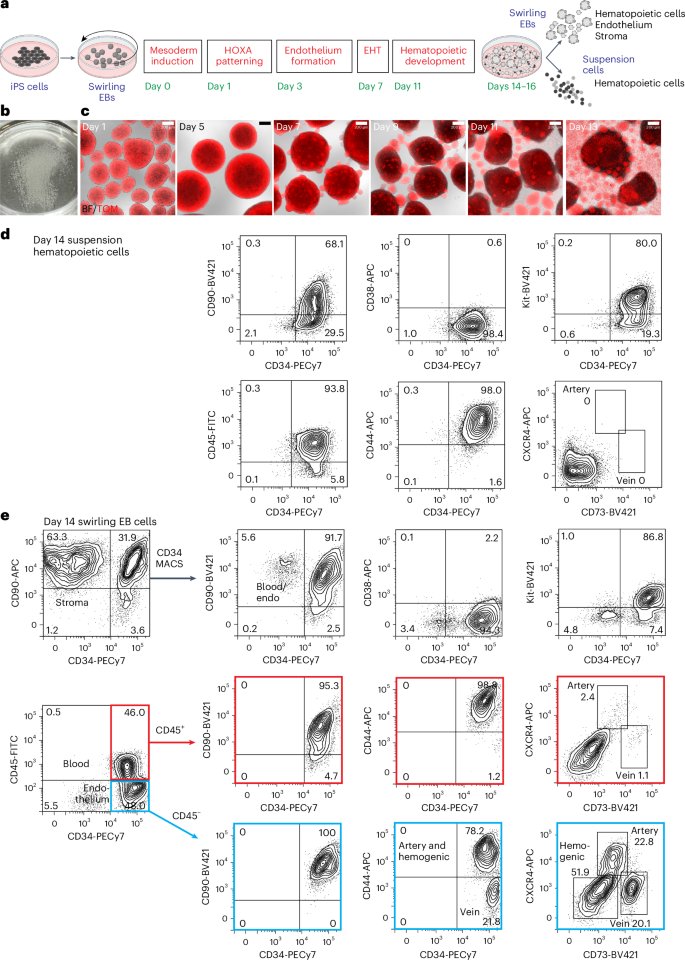
Big congratulations to Kirill Salewskij, who just successfully defended his PhD thesis „Engineering the next generation of human vascular organoids“! #PhDone 🎉
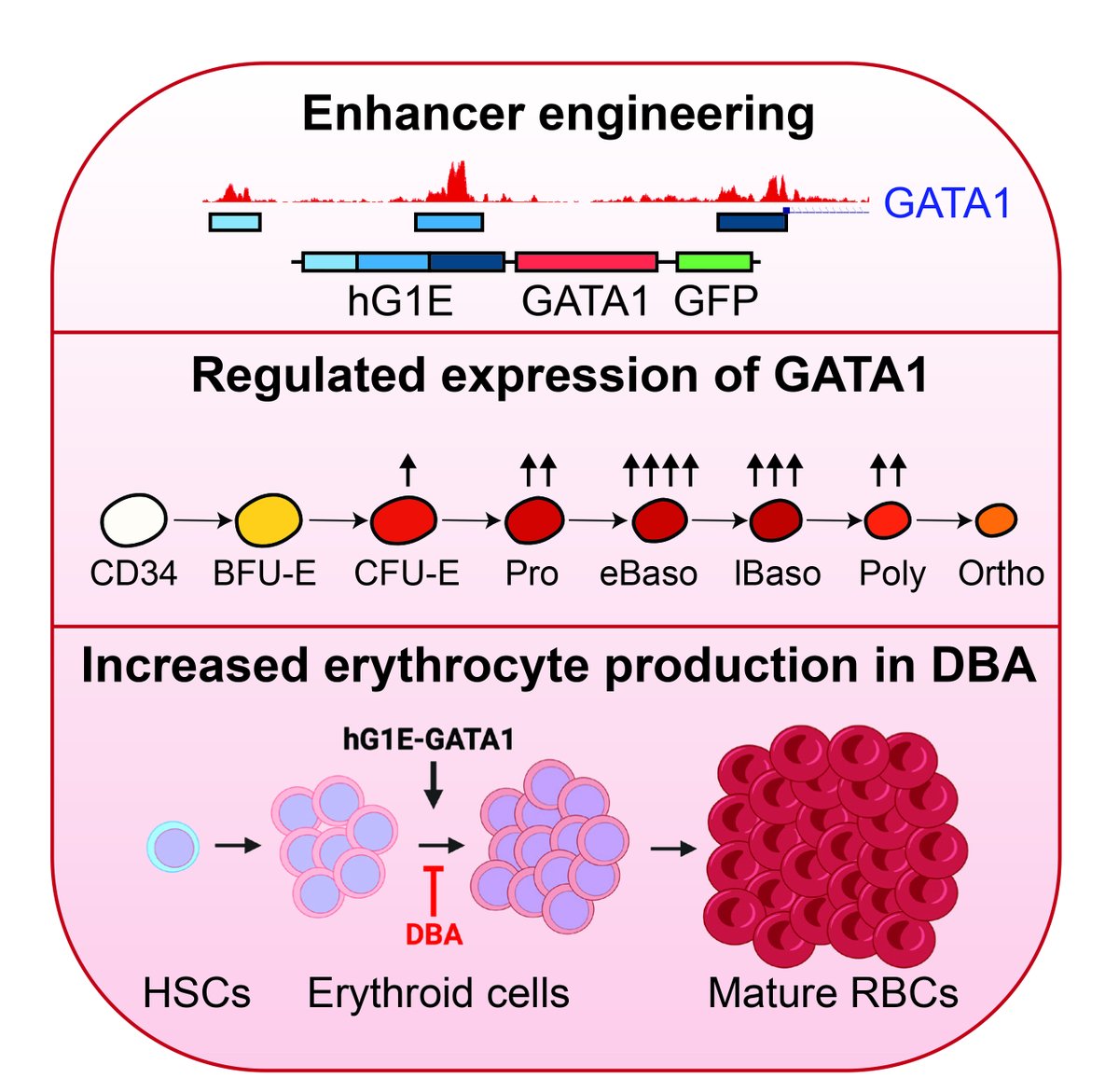
Delighted to have our preclinical study led by @RichardVoit on a universal gene therapy approach for #DiamondBlackfanAnemia by regulated GATA1 expression published in @CellStemCell today: https://t.co/Vkd7yfHHjH
Drs. William Dunn, Matthew McLoughlin, and George Vassiliou
give an overview of the spectrum of clonal hematopoiesis driver mutations, what is known about their pathophysiology, and how this informs the risk of incident myeloid malignancy.
https://t.co/1eJLt4lMki
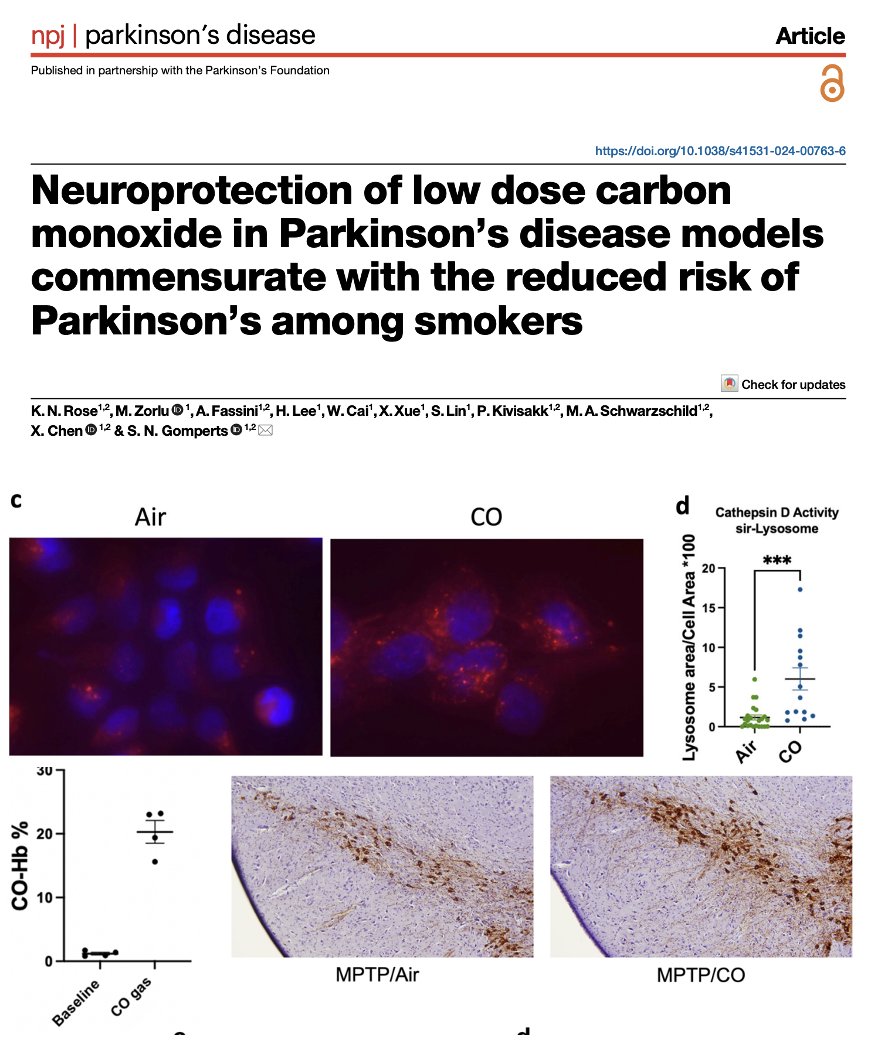
Why are smokers protected from Parkinson's disease? Have we been looking at the wrong element in smoke? Nicotine instead of carbon monoxide? Rose, Gomperts and colleagues @Nature Parkinson's Journal show that there was neuroprotection w/ low dose carbon monoxide in Parkinson’s models and showed it was similar to the reduced risk of Parkinson’s among smokers.
Key Points:
- We know that cigarette smoking is associated with a reduced risk of Parkinson’s.
-The authors wondered if carbon monoxide (CO) levels, which are modestly elevated in smokers, may contribute to neuroprotection.
- They used rodent models.
- Low-dose CO 'mitigated neurodegeneration and reduced αSyn pathology.'
- Then they gave the animals CO administration (by mouth) and this 'activated signaling cascades mediated by heme oxygenase-1, implicated in limiting oxidative stress, and in promoting αSyn degradation.'
- HO-1 levels in cerebrospinal fluid were higher in human smokers.
- They then looked in Parkinson brain samples and HO-1 levels were higher in neurons w/o αSyn pathology.
My take: WOW! I love the hypothesis and the series of experiments performed by this team. For years folks have been pursuing nicotine in animals and in human trials, however maybe low dose CO is the ticket? Will we see a trial? A lot to think about. Science is definitely fun. https://t.co/nDo4xgGvRs #parkinson #alzheimer #smoking
Three of my favorite papers published this week:
1. A mechanism for bacteria to create *new* repetitive toxic genes to kill themselves in response to infection (!!)
A map of mouse development from conception to birth tracks 12.4 million cells at single-cell resolution as they mature into organs and other tissues https://t.co/5IsJPNiXik
I'm struggling to wrap my head around the new Weissman lab myHSC depletion paper: https://t.co/nah0vxIU3R
The first authors don't seem to be on twitter but hoping I can crowdsource a fun discussion. @dbgoodman@ImmunoFever @Jeff_Mold @Satpathology@CalebLareau...
Incredibly excited to share our paper on the impact of partial reprogramming on neurogenic niches of the old brain (in mice)!!
Massive congratulations to first-author Lucy Xu and all the authors!! 🌟🙌🍾
https://t.co/AW3swSYsUF