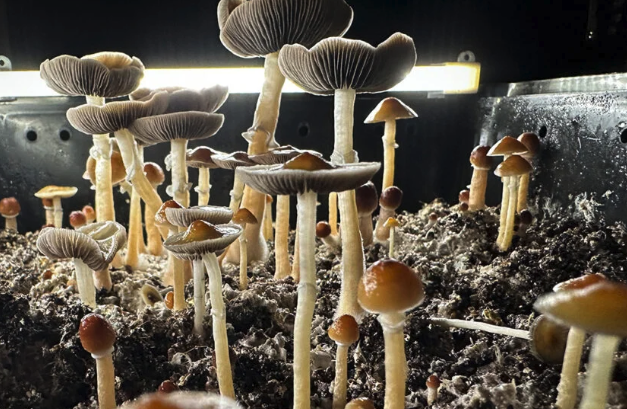
The most most clinically disregarded drug in the last 20 years - MAGIC MUSHROOMS (psilocybin)
Clinically backed use cases:
1. Treatment-resistant depression
2. End-of-life anxiety in cancer patients
3. Alcohol use disorder
4. Tobacco addiction
5. Early case-study signal in Alzheimer's
Mechanism:
- psilocybin activates 5-HT2A serotonin receptors and quiets the default mode network (Rigid patterns loosen)
- BDNF (your brain's growth factor) spikes
- New neural connections form
- Effects from one dose can last weeks to month
How to dose correctly and safely:
- A clinical or legally sanctioned setting, not recreational
- Trained therapist for preparation, the session itself, and integration afterwards
- Medical screening
- Set and setting matter as much as the molecule
The clinical results come from a controlled context
Exciting science
“Psilocybin, the psychedelic component of magic mushrooms, has previously been touted as an effective treatment for depression, anxiety, addiction, and PTSD — but now researchers say it has the potential to be used in Alzheimer’s intervention as well.
In this case study, published in Frontiers in Neuroscience, researchers focused on an 80-year-old Japanese American woman with Alzheimer’s. She had declined over the previous decade and was reduced to urinary incontinence, speaking in single syllables, and dependence on caregivers for mobility support and daily living.
She was then given a 5g dose of magic mushrooms.
During the initial phase, she was agitated, sweated profusely and entered a prolonged sleep state that suggested unconsciousness. But around hour 19, she began speaking in full autobiographical sentences, recalling life events she had been unable to articulate for years.
In the days and weeks that followed, more incredible changes emerged. She regained urinary continence, even in the evenings, and began dressing herself. She was able to make and maintain eye contact, remember social interactions, emotionally respond to others, and hold lucid conversations.”
Eating before bed raises your body temperature and heart rate, fragmenting your sleep
If you do need to eat before bed:
a short digestion walk flattens blood sugar spike and speeds up digestion
walking >
40% correct
“Frequent cold plunges downregulate thyroid” - the acute TSH change from cold exposure is very short and returns to baseline
“Raw cruciferous veggies burden thyroid” - the goitrogen concern applies only at very high intake in iodine-deficient individuals
“Chronic cardio downregulates thyroid” - directionally real in extreme endurance athletes with chronic caloric deficits. Dont apply to the average person
Lots of decent science on here though
Unfortunately, snake plants being able to purify the air in your house is a myth
The famous 1989 study was done in a tiny, airtight lab chamber
In a real house, you’d need about 10 plants per square foot to match an actual HEPA air filter
Buy snake plants because they look nice, not to purify the air lol
Follow for what the science actually says about popular health trends
@Hoostethics The oral minoxidil C-tier?
Oral outperforms topical in head-to-head data on coverage and regrowth - the delivery reaches every follicle, not just where you applied the dropper
side effects also mild
Average testosterone has dropped 20-25% across the male population since the 1980s
Seed oils, endocrine-disrupting chemicals, sleep deprivation, chronic stress, and sedentary behaviour are the primary drivers
BUT
For men with lifestyle-driven low T, there are plenty of interventions before deciding to jump on T
JUST IN: Hims launches injectable & oral testosterone replacement therapy, targeting a U.S. market where the company estimates nearly 20 million men suffer from low testosterone.
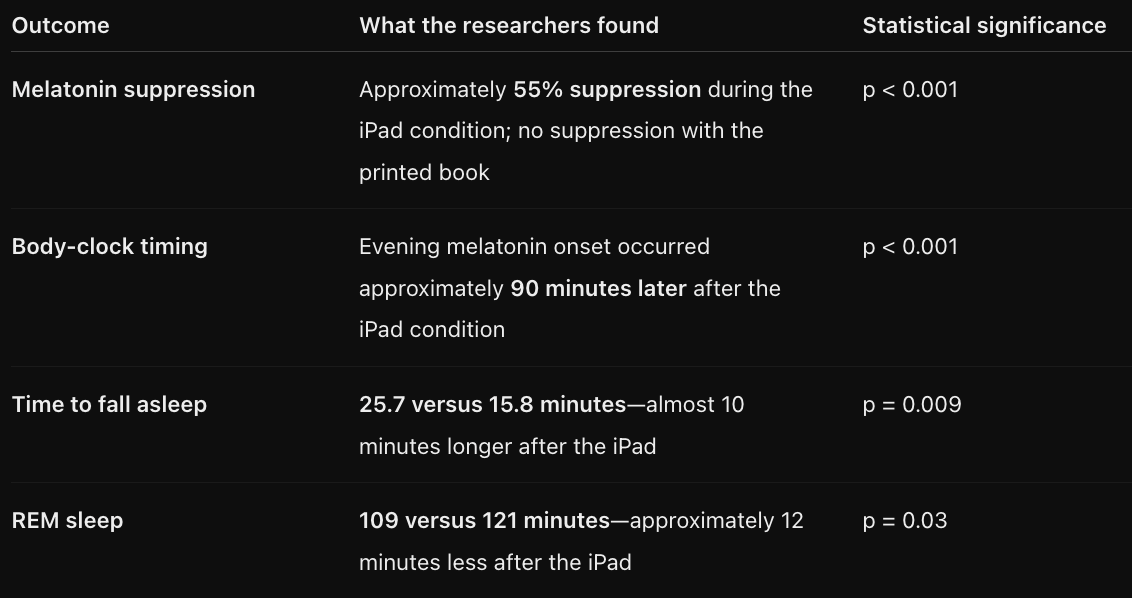
You can be in bed 8 hours and still wake unrestored because the timing of your sleep architecture is out of phase with your actual schedule
Your entire biological clock shifts
cortisol peak, growth hormone release, core temperature cycle
all pushed 90 minutes into the next day
Practical fix:
1. Screen off 90 minutes before bed
2. Night shift / warm display mode helps (reduces blue light by ~50% BUTnot 100%)
3. Blue light blocking glasses with orange lenses (not clear “blue light” glasses)
The 12 minutes of lost REM compounds across a week into nearly 90 minutes of missing memory consolidation and emotional processing
Reading an iPad at full brightness for 4h before bed suppressed melatonin by 55% (sleep and detoxification hormone), pushed the body clock 90 minutes later and left people sleepier the next morning compared with reading a paper book.
Bring back candle light reading xo
@TipOfTheBanana for brown rice rinsing removes surface starch only, nutrients stay
White enriched rice, rinse it and you’ve bought expensive starchy water with very little nutritional value lol
@kendrictonn What this paper shows is that endogenous GLP signalling is part of the gut’s native mucosal protection system
When that system is overwhelmed (as in celiac, IBD, or severe gut dysbiosis) exogenous GLP agonists can substitute for the protection that should have been there
3/3 🏃♂️ What can you do with this TODAY?
While full clinical age-reversal therapies are in development, you can manipulate your own epigenetic clock right now
Actionable steps to lower your biological age:
1. The 30-Gram Morning Rule
- High protein early in the day stabilises metabolic markers linked to rapid cellular aging
2. Zone 2 Cardio
- Sustained, low-intensity movement clears out cellular debris (autophagy)
3. DNA Methylation Foods
- Dark leafy greens, berries, and cruciferous vegetables provide the exact nutrients your body uses to keep its epigenetic software running glitch-free
1/3 🚨 BREAKTHROUGH:
Scientists just proved we can wind back the "cellular clock" by 60+ years
Researchers at the University of Bonn just took blood cells from an 80-year-old and reprogrammed them
The result?
Their molecular and epigenetic age signature dropped to under 20 years old
They didn't just slow down aging - they literally reversed it in the lab
Here is why this changes how we look at health👇
2/3 🧬 The Secret? Your Epigenetic Clock
Your DNA sequence doesn't change as you age, but how your body reads it does
Think of it like software accumulating glitches over 80 years
By tracking "epigenetic clocks" (the biological markers on our DNA) scientists watched these cells gradually reset their age signature
This means science is learning how to reverse age