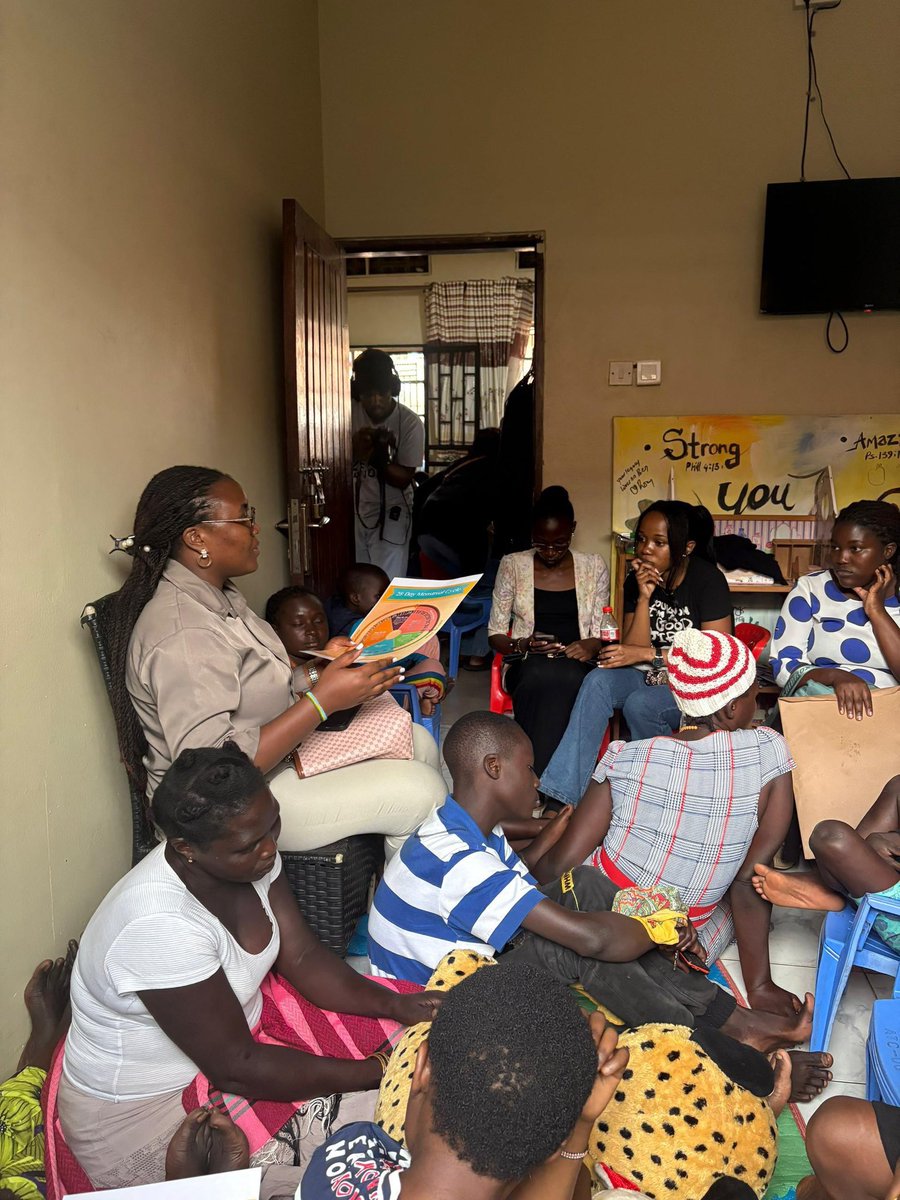
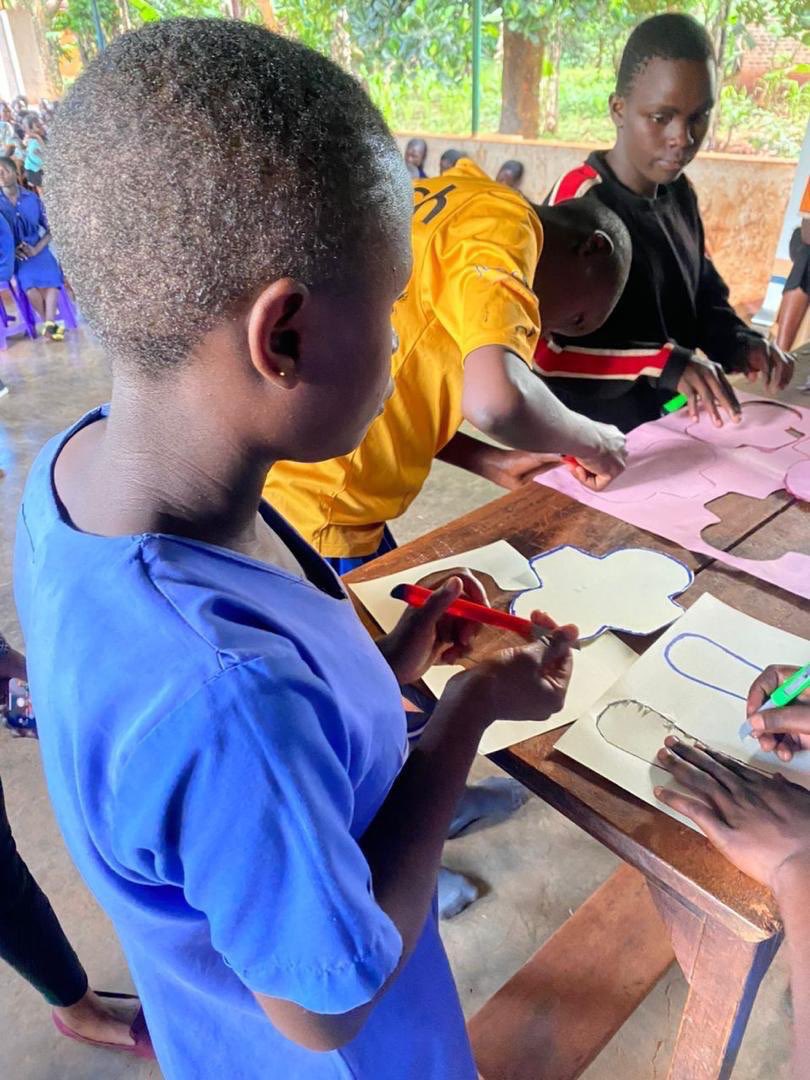
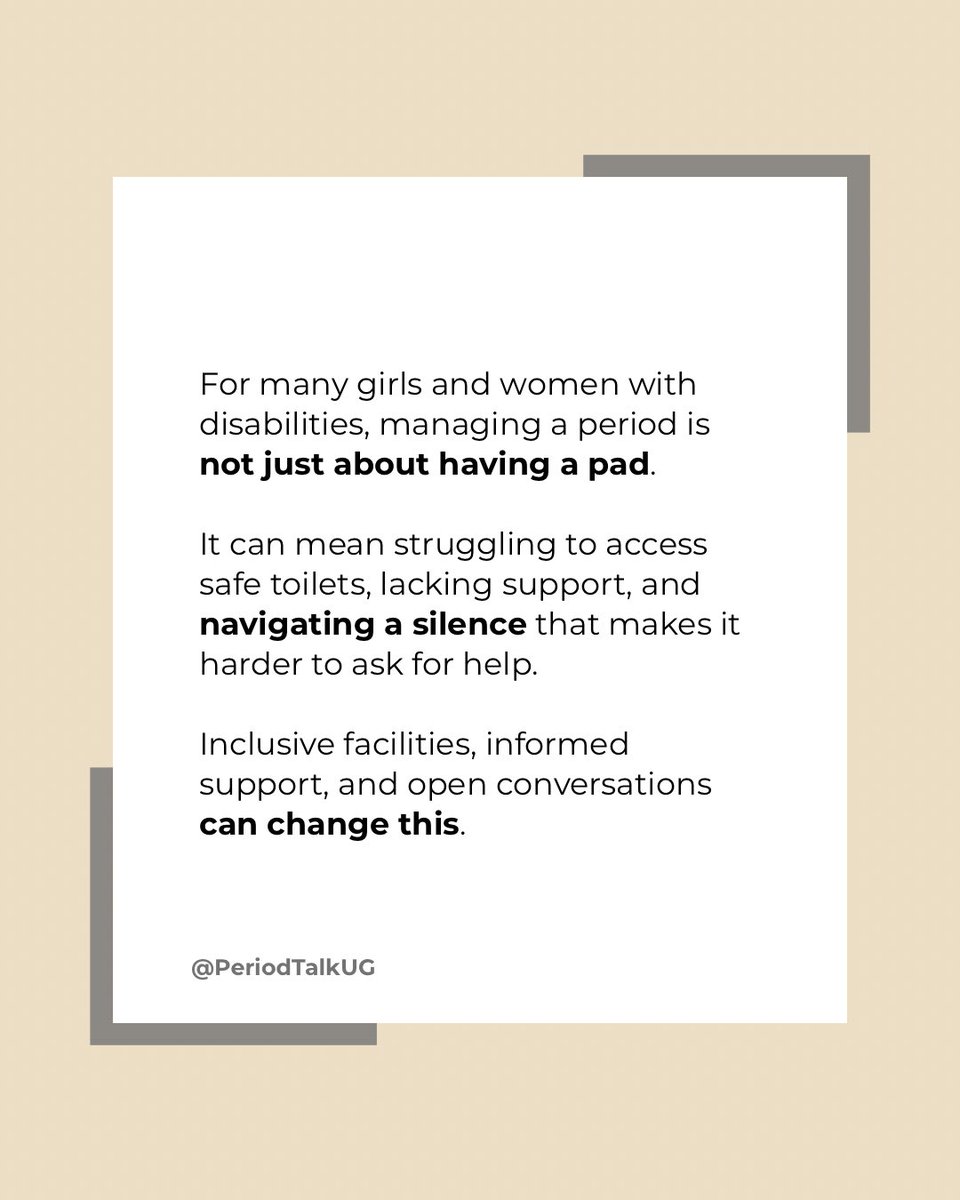
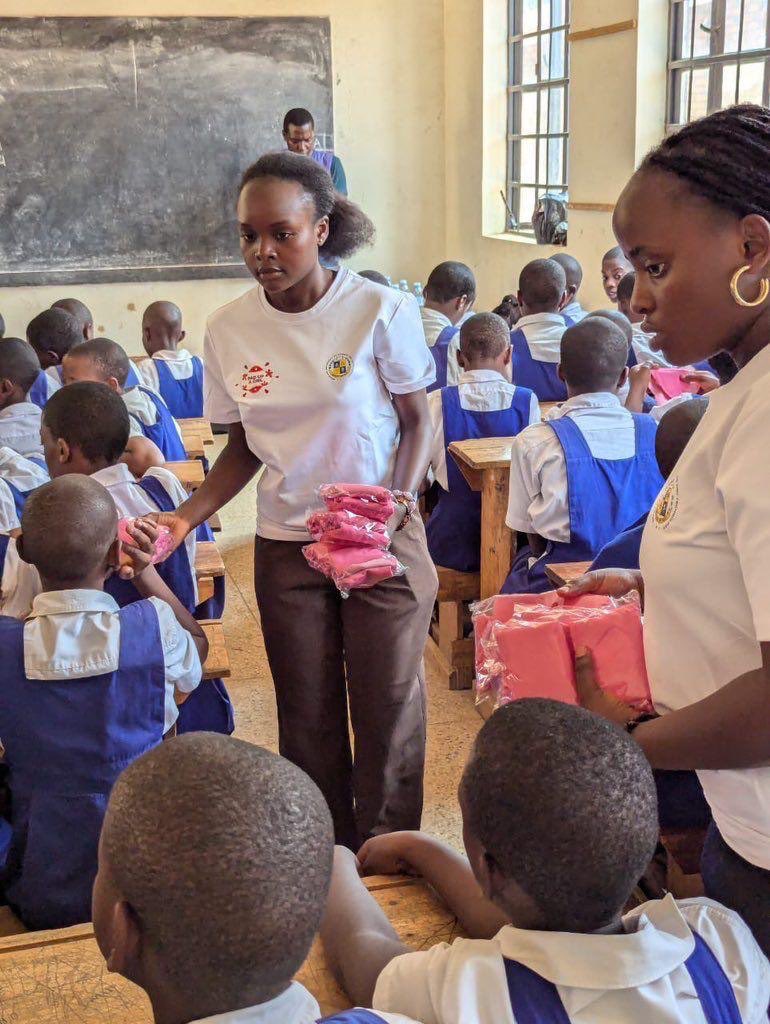
During one of our outreaches, a 14 year old girl told us she was engaging in transactional sex just to afford pads.
When she couldn’t, she used old rags, and missed school every month.
After our follow-up visit, she told us:
“Ever since you gave me reusable pads, I’m not staying home anymore. I’m also not engaging in sex for pads.”
This is the reality of period poverty in Uganda.
A lack of menstrual products doesn’t just affect hygiene, it affects education, safety, dignity, and a girl’s future.
So far, we’ve reached 5,000+ girls with sustainable menstrual products, menstrual health education, and the dignity every girl deserves, but thousands more are still waiting.
Our mission remains clear:
No girl should be sexually assaulted for basic hygiene.
No girl should miss school because of her period.
No girl should feel shame for something natural.
We will keep showing up until period poverty is no longer her story.
#EndPeriodPoverty #MenstrualEquity #KeepGirlsInSchool #DignityForHer
Today is #MenstrualHygieneDay and we want you to hear from the people who remind us why this work matters.
Sharon, 16, thought she was the only one struggling.
Resty, 14, believed her period defined her.
Immaculate, 21, was always left out of the conversation.
Nakato, 28, missed work every single month.
They were not failing.
The world was failing them.
Since inception, Period Talk Uganda has worked across communities with students, parents, market vendors, youth champions, and people too often excluded from menstrual health conversations because menstrual health belongs to everyone.
And the change is real.
Brian, 19, now speaks up when others stay silent.
Paul, 45, now ensures the girls in his home have what they need and are never ashamed.
That is what community led change looks like.
Today we recommit to a world where every girl and woman can menstruate freely and live fully.
For dignity. For equity. For every person.
#MHDay2026 #BreakingSilence #PeriodEquity #MenstrualHealth
Every girl deserves to be empowered to speak up for herself. Periods are normal, natural, and nothing to be ashamed of. Creating safe spaces for open conversations helps break stigma and builds confidence.@PeriodTalkUG We appreciate your efforts 🙏🏽
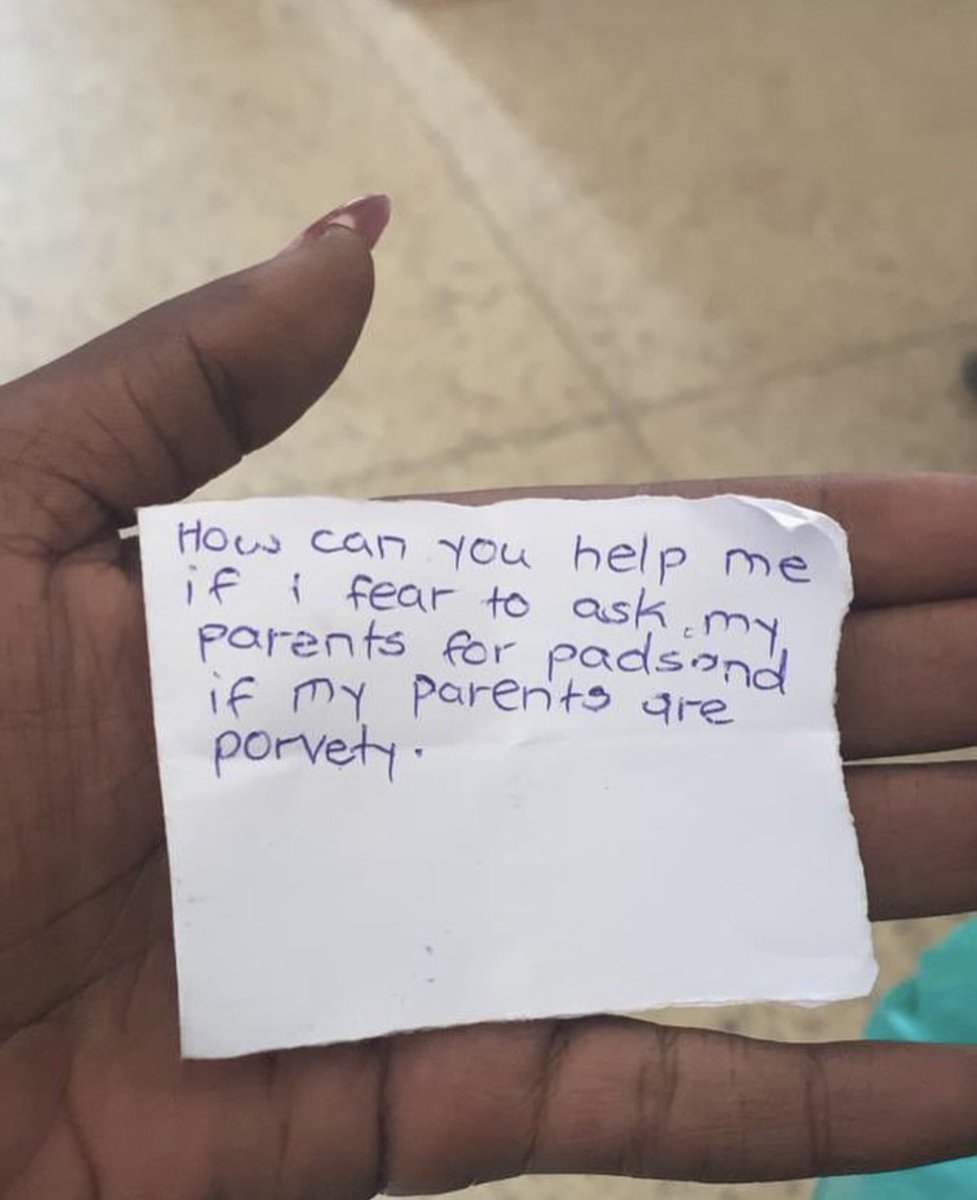
During one of our outreach sessions, a girl didn’t raise her hand, she folded her words into a piece of paper and placed it quietly into someone’s hand.
It read:
“How can you help me if I fear to ask my parents for pads, and if my parents are poor?”
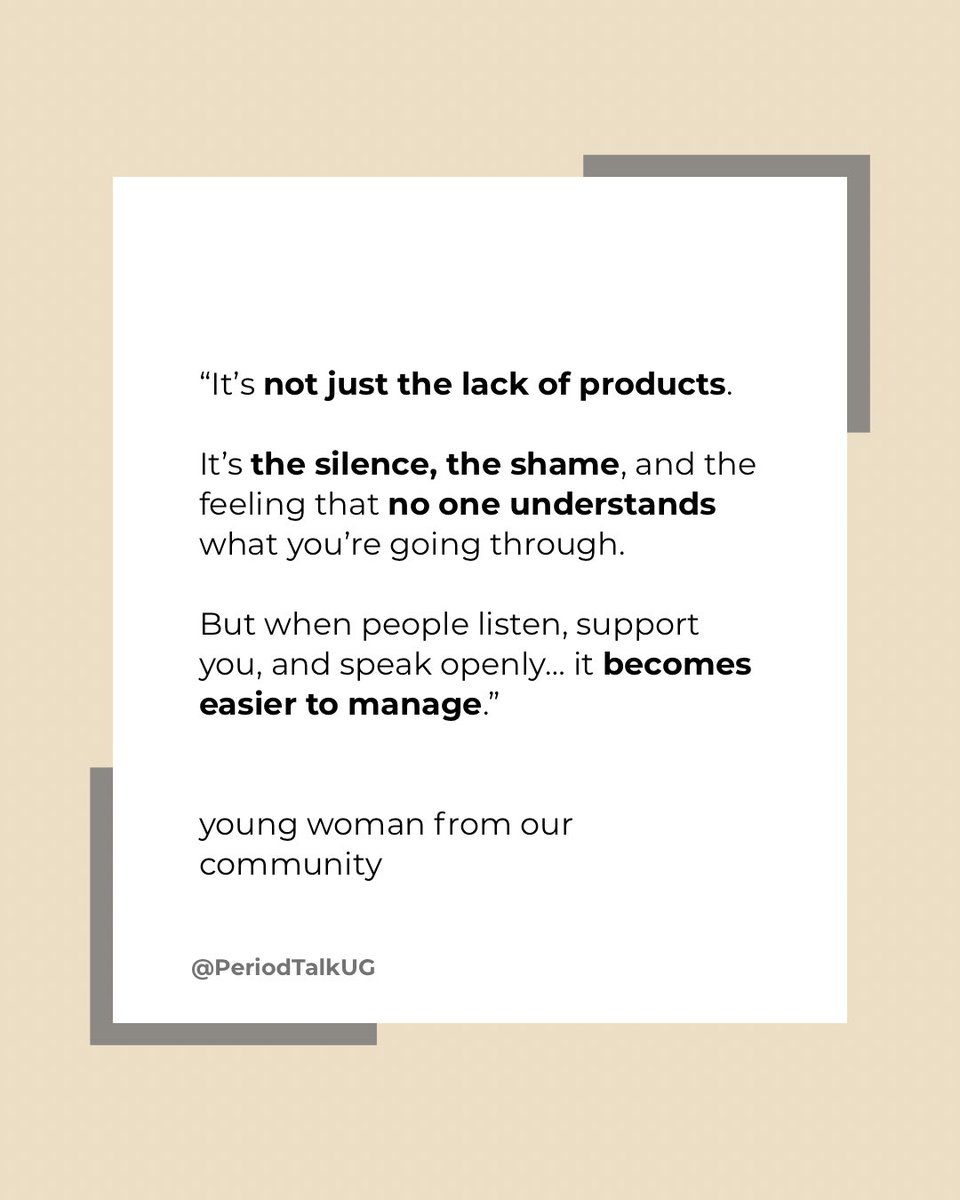
That note has stayed with us because this is what period poverty actually looks like.
Not just the absence of pads, but the silence that grows around it, the fear of asking, the shame of needing, the girls who disappear from classrooms quietly, hoping no one notices.
She didn’t ask for much, she asked to be seen in a world that had already taught her that her needs were too much to speak aloud.
At Period Talk Uganda, we show up for that girl.
The one who writes notes instead of raising her hand.
The one who stays home and says nothing.
The one who has learned to make herself small around a need that is entirely human.
We are building spaces where no girl has to fold her pain into a piece of paper just to be heard.
Because every girl deserves dignity, not silence. Let’s break the silence together.
#PeriodPoverty #MenstrualEquity #GirlsEducation #EndPeriodStigma
Sustaining progress in menstrual health and hygiene requires stronger financing, strategic investment, and collective accountability.
This conversation will explore donor perspectives on funding priorities, financing gaps, investment tracking, and sustainable menstrual health solutions that center grassroots organisations and changemakers.
#MHDay2026 #MenstrualJusticeforAll #PeriodFriendlyWorld
“For the first time, boys and girls sat in the same space and talked about menstruation without laughing. That changed something in our school.”
Thomas, Head Prefect
Menstrual stigma isn't just a girls' issue. It's sustained by silence, mockery, and exclusion, often from boys who were never taught differently.
When boys are excluded from the conversation, they become part of the problem. When they're included, they become part of the solution.
When boys learn, they stop laughing.
When they stop laughing, girls stop hiding.
When girls stop hiding, they stay in school.
Male inclusion isn't optional. It's essential to ending period stigma.
#EndPeriodStigma #MenstrualEquity
A period should only end a sentence.
Not a girl’s education.
Not her confidence.
Not her future.
Menstrual health is dignity. Every girl deserves to manage her period without shame.
#EndPeriodStigma#MenstrualEquity#GirlsEducation
Today the world says: Rights. Justice. Action. ✊🏾
For ALL women and girls.
At @PeriodTalkUG, we say: you cannot have rights, justice or action, if a girl is sitting at home every month because she has no pad.
A thread 🧵
#IWD2026#ForAllWomenAndGirls
For years, many women living with Polycystic Ovary Syndrome (PCOS) have struggled with delayed diagnosis, misunderstanding, or having their symptoms dismissed altogether.
The shift from PCOS to PMOS (Polyendocrine Metabolic Ovarian Syndrome) reflects a broader understanding of how this condition affects hormonal, metabolic, and reproductive health, not just the ovaries alone.
Language matters. Understanding matters. Better understanding can lead to earlier diagnosis, better care, and more informed conversations around women’s health.
At Period Talk Uganda, we believe women and girls deserve to be heard, believed, properly diagnosed, and properly cared for.
#PCOS #PMOS #WomensHealth
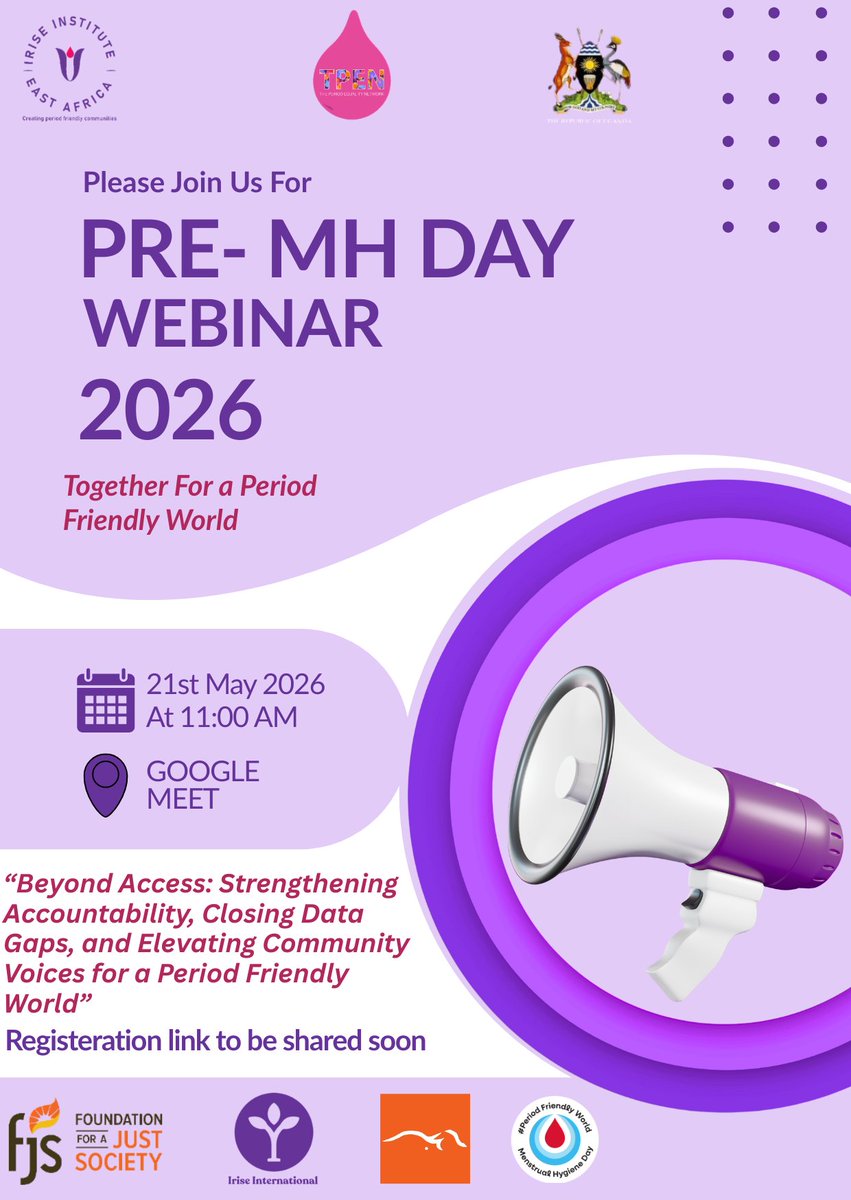
📢 SAVE THE DATE!
Join us for the Pre–Menstrual Hygiene Day Webinar 2026 as we bring together government, civil society, donors, grassroots actors, and young people to explore how we can move beyond access through accountability, better data, and amplified community voices in menstrual health.
Together, let’s build a #PeriodFriendlyWorld where women and girls live life unlimited by their periods.
🗓 21st May 2026
⏰ 11:00 AM- 1:00PM EAT
📍 Google Meet
#MHDay2026 #MenstrualJusticeForAll #PeriodFriendlyWorld
“When my period comes, sometimes I just stay home.”
For many girls and women with disabilities, this reflects a gap in how our systems and spaces are designed.
It’s not only about access to products, it’s about whether the environments around us support dignity, safety, and independence.
Are the facilities in our workplaces accessible?
In our schools?
In our health centers?
Inclusive menstrual health requires intentional design, informed support, and open conversations.
Inclusion isn’t optional, it’s essential to building systems that work for everyone.
#MenstrualHealth #DisabilityInclusion #EndPeriodStigma
Period poverty doesn’t affect everyone equally.
For many girls and women with disabilities, it’s not just about access to products, it’s about inaccessible toilets, lack of support, limited information, and navigating silence and stigma.
Inclusion in menstrual health isn’t optional.
It’s essential.
Menstrual health must be inclusive because dignity should never depend on ability.
Let’s build spaces where no one is left behind.
#MenstrualHealth #DisabilityInclusion #EndPeriodStigma
400 reusable pads distributed.
Men and boys using football to challenge period stigma.
This is what the #KickOutPeriodPoverty campaign looks like in Budondo.
In communities where girls have been forced to use soil, polythene bags, and old mattresses to manage their periods, menstrual health is not just a need, it’s urgent.
By using football as a tool for engagement, we are bringing men and boys into conversations that have long excluded them, shifting mindsets and breaking stigma at community level.
Aligned with SDG 3 (Good Health and Well-being) and SDG 5 (Gender Equality), this work goes beyond access, it addresses the social norms that keep girls disadvantaged.
We are scaling this model through sustainable solutions like local reusable pad production, ensuring long term, community led impact.
#KickOutPeriodPoverty #SDG3 #SDG5 #MenstrualHealth #EndPeriodPoverty
Day 1 of the Menstrual Health Symposium 2026 concludes. Convened by @UNFPAUganda in collaboration with @UNBSug under the theme Driving Standards and Policy Reform for Affordable Menstrual Products, Period Talk Uganda was proud to be in the room.
Today’s conversations made one thing clear: menstrual health challenges are systemic, and real change must be driven through policy, standards, and the communities most affected.
We show up in these spaces because the girls and women we serve deserve a voice at every table where decisions about their dignity are made.
Day 2 tomorrow. The work continues.
#MHSymposiumUG #MenstrualJusticeForAll #PeriodEquity
Fun fact 💡
Virginity has no medical definition, so menstrual cups and tampons can’t determine it.
The hymen isn’t a seal. It can stretch with everyday activities, and some people are born with little or no hymenal tissue, which is completely normal.
Accurate info matters 💛
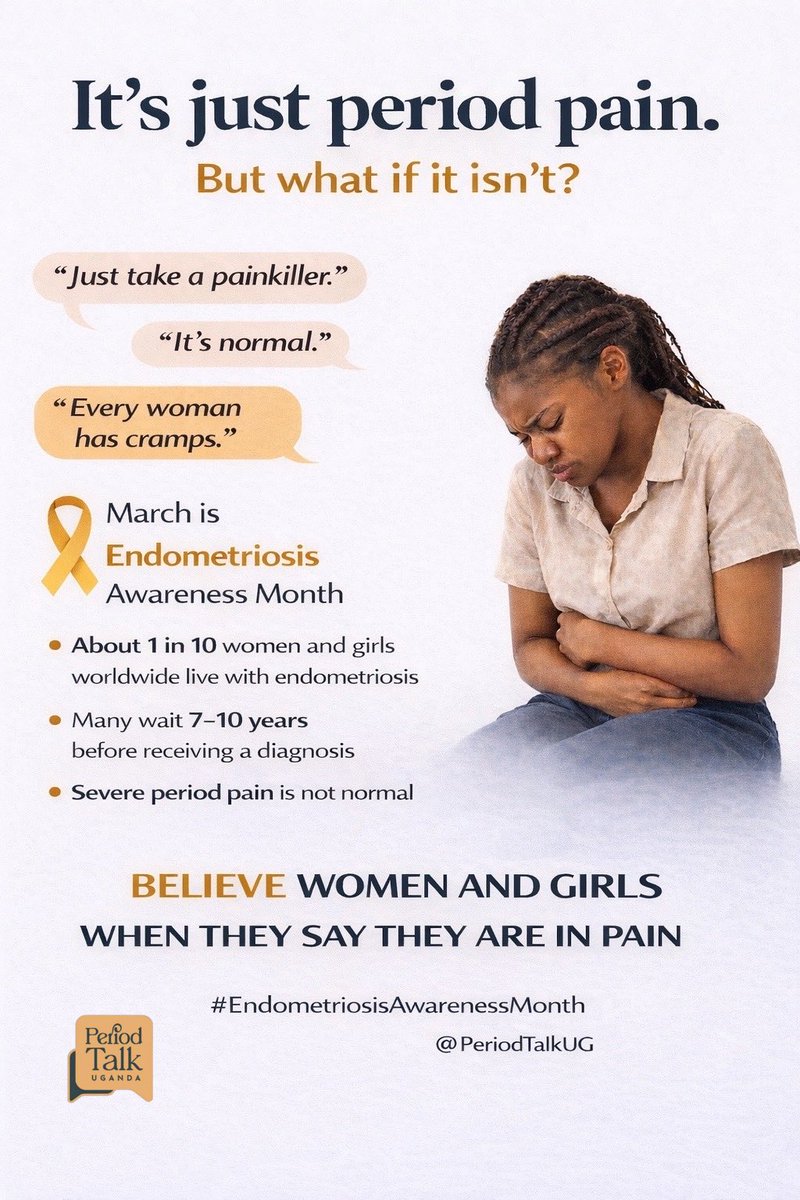
It’s just period pain. But what if it isn’t?🎗️
Every month, women and girls are told their pain is normal, regardless of the severity.
That it’s “just cramps.”
That they’re being dramatic.
But at least 1 in 10 women and girls worldwide live with endometriosis, and many wait 7–10 years for a diagnosis.
Severe period pain is not normal.
This March, during Endometriosis Awareness Month, let’s listen, learn, and believe women and girls when they say they are in pain 💛
#EndoAwareness #EndometriosisAwareness #PeriodHealth
At Period Talk Uganda we are committed to creating a period-friendly world where menstruation is not a taboo topic, where there is access to proper menstrual health and hygiene management to all women and girls.
https://t.co/761wPWc4XL
#EndPeriodPoverty#EndPeriodStigma
PERIOD POVERTY + DIGITAL VIOLENCE = DOUBLE HARM.
When girls can’t afford menstrual products:
• They miss school
• They’re vulnerable to exploitation
• They face online mockery and harassment
• Their stories are weaponized against them
Digital safety is menstrual equity. Gender equality includes period dignity.
#16DaysOfActivism #EndPeriodPoverty #GenderEquality #EndPeriodStigma