A society of phage researchers located in Copenhagen and the south of Sweden. Here we will post events and participate in the dissemination of phage knowledge.
More BIG NEWS 🚨
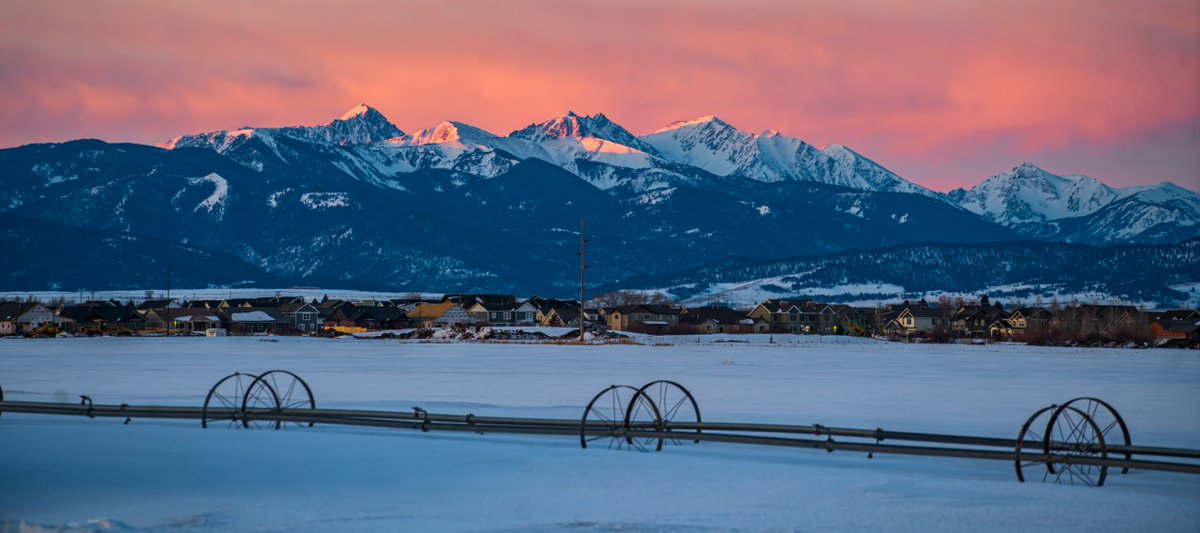
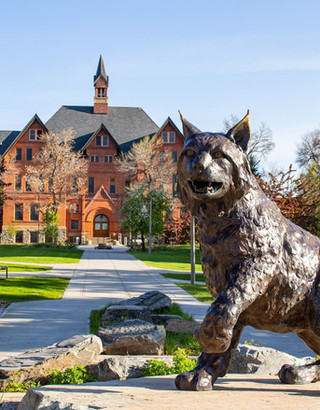
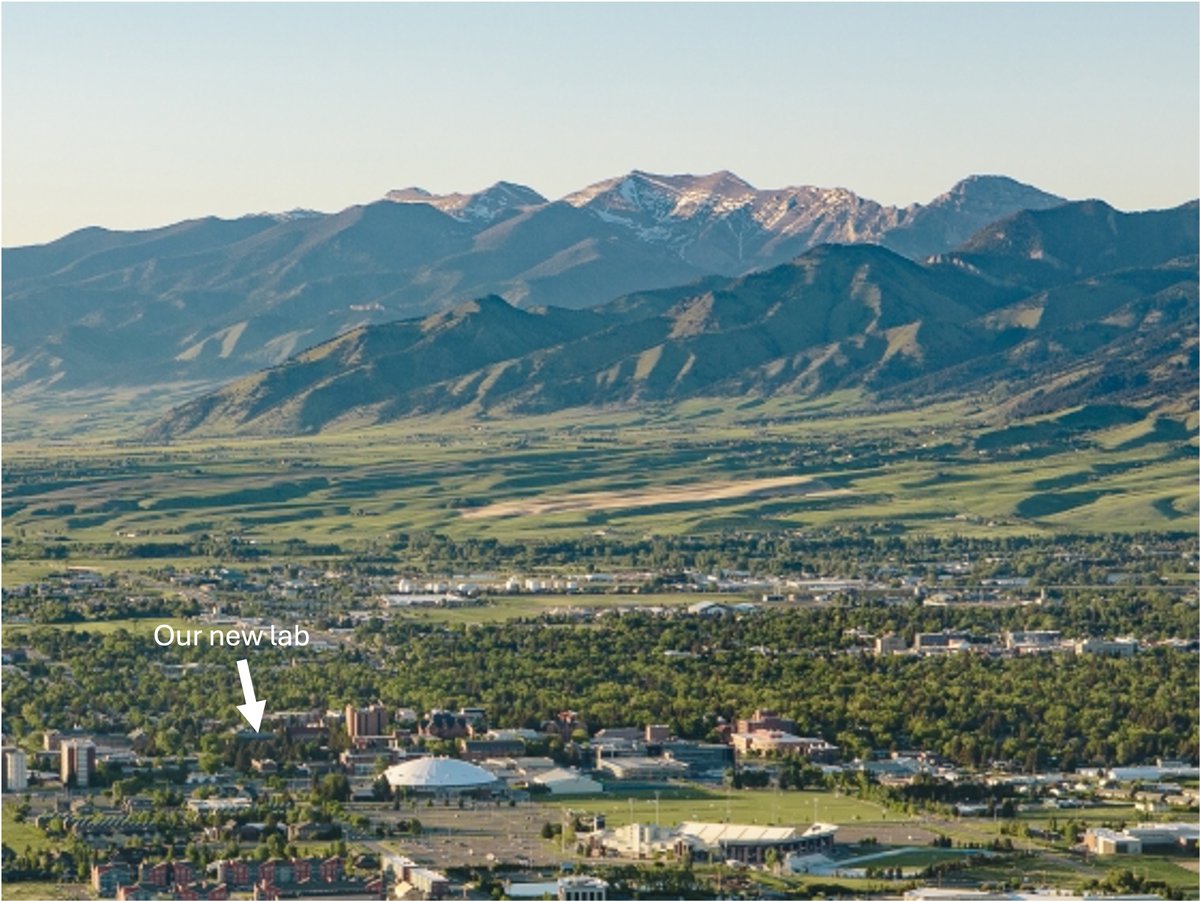
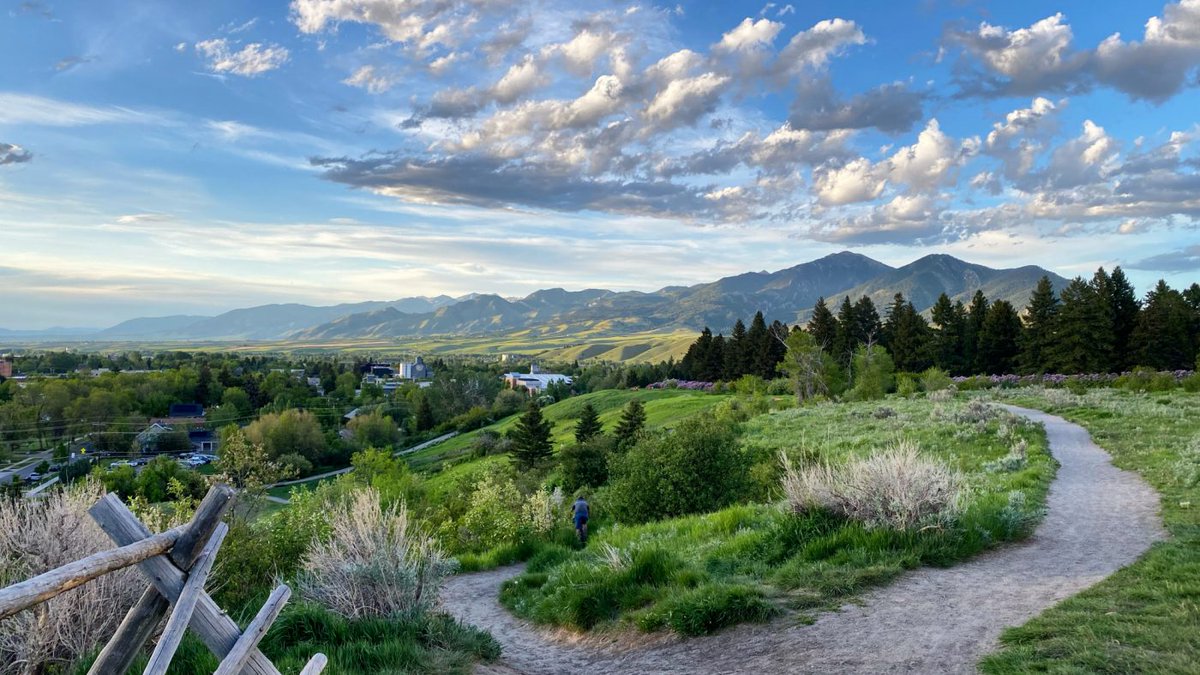
I am super excited to share that my lab has relocated to the Dept of Microbiology & Cell Biology @MSU_MicroImmuno at @montanastate in Bozeman, MT.
We will be looking to recruit scientists at all levels. Get in touch if you love phages, microbes, & mountains.
tax_myPHAGE, a script for classifying your double-stranded DNA phages. It assignin taxonomy to phages at the genus and species levels following ICTV standards. Determines the closest relatives of a query within the ICTV-classified genomes. https://t.co/B9zbzS9BOM
PenguiN, our viral metagenomics assembler, just got accepted at BMC Microbiome!
In contrast to the standard de Bruijn graphs assemblers, it uses all-vs-all alignment in linear time to merge reads. This allows it to often resolve severalfold more strains than dBG assemblers.
The second one
Retron-Eco1 assembles NAD+-hydrolyzing filaments that provide immunity against phages
https://t.co/cGjNf3eW88
This retron RT produce multiple ssDNA pieces essential for trapping a NAD+ hydrolysing toxin, which is then released upon phage entry.
For the grand finale, Feußner explained how the phage aca2 works on both transcriptional level but also on the posttranscriptional level via stem loops in the 5’-end.
Phage anti-CRISPR control by an RNA- and DNA-binding helix–turn–helix protein
https://t.co/49g4aQwGPc
All three studies are available:
The first one
Structure and mechanism of Zorya anti-phage defense system
https://t.co/6CtjY8An91
The membrane associated ZorAB bears resemblance to the rotary flagella motor and is able to sense cell envelope damage -> recruit ZorC and -D
First @NMITaylorLab explained how the Zorya defence is assembled upon phage entry, then @rafapinilla92 explained how retron filaments cage and release effectors, before Maximilian Feußner took us through fine-tuned regulation of anti-CRISPRs!
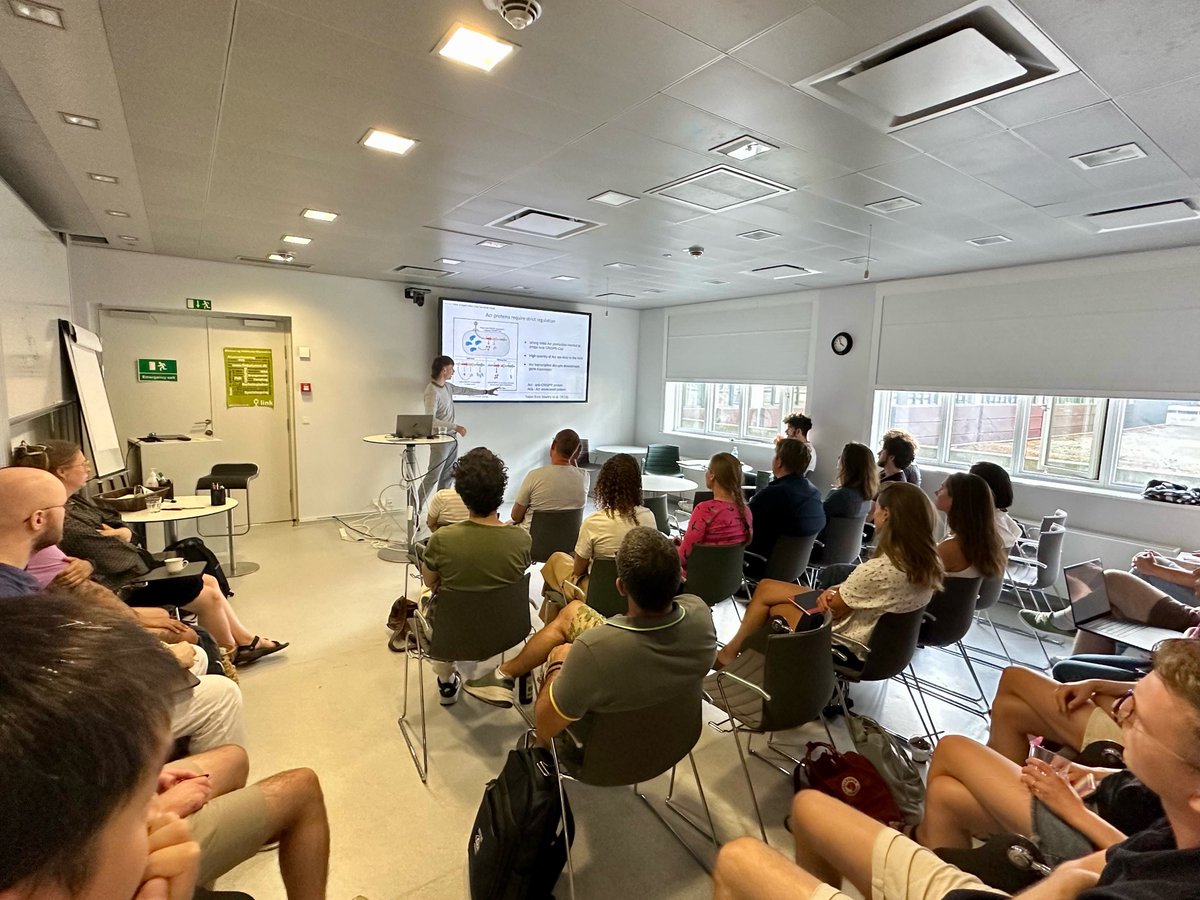
It has been a while since we posted. But in context of Maximilian Feußners visit in Copenhagen we held a seminar on phage defences.
For this we had 3 wonderful talks which is highlighted in a 🧵 below.
@gaygirlinalep @bentpetersen@TSPKU@Globe_UCPH Hi, no unfortunately this event is planned as in-person. If it gets recorded though, we will let you know.
We are very pleased to announce the next event in our network. The 23rd of February @bentpetersen and @TSPKU will introduce their work on computational biodiscoveries at @Globe_UCPH . More info and sign up at https://t.co/rxkiExdFdJ
Finally at 1 PM, the day will end with Sarah Camara defending her PhD thesis, which is entitled CRISPR-Cas repurposed: Defense and counter-defense on mobile genetic elements.
Anybody interested in joining us in Lund? Many antiphage projects, wet lab with me or dry lab with @gem__atkinson - or combine both? And you can freeze some cryo-EM grids in our corridor if you wish to...
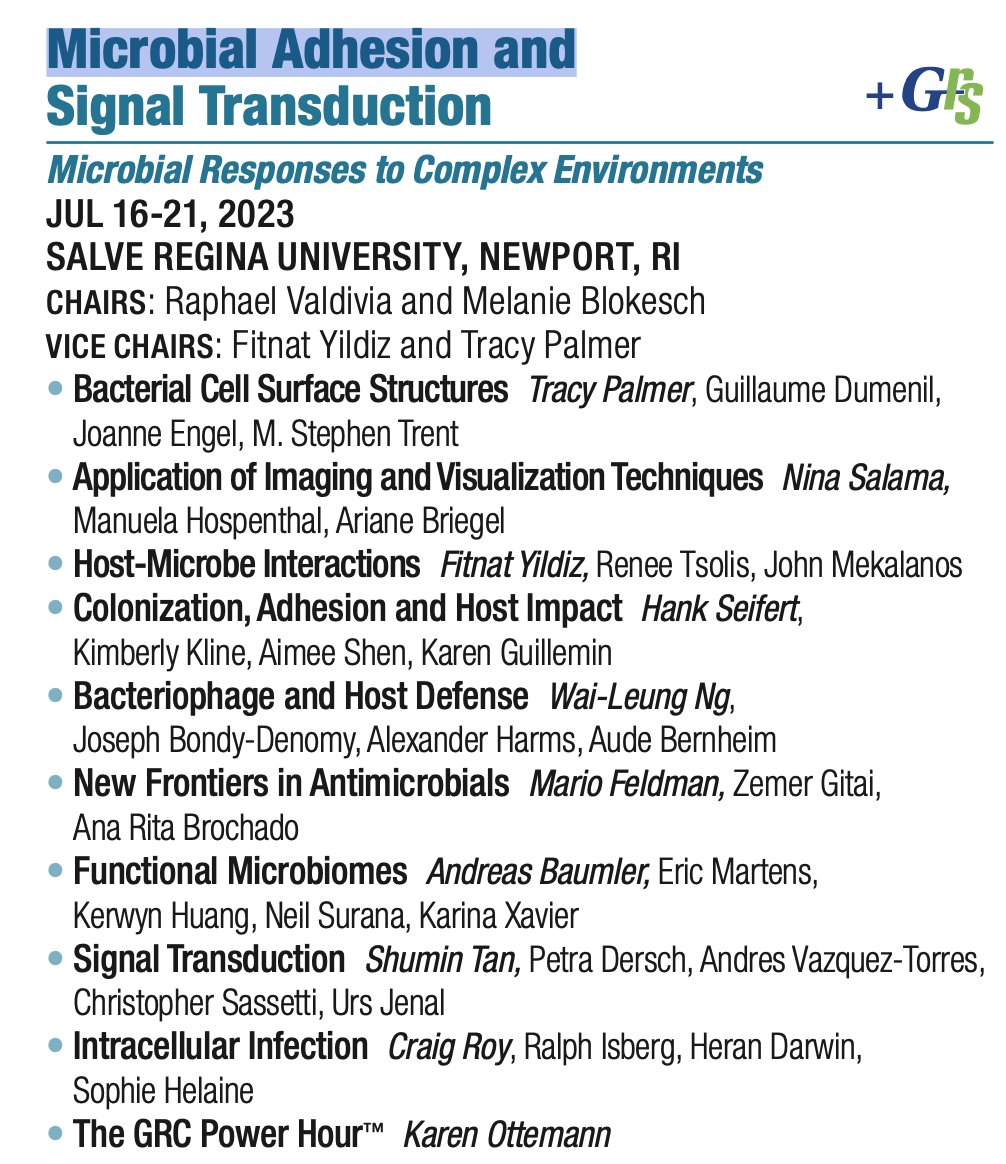
Reminder: it's still possible to apply for GRC (&GRS) Microbial Adhesion and Signal transduction for this July in beautiful Newport, RI (filling up quickly!).
To be considered as participant, don't forget to add an abstract. Going to be a great meeting 🤩
https://t.co/B6jPgVAxeg
In a new preprint, @phagemuffin (@UniBasel_en) etal describe a #phage, able to kill dormant, antibiotic-tolerant bacteria. They suggest this phage hijacks weak spots that could be exploited for the development of new treatments against resilient bacteria https://t.co/qAR2wstEJM
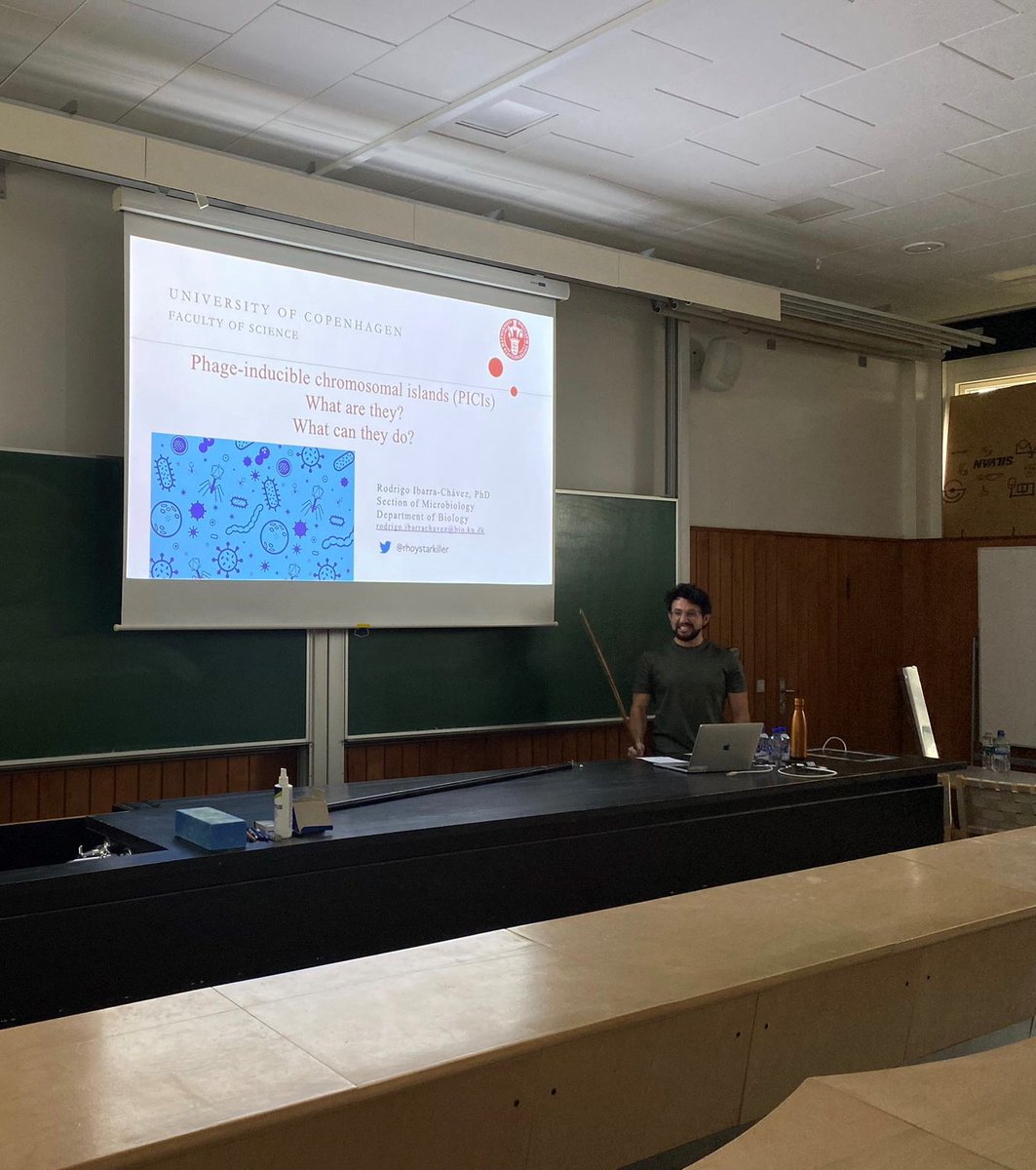
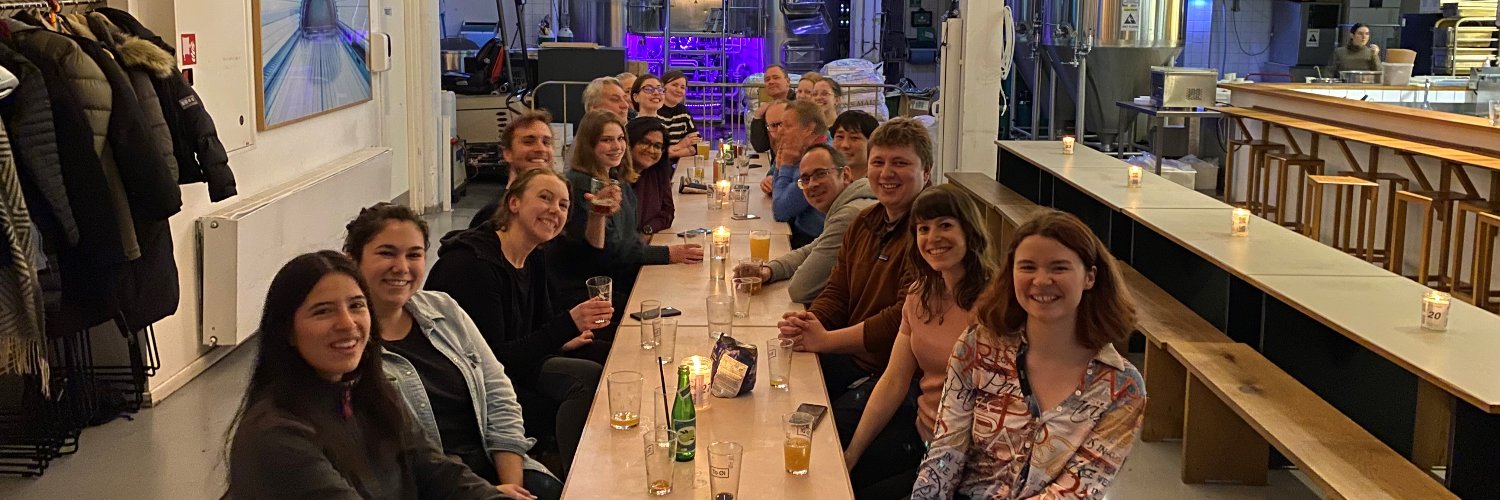
Thanks to all of you attending the first @PhageNetworkCPH seminar yesterday! And of course thanks to @rayenleonq and @RhoyStarkiller for introducing the fascinating world of filamentous phages and PICIs :)