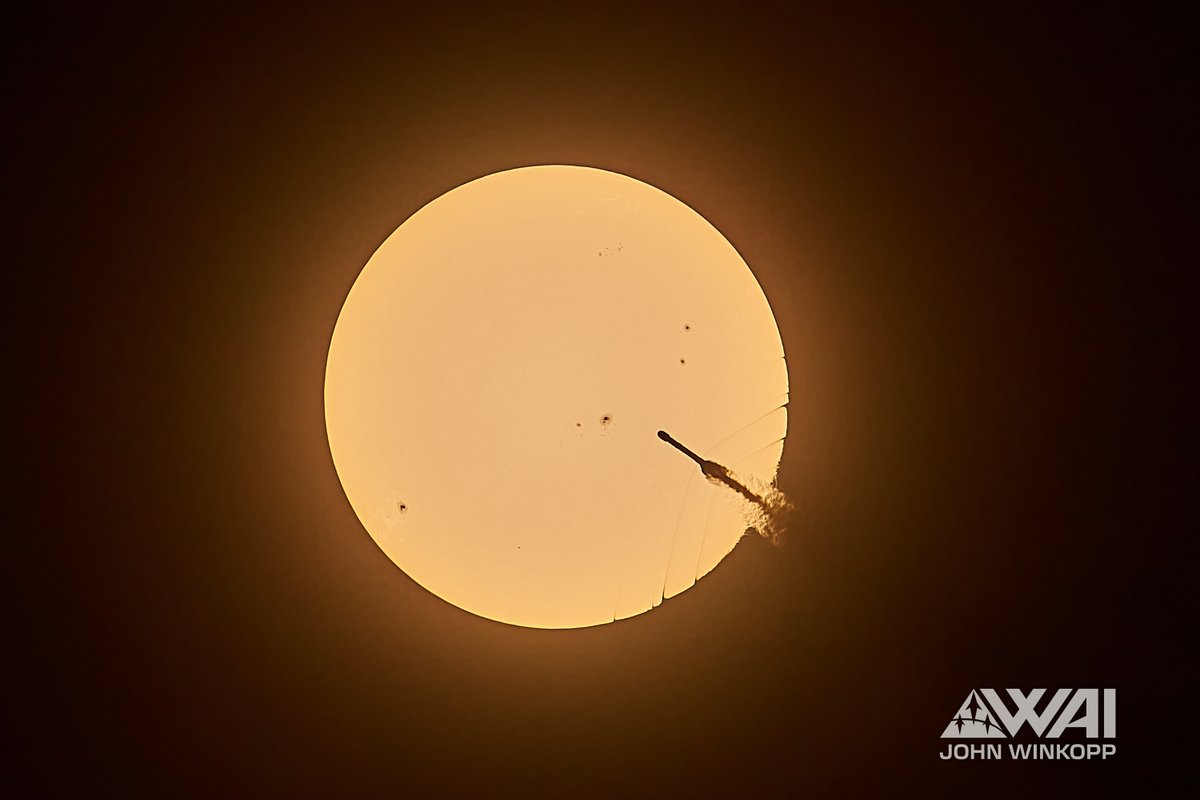
I took 1.7 million photos over 6 days to catch this photo of a commercial jet in front of the sun.
The moment it happened, TWO floating prominences were visible, making this not just my best aircraft transit photo, but one of the luckiest of my career! Videos of the transit 👇
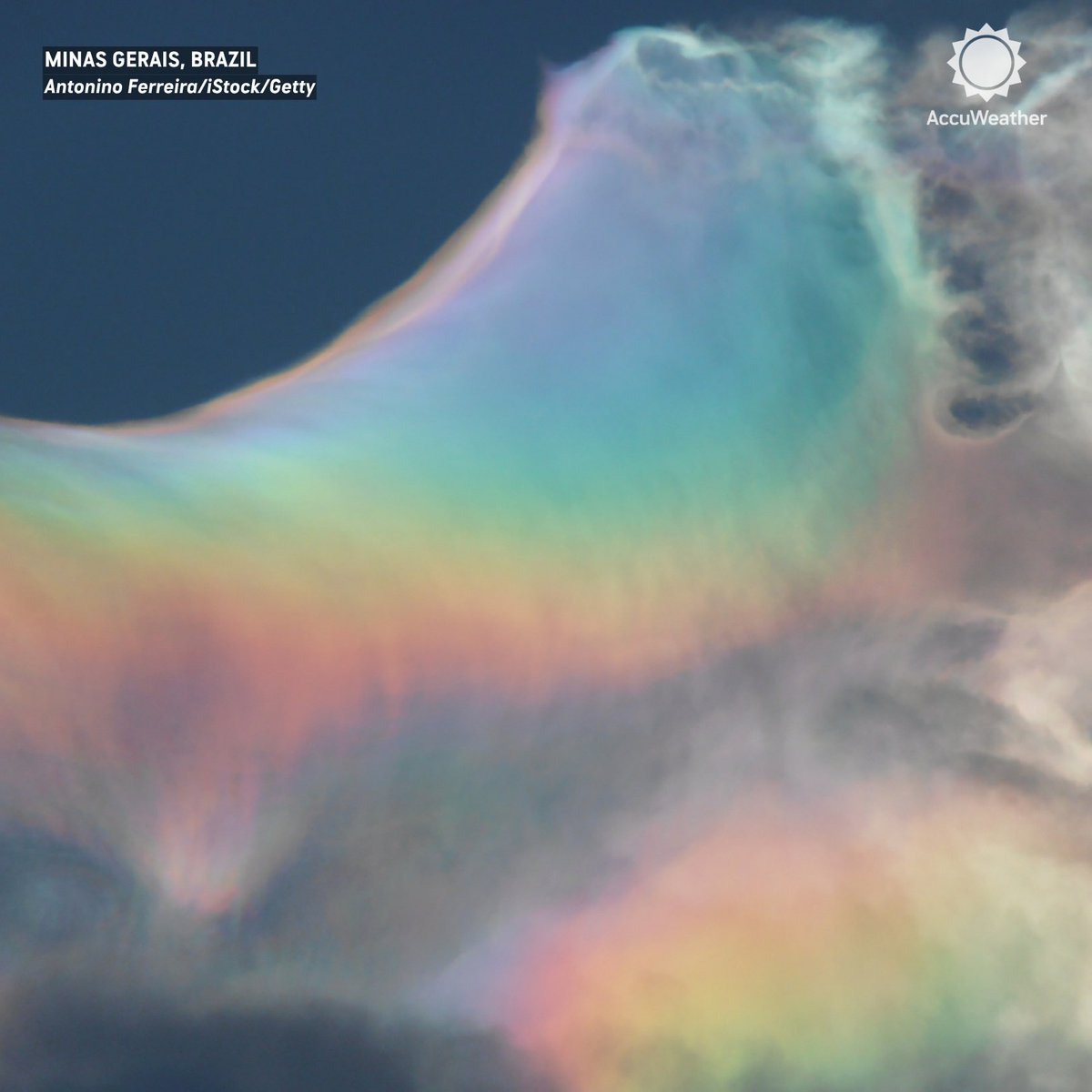
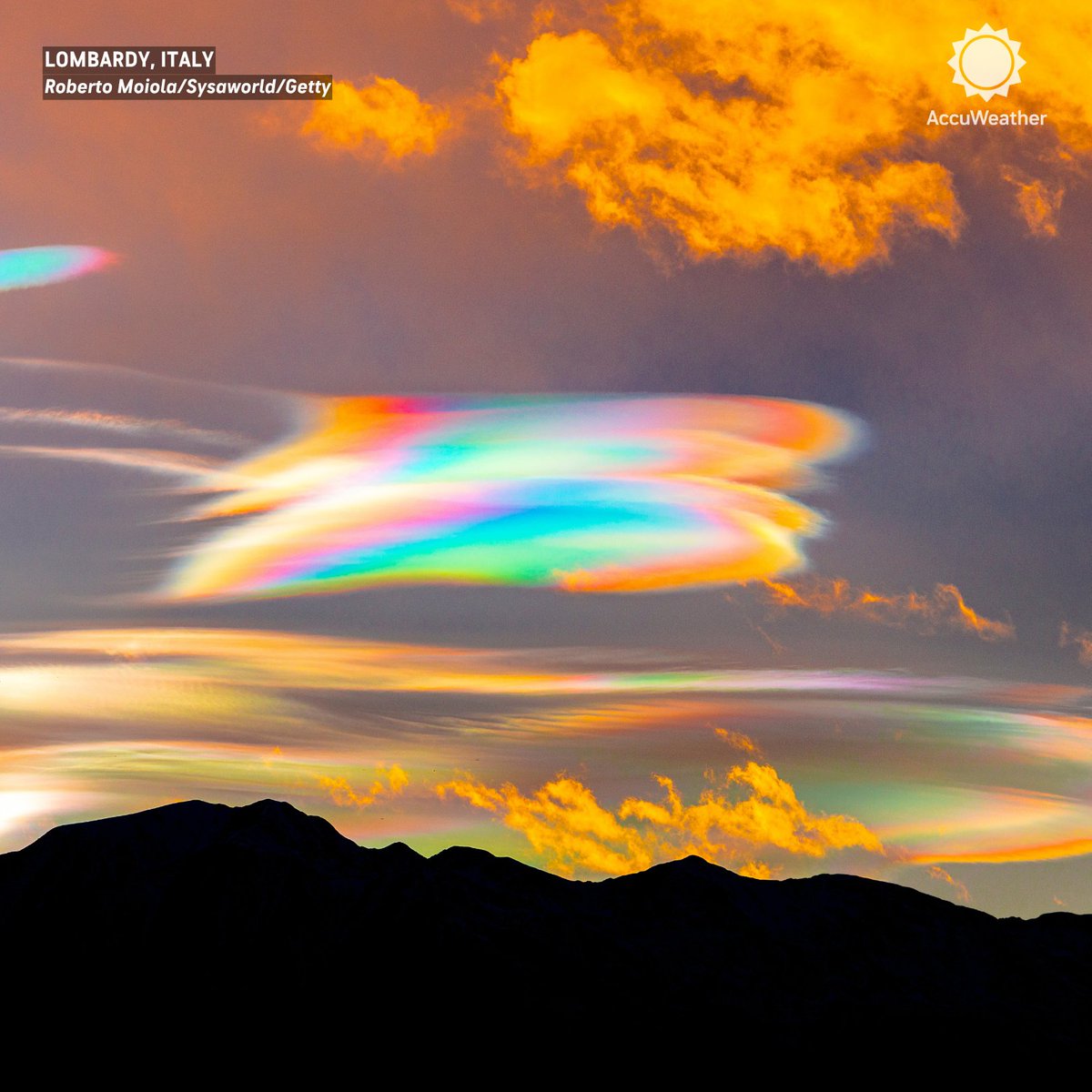
A brightly colored cloud was filmed over Bogor, Indonesia, this week, sparking conversations on social media as to its cause.
Somewhat rare, the atmospheric phenomenon that causes these rainbow colors is called cloud iridescence. https://t.co/IAo7I5N2hx
A photographer who has driven Route 66 over 40 times has had eight of his photos printed on United States Postal Service stamps.
https://t.co/jUIPXkOIs2
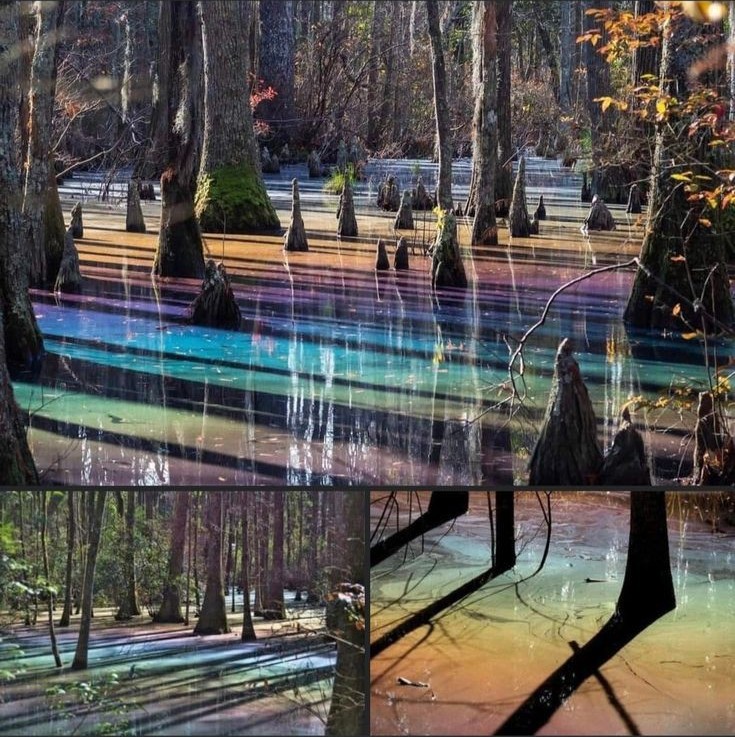
Rainbow swamps happen in First Landing Park, Virginia when the bald cypress trees drop their leaves in the Autumn; they begin to decompose in the swamp.
When hit at the right angle by the sun, it gives off this prismatic reflection, and the longer the water goes undisturbed, the stronger the effect becomes.
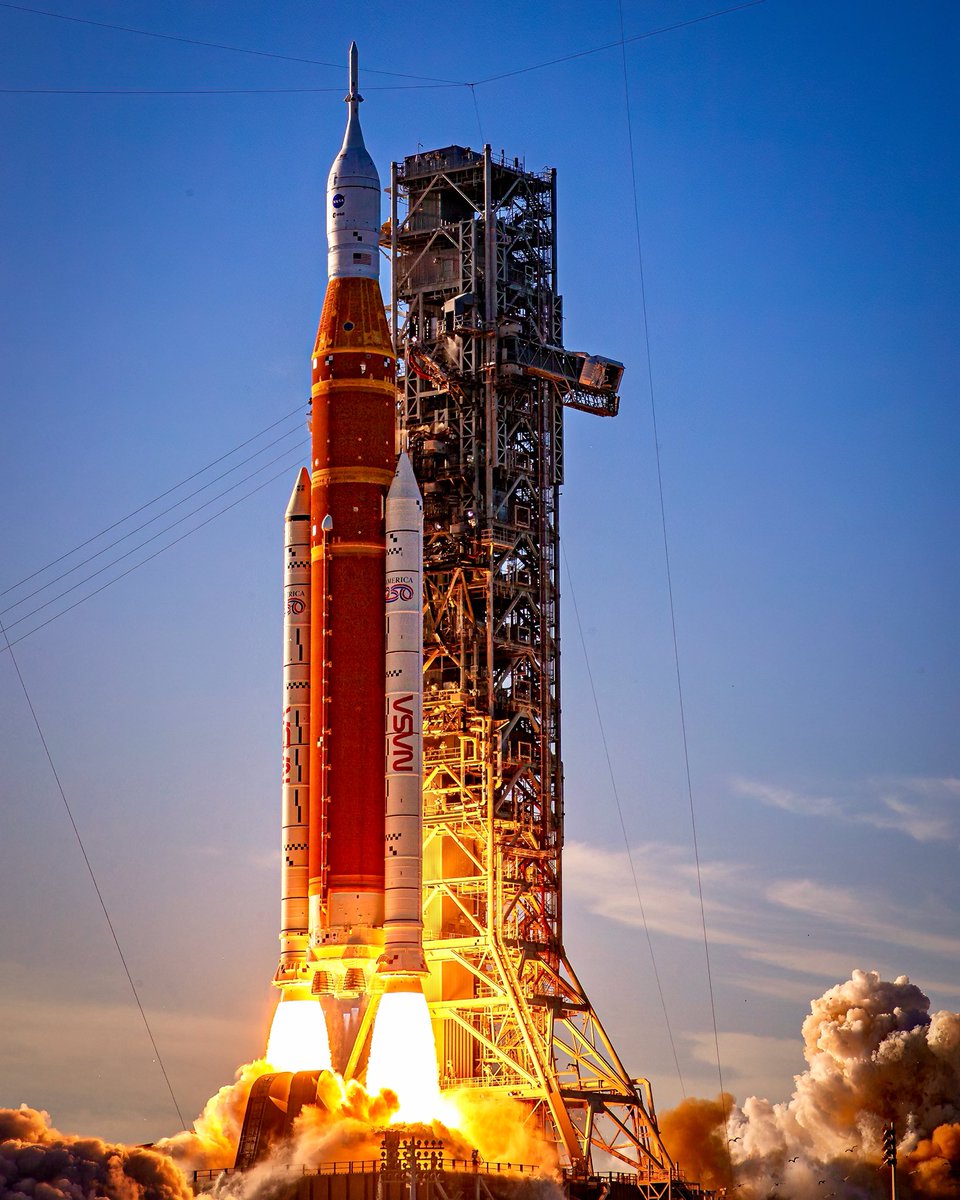
This is the shot you can’t get from the press site. This camera was sitting a few football fields from the SLS rocket at Pad 39B for days before launch, baking in the Florida sun, surviving rain, humidity, and whatever else the Cape threw at it. No photographer behind the viewfinder. Just a camera, a sound trigger, and a bet.
The way pad remotes work: you set your camera up days in advance, dial in your composition, lock everything down, and walk away. You don’t touch it again until after the launch. The shutter fires on sound activation
with a @MiopsTrigger smart+ trigger. With SLS, the four RS-25 engines ignite six seconds before the solid rocket boosters, so the camera is already firing before the vehicle even leaves the pad. You get home, pull the card, and find out if you nailed it or if a bird landed on your lens two days ago and left your a present and you got 400 photos of soemthing crappy.
There’s no formula for protecting your gear this close. Some photographers build wooden boxes with doors that pop open. Some use plastic bags and tape. Some do plastic or metal barn door rigs on hinges. I tend to leave mine open just in plastic rain covers because boxes limit my composition and setup time, but that means your cameras are more exposed to the elements and whatever energy and debris comes off the pad. You’re basically gambling a camera body every time you set one.
That’s what I love about this genre. There’s no playbook. You make it up as you go. Every time is an adventure.
📸 credit: me for @SuperclusterHQ - Artemis II pad remote | ~1,000 ft from Pad 39B | Kennedy Space Center
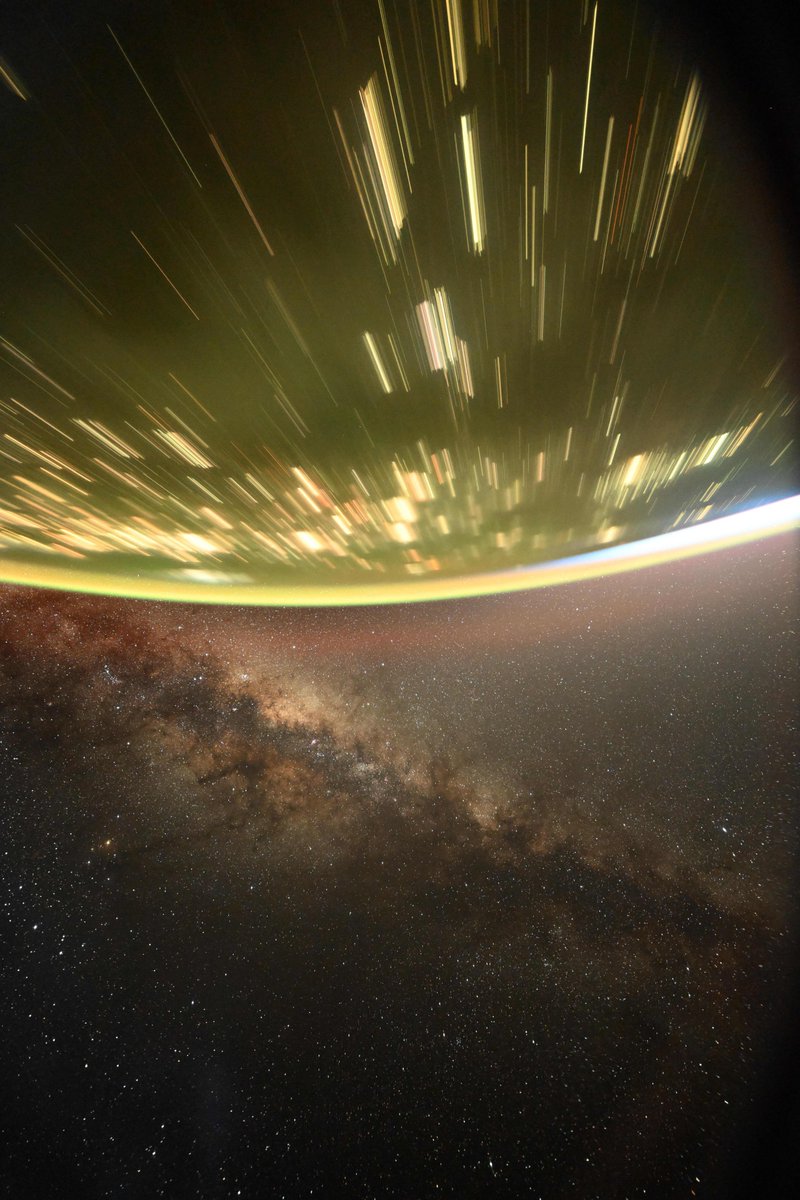
The Milky Way as seen from @Space_Station, with stars as points, rising sun, and cities as golden streaks below.
Taken with Nikon Z9, Sigma 14mm f1.4 lens, 15 seconds, f1.4, ISO 6400, with homemade orbital sidereal drive to compensate for orbital pitch rate (4 degrees/min)
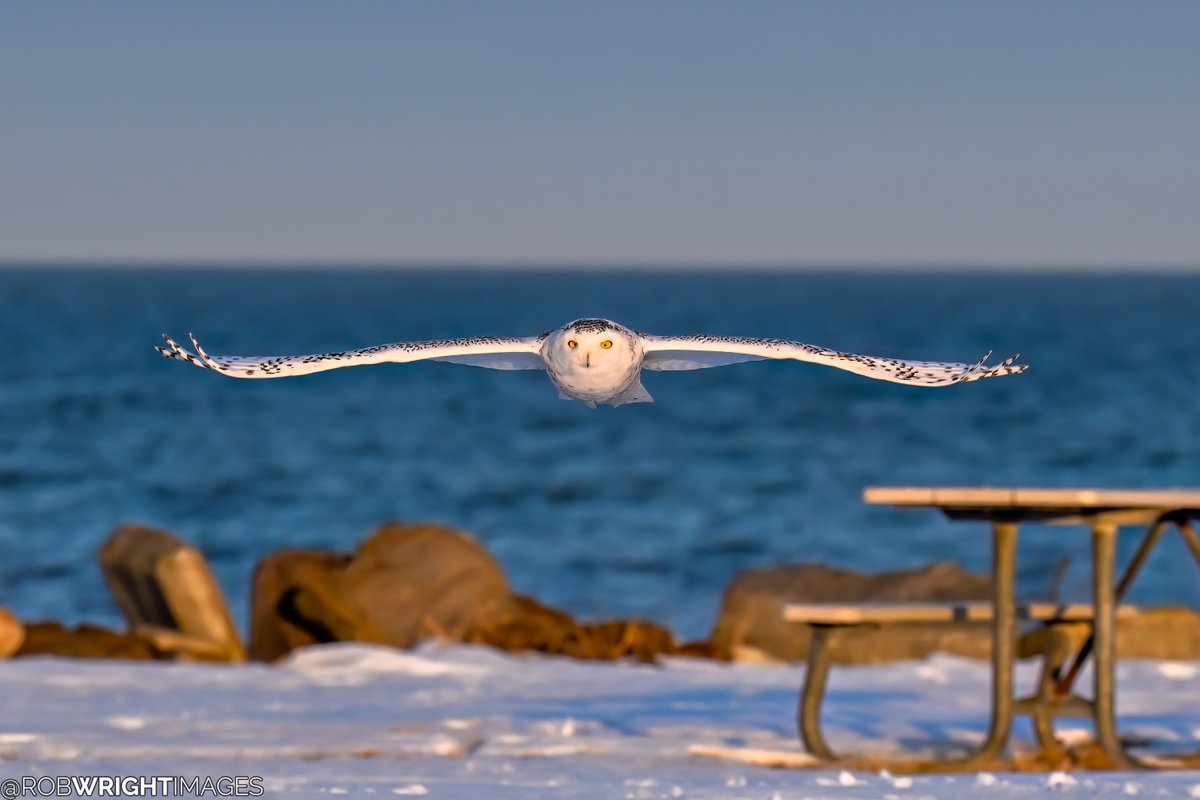
If you told me early last Saturday I'd get a shot of a snowy owl flying directly towards me and bathed in golden hour, early-evening sunshine, I wouldn't have believed you. But, here we are, and here is this absolute dream shot. (1/4)
--
February 28, 2026
The galaxy visible in my eclipse shot is NGC 3423. This was possible to capture due to the reduced light out off by the eclipsed moon, as well as 4 hours of exposure on *just* the galaxy, with the moon far enough out of frame to not cause reflections on the inside of my scope.