LIVE: Watch with us as the Artemis II astronauts make their closest approach to the Moon, traveling farther from Earth than ever before
https://t.co/iokBvc0IR3
BREAKING:🇺🇸 The Artemis II crew is OFFICIALLY about to reach the Moon, set to travel further than any human in world history As of 1:56PM ET, they break the record!  The crew will get a wakeup call at 10:50AM for a busy day of research and photography At 2:45PM, the 7-hour lunar flyby begins They will coast behind the far side of the Moon, will lose Earth comms around 6:44PM for 40 minutes
🇺🇸🇮🇷 HOW DOWNED U.S PILOTS IN IRAN STAYED HIDDEN AND CONNECTED
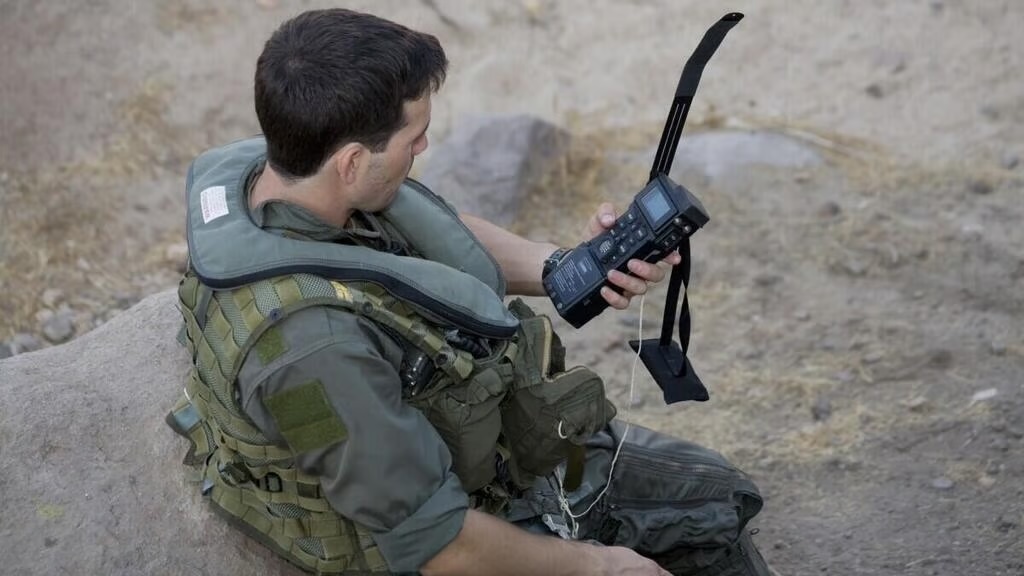
When the U.S. F-15E crew ejected over Iran, they weren't cut off, they simply switched to a device called CSEL.
Built by Boeing, it’s a small, rugged unit attached to the pilot’s vest that survives ejection and immediately starts working.
Instead of talking over radio, it sends short encrypted bursts: location, status, and messages like “injured” or “enemy nearby” using frequency-hopping signals that look like background noise to enemy systems.
That’s the key: no voice, no easy signal to track, no triangulation.
It links to military satellites, feeding real-time data to rescue teams while letting the pilot stay silent and hidden.
Only when extraction is close does it switch modes, allowing helicopters or aircraft to lock onto the exact position.
In other words, even behind enemy lines, the pilot isn’t alone; they’re digitally tethered to the entire rescue network without giving away their position.