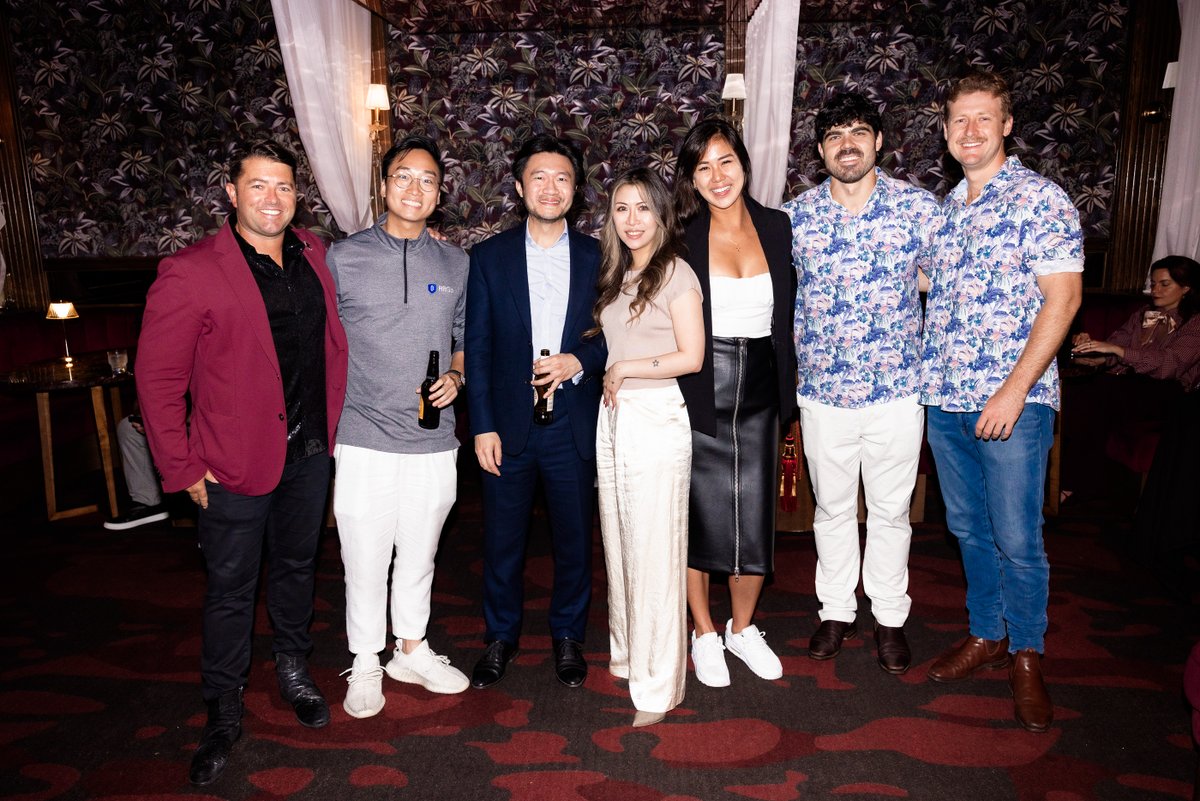
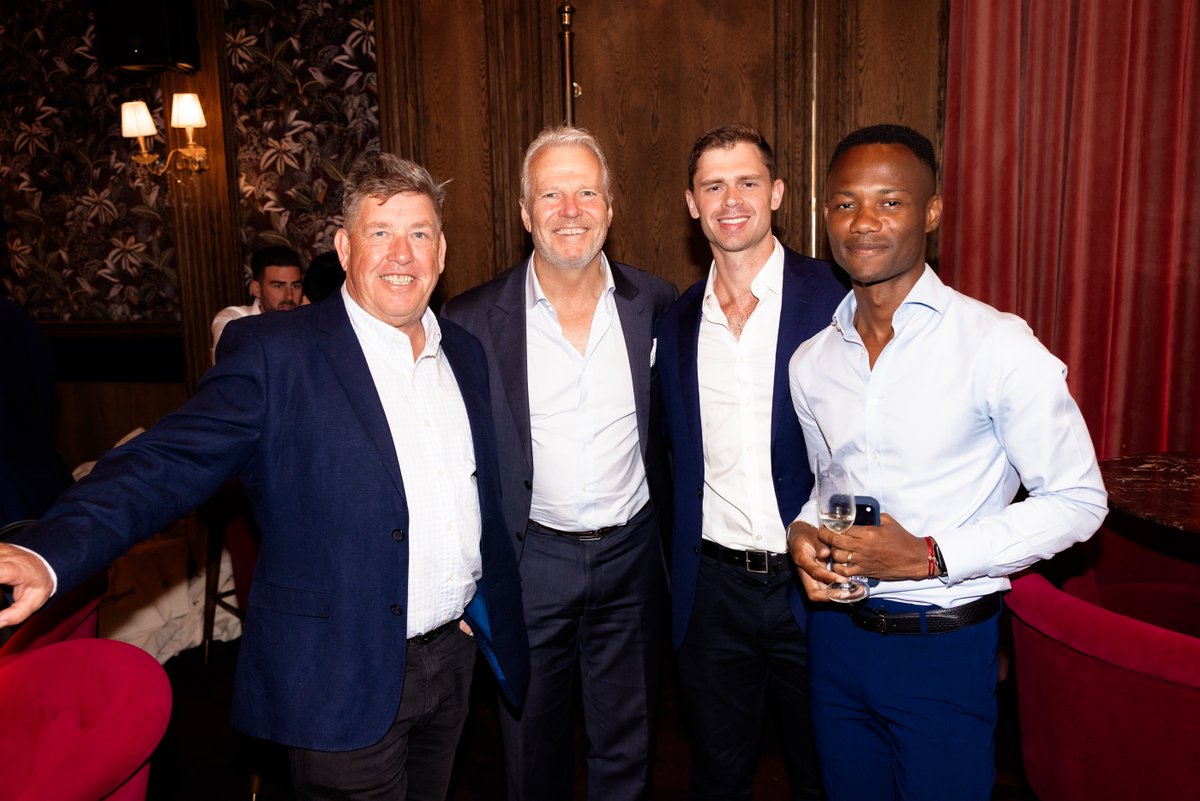
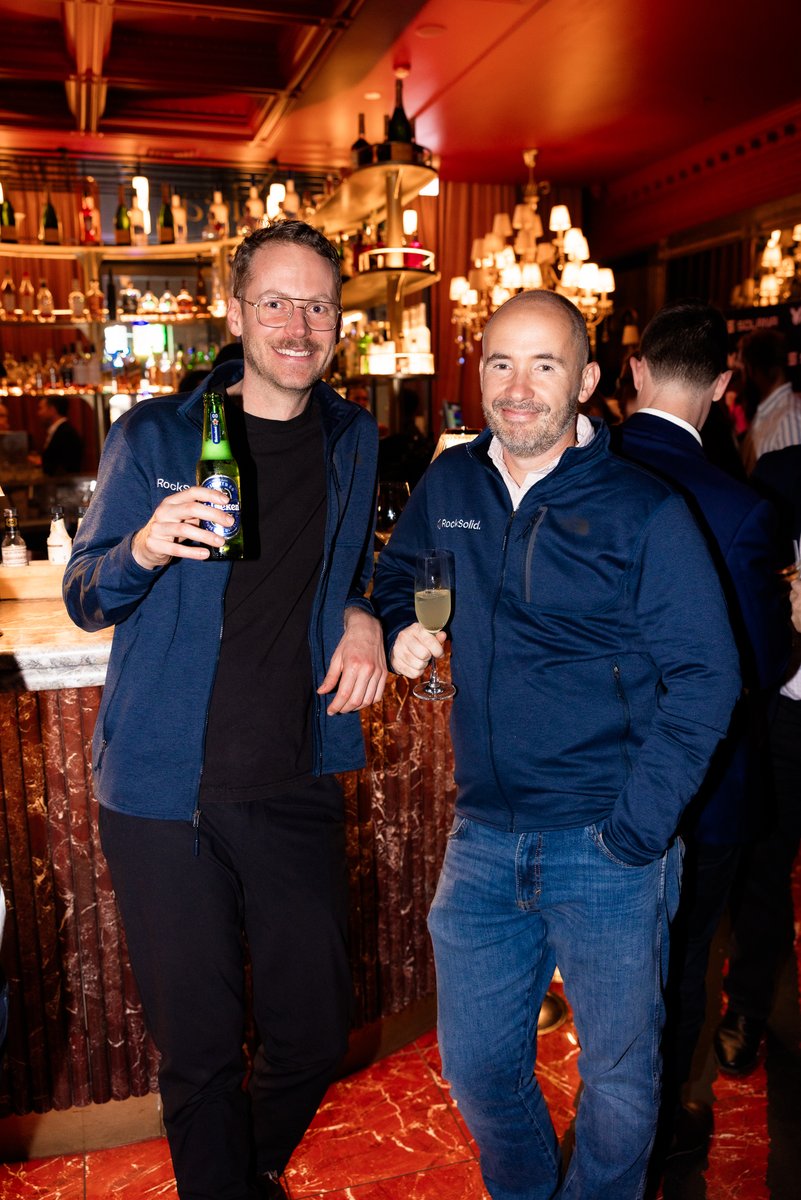
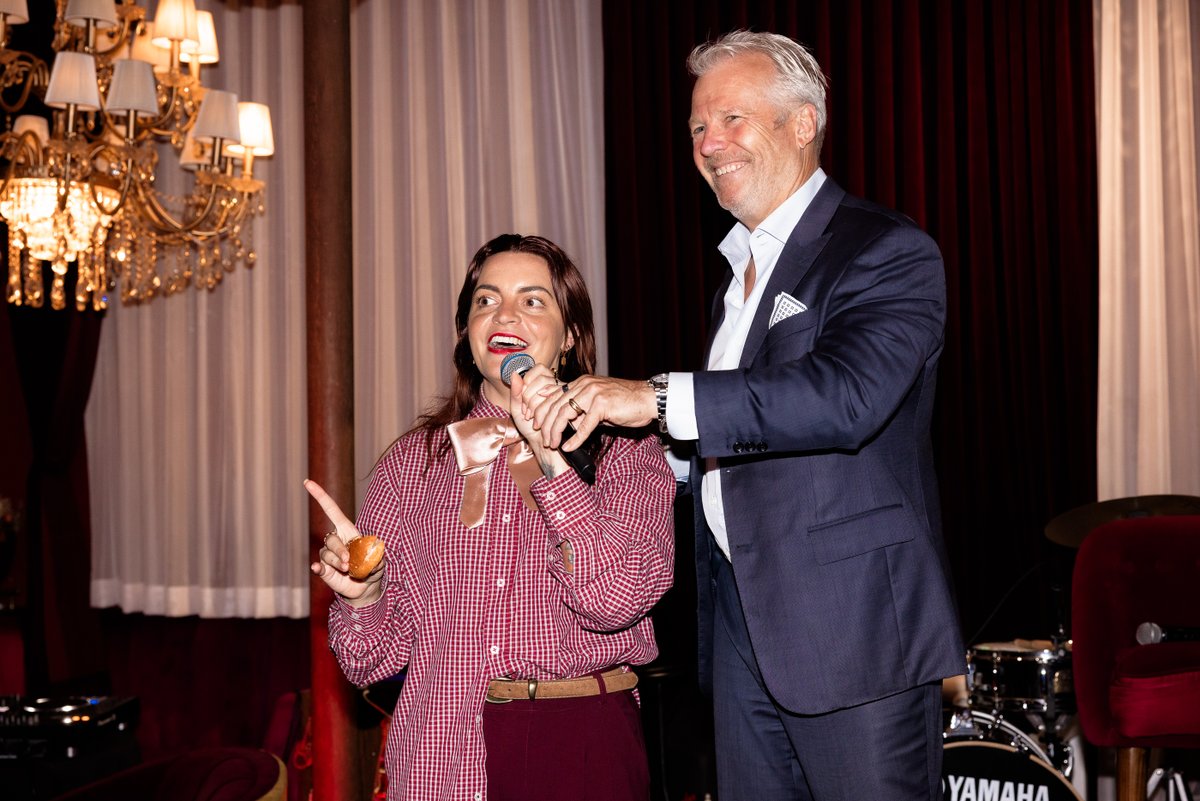
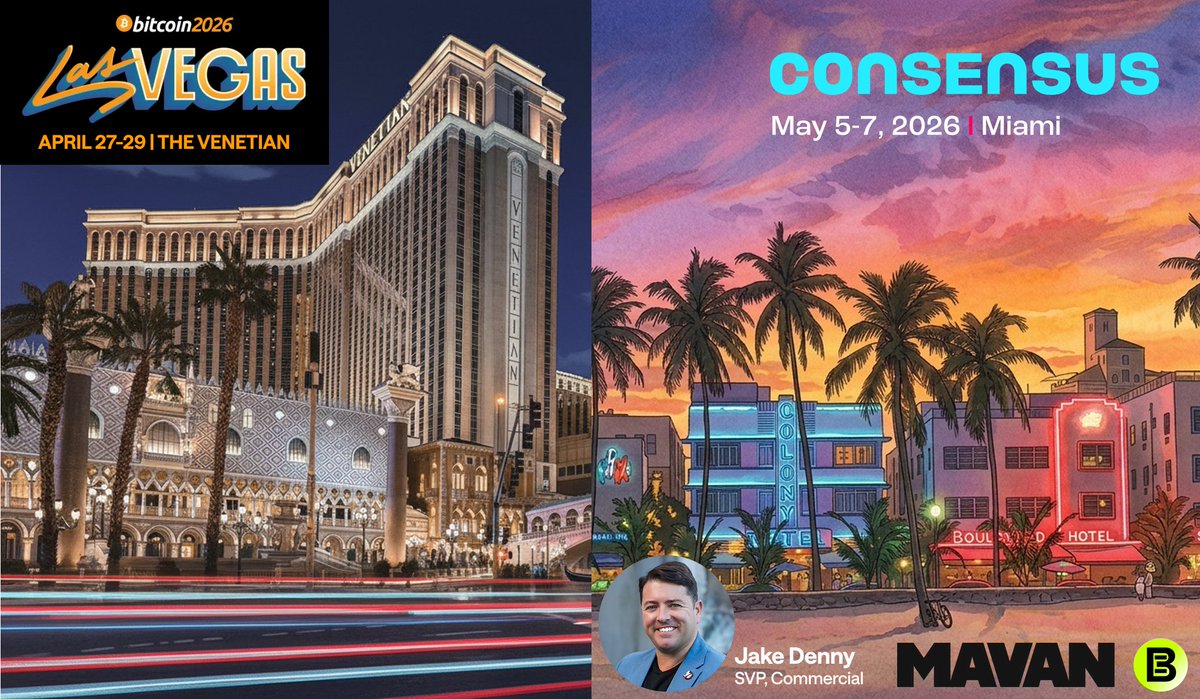
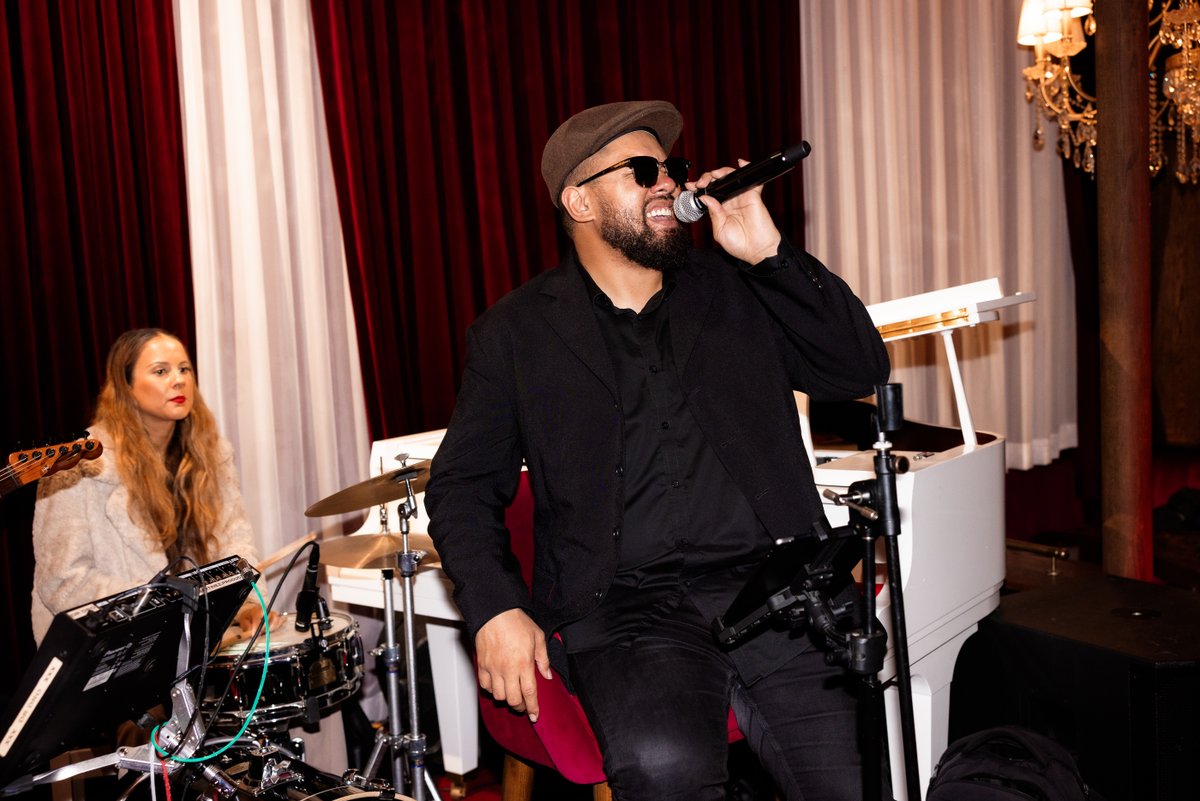
Heading to @TheBitcoinConf 2026 in Las Vegas or @consensus2026 in Miami?
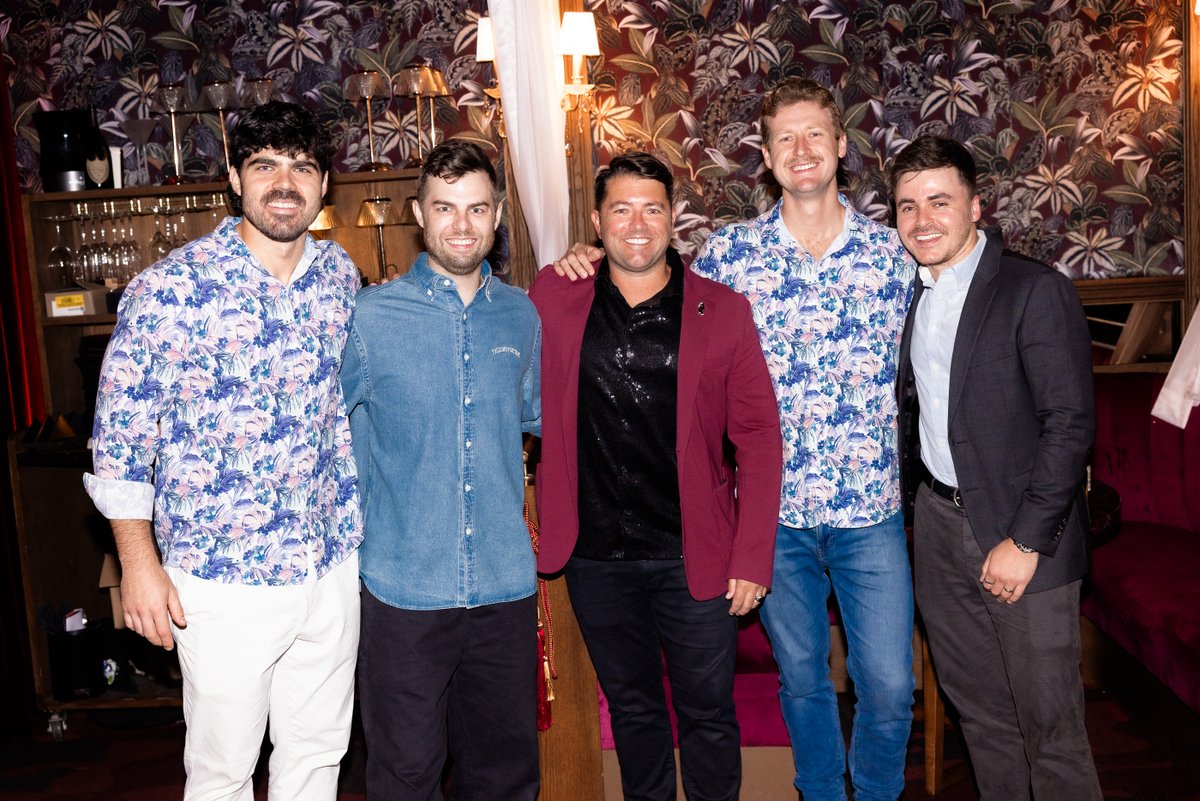
Catch @jakedenny there.
Representing, MAVAN. The largest single staking operation in the world, providing institutional-grade non-custodial staking services. MAVAN is a Bitmine Immersion Technologies, Inc. (NYSE: BMNR) company.
Don't miss the keynote from gentleman and scholar, and Chairman of @BitMNR, Tom Lee (@fundstrat).
Anchorage Digital Mainstage at Consensus.
11:20am (EDT), Thursday, May 7
TOM LEE AT PARIS BLOCKCHAIN WEEK
BITMINE already owns 4% of ETH supply. They expect to reach 5% this year.
But the bigger point is MAVAN.
BITMINE is already staking over $2B of other people’s crypto, including ETH, HYPERLIQUID, and SOLANA.
TOM LEE says MAVAN will be the largest single service staking operator in the world.
This is not just an ETH treasury.
It is a crypto yield business being built at massive scale.
🔹 4% of ETH already acquired
🔹 5% target this year
🔹 $2B+ external crypto already staked
🔹 $310M annual ETH yield at current holdings
$BMNR $ETH
🧵
1/
BitMine provided its latest holdings update for April 13, 2026:
$11.8 billion in total crypto + "moonshots":
- 4,874,858 ETH at $2,206 per ETH (@coinbase)
- 198 Bitcoin (BTC)
- $200 million stake in Beast Industries @MrBeast
- $85 million stake in Eightco Holdings (NASDAQ: $ORBS) (“moonshots”) and
- total cash of $719 million.
Ticker: $BMNR
Chairman: Tom Lee @fundstrat
Link ⛓️
https://t.co/AqlLgyaJwI
A major milestone for Bitmine today 🎉
$BMNR is uplisting to the 'Big Board' @NYSE, a hallowed and iconic exchange and the envy of capital markets around the world
https://t.co/WUnGw4YoJW
Today is a monumentous day for quantum computing and cryptography. Two breakthrough papers just landed (links in next tweet). Both papers improve Shor's algorithm, infamous for cracking RSA and elliptic curve cryptography. The two results compound, optimising separate layers of the quantum stack. The results are shocking. I expect a narrative shift and a further R&D boost toward post-quantum cryptography.
The first paper is by Google Quantum AI. They tackle the (logical) Shor algorithm, tailoring it to crack Bitcoin and Ethereum signatures. The algorithm runs on ~1K logical qubits for the 256-bit elliptic curve secp256k1. Due to the low circuit depth, a fast superconducting computer would recover private keys in minutes. I'm grateful to have joined as a late paper co-author, in large part for the chance to interact with experts and the alpha gleaned from internal discussions.
The second paper is by a stealthy startup called Oratomic, with ex-Google and prominent Caltech faculty. Their starting point is Google's improvements to the logical quantum circuit. They then apply improvements at the physical layer, with tricks specific to neutral atom quantum computers. The result estimates that 26,000 atomic qubits are sufficient to break 256-bit elliptic curve signatures. This would be roughly a 40x improvement in physical qubit count over previous state-of-the-art. On the flip side, a single Shor run would take ~10 days due to the relatively slow speed of neutral atoms.
Below are my key takeaways. As a disclaimer, I am not a quantum expert. Time is needed for the results to be properly vetted. Based on my interactions with the team, I have faith the Google Quantum AI results are conservative. The Oratomic paper is much harder for me to assess, especially because of the use of more exotic qLDPC codes. I will take it with a grain of salt until the dust settles.
→ q-day: My confidence in q-day by 2032 has shot up significantly. IMO there's at least a 10% chance that by 2032 a quantum computer recovers a secp256k1 ECDSA private key from an exposed public key. While a cryptographically-relevant quantum computer (CRQC) before 2030 still feels unlikely, now is undoubtedly the time to start preparing.
→ censorship: The Google paper uses a zero-knowledge (ZK) proof to demonstrate the algorithm's existence without leaking actual optimisations. From now on, assume state-of-the-art algorithms will be censored. There may be self-censorship for moral or commercial reasons, or because of government pressure. A blackout in academic publications would be a tell-tale sign.
→ cracking time: A superconducting quantum computer, the type Google is building, could crack keys in minutes. This is because the optimised quantum circuit is just 100M Toffoli gates, which is surprisingly shallow. (Toffoli gates are hard because they require production of so-called "magic states".) Toffoli gates would consume ~10 microseconds on a superconducting platform, totalling ~1,000 sec of Shor runtime.
→ latency optimisations: Two latency optimisations bring key cracking time to single-digit minutes. The first parallelises computation across quantum devices. The second involves feeding the pubkey to the quantum computer mid-flight, after a generic setup phase.
→ fast- and slow-clock: At first approximation there are two families of quantum computers. The fast-clock flavour, which includes superconducting and photonic architectures, runs at roughly 100 kHz. The slow-clock flavour, which includes trapped ion and neutral atom architectures, runs roughly 1,000x slower (~100 Hz, or ~1 week to crack a single key).
→ qubit count: The size-optimised variant of the algorithm runs on 1,200 logical qubits. On a superconducting computer with surface code error correction that's roughly 500K physical qubits, a 400:1 physical-to-logical ratio. The surface code is conservative, assuming only four-way nearest-neighbour grid connectivity. It was demonstrated last year by Google on a real quantum computer.
→ future gains: Low-hanging fruit is still being picked, with at least one of the Google optimisations resulting from a surprisingly simple observation. Interestingly, AI was not (yet!) tasked to find optimisations. This was also the first time authors such as Craig Gidney attacked elliptic curves (as opposed to RSA). Shor logical qubit count could plausibly go under 1K soonish.
→ error correction: The physical-to-logical ratio for superconducting computers could go under 100:1. For superconducting computers that would be mean ~100K physical qubits for a CRQC, two orders of magnitude away from state of the art. Neutral atoms quantum computers are amenable to error correcting codes other than the surface code. While much slower to run, they can bring down the physical to logical qubit ratio closer to 10:1.
→ Bitcoin PoW: Commercially-viable Bitcoin PoW via Grover's algorithm is not happening any time soon. We're talking decades, possibly centuries away. This observation should help focus the discussion on ECDSA and Schnorr. (Side note: as unofficial Bitcoin security researcher, I still believe Bitcoin PoW is cooked due to the dwindling security budget.)
→ team quality: The folks at Google Quantum AI are the real deal. Craig Gidney (@CraigGidney) is arguably the world's top quantum circuit optimisooor. Just last year he squeezed 10x out of Shor for RSA, bringing the physical qubit count down from 10M to 1M. Special thanks to the Google team for patiently answering all my newb questions with detailed, fact-based answers. I was expecting some hype, but found none.
Discover how engineered safeguards and best practices are reshaping digital asset strategies. Aon and Pier Two are leading the way by integrating NORS certification with advanced slashing insurance, providing a robust framework that aligns with trusted institutional governance. This innovation not only mitigates risks inherent in Ethereum staking but also delivers clear, scalable risk management—fostering confidence among asset managers and ETFs.
“𝘐𝘯𝘴𝘵𝘪𝘵𝘶𝘵𝘪𝘰𝘯𝘢𝘭‐𝘨𝘳𝘢𝘥𝘦 𝘳𝘪𝘴𝘬 𝘴𝘵𝘢𝘯𝘥𝘢𝘳𝘥𝘴 𝘭𝘪𝘬𝘦 𝘕𝘖𝘙𝘚 𝘱𝘭𝘢𝘺 𝘢𝘯 𝘪𝘮𝘱𝘰𝘳𝘵𝘢𝘯𝘵 𝘳𝘰𝘭𝘦 𝘪𝘯 𝘣𝘳𝘪𝘥𝘨𝘪𝘯𝘨 𝘰𝘱𝘦𝘳𝘢𝘵𝘪𝘰𝘯𝘢𝘭 𝘱𝘳𝘢𝘤𝘵𝘪𝘤𝘦𝘴 𝘢𝘯𝘥 𝘪𝘯𝘴𝘶𝘳𝘢𝘯𝘤𝘦 𝘮𝘢𝘳𝘬𝘦𝘵𝘴 𝘢𝘯𝘥 𝘗𝘪𝘦𝘳 𝘛𝘸𝘰’𝘴 𝘮𝘪𝘭𝘦𝘴𝘵𝘰𝘯𝘦 𝘩𝘪𝘨𝘩𝘭𝘪𝘨𝘩𝘵𝘴 𝘵𝘩𝘦 𝘨𝘳𝘰𝘸𝘪𝘯𝘨 𝘢𝘥𝘰𝘱𝘵𝘪𝘰𝘯 𝘰𝘧 𝘵𝘩𝘦𝘴𝘦 𝘴𝘵𝘢𝘯𝘥𝘢𝘳𝘥𝘴 𝘢𝘤𝘳𝘰𝘴𝘴 𝘵𝘩𝘦 𝘦𝘤𝘰𝘴𝘺𝘴𝘵𝘦𝘮.” - Glenn Morgan, SVP and Head of Digital Assets at @Aon_plc.
“𝘙𝘪𝘴𝘬 𝘪𝘴 𝘢 𝘱𝘳𝘪𝘮𝘢𝘳𝘺 𝘤𝘰𝘯𝘴𝘪𝘥𝘦𝘳𝘢𝘵𝘪𝘰𝘯 𝘧𝘰𝘳 𝘦𝘷𝘦𝘳𝘺𝘵𝘩𝘪𝘯𝘨 𝘸𝘦 𝘥𝘰 𝘢𝘵 𝘗𝘪𝘦𝘳 𝘛𝘸𝘰. 𝘚𝘵𝘢𝘳𝘵𝘪𝘯𝘨 𝘸𝘪𝘵𝘩 𝘴𝘰𝘮𝘦𝘵𝘩𝘪𝘯𝘨 𝘢𝘴 𝘰𝘣𝘷𝘪𝘰𝘶𝘴 𝘢𝘴 𝘯𝘰𝘯-𝘤𝘶𝘴𝘵𝘰𝘥𝘪𝘢𝘭 𝘴𝘵𝘢𝘬𝘪𝘯𝘨 𝘢𝘤𝘤𝘦𝘴𝘴, 𝘵𝘩𝘳𝘰𝘶𝘨𝘩 𝘵𝘰 𝘢𝘥𝘥𝘳𝘦𝘴𝘴𝘪𝘯𝘨 𝘵𝘩𝘦 𝘳𝘪𝘴𝘬 𝘰𝘧 𝘴𝘭𝘢𝘴𝘩𝘪𝘯𝘨, 𝘯𝘰 𝘮𝘢𝘵𝘵𝘦𝘳 𝘩𝘰𝘸 𝘳𝘢𝘳𝘦, 𝘢𝘯𝘥 𝘥𝘦𝘴𝘱𝘪𝘵𝘦 𝘗𝘪𝘦𝘳 𝘛𝘸𝘰 𝘯𝘦𝘷𝘦𝘳 𝘣𝘦𝘪𝘯𝘨 𝘴𝘭𝘢𝘴𝘩𝘦𝘥 𝘰𝘳 𝘩𝘢𝘤𝘬𝘦𝘥.” - Patrick McNab, Co-Founder & CEO at @PierTwo_com.
Read the article here: https://t.co/BxKOMIvgEW
This week, the SEC published an interpretation, with related guidance from the CFTC, on the application of federal securities laws to certain crypto asset activities.
Among other things, the release provides that “Protocol Staking Activities” do not involve the offer and sale of a security where conducted in the manner and under the circumstances described. This includes solo staking, self-custodial staking with a third party, custodial staking and liquid staking.
Next week, the energy will be focused on NYC as @Blockworks delivers the next instalment of the @blockworksDAS. Featuring an incredible line up of speakers, and a predominately institutional crowd.
@PierTwo_com's Co-Founder & CEO @pat_mcnab and Chief Commercial Officer @jakedenny will be on ground.
Introducing DoubleZero Edge.
DoubleZero Edge is a new platform delivering real-time market data to traders and market participants, powered by multicast.
Its first feed: raw Solana shreds directly from leaders, delivered over a high-performance fiber network.
Infrastructure that levels the playing field for validators and matches traditional trading systems is here.
Dive in ↓
Sydney, last night was special.
With our most excellent co-hosts @BitGo, @solana and @Macropod_AU, we were able to bring together industry leaders and delegates from all over the world for The Future is at Stake | Policy Week 2026 Edition.
Thank you to everyone who was able to join us, bring their energy and have a good time.
Special thanks to @stevevallas and @rvchellecox for delivering another excellent Policy Week.
Timing is everything.
Some years the industry comes together against backdrops that feel hostile or irrelevant. Despite huge advances in technology.
That is not the case in 2026, and especially not next week when more than 850 industry leaders from 12 jurisdictions descend on Sydney for Policy Week 2026.
Pier Two has been engaged in the conversation to advance Australia’s role in digital assets over many years, and we are proud to be supporting @blockchain_apac again. Huge thanks to the incredible energy and effort of @stevevallas and @rvchellecox who work tirelessly over many months to deliver such a rich array of topics, experts and experiences to push us forward as an industry.
The @PierTwo_com team will be around throughout the week. And we look forward to seeing everyone there.
The time is now.
@pat_mcnab@redactedadrian@deeb_eth@nikhrmn@jakedenny
The work continues for a Post-Quantum (PQ) Ethereum. To demonstrate robust consensus with secure, scalable signature aggregation – paving the way for a future-proof network.
With each devnet iteration, it has been faster to stabilize than the last. The gap between specification and working software continues to shrink. As the Lean Ethereum community moves toward larger validator sets and more realistic network conditions, Pier Two will continue contributing the implementation work, test vectors, and operational feedback that bring Lean Ethereum closer to a mainnet-ready protocol.
Learn more here: https://t.co/eWY5zhK6oa
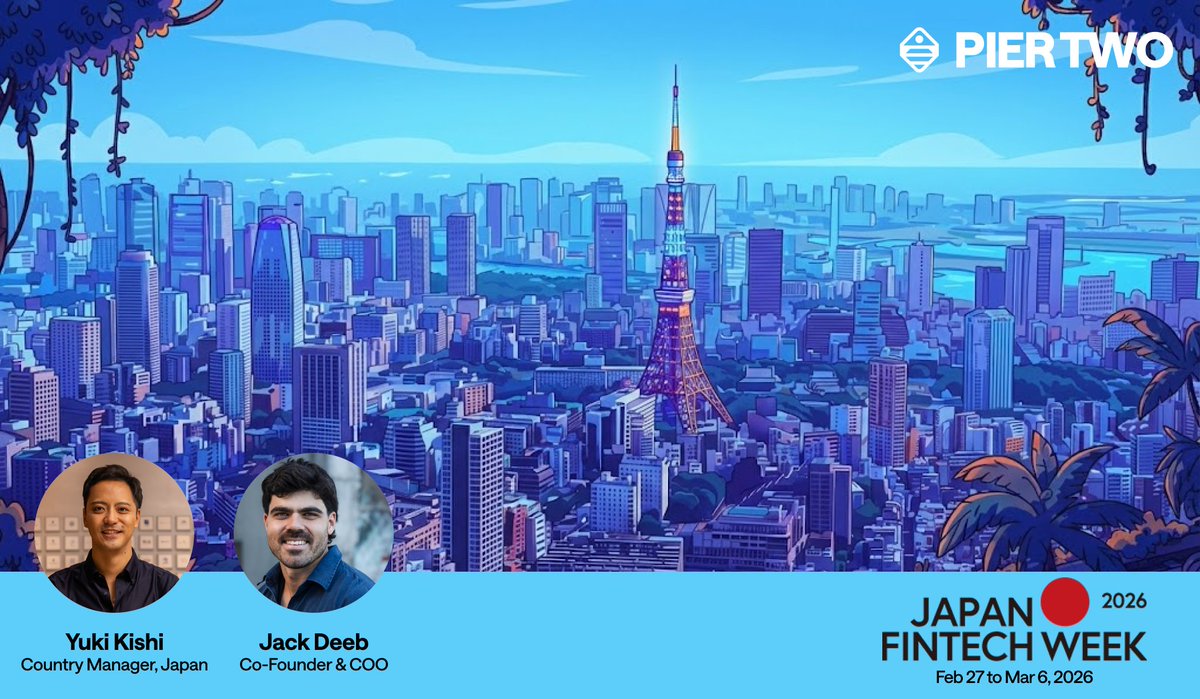
Tokyo, we’re back!
From 27 February to 6 March, @PierTwo_com's @yuki21385720 (Country Manager, Japan) and @deeb_eth (Co-Founder & COO) will be on the ground for Japan Fintech Week.
Catch us at the GFTN Forum, BGIN Block #14, FIN/SUM 2026 and make sure to tune in to the JFSA Roundtables on 27 February where Yuki Kishi will be presenting.
We’re excited to catch up with familiar faces and meet new ones. Send a DM if you’ll be around and want to connect.
Proud to be joining the Northstake Staking Vault Manager (SVM) node operator set on @LidoFinance V3.
Providing more optionality for institutional clients to stake ETH through stVaults.
"Pier Two strengthens the Staking Vault Manager with a highly regarded infrastructure team that combines deep protocol expertise with a strong operational track record. Their addition enhances the geographic and operational diversity of our validator set at a critical stage in Ethereum's institutional adoption." - @jesperjohansen, CEO of @Northstake_dk
"The growth in demand for a variety of features and flexibility in staking continues to develop with changing market conditions, which presents a great opportunity for Pier Two to deliver our world-class security and performance." - @deeb_eth, Co-Founder & COO at @PierTwo_com
JUST IN: @RobinhoodApp launches public testnet and partners with Chainlink as the oracle platform for Robinhood Chain.
Builders can leverage Chainlink’s data, interoperability, and compliance standards to power advanced tokenization use cases.
Robinhood 🤝 Chainlink
Co-founders & CEOs of @PierTwo_com and @rocksolidHQ, @pat_mcnab and @paladin_eth, shared their collaboration on the AutoPlus Looped ETH Vault.
One of the first stVault-based products deployed on mainnet.
Bull or bear, Obol Distributed Validators consistently outperform legacy validators 🎯
@PierTwo_com is currently at a 99% monthly RAVER score, with most of its stake distributed across DVs (Source: @ratedw3b)