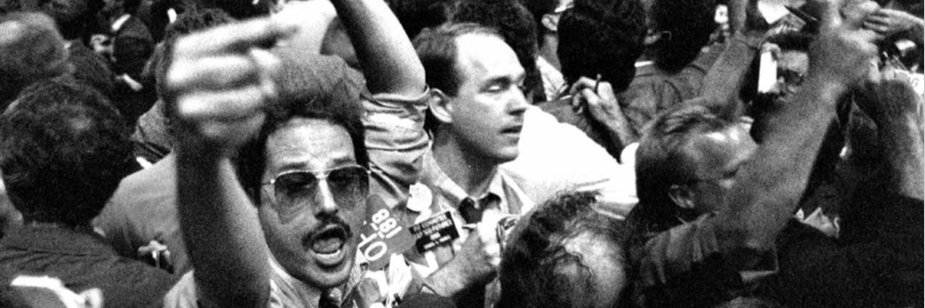
Chicago Board of Trade, 31 May 1973. Prices by voice and hand.
Archive No. 05 · Photo: U.S. Department of Agriculture (public domain)
#WallStreet#TradingFloor
Last call is coming for Sky Ride Tap 🍺 The Loop's 93-year-old dive bar, named for the 1933 World's Fair Sky Ride, closes on New Year's Eve after its building sold.
https://t.co/uBuLlrCLfx
#Chicago#ChicagoBars#TheLoop#TheKoffeeTable
Chicago Mercantile Exchange, 21 August 1984. A visitor in a suit. A trader in a red jacket. Only one of them is working.
Archive No. 03 · Photo: Office of Senator Thad Cochran (public domain)
#WallStreet#StockMarket
1908 image of the interior trading floor inside the historic Chicago Board of Trade Building.
Its monumental trading hall was the epicenter of global agricultural and financial futures trading, boasting a cavernous interior volume, ornate classical ornamentation, and an electric atmosphere driven by frantic open-outcry trading crowds.
A 1988 Chicago Trading Pit documentary accidentally described the exact reason 90 percent of modern retail traders will never stop until they blow up.
The film was shot in the peak years of open outcry, back when trading meant shouting yourself hoarse in a physical pit, taking speech therapy at Schwab Rehabilitation Center, and sometimes ending up in the medic's chair with a busted lip from a fistfight over a trade.
At 16:34 in the film above, one trader said this.
"When I first started I heard stories of other traders making 50 or 100 thousand a day. I said if I made that kind of money I would quit. I would take the summer off. When I had my first five-figure day, ten thousand plus, I found myself in the pit the next day."
He made his summer's worth of money in one session. He came back the next morning.
Every retail trader today who says "if I just double my account I'll cash out" is that trader. Every day-trader who promised themselves they would quit after their first six-figure year is that trader. Every options gambler who tells their spouse "one more good week and I stop" is that trader.
The 1988 documentary called it the game. The people who stayed in it called it being a gladiator. The paramedics on duty at the exchange called it a job.
Modern brokers call it engagement. Every Robinhood push notification is designed to reproduce the pit floor without the paramedics.
That single confession from a Chicago pit trader in 1988 has probably explained the last four decades of retail blowups better than every behavioral finance textbook combined.
Retail traders build spreadsheets tracking P&L in real time because they cannot look away from the score. Options traders open the app on the toilet because the pit is now in their pocket. Prop shop hires get told the money is what matters when the actual driver is the same dopamine that trapped the 1988 gladiator.
The full 19-minute documentary is above. Almost none of the viewers have actually asked themselves what number would make them walk.
The framework is free. The willingness to actually name the number that ends the game before you get there is the entire edge.
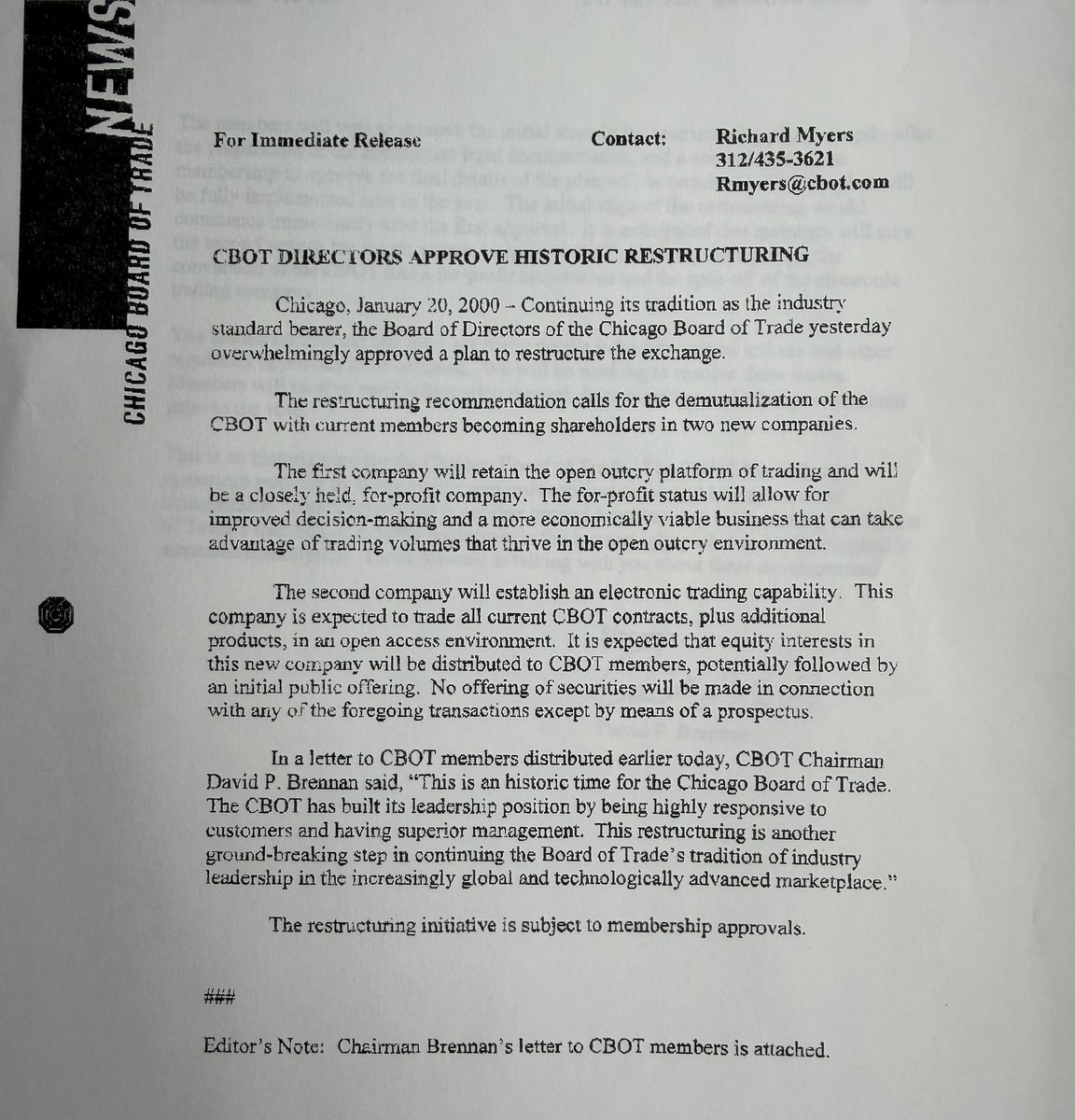
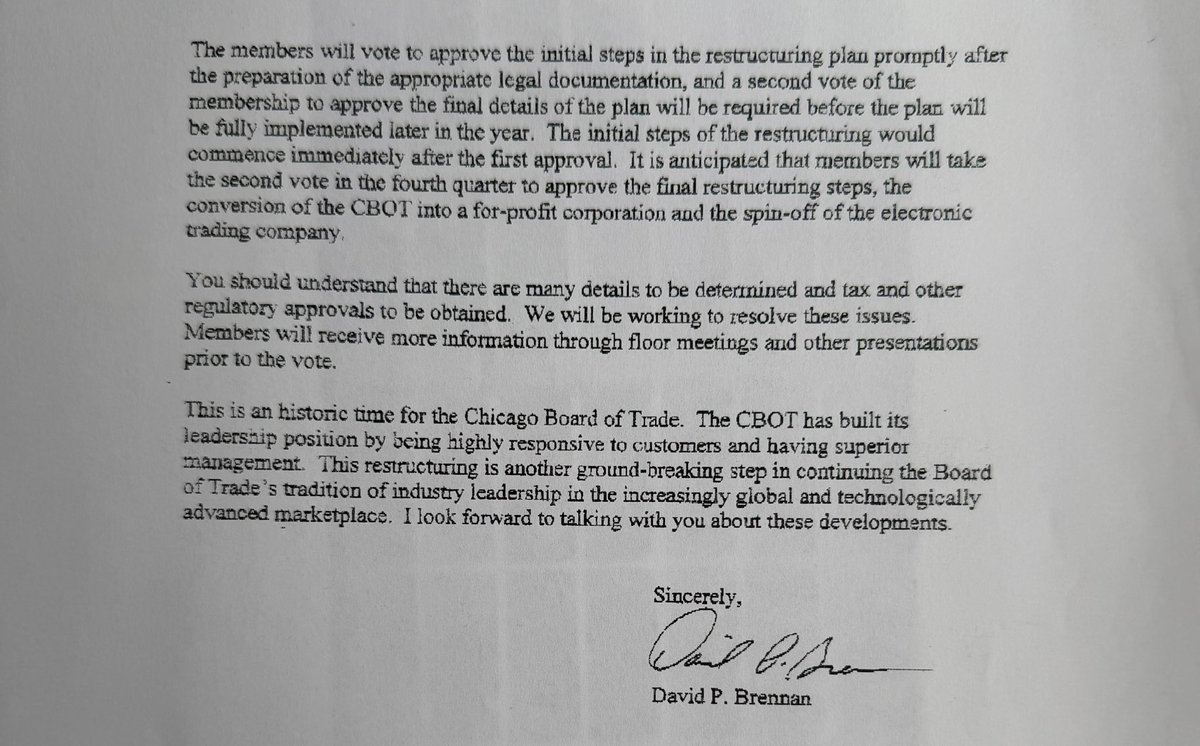
1905 image of the Chicago Board of Trade Building in Illinois.
A masterpiece of commercial Romanesque Revival architecture featuring massive granite walls, a soaring 322-foot clock tower, and a dramatic trading floor that stood as an epicenter of global commodities trading.
the museum inside the chicago board of trade building (yes the one you saw in the dark knight) had these delightfully designed pins. exchanges used to hand traders pins to wear on their jackets, basically ads for new contracts
take me back to when design in finance was cool
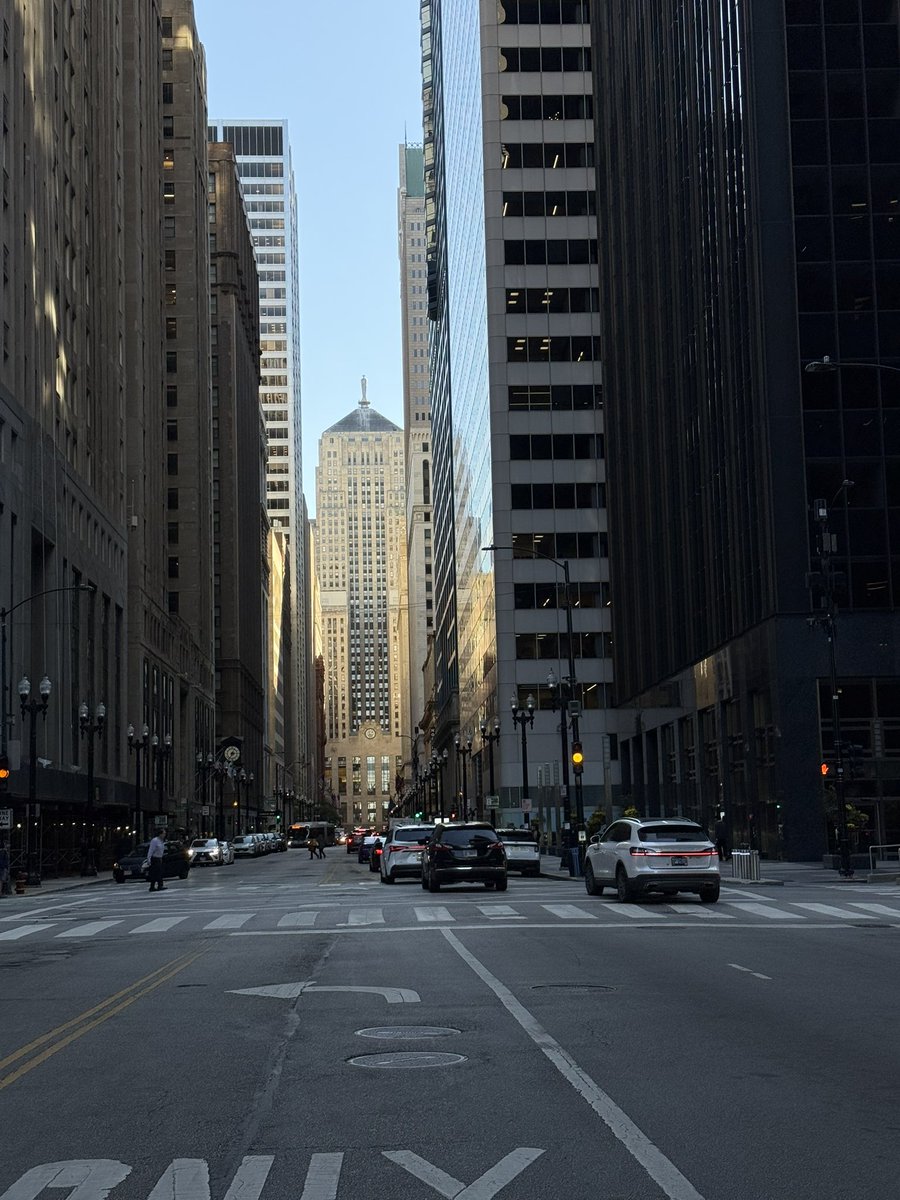
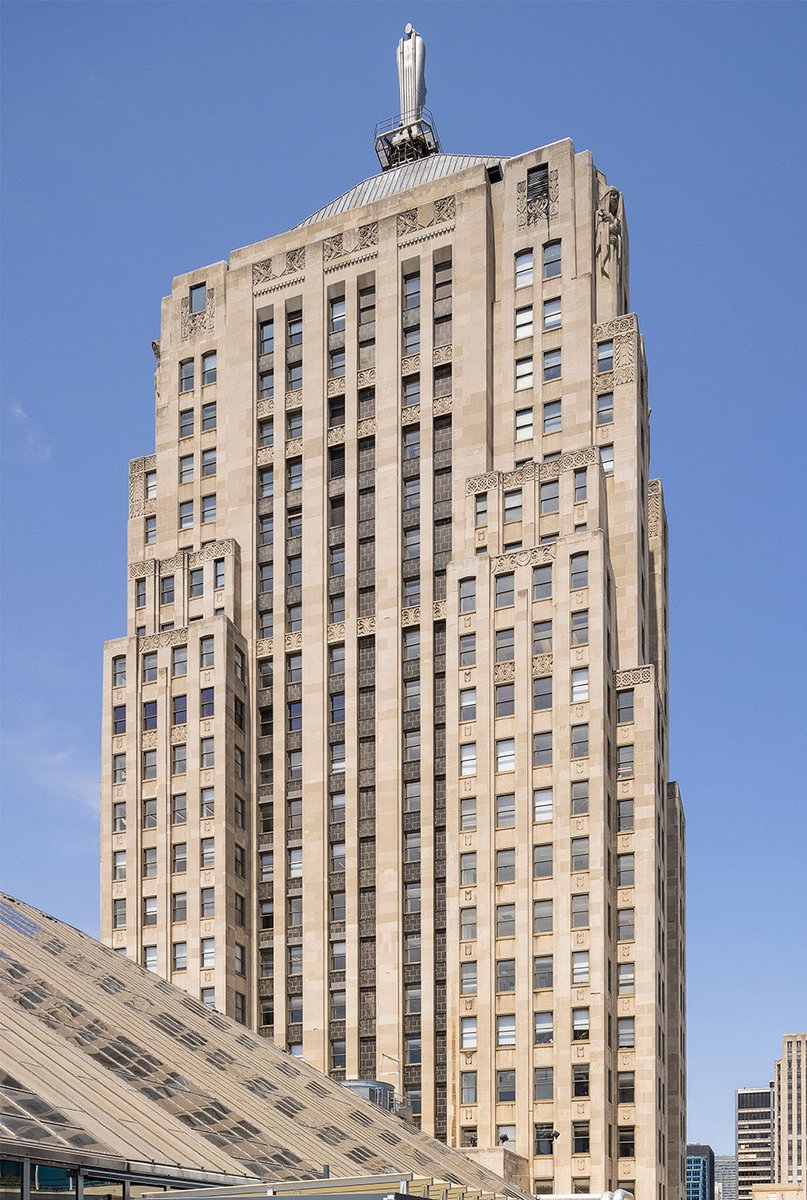
Ilgrattacielo del Chicago Board of Trade, in pratica la Borsa della materie prime agricole.
In cima la statua della Dea Cerere, la protettrice dei raccolti. Vi ricordate il film “Una poltrona per due”? Il colpo di scena finale con le quotazioni del succo d’arancia avvenne qui.