@PlandexAI is now multi-modal. Though most of the credit belongs to @OpenAI for GPT-4o, it's truly incredible to pass in nothing but a UI wireframe image and a short prompt and get back a functioning web app in like ~3 minutes. This is such a game-changer for UI work.
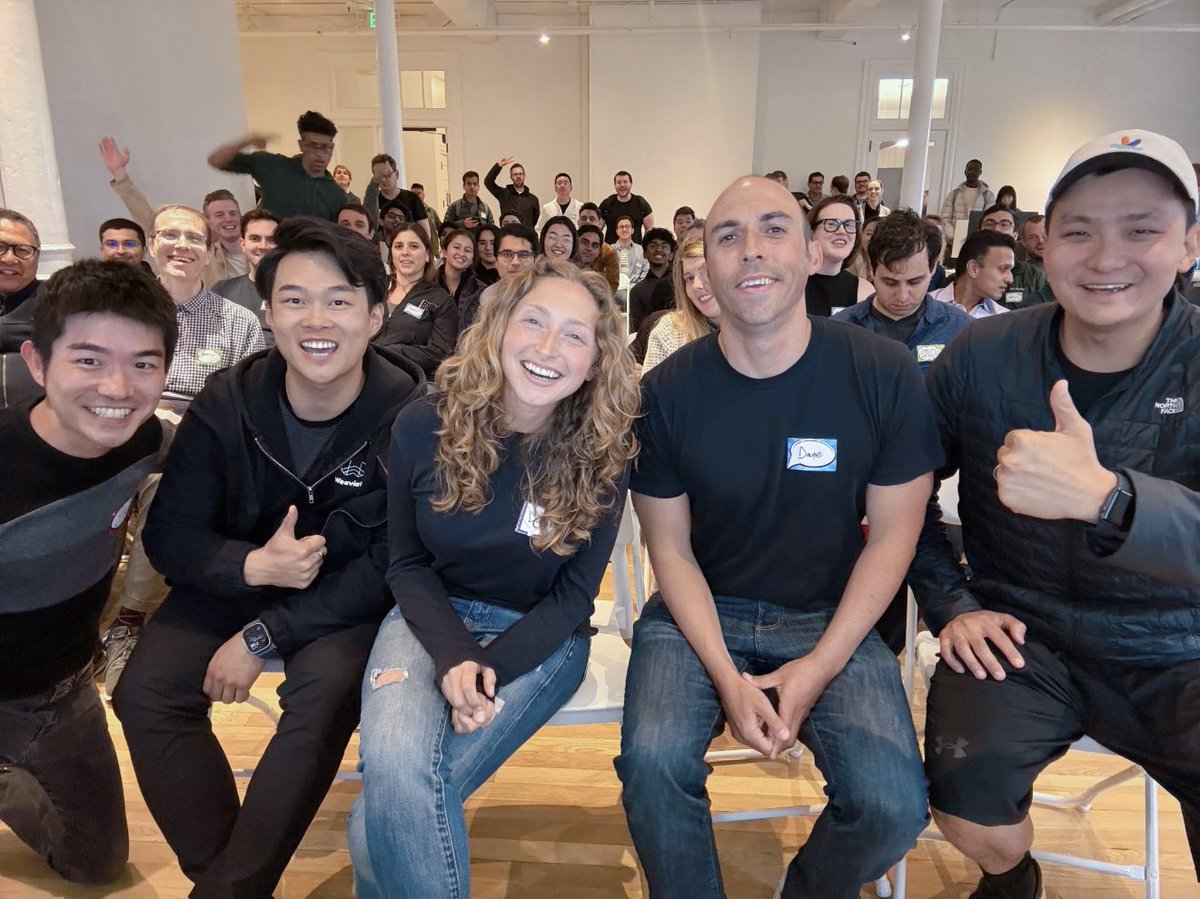
I'll be giving a talk on building complex software in the terminal with AI using @PlandexAI at @sourcegraph's AI Dev Tools night June 24th in SF.
There are still spots left so rsvp and come on by if you're in the area!
https://t.co/mYAb2SPTlx
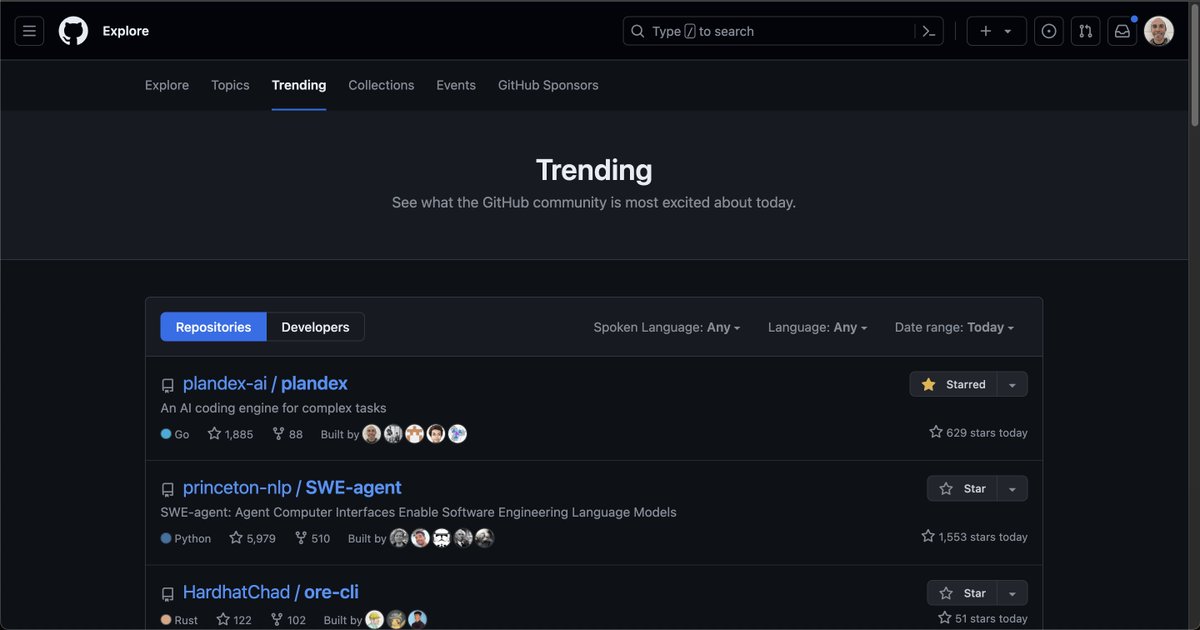
Plandex 1.0.0 is live! This is the biggest release since launch.
- GPT-4o support
- Automatic syntax checking and error correction → ~90% fewer errors
- Much better working memory for long tasks
- Much less lazy, no more TODO placeholders
https://t.co/xoqvbYGeyS
@b05crypto Hey! The answer is yes but with caveats.
You can use open source models if the provider is OpenAI compatible. @openrouter, @togethercompute, and @ollama offer this to some degree, but not yet 100%, so OpenAI is still required for some things.
A bit more info from Discord:
As of 0.9.0, released a few days ago, Plandex can now use a wide range of models beyond just OpenAI's.
Watch me (@Danenania) use Claude Opus 3 via @openrouter to fix a tricky state-management bug in Plandex's own code. Opus is really good at following complex control flow through a lot of files and functions.
Hey X, @Danenania here. I'm excited to launch Plandex, an AI coding engine for complex tasks.
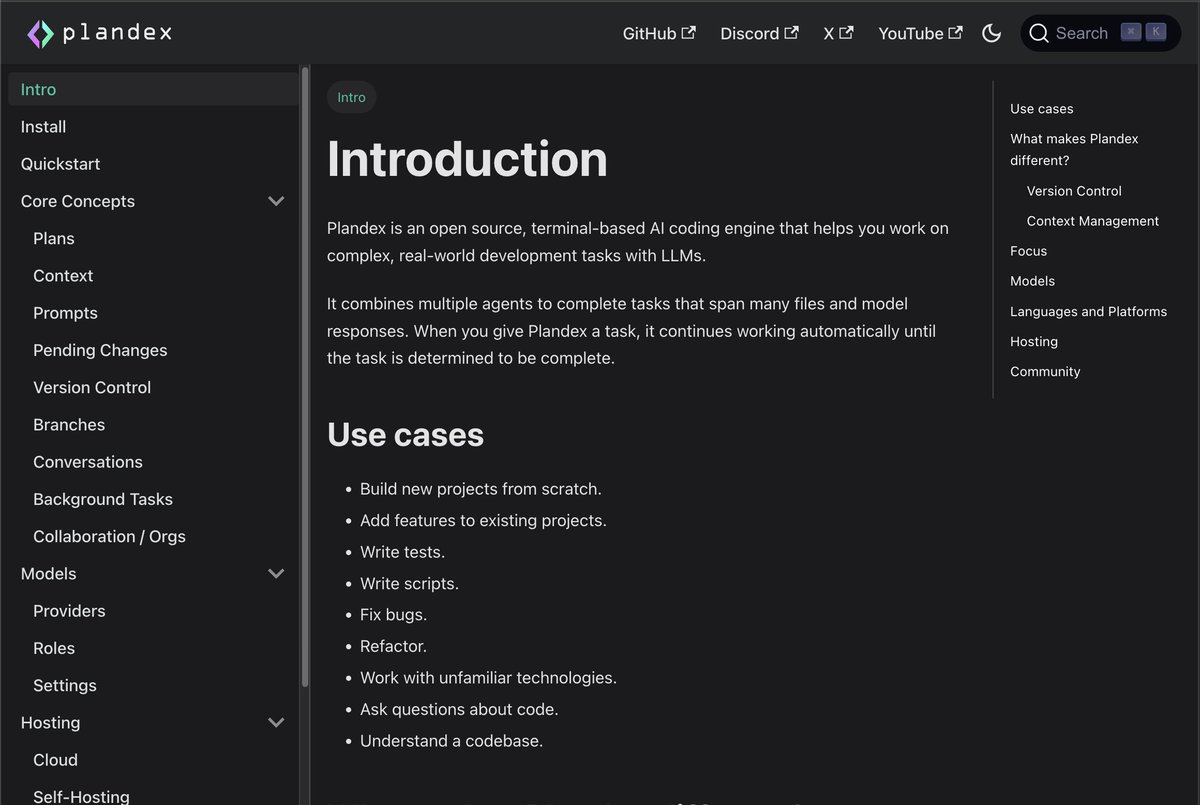
It's open source and terminal-based. It uses long-running agents to complete tasks that span multiple files and require many steps.
Changes are accumulated in a protected sandbox so you can review them before automatically applying them to your project files.
Built-in version control allows you to easily go backwards and try a different approach. Branches allow you to try multiple approaches and compare the results.
Plandex uses the OpenAI API with your API key. More model options, including Gemini, Claude, and open source models, are coming soon.