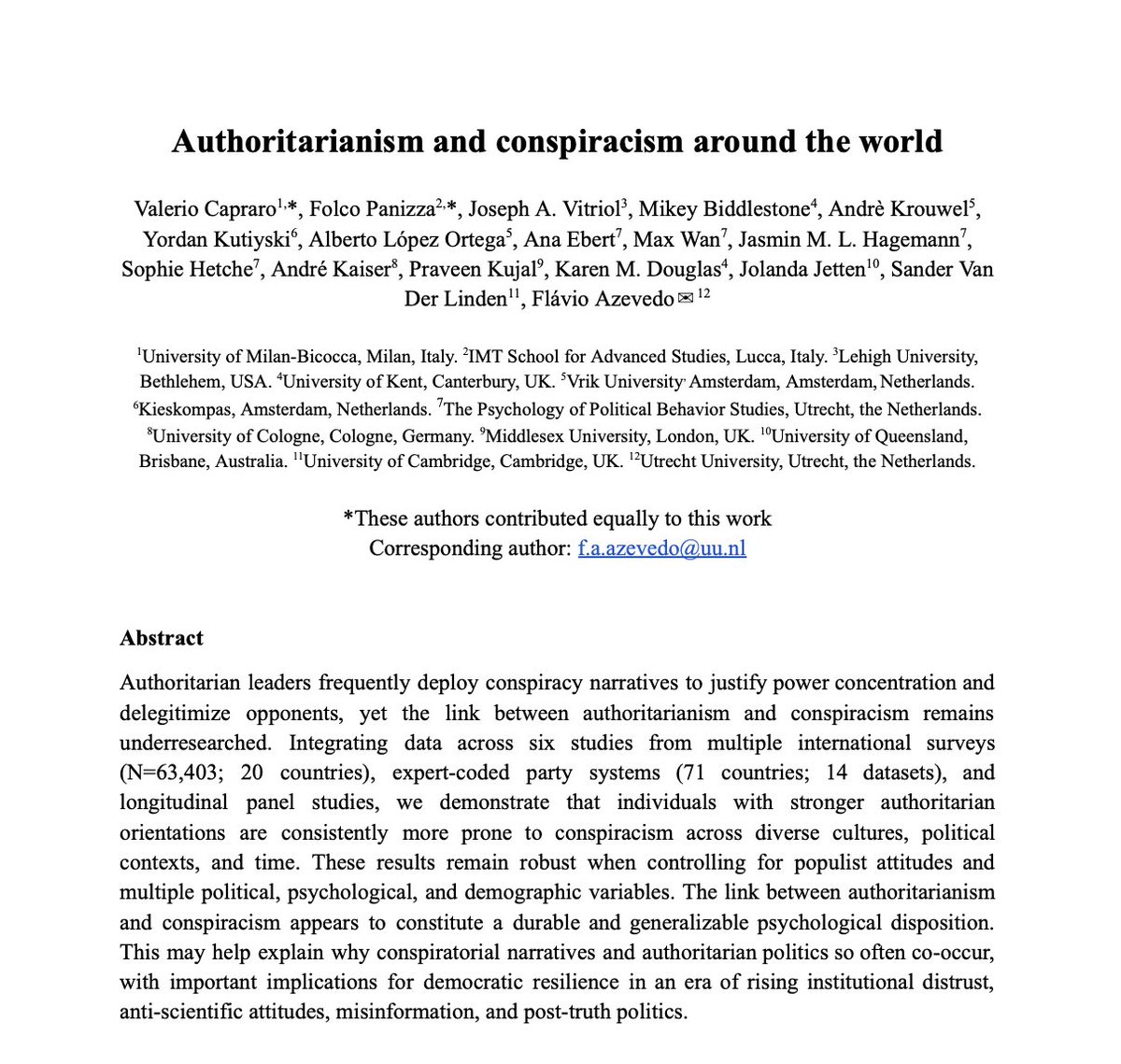
Major preprint just out! 🚀
Five years ago, we started with a simple question: are authoritarianism and conspiracism systematically related?
Over the years, we collected data at multiple levels: individual data, country-level data, and longitudinal studies.
And the answer is clear: yes.
1) Across 20 countries, individuals higher in authoritarianism are consistently more likely to endorse conspiracy theories (Studies 1–3).
2) A meta-analysis of 14 datasets covering 71 countries shows the same relationship at the national level (Study 4).
3) Two longitudinal U.S. studies reveal the association is between-subjects, rather than within (Studies 5–6).
4) The results remain robust when controlling for populist attitudes and a wide range of political, psychological, and demographic variables.
These results suggest that the link between authoritarianism and conspiracism reflects a durable and generalizable psychological disposition..
*
Preprint link in the first reply
This paper is a fantastic collaboration with @FolcoPanizza, @Prof_Vitriol, @BiddlePsych, Andrè Krouwel, Yordan Kutiyski, @bertous, Ana Ebert, Max Wan, Jasmin Hagemann, Sophie Hetche, André Kaiser, Praveen Kujal, @Karen_Douglas, @jetten_j, @Sander_vdLinden, & @Flavio_Azevedo_
Meet @Flavio_Azevedo_, an APS Rising Star and social psychologist researching the political psychology of ideological attitudes and integrating #openscience into higher ed.
https://t.co/pqlEwJ3qdk
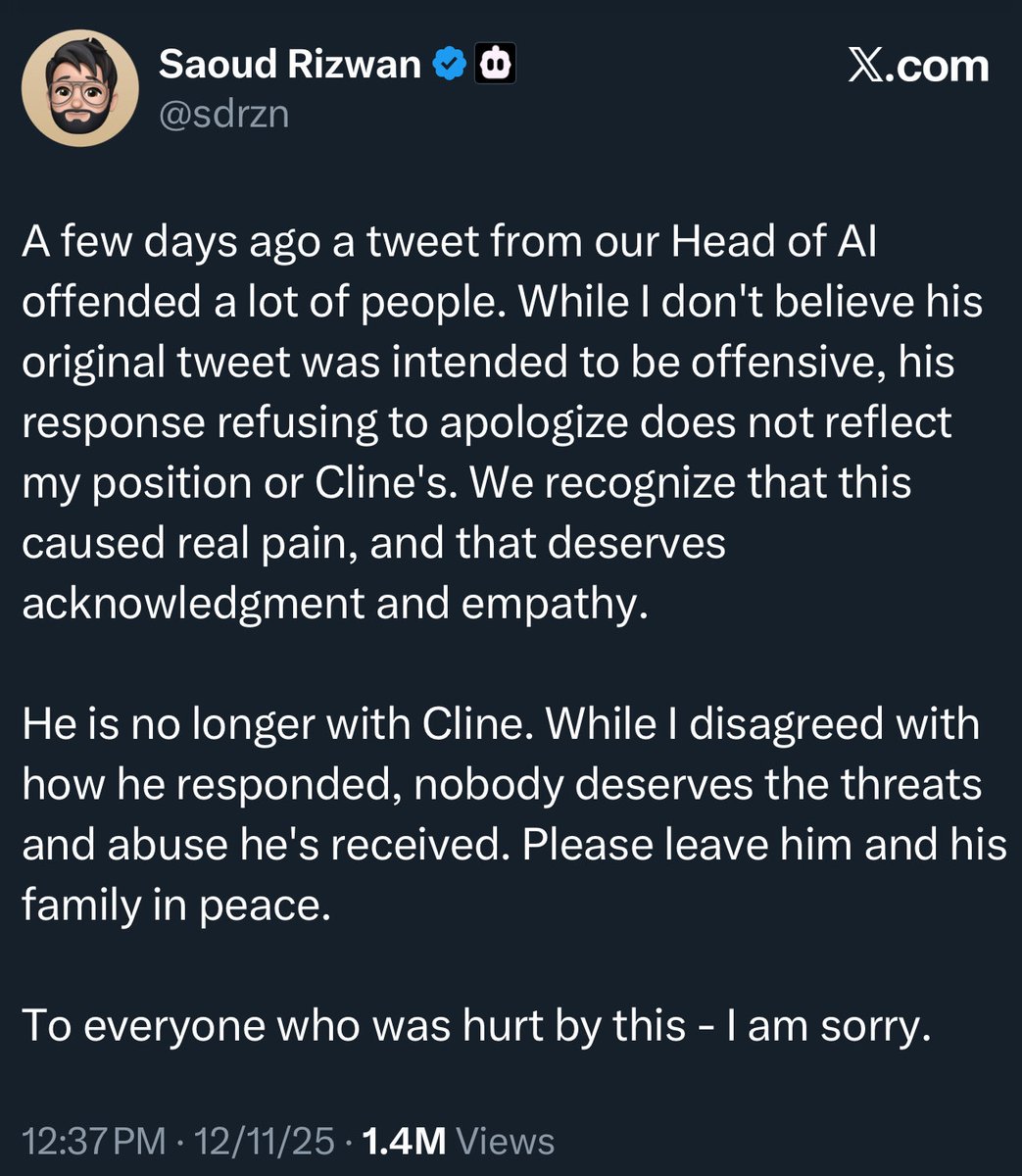
Tech Bro's Sense of Smell: A Short Story in Three Acts
Act I
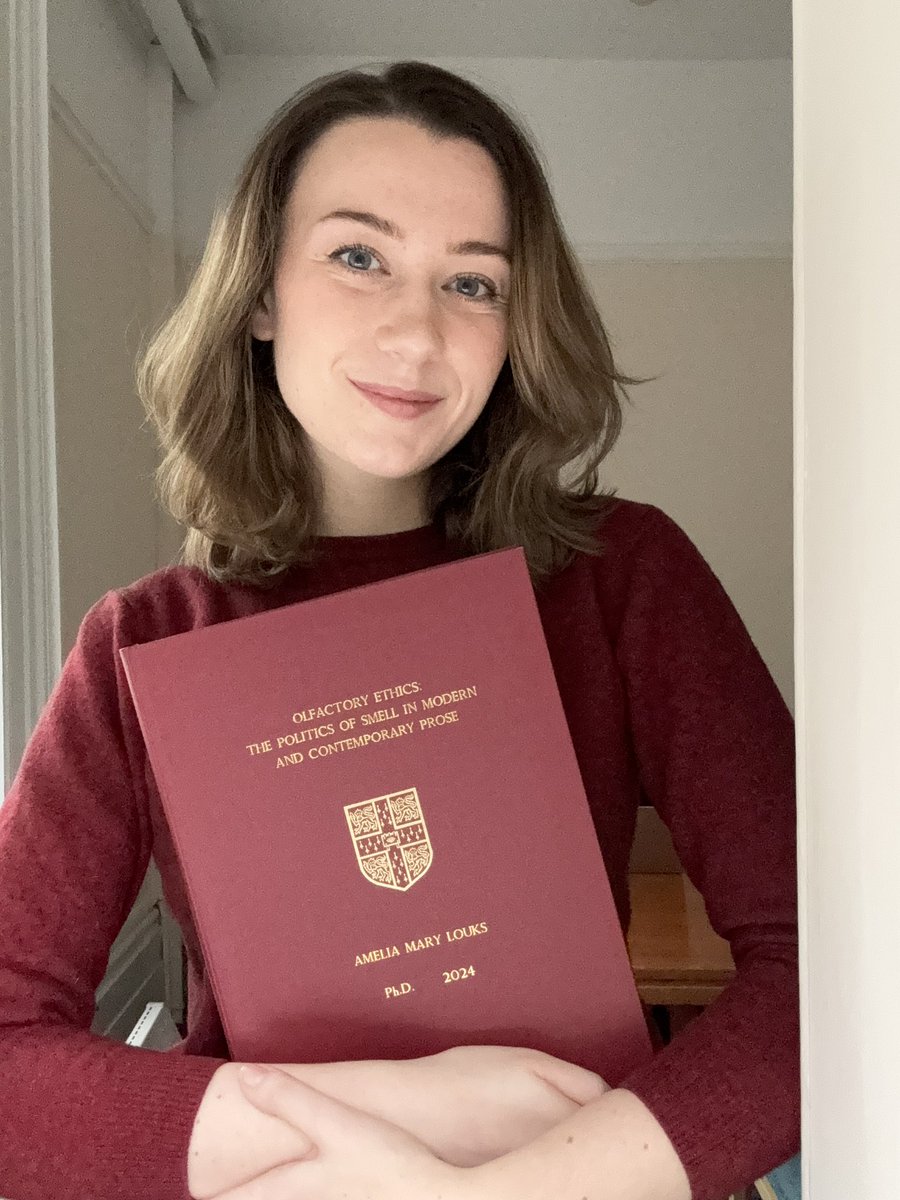
A woman posts a photo holding her English PhD thesis on the politics of smell (or the relationship between smell and power).
Tech bros left, right, and center troll her, trash her. Thousands of hateful, sexist comments.
This is a complete and utter waste of time and effort and money; literary studies is a fake academic field, they say.
Who even needs yet another PhD in English, they ask.
Act II
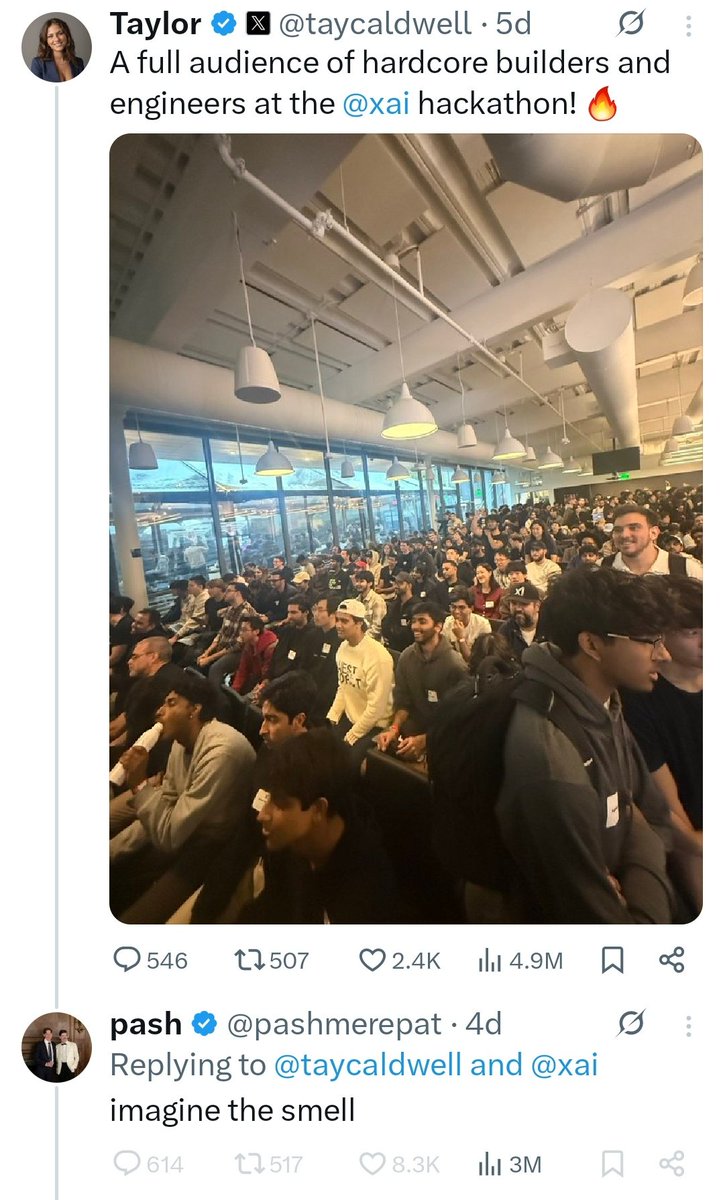
A white tech bro sees a photo of a hackathon with a bunch of young Indian men in the foreground.
"imagine the smell," he comments.
Indian tech bros criticize him. This is racist, they say.
We wash ourselves with water after pooping unlike you folks who use dry toilet paper. It's you who smells, they say.
They ask the white tech bro to apologize.
White tech bro says, this is a harmless joke, all hackathons smell. He says, he will not apologize, and asks others to be charitable with him.
Indian tech bros start leaving 1 star reviews for the app the company the white tech bro works at.
Act III
The white tech bros' boss is an Indian tech bro.
The Indian boss fires the white tech bro.
Epilogue
Now do you see how complex the relationship between smell and power is. That's why smart folks at top universities spend years trying to understand and explain this relationship.
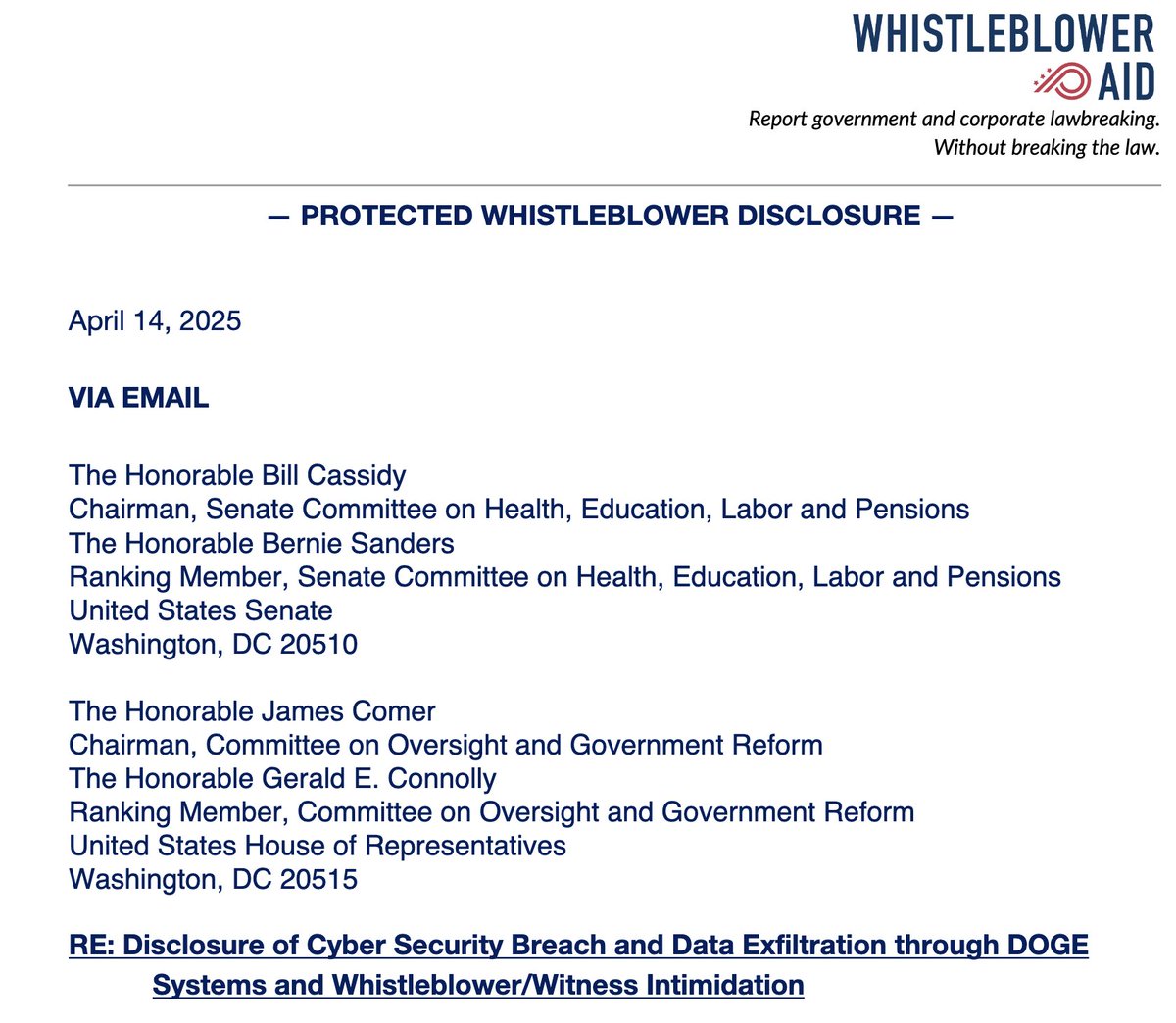
🧵 THREAD: A federal whistleblower just dropped one of the most disturbing cybersecurity disclosures I’ve ever read.
He's saying DOGE came in, data went out, and Russians started attempting logins with new valid DOGE passwords
Media's coverage wasn't detailed enough so I dug into his testimony:
Join us for our next Political Psychology Lunch on Feb 28! Ayla Schaub & Emma Roßbach will share insights from their research on East German identity. Don’t miss it!⬇️
We’re making the move! 🌈 Find us at https://t.co/loTgMpWezv☁️
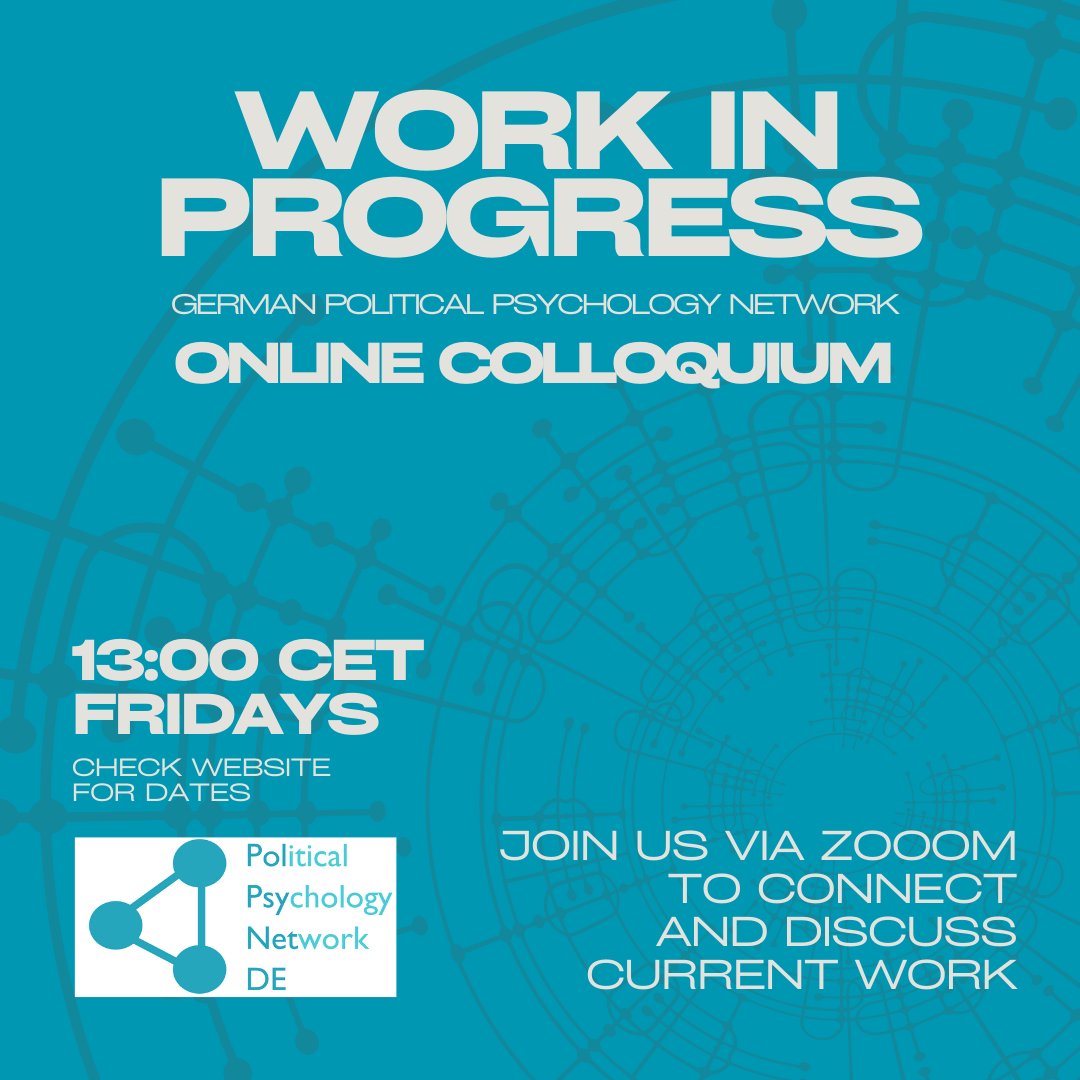
Join the conversation and don’t miss our first-ever Political Psychology Lunch, this Friday from 13:00–14:00!
Link to join below ⬇️
Join us this Friday from 13:00 to 14:00 for the first-ever 'Political Psychology Lunch', our new online colloquium!
@klara_steinmetz and @Srh_Buhl will present their work on the threats deepfakes pose to democracy.
Be part of the discussion!
Link to join below ⬇️
In our first online colloquium, my colleague @Srh_Buhl and I will be presenting our research on Deepfakes and how they threaten democracy. Join us on Zoom, the link will be published soon.
We want to extend our deepest gratitude to @gizem_rkn, ISPP Academy Director, for organizing the first-ever virtual #ISPPAcademy! 🎉
Scholars worldwide connected to learn, network, & engage in thought-provoking discussions on #PoliticalPsychology.
Thank you to all involved!
📢 Call for Papers! We are now accepting submissions for the #ISPP2025 Annual Meeting in Prague! 🎉
Don’t miss your chance to present your work—submit a paper, poster, blitz, panel, or roundtable presentation today!
Visit our event site to get started: https://t.co/kfTWwLpOgM
🚨 The Virtual #ISPPAcademy application deadline is now October 7th! 🚨
Join us on Dec 6, 2024, for live Q&As with #PoliticalPsychology experts, professional development sessions, and presentation & networking, opportunities.
Apply now: https://t.co/Hpb6Jya3Gy
@PolPsyISPP
Also big thanks to everyone who participated, engaged in discussions and contributed their knowledge and time. It made the journey worthwile. See you all next time!
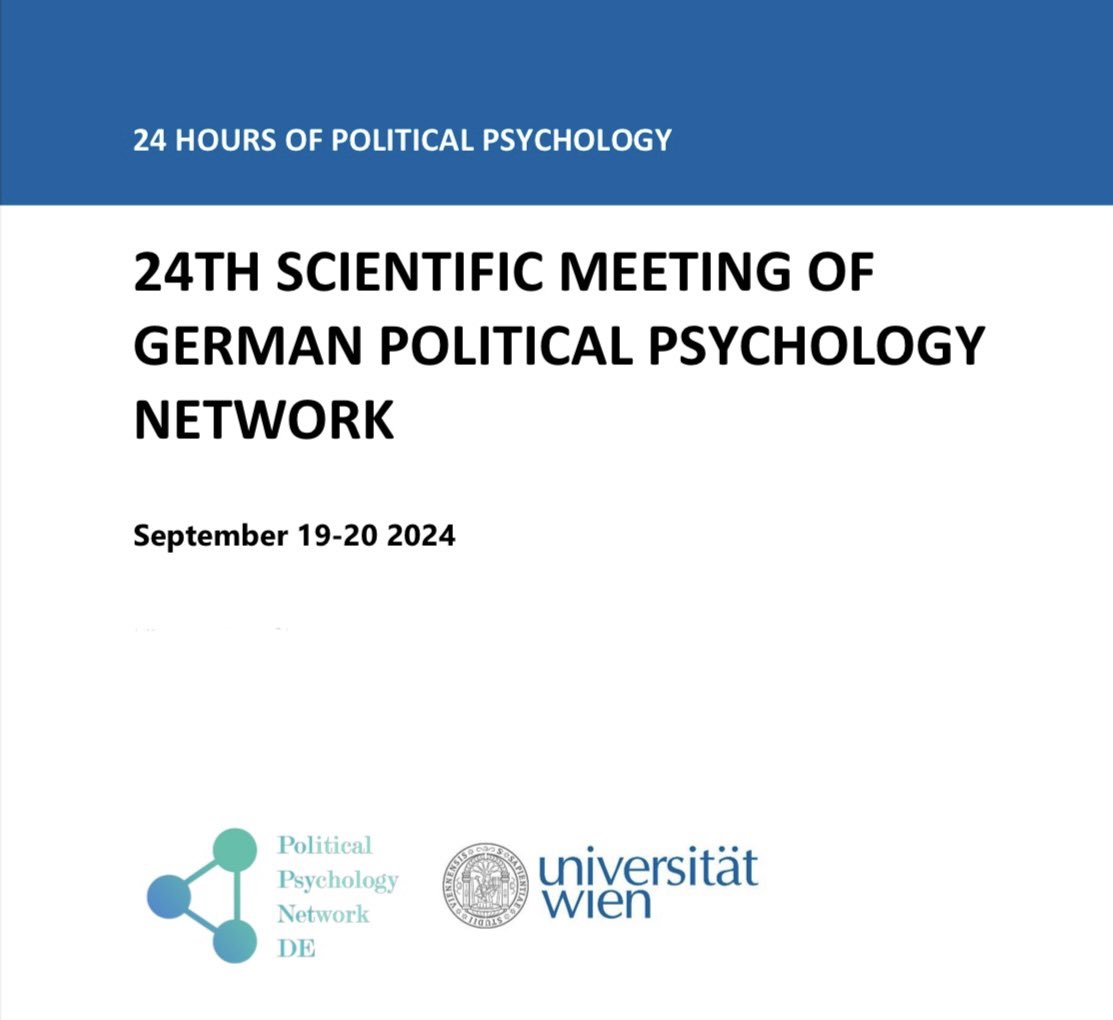
🤩Big thanks and shout-out to our local organizers @julia__reiter@graf_lil @Isabella_Reb @MarkusWagnerAT for organizing fantastic 24 hours of political psychology
@univienna! It was a great event in a beautiful city and online thanks to the tech savy organizers🙏! #24hpolpsy
Due to the floods the event turned into a hybrid conference without much time for planning. The organizing team acted smoothly and made it possible that everyone who wanted to participate could, so no one had to miss out on political psychology. 🥳