We have laws against mob justice because justice demands evidence, due process & presumption of innocence; safeguards that separate civilisation from the jungle.
A society that openly endorses mob justice has drifted back into barbarism, where man eats man.
#NoToMobJustice
On World Day Against Child Labour, let’s raise the Red Card and accelerate action to end hazardous work and child labour in all its forms.
Join the call to #EndChildLabour.
👉 Here’s how: https://t.co/yeLm7DTWkA
In December 1948, the UN General Assembly met in Paris to adopt the Universal Declaration of Human Rights.
The principles laid out in this historic document have been key in helping guide humanity toward a world of greater freedom, equality & justice.
https://t.co/9NHBqOppu9
In 1957, Kenyan freedom fighter, Dedan Kimathi, was executed by the British. He led the KLFA (MauMau) revolution against the brutal British occupation of his country, Kenya.
"I don’t lead terrorists. I lead Africans who want their self-government and land.”—Kimathi
The rising popularity of lab-grown diamonds has caused a big fall in the price of the mined gems. In the West African nation of Sierra Leone the country's biggest diamond mine has closed.
https://t.co/KXzqpZf3Sl
Tonight at 7.30pm I'll be hosting the @ug_lawsociety president SC @IsaacSsemakadde to discuss Freedom of Expression and the Right to Privacy. Don't miss📌📌
https://t.co/Pz3dRbaoN2
The Government of Uganda has decided that Medical Interns are not important and not entitled to allowances.
Medical Interns are the backbone of our hospital systems.
Interns are the Doctors that work
everyday along with paid doctors
or alone when paid doctors are
not there.
1/2 Uganda’s Sovereignty Bill, by choking foreign money inflows, risks triggering sharp shilling depreciation, runaway inflation, and quietly erasing the value of people’s savings.The government swears it won’t happen. It had better be right this time.
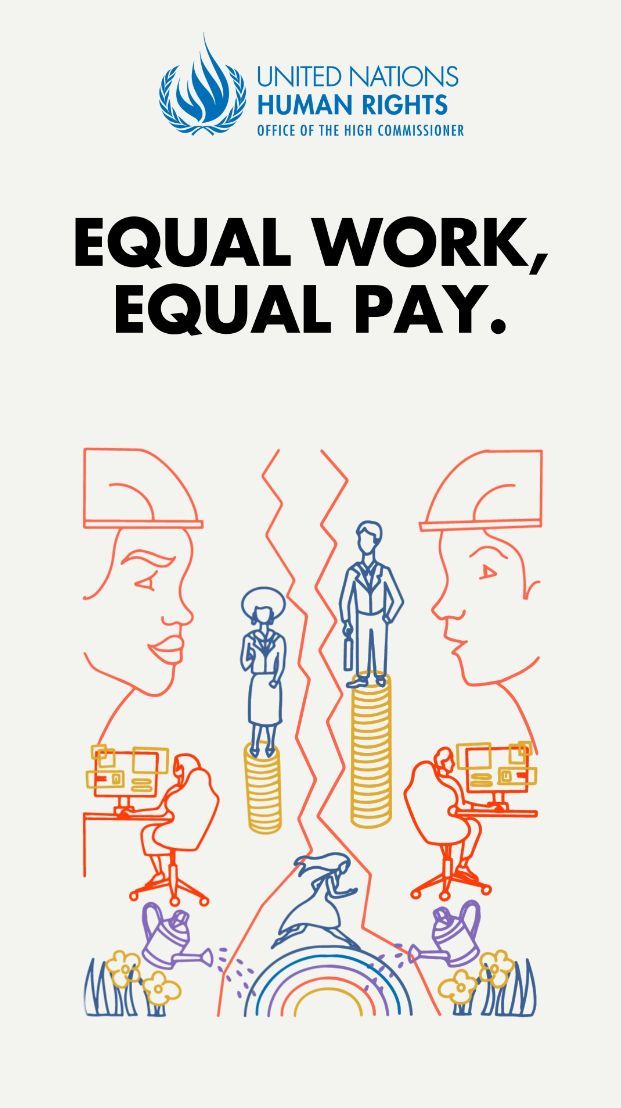
Behind every thriving society are hardworking people, informed communities, and inclusive policies.
This Labour Day, we honour the resilience, dignity, and contribution of every worker. ✊🏾
Happy International Labour Day from Policy Nexus.
Human rights are under a full-scale attack around the world.
The consequences are devastating.
We must change course and let human dignity set the direction.
— UN Secretary-General @antonioguterres
https://t.co/qXrRCIgEwR
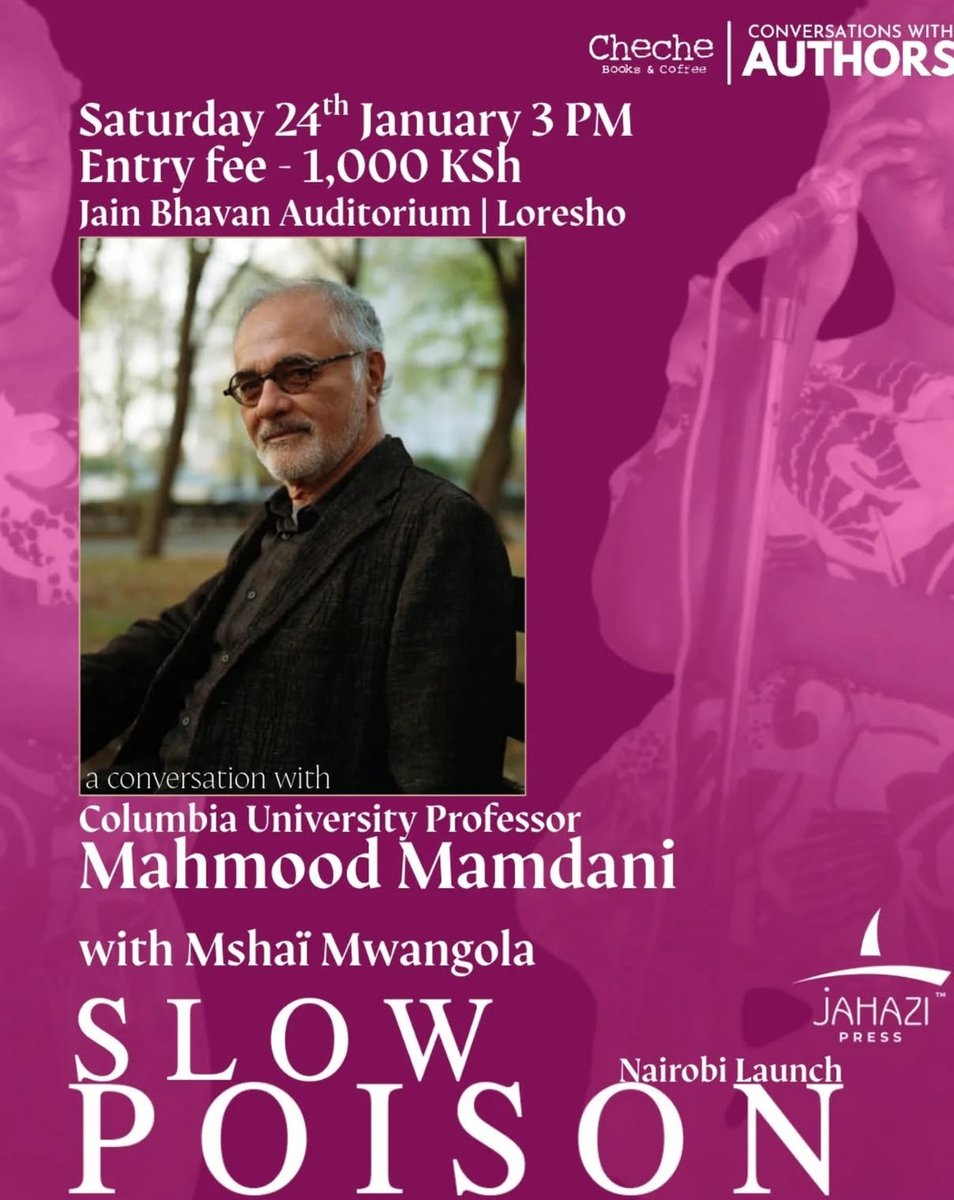
Record-Breaking Night for Ugandan Scholar Mamdani’s “Slow Poison” in Nairobi. What the Hell is Happening?
Ugandan scholar Prof. Mahmood Mamdani and Jahazi Press—the East African publisher of his latest book, “Slow Poison: Idi Amin, Yoweri Museveni, and the Making of the Ugandan State”—have been met with a big surprise. The Kenyan launch of the book has blown up.
Following a successful run in the coastal city of Mombasa, the book tour moved to Nairobi, where a launch event is scheduled for this evening (23 January). Initially, it was set to take place at Cheche, a radical pan-Africanist bookshop in the suburb of Lavington. Organisers had prepared for a maximum attendance of 400 people; however, within hours of the announcement, nearly 800 people had registered, and interest continued to surge.
Faced with a logistical nightmare, the organisers decided to introduce a cover charge of KSh 1,000 (UGSh 28,000) to manage the crowd. This proved no deterrent; people paid up fast. Consequently, the event was moved to the Jain Bhavan Auditorium in the affluent Loresho neighbourhood, which has a capacity of 1,000. Even this was insufficient, necessitating a second open event to be held on Saturday, 24 January.
Such demand is unprecedented for a paid book launch and represents a first at this scale for a scholarly work in Nairobi – and likely in Africa. This is particularly striking given that Mamdani has never been a "Nairobi person". He has neither studied nor written much about Kenya. Instead, he lived in exile in Tanzania for many years, where much of his earlier work was centred. He researched and wrote on the genocide against the Tutsi in his 2001 work, “When Victims Become Killers: Colonialism, Nativism, and the Genocide in Rwanda”. He has covered Sudan, lived and worked in post-apartheid South Africa, and spent decades in the USA as a professor at Columbia University. It was from there that he published “Good Muslim, Bad Muslim” and the profound, gut-wrenching “Neither Settler Nor Native: The Making and Unmaking of Permanent Minorities” (2020).
While Slow Poison does touch upon Kenya, it is not a motivational or "how-to-get-rich" book. For it to sell out two nights—outperforming many film releases with the exception of blockbusters like Black Panther—suggests a deeper shift. Some observers have suggested that the sensational Mayorial victory of his son, Zohran Kwame Mamdani, in New York has contributed to the hype, with people hoping to experience the famous son through the father – and maybe catch a glimpse of his award-winning filmmaking mother Mira Nair in case she too were around. However, that can only account for a fraction of the story.
This moment could signal a broader regional transition. In the 1960s, Uganda’s capital, Kampala, was the intellectual heart of East Africa. After the military dictator Idi Amin - a central subject of Mamdani’s book- seized power in 1971, Dar es Salaam, then still Tanzania's capital, claimed the title, attracting leading global scholars like Walter Rodney. Yet, under Julius Nyerere’s Ujamaa (socialism), Dar es Salaam became Africa’s "liberation capital", primarily fostering left-leaning scholarship.
In contrast, more centrist and conservative scholars gravitated toward Nairobi, as did irreverent and nihilistic voices like the great Ugandan poet Okot p’Bitek. Over the last 25 years, Kenya has emerged as the freest country (politically) in East Africa, notwithstanding occasional episodes of suppression. It possesses the region's most competitive politics and elections, allowing left, centre, and right-wing ideas to clash freely and to flourish.
Nairobi has also become remarkably diverse and globalised. While Slow Poison is sold freely in Kenyan bookshops, many bookshops in Kampala are afraid to stock it, and those that do often sell it "under the counter". As civil society is squeezed in Uganda and Tanzania, and internet shutdowns accompany their elections, Kenya is rolling out 5G and building data centres.
The increasing globalisation of the Nairobi citizenry, combined with the city's consolidation as a hub for economic, intellectual, and civil freedom, and a hotspot for a new wave of African youth activism (the dramatic Gen Z protest of 2024 and 2025) explain some of the forces that have driven this intense interest in Slow Poison.
It remains to be seen what will happen if or when the book launches in Kampala; however, if the publisher were to charge UGSh28,000 there, they might find themselves hosting the event in the living room of Mamdani’s home on top of the hill in Buziga, although a free event could draw thousands in the current political climate in Uganda, although a free event could draw thousands in the current political climate in Uganda.
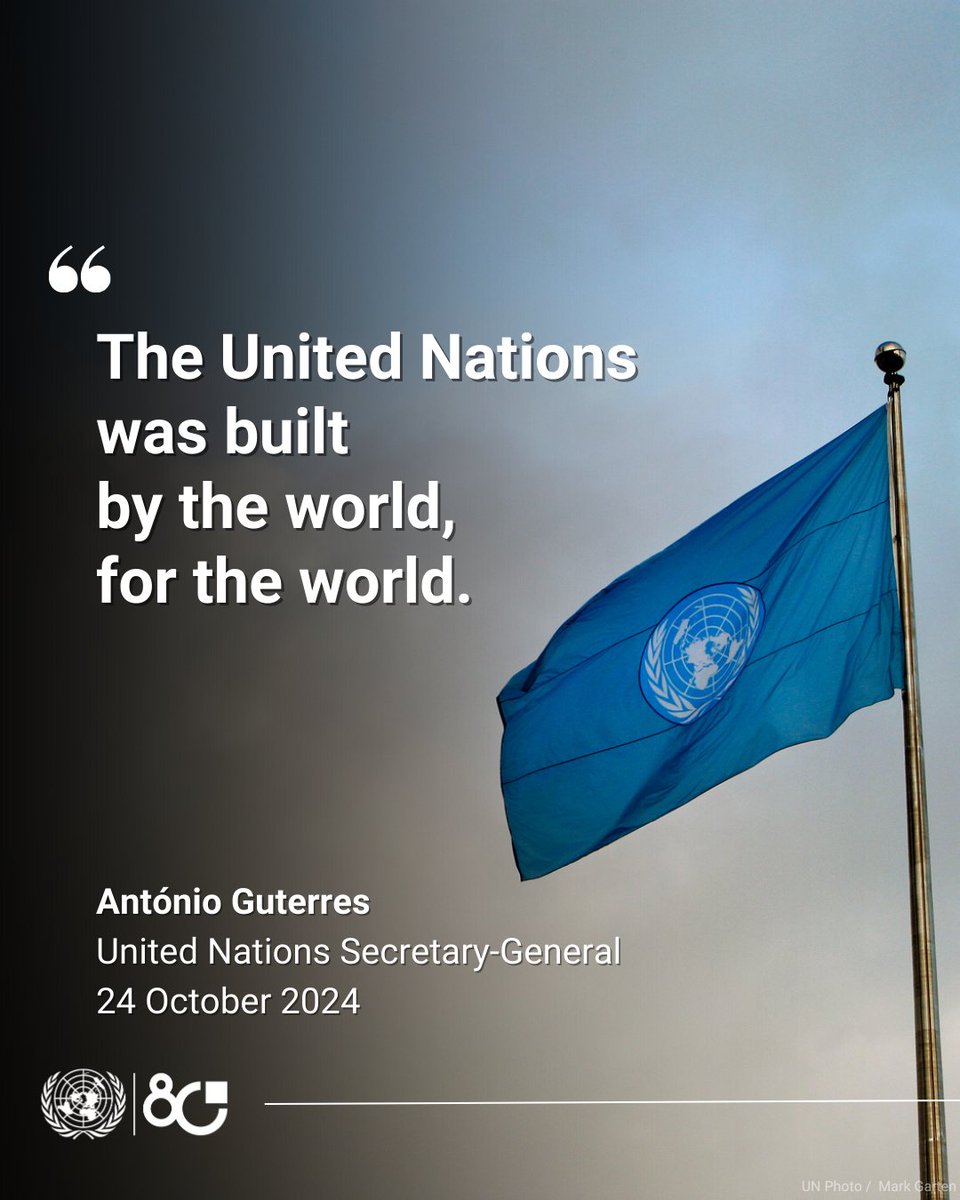
For 80 years, the UN has been a beacon of hope in times of turmoil.
As global conflicts, crises & challenges put millions at risk, the UN will continue its vital work in the year ahead assisting vulnerable people and delivering for those most in need.
https://t.co/pZVGSTztXb
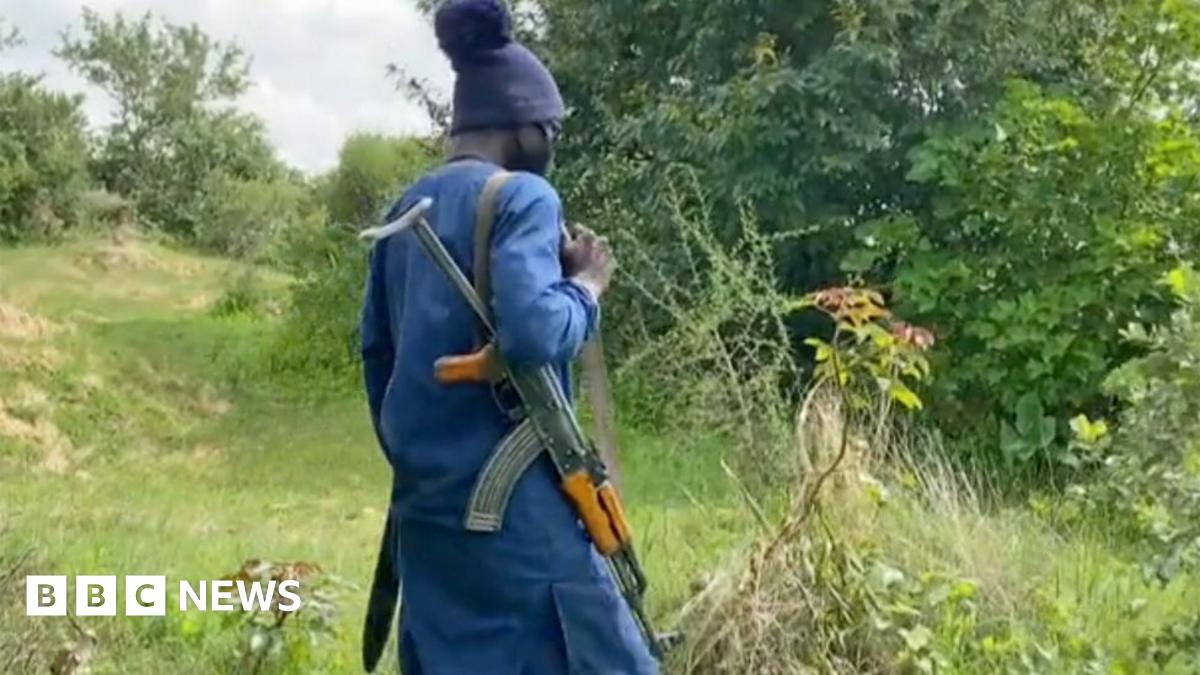
Nigeria is currently grappling with a spate of mass abductions. But the vast country - bigger than France and Germany combined - also faces many other security challenges.
So who are the main armed groups terrorising the country? Find out 👇 https://t.co/RIQUyB7hs8
While recent #measles surges are occurring in countries and regions where children are less likely to die due to better nutrition and access to health care, those infected remain at risk of serious, lifelong complications such as:
👁️ blindness
🫁 pneumonia
🧠 encephalitis (an infection causing brain swelling and potentially brain damage)
Fact sheet on measles https://t.co/0JvGwXRBgV
Diversity is a strength, not a threat.
On Sunday's #ToleranceDay & every day, let’s embrace tolerance, respect for diversity and understanding — values that unite us and make us stronger.
https://t.co/oaM4NorBad
As the crisis in Sudan deepens with the recent fall of El Fasher, displacing tens of thousands and fueling famine, it's a call to action for creative minds everywhere. How can innovative policies foster peace and aid? Africa stands in solidarity. #SudanCrisis
As the crisis in Sudan deepens with the recent fall of El Fasher, displacing tens of thousands and fueling famine, it's a call to action for creative minds everywhere. How can innovative policies foster peace and aid? Africa stands in solidarity. #SudanCrisis